Call our Professional Contractors!
(949) 859-9969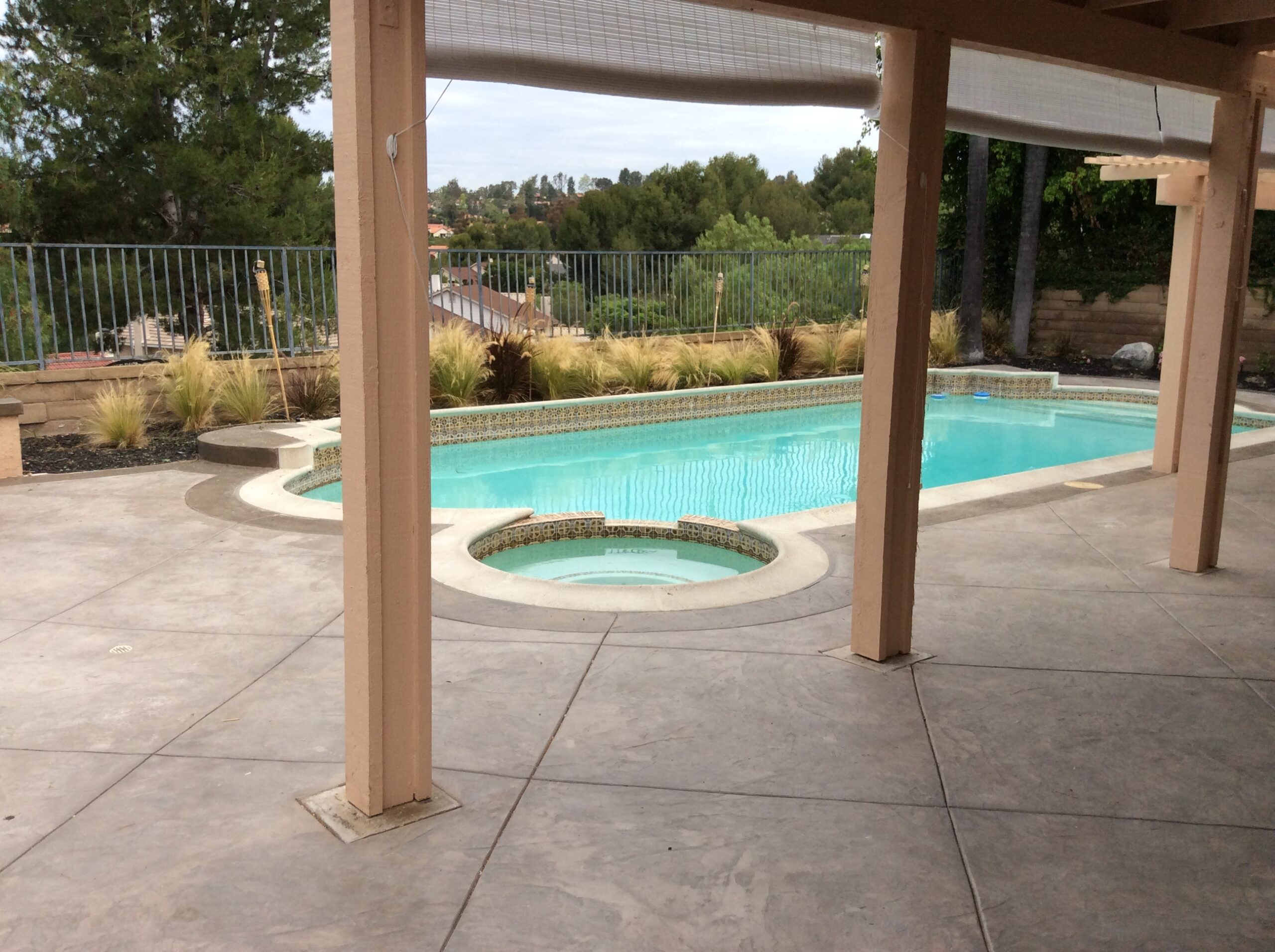
Pool deck surfaces deteriorate over time, requiring homeowners to choose between resurfacing existing concrete and complete replacement. Each approach offers distinct advantages in cost, durability, and design flexibility depending on the condition of the existing substrate and long-term performance goals. Understanding material characteristics, installation requirements, and climate-specific considerations helps homeowners make informed decisions aligned with their budget and aesthetic preferences.
Orange County's moderate climate and active outdoor lifestyle make pool deck condition a priority for property value and usability. Selecting between pavers over concrete and full replacement depends on structural integrity, drainage performance, and desired design outcomes. This examines both approaches across cost, durability, maintenance, and integration with broader pool renovations.
Pool deck resurfacing restores deteriorated concrete surfaces through overlay applications or new material installation. Surface degradation occurs from UV exposure, freeze-thaw cycles, chemical exposure, and ground movement over 10-15 years. Resurfacing extends functional lifespan while improving safety and aesthetics without complete demolition.
Homeowners pursue pool deck resurfacing when cracks, surface spalling, or drainage failures compromise safety and appearance. Proactive resurfacing prevents minor damage from escalating into structural problems requiring costly full replacement. Addressing issues early maintains property value and ensures safe pool area access.
Concrete overlay costs $3-$10 per square foot and provides affordable, customizable textures. Stamped concrete costs $8-$15 per square foot and delivers high-end aesthetics mimicking natural stone. Pavers cost $10-$20 per square foot, with modular design enabling easy replacement of individual units.
PVC membrane costs $12-$18 per square foot and offers fully waterproof, slip-resistant surfaces. Professional installation requirements and limited residential adoption keep PVC membrane a specialized solution. Material selection balances upfront investment against longevity and maintenance requirements over 15- to 25-year lifespans.
Pool Deck Material Cost and Lifespan Comparison
| Material | Cost Per Sq Ft | Typical Lifespan | Key Characteristic |
| Concrete overlay | $3-$10 | 10-15 years | Affordable, customizable textures |
| Stamped concrete | $8-$15 | 10-15 years | High-end look, mimics natural stone |
| Pavers | $10-$20 | 15-25 years | Modular; individual units replace easily |
| PVC membrane | $12-$18 | 15-25 years | Fully waterproof, slip-resistant surface |
Visible cracks wider than 1/4 inch indicate structural movement requiring professional assessment. Surface spalling exposes aggregate and creates tripping hazards, necessitating immediate attention. Standing water after rainfall signals drainage failures that accelerate deterioration and create slip risks.
Faded surfaces with rough textures reduce aesthetic appeal and increase skin abrasion during use. Expansion joint separation from ground movement compromises structural integrity and water intrusion potential. These indicators help homeowners determine whether resurfacing suffices or full replacement becomes necessary.
Resurfacing costs 40-60% less than full replacement by preserving existing concrete substrates. Projects complete in 3-5 days versus 10-14 days for demolition and reconstruction. Reduced waste generation and minimal landscape disruption appeal to environmentally conscious homeowners.
Existing drainage systems and utility locations remain undisturbed during resurfacing applications. Property access stays functional throughout shorter project timelines, reducing inconvenience. Cost savings allow budget allocation toward complementary upgrades like lighting or water features.
Pavers over concrete involve installing interlocking units atop structurally sound existing slabs using leveling systems. This approach preserves the substrate while creating new surfaces with enhanced aesthetics and durability. Proper installation requires assessing substrate condition and establishing drainage pathways through strategic grading adjustments.
The method eliminates demolition costs and reduces project timelines compared to complete slab removal. Pavers over concrete provide design flexibility with thousands of color and texture combinations available. Modular construction enables future repairs by replacing individual damaged units without disturbing surrounding areas.
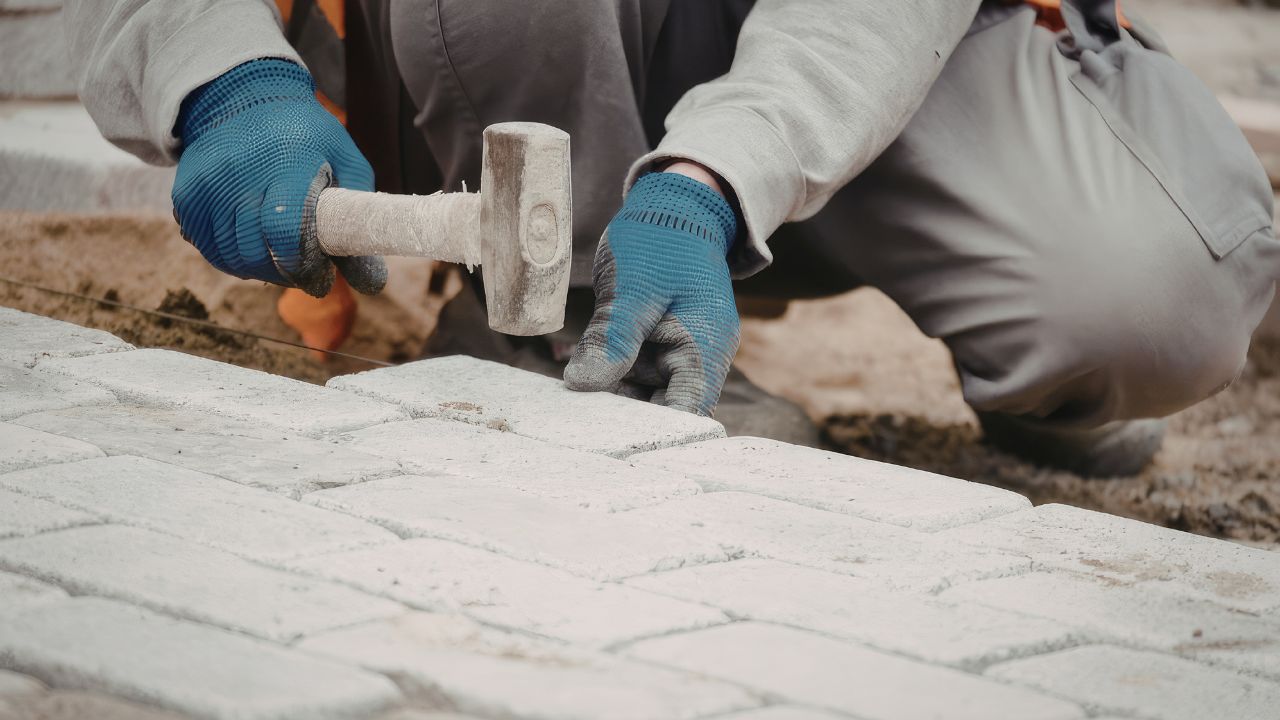
Installation begins with cleaning and leveling the existing concrete surface to ensure proper drainage. A thin sand or mortar bed provides uniform support, preventing future settling or rocking. Pavers interlock using edge restraints and polymeric sand joints, maintaining alignment and preventing weed growth.
Professional installers verify substrate integrity before proceeding with material placement and leveling. Proper slope establishment ensures water flows away from pool areas, preventing moisture accumulation. Installation typically completes within 3-5 days, depending on deck size and complexity.
Pavers are modular and easy to replace, but have a higher initial cost than overlay systems. Design versatility allows custom patterns and color schemes to match architectural styles. Non-slip surfaces, when properly textured, enhance safety around wet pool environments.
Initial investment runs $10-$20 per square foot compared to $3-$10 for concrete overlay.
Individual unit replacement simplifies future repairs without requiring extensive patching or resurfacing. Permeable paver options allow rainwater infiltration, reducing runoff and supporting sustainable landscape practices.
Pavers last 15-25 years with proper installation and routine maintenance. Occasional joint sand refills every 2-3 years maintain interlock stability and prevent weed emergence. Power washing removes organic stains and restores the original surface appearance without damaging material integrity.
Sealing pavers every 3-5 years protects against UV fading and moisture penetration. Weed maintenance requires periodic inspection and treatment along joints and edges. Lower long-term repair costs offset higher initial investment through extended service life.
Full pool deck replacement removes the existing concrete completely and rebuilds new substrates from grade level. This approach addresses structural problems, poor drainage design, and severe deterioration beyond surface repairs. Complete reconstruction allows integration of modern drainage systems, utility upgrades, and expanded deck footprints.
Demolition generates significant waste requiring proper disposal and site restoration. Projects extend 10-14 days from demolition through final curing periods before reopening to traffic. Cost premiums reach 60-100% above resurfacing options but deliver maximum design freedom and structural integrity.
Contractors excavate damaged concrete and compact subgrade before installing new reinforced slabs. Steel rebar grids strengthen concrete, preventing cracking from ground movement and thermal expansion. Proper drainage integration includes slope adjustments and subsurface systems directing water away from foundations.
Material choices during replacement include stamped concrete, exposed aggregate, or paver installations on new substrates. Professional grading ensures water flows toward drains, preventing pooling and ice formation. Expansion joints accommodate seasonal temperature fluctuations, reducing stress-cracking potential.
Full replacement costs $15-$30 per square foot, including demolition, disposal, and new construction. Project timelines span 10-14 days, accounting for demolition, grading, concrete curing, and finishing. Additional costs arise from landscape restoration, fence removal, and temporary pool closure periods.
Budget planning should include contingencies for unforeseen substrate conditions discovered during excavation. Extended curing periods delay project completion, requiring homeowners to plan around weather conditions. Higher upfront investment delivers maximum structural integrity and design customization potential.
Demolition generates noise, dust, and debris requiring site containment and waste management. Heavy equipment access may damage adjacent landscaping, irrigation systems, or hardscape features. Utility line identification prevents accidental damage to electrical, gas, or plumbing infrastructure during excavation.
Weather delays extend timelines when precipitation interrupts concrete placement or curing. Property access restrictions during demolition limit pool area functionality for extended periods. Coordination with pool resurfacing options ensures simultaneous interior and exterior renovations maximize efficiency.
Comparing pavers over concrete against full replacement requires evaluating cost, durability, aesthetics, and site-specific conditions. Initial investment differs significantly, with pavers over concrete costing 40-60% less than complete demolition. Long-term performance depends on the existing substrate condition and adherence to proper installation techniques.
Site assessments determine whether existing slabs possess adequate structural integrity for overlay applications. Poor drainage or extensive cracking may necessitate full replacement despite higher costs. Decision frameworks should weigh immediate budget constraints against long-term maintenance requirements and expected service life.
Pavers Over Concrete Vs. Full Replacement at a Glance
| Factor | Pavers Over Concrete | Full Replacement |
| Cost | 40-60% less than full replacement | $15-$30 per sq ft, including demolition |
| Installation time | 3-5 days | 10-14 days |
| Substrate work | Preserves existing slab | Complete demolition and rebuild |
| Drainage changes | Grading adjustments only | Full drainage redesign possible |
| Best suited for | Structurally sound existing concrete | Severe cracking or drainage failure |
Concrete overlay costs $3-$10 per square foot, while full replacement ranges from $15-$30 per square foot. Pavers over concrete eliminate demolition expenses, reducing total project costs by $5,000-$15,000 on average decks. Labor savings from shorter installation timelines further reduce overall financial impact.
Budget considerations should account for cost, with budget accounting for 38% of consumer decision weight. Long-term operating efficiency accounts for 28% of the decision weight influencing material selection. Immediate affordability often prioritizes overlay solutions while full replacement delivers maximum structural longevity.
Concrete overlay lasts 10-15 years before requiring reapplication or surface renewal. Stamped concrete lasts 10-15 years with proper sealing and maintenance protocols. PVC membrane lasts 15-25 years, offering superior waterproofing but requiring professional installation expertise.
Pavers last 15-25 years, with modular design enabling selective replacement without disturbing adjacent units. Full replacement concrete slabs provide 20-30 year service lives when properly reinforced and maintained. Material selection should align durability expectations with budget constraints and aesthetic preferences.
Concrete overlay is affordable and customizable, but may crack if the base slab moves. Stamped concrete provides high-end looks but can be slippery without grit additives for traction. Pavers offer unlimited color and pattern combinations with easy future design modifications.
Design flexibility increases property value through cohesive indoor-outdoor living space integration. Custom borders, medallions, and multi-color patterns create distinctive appearances matching architectural styles. Material texture selection impacts slip resistance, requiring careful evaluation for pool deck safety standards.
Environmental and practical factors significantly influence material selection and installation approach decisions. Ground movement from seismic activity and soil expansion requires materials accommodating substrate shifts. Climate conditions, including UV intensity, temperature fluctuations, and precipitation patterns, affect material durability and maintenance requirements.
Water conservation priorities and drainage management capabilities vary between resurfacing and replacement approaches. Consumer priorities, balancing budget, durability, and efficiency, shape final decisions based on individual circumstances. Regional building codes and HOA regulations may restrict material choices, requiring advance verification.
Concrete overlay may crack if the base slab moves from seismic activity or soil settlement. Stamped concrete can be slippery without grit additives, particularly during wet conditions. Modular paver systems accommodate ground movement through independent unit flexibility, preventing widespread cracking.
Southern California's moderate climate minimizes freeze-thaw damage, but intense UV exposure accelerates surface degradation. High temperatures cause thermal expansion, requiring proper expansion joint installation in concrete applications. Material selection should account for specific site conditions and regional climate characteristics.
Permeable paver systems allow rainwater infiltration, reducing runoff and supporting groundwater recharge. Solid concrete surfaces require drainage systems directing water toward collection points or landscape areas. Water-efficient maintenance practices minimize resource consumption during cleaning and routine upkeep activities.
Sealed surfaces require power washing using appropriate water volumes, balancing cleanliness with conservation goals. Paver stone installation incorporating permeable joints supports sustainable landscape management practices. Material choices impact long-term water usage through maintenance frequency and cleaning method requirements.
Cost and budget account for 38% of consumer decision weight in material selection. Long-term operating efficiency accounts for 28% of decision weight, reflecting lifecycle cost awareness. Durability and lifespan account for 18% of the decision weight, prioritizing reduced replacement frequency.
Environmental impact accounts for 12% of decision weight among eco-conscious homeowners. Material selections balancing these priorities require a comprehensive evaluation of upfront costs versus long-term performance. Professional consultations help homeowners align product characteristics with individual priorities and site-specific requirements.
Installation and maintenance requirements differ substantially between pavers over concrete and full replacement approaches. Skill levels, equipment needs, and project timelines vary based on chosen materials and methods. Understanding these requirements helps homeowners budget appropriately and select qualified contractors for successful project completion.
Maintenance frequency and repair complexity influence long-term ownership costs and homeowner effort requirements. Proactive maintenance extends material lifespan and preserves aesthetic appearance throughout service life. Clear maintenance protocols establish realistic expectations for ongoing care and periodic interventions.
Paver installation requires surface cleaning, leveling, and bedding layer preparation before unit placement. Professional installers verify substrate integrity and establish proper drainage slopes, preventing water accumulation. Edge restraints and polymeric sand application demand precision, ensuring long-term stability and weed prevention.
PVC membrane requires professional installation due to specialized adhesive application and seam welding techniques. DIY attempts risk improper drainage, causing premature failure and costly corrections. Licensed contractors possess equipment and expertise, ensuring code compliance and warranty validity.
Pavers require occasional joint sand refills every 2-3 years, maintaining stability and preventing weed growth. Power washing every 1-2 years removes organic stains and restores surface appearance. Individual damaged units replace easily without disturbing surrounding pavers or requiring extensive patching.
Stamped concrete is difficult to patch seamlessly, requiring professional color matching and texture replication. Sealed concrete surfaces need reapplication every 3-5 years to protect against moisture penetration and UV damage. Crack repairs demand immediate attention, preventing water infiltration and progressive deterioration.
Long-term upkeep costs for pavers include periodic sand refills, sealing, and occasional unit replacement. Concrete overlay maintenance involves resealing, crack monitoring, and eventual resurfacing after 10-15 years. Total ownership costs should factor maintenance frequency against initial investment differences.
Homeowner effort varies with DIY capability for basic cleaning versus professional requirements for repairs. Establishing maintenance schedules prevents minor issues from escalating into major problems requiring extensive interventions. Budgeting $200-$500 annually for routine maintenance ensures surfaces remain safe and attractive throughout their service life.
Pool deck resurfacing options integrate strategically with comprehensive pool renovations, maximizing aesthetic cohesion and functional performance. Coordinating deck materials with pool finishes, heating systems, and water features creates unified outdoor living environments. Simultaneous project execution reduces total costs and minimizes disruption periods compared to sequential renovations.
Planning comprehensive upgrades allows for infrastructure improvements, including electrical, plumbing, and drainage system enhancements. Material selections should complement best patio materials used throughout outdoor spaces, ensuring design continuity. Strategic timing coordinates contractor schedules and minimizes extended property access restrictions.
Gas or propane heaters cost $2,000-$5,000 initially and require fuel line integration during deck construction. Electric heat pumps cost $3,000-$8,000 initially, with electrical conduit routing coordinated with deck installations. Solar pool heaters cost $4,000-$9,000 initially, necessitating roof or yard space allocation during planning phases.
Decorative fountains cost $500-$5,000+, requiring plumbing integration and electrical access coordinated with deck layouts. Pondless waterfalls cost $2,000-$5,000+ demanding excavation coordinated with deck perimeter installations. Simultaneous installation reduces labor costs and ensures proper infrastructure integration without future deck disruption.
Inground pools in Orange County start between $80,000 and $100,000, establishing baseline investment expectations. Average Orange County pool investments range from $115,000 to $165,000, including premium finishes and integrated features. Quality deck resurfacing enhances these investments by creating cohesive resort-style outdoor environments.
Professional full pool deck replacement executed by licensed contractors increases property marketability and resale value. Outdoor living space enhancements attract buyers seeking turnkey entertainment venues and low-maintenance landscapes. Strategic material selection supports property positioning in competitive real estate markets.
California has approximately 1.34 million residential pools, representing substantial renovation market potential. Baby Boomers hold 42% of pool ownership, focusing on accessibility and maintenance reduction. Generation X holds 32% of pool ownership, prioritizing modernization and efficiency upgrades.
Millennials hold 18% of pool ownership but represent the fastest-growing segment of new pool buyers. This demographic prioritizes sustainable materials, smart automation, and contemporary design aesthetics. Understanding demographic trends helps contractors and homeowners anticipate future upgrade demand and material preferences.
Selecting optimal pool deck resurfacing approaches requires balancing competing priorities across cost, durability, and aesthetic preferences. Pavers over concrete deliver cost-effective solutions, preserving existing substrates while upgrading appearance and functionality. Full replacement addresses severe structural problems, providing maximum design freedom at premium investment levels.
Orange County's climate and seismic conditions favor materials accommodating ground movement without widespread failure. Consulting qualified professionals ensures material selections align with site-specific requirements and long-term performance expectations. Comprehensive project planning integrating OC pool renovations with deck resurfacing maximizes value and minimizes disruption.
Homeowners should verify contractor licensing, insurance coverage, and permit requirements before project commencement. Understanding Orange County pool permits and HOA rules prevents costly delays and ensures code compliance. Strategic material selection transforms outdoor spaces into functional resort-style environments supporting property value and lifestyle enhancement goals.
Signature Landscape has designed and built pool decks, patios, and outdoor living spaces across Orange County since 1989. Our licensed team, CSLB #583113, uses 3D CAD design so you can see your new pool deck before we lay the first paver or pour the first slab. Whether pavers over concrete fit your budget or your project calls for full replacement, we can walk you through the right approach for your home and your pool. Request a free quote today.
Concrete overlay runs $3-$10 per square foot, stamped concrete costs $8-$15 per square foot, and pavers over concrete cost $10-$20 per square foot. Full pool deck replacement costs $15-$30 per square foot once demolition and disposal are included. Most homeowners save $5,000-$15,000 by choosing pavers over concrete instead of full replacement. Getting a site-specific quote is the only way to confirm final pricing for your deck size and material choice.
Pavers can be installed over concrete when the existing slab is structurally sound and free of extensive cracking. Installers clean and level the surface, add a sand or mortar bed, then set interlocking pavers with edge restraints and polymeric sand joints. This approach skips demolition entirely and typically finishes in 3-5 days. A professional assessment confirms whether the substrate can support an overlay before work begins.
Pavers over concrete typically finish in 3-5 days since the process skips demolition and works directly on the existing slab. Full pool deck replacement takes 10-14 days to account for demolition, grading, concrete curing, and finishing. Weather delays can extend either timeline, particularly for replacement projects that depend on concrete curing conditions. Homeowners planning around a specific event date should build in extra time for full replacement.
Full replacement becomes necessary when cracks exceed 1/4 inch, drainage has failed repeatedly, or the substrate shows structural movement that an overlay cannot correct. It also makes sense when a homeowner wants to redesign drainage, expand the deck footprint, or upgrade utilities beneath the surface. Resurfacing works well when the existing concrete is sound, and the goal is a new look rather than a structural fix. A site inspection is the most reliable way to determine which category a deck falls into.
Paver pool decks need joint sand refills every 2-3 years to maintain interlock stability and prevent weed growth. Power washing every 1-2 years removes organic stains, and sealing every 3-5 years protects against UV fading and moisture penetration. Individual damaged pavers can be replaced on their own without disturbing surrounding units. Most homeowners budget $200-$500 annually for routine deck upkeep.
Schedule A Consultation