Call our Professional Contractors!
(949) 859-9969
Driveway repair vs. replacement is a decision many Orange County homeowners face when cracks, sinking sections, drainage stains, and worn surfaces appear on a driveway. These problems do not all call for the same fix. Some can be solved with localized patching or sealing, while others signal deeper structural or drainage failures that will only worsen if left unaddressed. Understanding the difference between surface-level damage and systemic failure helps homeowners avoid wasting money on short-lived patches or replacing a driveway that could have been repaired for years of added service.
Below, you'll find how to evaluate crack type, affected surface percentage, material age, drainage concerns, and project scope before choosing patching, resurfacing, or full replacement. It also covers Orange County factors such as permitting timelines, HOA requirements, and how asphalt, concrete, and paver driveways differ in repairability and long-term cost.
Orange County driveways face wear from sun exposure, temperature changes, vehicle loads, and occasional heavy rain that can expose drainage weaknesses. Homeowners should inspect for visible cracks, surface defects, standing water, uneven sections, and signs of settling or heaving. Early identification of these conditions allows for timely intervention before minor issues become structural problems.
Hairline cracks, small chips, limited surface spalling, minor paver movement, or isolated staining may be candidates for driveway repair when the rest of the surface remains stable. Home inspection industry standards flag cracks, depressions, drainage issues, and surface defects as concerns for asphalt, while concrete inspection guidance highlights cracking, scaling, spalling, drainage problems, settlement, and trip hazards. Cracks wider than 1/8 inch or damage covering over 25% of the surface often indicate that replacement is a more appropriate solution than repeated patching.
Standing water, settlement, heaving, washout, slope problems, and erosion around the driveway signal that the problem extends beyond the surface layer. When these conditions are present, addressing only the visible crack or depression will not solve the underlying cause. Proper grading and drainage improvements can prevent water from undermining the base and creating repeated failure cycles.
Asphalt driveways typically last 15 to 20 years, standard concrete driveways around 25 to 30 years, and pavers around 25 to 50 years in local conditions. As materials approach the end of their expected lifespan, maintenance costs often increase while the benefits of repair diminish. Knowing the age and condition of the existing driveway helps determine whether extending its life through patching is cost-effective or whether replacement offers better long-term value.
Repair makes sense when damage is isolated, shallow, non-structural, and not tied to recurring drainage or base movement. Crack filling, patching, leveling, sealing, paver reset, joint-sand refresh, and localized section repair can extend service life when the underlying base, drainage, and slope remain sound. Choosing repair over replacement requires confidence that the fix addresses the actual problem rather than masking active deterioration.
Small, stable cracks and surface defects that do not expand or reappear after filling are good candidates for patching. Localized repairs work well when the surrounding driveway shows no signs of widespread cracking, settlement, or drainage issues. Homeowners should avoid repeated patching in the same area, as this pattern usually indicates a deeper structural or drainage failure that will continue to cause problems.
Pavement preservation is a long-term strategy using cost-effective practices to extend pavement life and improve safety and condition. Regular sealing, joint maintenance, drainage observation, and prompt attention to minor defects can delay the need for resurfacing or replacement. Staying ahead of the hidden risks of skipping maintenance keeps small defects from turning into base failure. Preventive maintenance works well when applied while the driveway is still in good or fair condition, before structural decline begins.
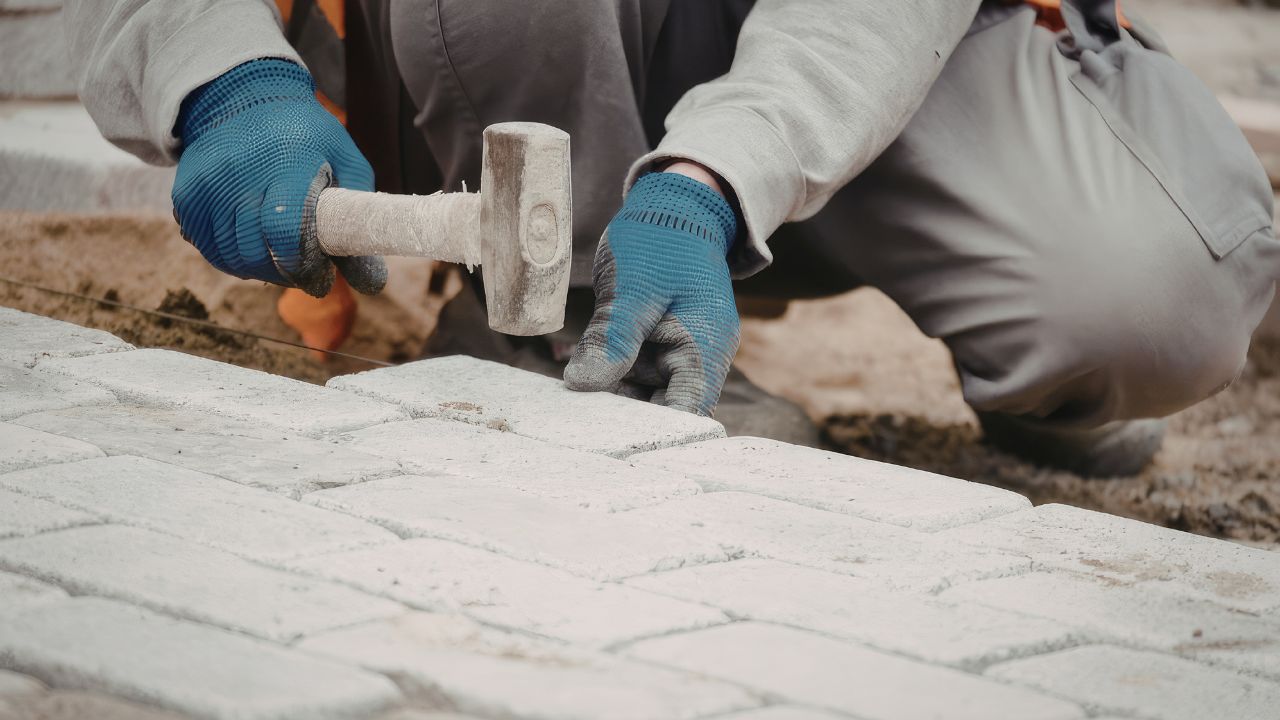
Pavers can often be lifted and replaced in individual sections without disturbing the entire driveway, making them easier to repair than poured concrete slabs. Asphalt can be crack-filled, sealed, or resurfaced if the base remains intact, but widespread cracking or base failure usually requires removal and reconstruction. Poured concrete may need section replacement or full demolition when cracks become active or when slabs settle unevenly.
Resurfacing refreshes the surface layer and requires a stable base to perform well over time. It offers a middle ground between simple patching and full replacement when the surface is worn, but the foundation remains sound. Resurfacing can fail prematurely if applied over active cracking, settling, or poor drainage.
Asphalt resurfacing works well for pavement less than 15 to 20 years old with a good foundation and less than 30% surface damage. For concrete, resurfacing can refresh surface wear, but active cracking, settlement, poor drainage, or slab movement can telegraph through a new surface layer. The base must be stable, properly graded, and free of recurring movement before resurfacing can be considered a durable solution.
Asphalt resurfacing typically costs $1 to $3 per square foot and involves applying a new asphalt layer over the existing pavement. Concrete resurfacing may involve applying a thin overlay or grinding and polishing the surface, but it does not correct structural problems. Pavers are rarely resurfaced in the traditional sense; instead, damaged units are replaced individually or sections are reset with fresh base material and joint sand.
Resurfacing addresses only the surface layer and does not fix underlying base, drainage, or structural issues. Active cracks, settlement, heaving, or water infiltration will continue to affect the new surface, often causing premature failure. Homeowners should understand that resurfacing is a cosmetic and protective measure, not a structural repair.
Replacement becomes the safer recommendation when cracks are wide or spreading, sections are heaving or sinking, water is undermining the driveway, deterioration covers a large area, or the material has reached the end of its practical service life. Full replacement allows for correction of drainage, base preparation, slope, and material selection issues that cannot be addressed through patching or resurfacing. Knowing the signs that indicate replacement helps homeowners avoid investing in repairs that will not last.
Cracks wider than 1/8 inch, especially when they continue to expand, often indicate movement in the base or subgrade. When damage covers more than 25 to 30 percent of the driveway surface, replacement typically offers better value than attempting to patch multiple failing areas. Structural issues such as heaving, sinking, or sections that have become trip hazards require removal and base correction rather than surface treatment.
Standing water, erosion along the edges, washout beneath the surface, and repeated cracking in the same location all point to drainage or base failure. These conditions cannot be fixed with surface patching and will continue to cause problems until the underlying system is corrected. Replacement projects should include grading, base and subgrade preparation, and drainage improvements to prevent recurring failure.
A driveway approaching or exceeding its expected lifespan is more likely to experience widespread deterioration that makes patching uneconomical. When materials have reached the end of their service life, replacement offers an opportunity to upgrade drainage, change materials, or redesign the layout. Homeowners should weigh the cost of ongoing repairs against the long-term benefits of a new installation with improved performance.
Asphalt, poured concrete, stamped concrete, and pavers fail and repair differently. Material choice influences both the ease of localized repairs and the overall lifecycle cost of the driveway. Understanding these differences helps homeowners select the right approach based on their budget, aesthetic preferences, and maintenance expectations.
| Driveway material | Typical lifespan | Repairability | Typical cost | Repair vs. replace note |
| Asphalt | 15 to 20 years | Crack-fill, seal, or resurface when the base is sound | $1 to $3 per sq ft to resurface | Base failure calls for full removal |
| Poured concrete | 25 to 30 years | Section replacement or overlay; color match is hard | $6 to $15 per sq ft | Active cracks or settling point to replacement |
| Stamped concrete | 25 to 30 years | Overlay refreshes the surface only | Varies with pattern | Structural cracks need replacement |
| Pavers | 25 to 50 years | Lift and reset individual units | $17.88 to $23.75 per sq ft | Most repairable; sections swap without a full teardown |
Pavers can be lifted and replaced in sections without affecting the surrounding units, making them the most repairable option for localized damage. Poured concrete slabs often require section replacement or full demolition when cracks become structural, and matching the color and texture of replacement sections can be difficult. Asphalt can be crack-filled, sealed, or resurfaced when the base is intact, but base failure typically requires complete removal and reconstruction.
Permeable pavers allow water to infiltrate through the surface and reduce runoff, which can address drainage problems that contribute to driveway failure. When replacing a driveway with chronic standing water or drainage issues, switching to permeable pavers can eliminate the root cause. Permeable systems require proper base preparation and periodic joint-sand maintenance to maintain infiltration capacity.
Concrete pavers cost $17.88 to $23.75 per square foot, while poured concrete typically costs $6 to $15 per square foot. Pavers offer easier repair and replacement in sections, which can reduce long-term maintenance costs despite a higher initial investment. Comparing material costs and durability helps homeowners understand the total cost of ownership over the life of the driveway.
Project sizing, scope, and timelines vary significantly depending on whether the homeowner chooses patching, resurfacing, section replacement, or full replacement. Each approach carries different levels of disruption, access restrictions, cure or settling periods, and permitting requirements. Understanding these factors helps homeowners plan for the practical realities of each option.
Crack filling and small patches are localized repairs with minimal disruption, often completed in a single visit, and work well for isolated non-structural defects. Sealing and maintenance provide surface protection and appearance refresh during periodic maintenance windows but do not address structural problems.
Section replacement involves removing and replacing damaged slabs, pavers, or asphalt areas with moderate disruption and possible matching concerns, making it suitable for localized structural failure. Full replacement includes demolition, base and subgrade correction, new material installation, and possible HOA or permit review, offering the most comprehensive solution for widespread failure, poor drainage, or end-of-life materials.
Simple driveway installations can take a few days to a week, depending on size, concrete type, and weather conditions. Full replacement requires demolition, base and subgrade preparation, material installation, cure or settle time, and a larger schedule window. Homeowners should plan for limited or no driveway access during construction and allow additional time for concrete curing or paver settling before resuming full vehicle use.
Orange County driveways exceeding 100 square feet may require permits with processing timelines from 15 days to 6 weeks, depending on the jurisdiction. HOA compliance requirements can add design review steps and approval timelines that affect project start dates. Homeowners should verify local permit and HOA requirements early in the planning process to avoid delays.
Cost-effective driveway solutions balance short-term repair expenses against long-term replacement costs and functionality. Choosing the right approach requires evaluating damage severity, material age, drainage issues, and how the driveway fits into broader curb appeal and hardscape goals. Avoiding repeated repairs that hide underlying problems saves money and prevents frustration over time.
| Driveway condition | Suggested action | Why it fits |
| Hairline cracks or isolated chips over a stable base | Patch or seal | Damage is cosmetic and not spreading |
| Worn surface, sound base, under 30% damage | Resurface | A new surface layer restores appearance over a stable foundation |
| Cracks wider than 1/8 inch that keep spreading | Replace | Width signals movement in the base or subgrade |
| Damage across more than 25% to 30% of the surface | Replace | Patching many areas costs more than one new installation |
| Standing water, washout, or repeat cracking | Replace with drainage correction | Surface repairs cannot fix a failing base |
| Material past its service life | Replace | Widespread wear makes patching uneconomical |
Average driveway repair costs about $1,200 nationally, with concrete repairs ranging from $300 to $3,000 depending on cracks, resurfacing, section replacement, or leveling. Patching is a smart short-term solution only when it solves the actual issue, not when it hides active movement or drainage failure. When repairs become frequent, or the driveway is near the end of its lifespan, replacement often delivers better value over time.
Repeated patching in the same area usually indicates a structural or drainage problem that surface repairs cannot solve. Homeowners should track repair frequency and location to identify patterns that suggest base failure or inadequate drainage. Installing proper drainage solutions addresses the root cause and prevents the need for ongoing surface repairs.
Orange County homeowners often prioritize curb appeal and property value alongside functionality when making driveway decisions. Replacement offers an opportunity to upgrade materials, improve drainage, widen the driveway, or coordinate with broader hardscape projects. Understanding installation cost differences helps homeowners select materials that meet both aesthetic and budget goals.
Choosing between patching and replacement requires evaluating driveway replacement criteria such as crack width, surface coverage, drainage stability, material age, and project scope. Patching vs. full replacement decisions should focus on whether the fix addresses the underlying problem or merely delays inevitable failure. Homeowners can extend driveway life through regular maintenance and early intervention when the base and drainage remain sound.
Roadway maintenance strategies used in pavement preservation emphasize treating problems early, before structural decline begins. This same principle applies to residential driveways: small cracks and minor defects respond well to cost-effective driveway solutions such as sealing and crack filling, while widespread damage or base failure calls for section or full replacement. Maintaining hardscape features through cleaning, sealing, joint care, and drainage observation helps preserve appearance and function between major projects.
Signature Landscape helps Orange County homeowners assess driveway condition, evaluate repair versus replacement options, and plan projects that address both immediate damage and long-term performance. Whether a driveway needs localized patching, resurfacing over a stable base, or full replacement with improved drainage and materials, professional evaluation ensures the chosen solution fits the homeowner's budget, timeline, and curb appeal goals.
Signature Landscape has helped Orange County homeowners repair, resurface, and replace driveways since 1989. Our specialists review crack width, drainage, base condition, and material age on site, then recommend the option that fits your budget and timeline. You get a clear written estimate and one point of contact from design through cleanup.
Call (949) 859-9969 or request a free quote to schedule an on-site driveway evaluation. Ask about driveway design and installation options in concrete and pavers. Signature Landscape is a licensed California contractor, CSLB License #583113.
Cracks up to about 1/8 inch that stay stable can often be filled or sealed. Once cracks pass 1/8 inch or keep widening, they usually point to movement in the base or subgrade, which patching cannot fix. Damage that covers more than 25 to 30 percent of the surface also tips the decision toward replacement. A professional inspection confirms whether the base is still sound.
Repair costs less upfront, with national averages around $1,200 and concrete repairs from $300 to $3,000. Replacement costs more at first but delivers better value when repairs become frequent or the driveway is near the end of its life. Repeated patching in the same spot often signals a base or drainage problem that only replacement will solve. Comparing repair frequency against a one-time installation helps you find the lower long-term cost.
Standard poured concrete driveways last about 25 to 30 years in local conditions. Asphalt runs 15 to 20 years, and pavers can last 25 to 50 years because damaged units can be reset. Sun exposure, vehicle loads, and drainage all affect how long a surface holds up. Regular sealing and joint care extend service life across all three materials.
Driveways larger than 100 square feet often require a permit, with processing that ranges from 15 days to 6 weeks depending on the jurisdiction. Homes in HOA communities may also need design review before work begins. Confirming permit and HOA requirements early keeps the project on schedule. A licensed contractor can prepare compliant documents and handle submissions.
Resurfacing refreshes the surface layer and works only when the base is stable and damage affects less than about 30 percent of the surface. It does not correct active cracking, settlement, or drainage failure, which will telegraph through the new layer. On a sound foundation, resurfacing restores appearance and adds protection at a lower cost than full replacement. When cracks are structural, replacement is the durable choice.
Schedule A Consultation