Call our Professional Contractors!
(949) 859-9969
Selecting driveway materials requires balancing upfront investment against decades of performance in Orange County's coastal and inland microclimates. Concrete pavers, poured concrete, and asphalt each deliver distinct cost profiles, maintenance obligations, and aesthetic flexibility. Understanding these differences helps homeowners make informed decisions aligned with budget constraints, property values, and lifestyle goals.
This guide examines installation costs, durability expectations, regulatory compliance, and maintenance requirements specific to Orange County's climate and building codes. Homeowners will gain clarity on material selection processes that maximize return on investment while meeting environmental standards. Professional installation remains critical for ensuring structural integrity regardless of material choice.
Key Takeaways
Driveway materials differ significantly in composition, installation methodology, and performance characteristics. Paver driveways consist of individual interlocking units installed over a prepared aggregate base, allowing selective replacement. Poured concrete creates monolithic slabs that resist settling but crack under thermal stress. Asphalt combines petroleum binder with aggregate to create flexible surfaces that withstand temperature fluctuations better than rigid alternatives.
Material selection influences aesthetic possibilities, repair processes, and environmental compliance throughout the driveway's functional lifespan. Concrete pavers offer unlimited color and pattern combinations while supporting permeable drainage configurations. Asphalt delivers a uniform appearance at the lowest initial investment but limits design customization. Poured concrete provides clean, contemporary aesthetics with decorative stamping options mimicking natural stone patterns.
Concrete pavers deliver 25-50+ year lifespans when properly installed with professional base preparation and jointing sand. These paver stone installations require annual sealing and periodic sand replenishment, but resist cracking through individual unit flexibility. Damaged pavers can be selectively replaced without disturbing surrounding areas or creating visible patchwork.
Poured concrete achieves 30-40 year durability under ideal conditions, but remains highly susceptible to cracking from thermal expansion. Asphalt driveways last 15-20 years with seal coating every 2-3 years to prevent oxidation and surface deterioration. Cumulative maintenance costs for asphalt often exceed initial savings within 10-15 years.
Concrete paver installation ranges from $17.88 to $23.75 per square foot, depending on pattern complexity and edge restraint requirements. Flagstone commands premium pricing at $24-$32 per square foot for 50+ year durability with irregular natural aesthetics. Porcelain tile costs $25-$50 per square foot and delivers 25-30+ year performance with uniform appearance and easy maintenance.
Orange County cost structures for poured concrete fall between $6 and $15 per square foot for standard finishes. Asphalt provides the lowest barrier to entry at $4-$12 per square foot installed over a compacted aggregate base. Concrete pavers for patio applications typically range from $15-$25 per square foot with identical durability expectations.
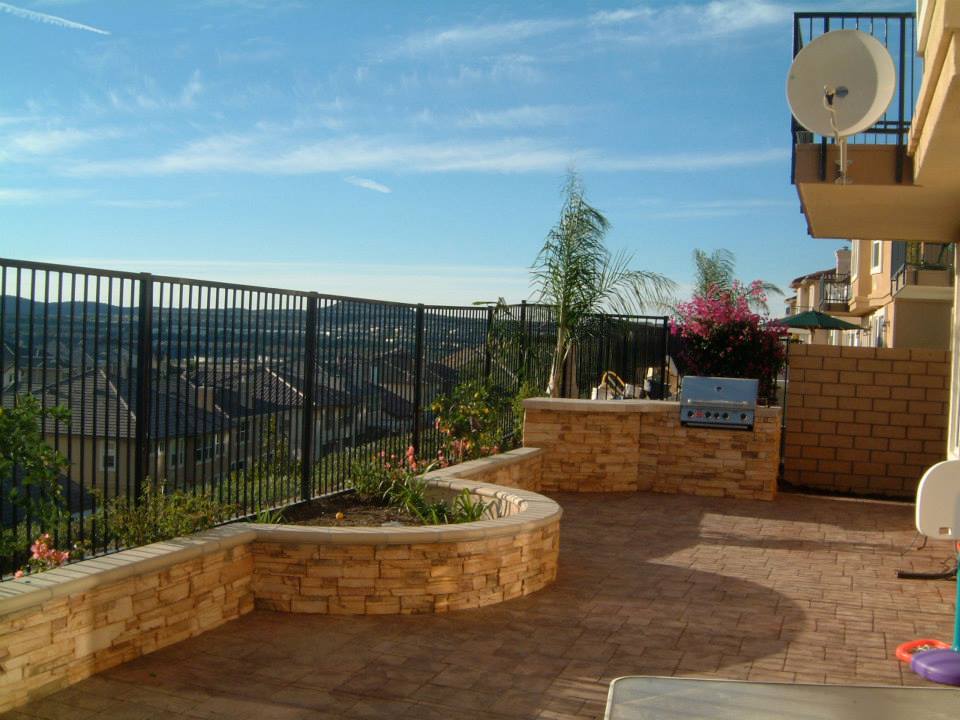
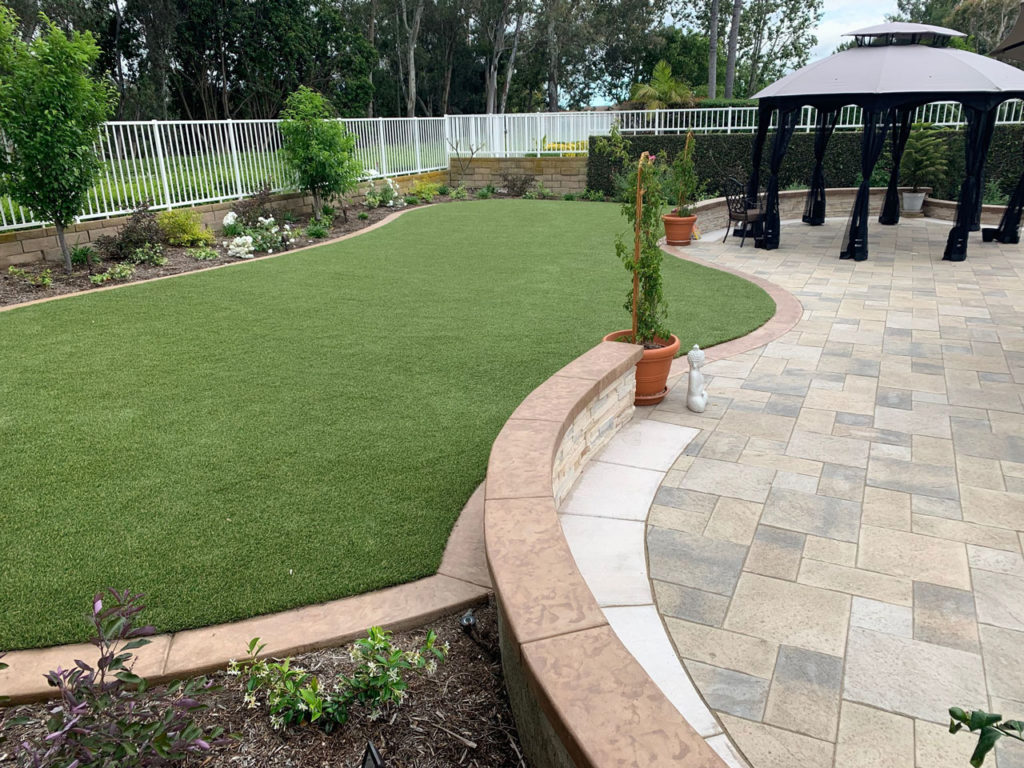
Concrete pavers offer the broadest aesthetic flexibility through unlimited color blending, tumbling effects, and geometric pattern arrangements. Manufacturers produce shapes mimicking cobblestone, natural flagstone, and contemporary linear planks in dozens of earth-tone palettes. Permeable paver systems incorporate wider joints that maintain visual appeal while satisfying environmental drainage requirements.
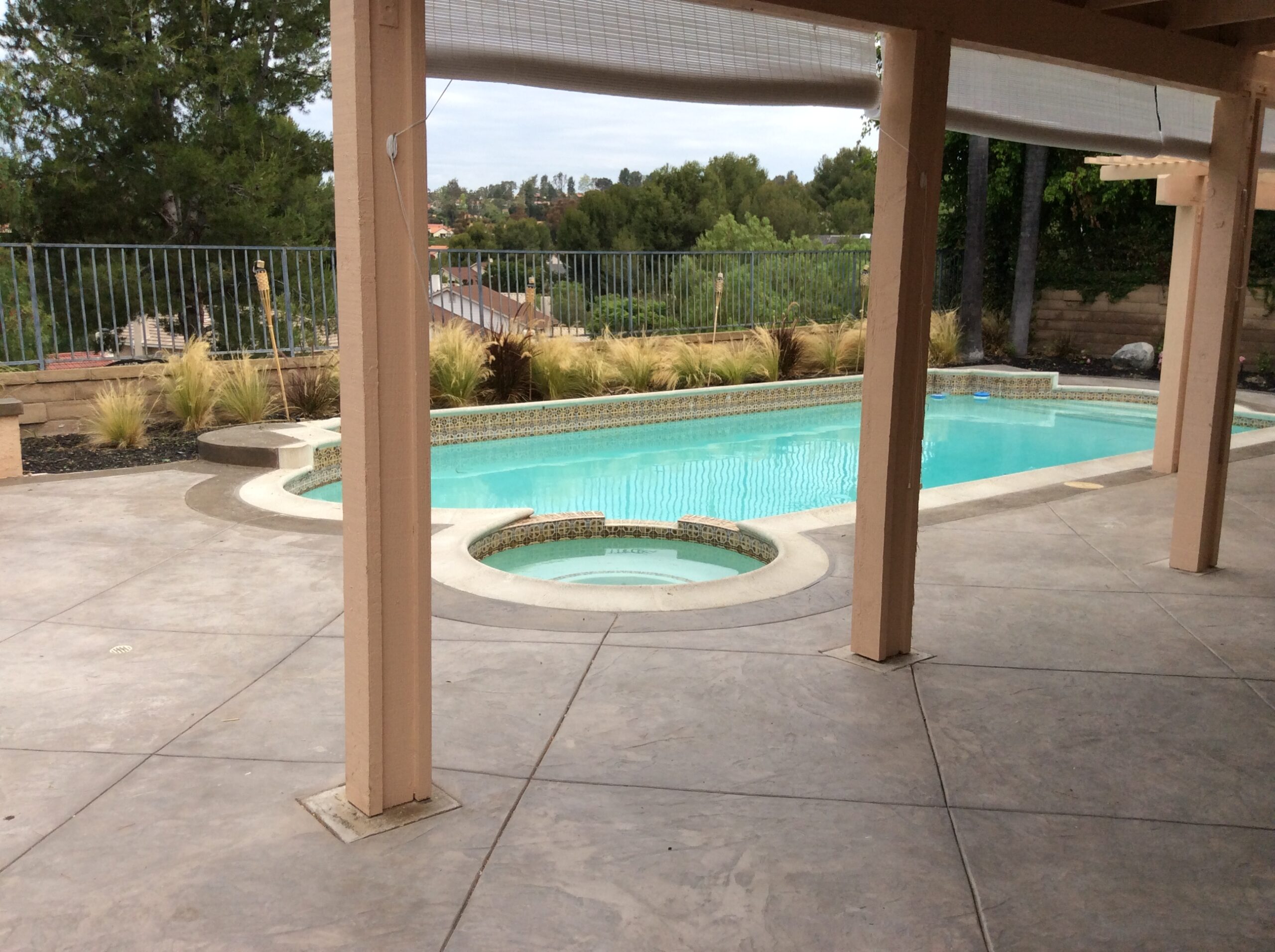
Poured concrete allows decorative stamping, acid staining, and exposed aggregate finishes that create custom surface textures. Asphalt limits aesthetic customization to standard black or dark gray surfaces with minimal design variation. Color additives can lighten asphalt's appearance but significantly increase material costs without matching paver versatility.
Orange County's Mediterranean climate and demographic composition create distinct material preferences across generational and geographic segments. Year-round outdoor entertainment possibilities drive investment in premium driveway materials that complement comprehensive hardscaping projects. Regional microclimates ranging from coastal fog to inland heat create varying performance demands on surface materials.
Demographic trends show approximately 850,000 millennial residents prioritizing sustainability and aesthetic customization in outdoor space development. Generation X homeowners focus on functional durability, accommodating family gatherings, and reducing maintenance obligations. Baby Boomers, comprising 14% of the current population, emphasize accessibility and safety features in hardscape material selection.
Millennials demonstrate the highest preference for outdoor kitchens at 37% adoption, with fire features following at 35% interest. This generation prioritizes environmental impact and sustainable materials when selecting driveway surfaces connecting to entertainment spaces. Millennial homeowners show a stronger willingness to invest in permeable pavers despite 10-20% cost premiums.
Generation X homeowners prioritize upgraded lighting systems at 38% adoption to enhance functional entertainment spaces with evening usability. Baby Boomers are projected to reach 23-29% of the population by 2060, emphasizing smooth concrete driveways over decorative pavers. This demographic values accessibility and extremely low maintenance over aesthetic customization or environmental features.
Coastal urban areas, including Newport Beach and Laguna Beach, feature smaller lot sizes, driving higher investment per square foot. Premium materials like natural stone and porcelain tile dominate these markets where properties command elevated valuations. Strict coastal environmental regulations mandate permeable paving solutions, reducing stormwater runoff into sensitive marine ecosystems.
Inland suburban areas, including Irvine and Anaheim, utilize larger lot sizes, favoring expansive entertainment spaces with mixed-material hardscaping. Guest parking solutions incorporating concrete pavers remain popular in inland communities with frequent family gatherings. These regions show a higher prevalence of full-scale outdoor kitchens integrated with large patio covers and fire features.
Orange County enforces stringent building codes and environmental standards that directly impact driveway material selection and installation processes. Permit requirements ensure structural integrity, proper drainage, and compliance with stormwater management goals, protecting municipal infrastructure. Homeowners must navigate city regulations alongside homeowner association architectural reviews before beginning construction.
Environmental compliance focuses on reducing impervious surfaces that contribute to urban flooding and water quality degradation. Coastal zones face additional scrutiny from the California Coastal Commission regarding drainage patterns and marine ecosystem protection. Professional contractors familiar with local regulations prevent costly delays and ensure installations meet all applicable standards.
Orange County hardscaping permits automatically apply to driveways exceeding 100 square feet, regardless of material selection. Initial plan checks consume 15 business days, with corrections requiring an additional 10-day review period. Complex projects involving grading or structural engineering extend approval timelines to 4-6 weeks for complete permit issuance.
Homeowner association architectural reviews must precede city permit submission and can extend timelines up to 45 days. Retaining walls exceeding 4 feet require stamped calculations from licensed engineers before permit approval. Fire features over 6 feet or connected to gas lines trigger separate permit requirements with plumbing and electrical inspections.
Orange County municipalities enforce strict drainage requirements, ensuring water flows away from structures without pooling on neighboring properties. Projects must demonstrate pre- and post-construction water flow patterns that maintain or improve existing drainage performance. Permeable surfaces may be mandated for stormwater compliance in areas with documented flooding concerns or sensitive watersheds.
Coastal zones face heightened scrutiny regarding runoff entering marine environments, where pollutant filtering becomes critical for ecosystem protection. Drainage plans incorporated into permit applications must show detailed grading and water management strategies. Professional installations ensure compliance with technical specifications, preventing permit rejection and construction delays.
Permeable paver benefits include allowing water infiltration through joints into a prepared sub-base that reduces runoff and filters pollutants. These systems cost 10-20% more than standard pavers at $20-$30 per square foot installed with specialized construction requirements. Proper installation demands a minimum 10-inch open aggregate base with geotextile fabric and sometimes drain pipes for optimal performance.
Permeable paver sub-base construction requires precise grading that maintains infiltration capacity while supporting vehicle loads without settling. Environmental benefits extend beyond compliance to include reduced urban heat island effect and groundwater recharge. Municipalities increasingly incentivize permeable installations through expedited permit approval or stormwater fee reductions.
Initial installation costs represent only a fraction of total ownership expenses when evaluating driveway materials over their functional lifespans. Concrete pavers deliver superior long-term return despite higher upfront investment through minimal maintenance requirements and selective replacement capabilities. Asphalt's lowest initial cost becomes deceptive when accounting for biennial seal coating and a shorter 15-20 year lifespan.
Professional property value increases from quality hardscaping, ranging from 5-15%, depending on material selection and installation craftsmanship. Homeowners prioritizing durability at 71% and aesthetics at 71% recognize that premium materials justify a higher initial investment. Comfort at 69% and maintenance requirements at 65% round out decision-making factors influencing material selection.
Concrete pavers require annual sealing and periodic joint sand replenishment to maintain structural integrity and prevent weed growth. These minimal maintenance tasks preserve appearance and performance throughout 25-50+ year lifespans with proper installation. Improper installation represents the leading cause of hardscape failure regardless of material quality or manufacturer specifications.
Poured concrete demands crack sealing and occasional resurfacing as thermal expansion creates structural failures over 30-40 year lifespans. Asphalt requires seal coating every 2-3 years, plus crack filling, and periodic resurfacing before complete replacement becomes necessary. Cumulative maintenance burden for asphalt driveways often exceeds the total replacement cost of concrete pavers over equivalent timeframes.
Concrete pavers allow selective replacement of damaged units without disturbing surrounding areas or creating visible patchwork. Individual pavers can be removed, the underlying base repaired, and identical replacement units installed, maintaining uniform appearance. This repair flexibility prevents costly full-surface replacements when localized damage occurs from vehicle impacts or root intrusion.
Poured concrete repairs create visible patches that rarely match the original surface texture or color, regardless of application skill. Asphalt patching appears especially conspicuous with darker fresh material contrasting against weathered surrounding surfaces. Both monolithic materials eventually require complete replacement when damage becomes widespread rather than economical selective repairs.
Successful driveway projects balance aesthetic aspirations with practical considerations, including budget constraints, maintenance capabilities, and environmental compliance requirements. Site-specific factors such as soil conditions, drainage patterns, and sun exposure influence material performance over decades of service. Professional assessment identifies potential challenges before construction begins, preventing costly corrections during or after installation.
Homeowners should evaluate primary usage patterns, determining whether high-traffic durability or aesthetic entertainment value takes precedence in material selection. Cost-benefit analysis comparing upfront investment against maintenance obligations and lifespan expectations clarifies long-term value propositions. Professional installation ensures code compliance and structural integrity that amateur work cannot reliably deliver.
Professional contractors possess specialized knowledge of base preparation techniques, grading requirements, and drainage integration essential for long-term performance. Licensed installers understand local building codes and permit requirements, preventing rejection and construction delays. Proper base compaction and edge restraint installation determine whether driveways achieve expected lifespans or fail prematurely.
Experienced contractors identify soil conditions requiring special accommodation, such as expansive clays or high water tables affecting foundation stability. Professional installations include warranties protecting homeowners against premature failure from defective workmanship or material defects. Amateur installations frequently fail within years rather than decades due to inadequate base preparation or improper drainage.
Homeowners prioritizing durability at 71% and aesthetics at 71% should weigh these factors equally when comparing driveway materials. Comfort considerations at 69% and maintenance requirements at 65% influence daily satisfaction and long-term ownership costs. Comprehensive analysis accounts for installation costs, maintenance expenses, expected lifespan, and contribution to property value appreciation.
Asphalt's lower upfront cost appears attractive until 20-year maintenance expenses and replacement needs enter calculations, favoring concrete pavers. Permeable pavers costing 10-20% more than standard options deliver environmental compliance and potential municipal incentives, offsetting premiums. Professional guidance helps homeowners understand trade-offs between initial investment and total cost of ownership.
Homeowners should evaluate sun exposure, climate resilience needs, and existing drainage patterns before selecting materials. Orange County's intense UV exposure demands materials resistant to fading and thermal degradation over decades of service. Drainage evaluation identifies areas requiring permeable solutions or enhanced grading to prevent water accumulation.
Defining the primary function determines whether space serves high-traffic use, favoring concrete, or aesthetic entertainment, preferring natural stone. Professional site analysis reveals soil bearing capacity, utility locations, and setback requirements affecting design possibilities. Usage pattern assessment clarifies whether durability, aesthetics, or maintenance minimization should drive material selection decisions.
Driveway materials increasingly coordinate with comprehensive hardscaping projects, creating cohesive outdoor entertainment environments supporting year-round lifestyle activities. The global hardscape service market, valued at $17.93 billion in 2025, reflects growing consumer investment in outdoor living spaces. Orange County's favorable climate enables seamless indoor-outdoor integration that enhances property functionality and market appeal.
The residential segment accounts for 38% of the concrete paver market share, driven by urbanization and sustainability mandates encouraging outdoor space expansion. Market growth from $14.75 billion in 2021 to a projected $23.0 billion by 2035 represents 3.2% CAGR. This expansion reflects consumers' desire to extend livable space outdoors through coordinated hardscaping investments.
Driveway materials establish design language that flows through patios, walkways, and entertainment areas, creating visual continuity across outdoor spaces. Professional designers coordinate paver colors and patterns between driveways and adjacent hardscaping elements, preventing disjointed appearances. Material consistency simplifies maintenance requirements and replacement part sourcing throughout the property's outdoor areas.
Driveways increasingly serve dual purposes, providing vehicle access while extending entertainment space during gatherings and special events. Permeable driveway installations contribute to whole-property stormwater management strategies, reducing flooding risk and environmental impact. Coordinated lighting systems integrate driveways into evening entertainment environments, enhancing safety and aesthetic appeal.
Outdoor kitchens offering 70-80% return on investment complement premium driveway materials in comprehensive outdoor transformations. Budget installations ranging $5,000-$10,000 include basic grills, while mid-range $10,000-$20,000 projects incorporate quality appliances and natural stone countertops. Premium outdoor kitchens exceeding $30,000 feature full appliance suites with extensive cabinetry and integrated shade structures.
Newport Beach project investments of $26,500 delivered 75% ROI through comprehensive hardscaping, including custom outdoor kitchens and fire features. Material coordination between driveways and patio surfaces creates unified design aesthetics, maximizing entertainment space appeal. Permeable elements meeting coastal environmental regulations extend across entire hardscape installations, maintaining compliance and performance.
Permit delays and homeowner association approvals represent primary obstacles extending project timelines beyond initial expectations. Drainage complications arise from inadequate site assessment or unexpected soil conditions discovered during excavation. Material availability fluctuations can delay projects when specific paver colors or sizes experience manufacturing or shipping constraints.
Professional contractors anticipate common challenges through comprehensive site assessment and permit familiarity, preventing avoidable delays and cost overruns. Experienced installers maintain relationships with material suppliers, ensuring access to inventory during supply disruptions. Communication protocols keep homeowners informed throughout permit processing and construction phases, managing expectations and maintaining project momentum.
Homeowners should initiate homeowner association architectural reviews immediately upon design finalization, allowing up to 45-day processing windows. Complete permit applications, including detailed drainage plans and material specifications, reduce correction cycles, consuming an additional 10-day review periods. Professional contractors familiar with local building departments expedite approvals through established relationships and code knowledge.
Complex projects requiring engineering calculations should engage licensed professionals early, preventing subsequent permit rejections and redesign costs. Proactive communication with HOA architectural committees clarifies design expectations and material restrictions before formal submission. Buffer timelines accounting for potential delays prevent scheduling conflicts and contractor availability issues during peak construction seasons.
Professional site grading analysis identifies natural water flow patterns requiring accommodation in hardscape design and material selection strategies. Permeable paver installations reduce impervious surface area, satisfying environmental regulations while maintaining aesthetic appeal and structural performance. Strategic drainage integration directs water away from structures toward appropriate discharge points or infiltration areas.
Geotextile fabric installation beneath aggregate base layers prevents soil migration while maintaining permeability in environmentally sensitive installations. Professional contractors coordinate with municipal inspectors, ensuring drainage solutions meet technical specifications and environmental protection standards. Regular maintenance, including joint sand replenishment, preserves permeable system performance throughout multi-decade service lives.
Orange County homeowners selecting driveway materials must balance initial investment against decades of performance while satisfying environmental compliance and aesthetic aspirations. Concrete pavers deliver superior long-term value through 25-50+ year lifespans and minimal maintenance despite higher upfront costs. Professional installation remains critical regardless of material choice, ensuring structural integrity and regulatory compliance.
Climate considerations, demographic preferences, and regional trends influence material selection across coastal and inland communities with varying lot sizes. A comprehensive cost-benefit analysis accounting for maintenance expenses and lifespan expectations clarifies total ownership costs beyond initial installation pricing. Signature Landscape brings 38+ years of Orange County experience, ensuring driveway projects achieve lasting durability and aesthetic excellence.
Transform your property with professional driveway installation that balances investment with performance and compliance. Request your free consultation to explore material options tailored to your specific site conditions and lifestyle needs.
Schedule A Consultation