Call our Professional Contractors!
(949) 859-9969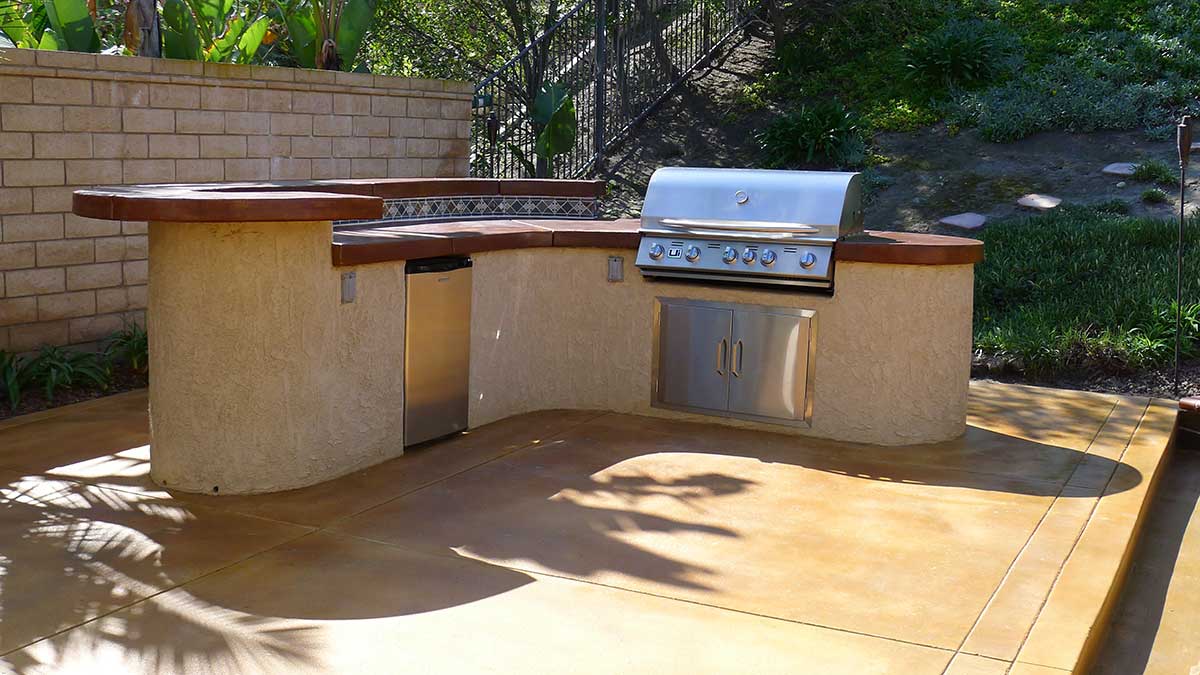
A fire pit vs outdoor kitchen choice comes down to what you want back from the money you spend. For many homeowners, property value matters, but so does the joy of using the yard. If you care most about resale value, the National Association of REALTORS® (NAR) outdoor remodeling report gives the edge to an outdoor kitchen. Its modeled kitchen recovered its full cost in estimated home value. The modeled fire feature recovered a little over half. But the report also shows why money is not the whole story. A well-placed fire pit can become the spot where people gather most nights.
In Orange County, the right choice also depends on the yard you have. A good backyard landscaping plan looks at the full space, not just one new feature. A kitchen needs room to cook and serve food. A fire feature needs room for seats and safe space around the flame. Both need good planning. Below, we compare outdoor kitchen ROI and fire pit ROI, explain the real cost drivers, and help you judge which project you may use more.
People often use ROI to mean how much of a project's cost comes back when the house sells. That is called cost recovery. But a home project can also pay off in other ways. You may use the yard more, host friends more often, or enjoy quiet nights outside.
A second type of value is buyer appeal. A neat outdoor feature may make a yard easier to picture as a place to live. That does not mean each buyer will pay more for it. A third factor is risk. Repairs, permits, fuel, and poor placement can all eat into the value you get.
You can work out a cost-recovery rate by dividing the value added to the home by the cost of the project, then multiplying by 100. If a project costs $10,000 and adds $7,000 in estimated home value, the recovery rate is 70%. That still leaves $3,000 of cost not recovered at sale.
Even a 100% estimated recovery rate is not a promise of profit. It does not count loan interest, upkeep, selling fees, or the value of your time. A local real estate agent or appraiser can help you judge likely buyer demand, but no national table can give an exact price for your home.
The strongest direct comparison comes from the 2023 NAR and National Association of Landscape Professionals (NALP) Remodeling Impact Report. Both features were scored with a common method. Landscape professionals gave cost estimates, and REALTORS® estimated resale value recovered.
| Measure in the NAR/NALP study | Outdoor kitchen | Fire feature |
| Modeled project cost | $15,000 | $9,000 |
| Estimated resale value recovered | $15,000 | $5,000 |
| Estimated cost recovery | 100% | 56% |
| Joy Score, out of 10 | 9.0 | 9.7 |
| Owners reporting more enjoyment at home | 71% | 78% |
| REALTORS® who advised adding it before a sale | 1% | 2% |
Source: NAR/NALP 2023 outdoor remodeling report. Figures are national estimates for specific projects, not local quotes or resale promises.
The study's kitchen had an inset grill, steel drawers, ice chest, sink, and a large concrete counter with stone facing. The fire project had a gas burner, a natural-stone fire kit, and a 10-foot-wide flagstone patio. This matters. The study was not comparing a small store-bought fire bowl with a full built-in kitchen.
The report used a standard home and lot in good shape. Actual costs and sale prices vary by area, design, materials, and the age of the home. Orange County homeowners should treat the findings as a guide to the trade-offs, not a fixed return.
A basic grill island is much different from a full food prep space. Even a small outdoor kitchen can have a grill, counter, and storage. Fixr's outdoor kitchen cost guide gives a typical national range of $6,000 to $30,000, with an average near $16,000. Angi's 2026 cost guide places its national average at $16,533, with many projects between $6,269 and $27,087.
Those price ranges are not bids for Orange County work. The total may go up if the yard needs a new slab, gas line, water supply, drain, shade cover, or more electrical work. A grill and counter near the house may need less new utility work than a kitchen built at the far end of the yard.
Fixr's fire pit cost guide lists a typical range of $300 to $1,400 for the simpler pits it covers. A large built-in gas fire feature can cost much more. Seating walls, paving, gas work, and site prep also add to the bill.
This is why a low-priced pit and the NAR fire project should not be treated as the same job. A full gathering area may need new hardscape paving, safe open space, and a path to the rest of the yard. Ask for a quote that lists the whole area, not just the burner or fire bowl.
Think about how often you make meals outside. If you already grill most weekends, an outdoor kitchen could make that habit easier. Food prep, storage, serving space, and a sink may cut down on trips back inside. Some households will use those features often. Others may use a large kitchen a few times each year.
There is also more to look after. A built-in grill needs cleaning and service. Outdoor cabinets and counters face sun and rain. Fridges, sinks, and other equipment may need repair or replacement. Your budget should cover this work long after the crew leaves.
A kitchen island can look great on a plan but make a small yard feel tight. For any landscape project, the clear walking space is as important as the size of the new feature. Leave space to open doors and drawers, move hot food, and walk past people who are cooking. Give guests a place to sit that is not in the cook's path.
If you need a smaller setup, a built-in BBQ and bar may suit the yard better than a full kitchen with a sink and fridge. The value comes from a layout that is easy to use, not from adding the most equipment.
The National Fire Protection Association reports that gas grills were involved in an average of 9,235 home fires each year from 2020 to 2024. It also says about one in five grill fires involved a grill that had not been cleaned.
The safety group advises keeping grills well away from the home, eaves, rails, and branches. Keep children and pets at least three feet from the grill, clean grease buildup, and do not leave a lit grill alone. Follow the grill maker's setup rules and local code for built-in units. A safe layout is worth more than a crowded one.
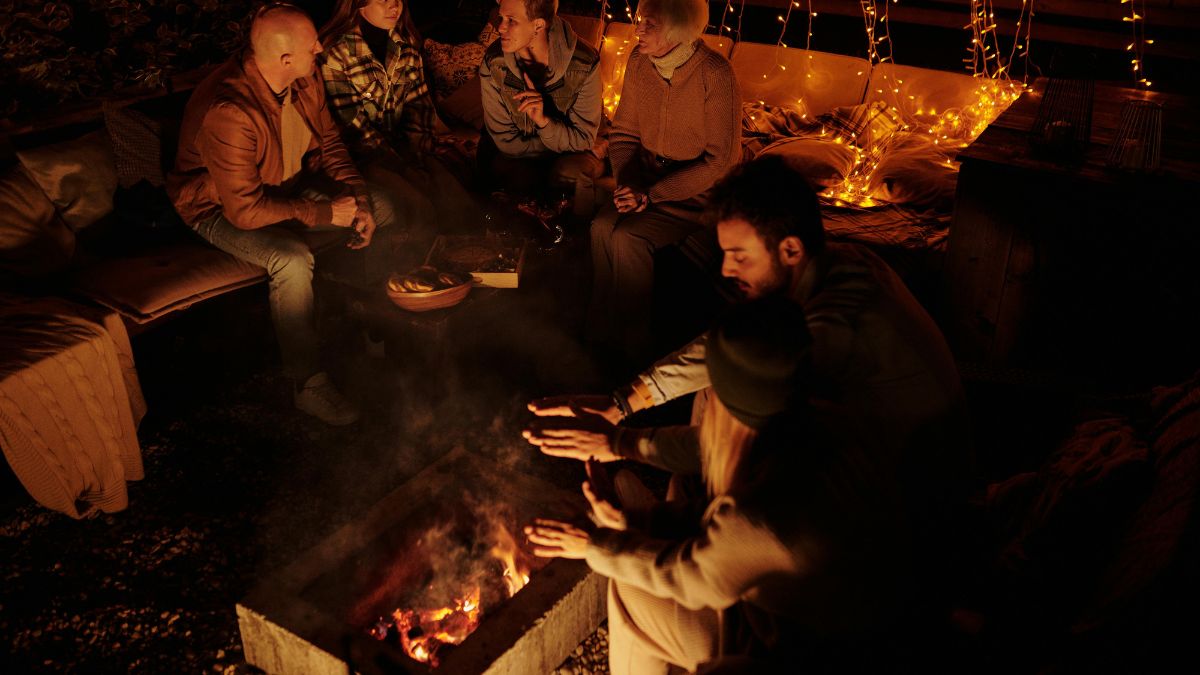
Not everyone wants to cook outside. Some people want a place to sit after dinner, talk, and enjoy cool nights. A fire feature can meet that need without a sink, fridge, or full food prep area. For a household that likes short evening visits outside, it may get used more often than a kitchen.
A fire area can also be part of a larger patio plan. Soft landscape lighting along nearby paths can help guests see where to walk after dark, without placing fixtures too close to heat. Seats should face each other without being too close to the flame. Walking paths should not cut through the seating area. The size of the yard and wind patterns matter as much as the look of the pit.
Wood fires bring smoke, ash, and wood storage. Gas and propane remove the need to handle logs but still need safe parts, service, and fuel. The U.S. Environmental Protection Agency says wood smoke contains fine particles that can harm air quality. It also notes that gas or propane can cut harmful air pollution compared with wood burning.
Check local burn rules before choosing a fuel. Smoke can bother people who live close by. Wind may also limit how often the fire area feels pleasant. For many homes, the right feature is the one that can be used with the least fuss and without bothering neighbors.
A fair hardscape ROI review should cover more than the first invoice. Site prep, utility runs, permits, fuel, cleaning, and future repairs all affect cost. Some bills are easy to miss when you first look at a pretty project photo.
| Cost or planning factor | Fire pit or fire feature | Outdoor kitchen |
| Surface work | Patio, fire-safe base, or seating area | Patio or slab, island base, and work paths |
| Utilities | Gas line for some models | Gas, power, water, and drain as needed |
| Main equipment | Burner, ignition, fire media | Grill, cabinets, sink, and optional fridge |
| Upkeep | Fuel, cleaning, covers, burner checks | Fuel, cleaning, repairs, and appliance care |
| Space needed | Seats plus safe room near the flame | Prep and cook zones plus guest paths |
| Main budget risk | Adding a full patio or gas line | Adding many appliances and utility runs |
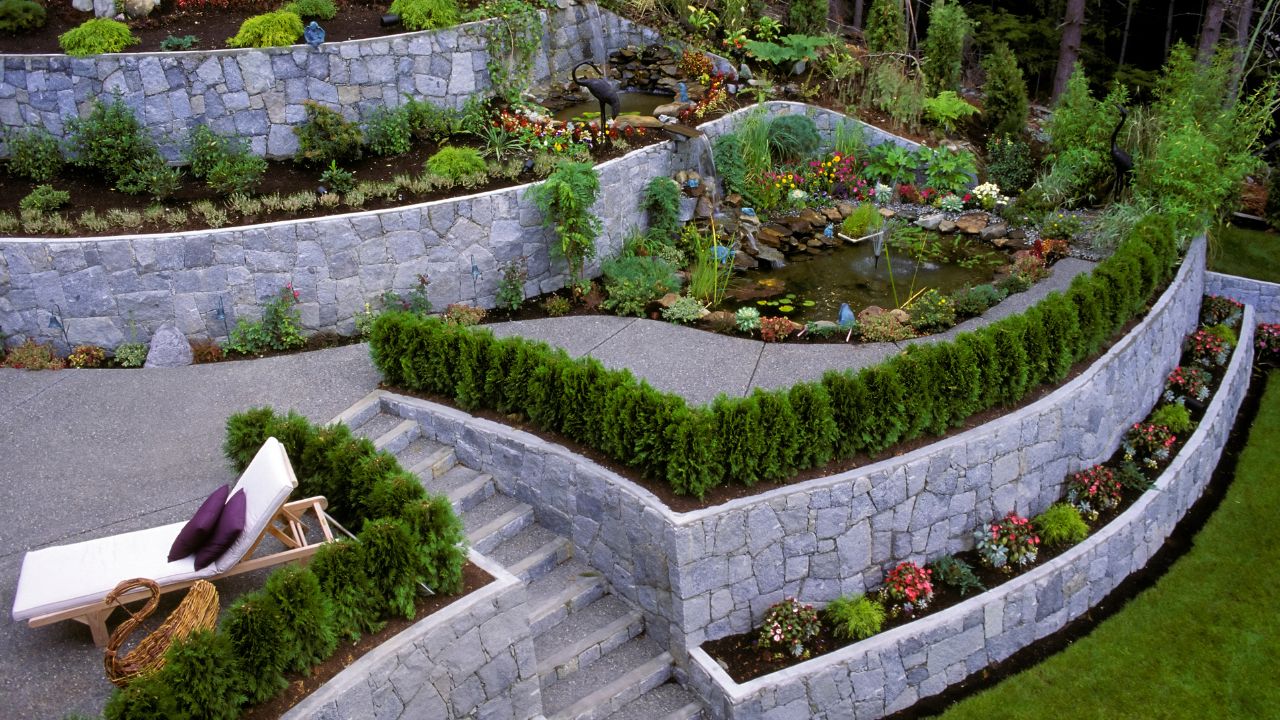
A well-built feature also has to match the home. Existing retaining walls, steps, and slopes can limit where you build, and any work that affects a wall holding back soil needs a qualified review. If the yard is small, one clear focal point can work better than two large projects. If the home already has a good patio and utility access, that may lower the amount of new work needed. Get a site plan before you set the final budget.
You can compare how often you may use each feature. Divide the project cost by the years you expect to live in the home. Then divide that amount by the number of times you expect to use it each year.
For example, take the NAR model costs and assume 10 years of use and 50 uses each year. That works out to $30 per use for the kitchen and $18 per use for the fire area. These are just examples. They do not include fuel, repairs, interest, or any value added when you sell. At fewer uses per year, the cost per use rises.
This is one way to think about return on entertainment: the cost of the space against how often it brings family and friends together. The point is simple: a feature you enjoy every week may feel more worthwhile than one you rarely touch. Use honest estimates rather than the number of parties you hope to host.
A yard has limits. A large kitchen may take space from a dining table, garden, or play area. A fire pit may look small on paper but still need a wide seating ring and clear paths. Try marking out the full size with tape or stakes before work starts.
In Orange County, permit needs depend on the city, work scope, gas and power connections, and any added structures. Your city or county government may handle approvals, depending on where the home sits. The local government building office is the right place to ask about a specific address. The California Contractors State License Board says permits are often required for building work, with local rules that vary. Check with your city or county building office, local fire authority, and HOA before work begins. Do not assume a project is exempt because it is outdoors.
A kitchen close to a suitable gas and power supply may be simpler to build than one across the yard. A fire feature near a safe patio may need less paving. But you should not guess about line size, routing, or safe clearances. A qualified pro must check the real site.
A full plan can also help the new work fit with paths, garden beds, drainage, and outdoor paving. That is important for how the yard looks and how easy it is to move through each day.
If you plan to stay for years, look at what your family will do outside each week. A household that cooks and eats outdoors may get much more from a kitchen. A household that wants a simple place for talks after dark may prefer a fire feature. Neither choice is wrong if it fits your habits.
If you want to sell soon, be more careful. The effect on property value is not the same in every part of Orange County. In the NAR study, very few REALTORS® advised adding either project just before a sale. Talk with a local real estate pro before you spend money for resale alone. A clean, usable yard may matter more to buyers than one costly new feature.
A feature can lose some appeal if it takes over the whole yard. You still need room for plants, paths, and places to sit. Pick materials that work with the home and nearby paving. Consider how new landscape lighting might serve paths and dining areas, and whether retaining walls will affect the layout. Think about what the next owner may want to keep or care for.
It can help to view completed outdoor projects to see how different sizes of features work with patios and planting. Use those examples to judge scale, not as proof of how much a project will add to resale price.
The main difference is how you use the space. An outdoor kitchen is a work zone for meals and guests. A fire feature is often a place to pause and talk. Your choice should start there, before you add up the parts and finishes.
For a cook who hosts often, an outdoor kitchen may justify its higher cost. For someone who wants a calmer place to sit at night, a fire feature may offer more value for less money. If the yard is too small or utility work is too costly, it may be wise to build a good patio first and save the feature for later.
Ask for plans and prices that include the full project. Compare a full fire area with a full kitchen, not a small pit with a large grill island. A clear scope makes any ROI comparison far more useful.
If you are weighing a fire area against an outdoor kitchen, Signature Landscape can help you look at both options for your yard. We plan and build fire pits, outdoor kitchens, and related hardscape features for Orange County homes. We can discuss space, layout, materials, and what you want to spend. Request a free quote to explore a plan that works for how you live outside.
In NAR's 2023 national study, a modeled outdoor kitchen had a higher estimated cost-recovery rate than a modeled fire feature. That does not mean every kitchen adds more value to every home. Project size, local buyers, build quality, and the rest of the yard all matter. Ask a local real estate professional for a view of your home before you build for resale.
A simple gas fire pit often costs less than a full kitchen. But a fire area with new paving, gas work, and seating can be a much larger project. An outdoor kitchen can also range from a small grill island to a large food prep space. Compare quotes with the same level of detail before you decide.
There is no single life span for every outdoor kitchen. Weather, materials, use, and care all affect how long parts last. A counter may last longer than a fridge or grill. Leave room in your budget for cleaning, repairs, and future parts.
You may need approval based on the fuel source, gas work, location, and city rules. HOA and fire rules may apply as well. Do not use a general distance rule as a substitute for the rules at your home. Check with the local building office and fire authority before you start.
The answer depends on how people will move through the yard. A fire pit needs safe room around the flame and seats. A kitchen needs room to cook, serve, and walk past equipment. A compact plan may work, but either feature can make a yard feel crowded if it is too large.
Schedule A Consultation