Call our Professional Contractors!
(949) 859-9969
Building a pool in Orange County requires understanding permit requirements, HOA rules, and safety regulations before construction begins. From swimming pool design to final installation, the pool permits process involves multiple approval stages, with timelines varying by city and project complexity.
Homeowners must navigate building codes, safety standards, and HOA design restrictions to ensure compliant construction. Proper planning prevents costly delays and ensures the build process proceeds without regulatory obstacles.
Key Takeaways
Pool permits ensure construction meets state and federal safety standards established by the Virginia Graeme Baker Pool and Spa Safety Act. These regulations protect homeowners and pool users from preventable accidents through mandatory safety features.
Orange County pools must comply with structural, electrical, and plumbing codes that govern every aspect of installation. Permit oversight verifies that contractors follow approved plans and use proper materials throughout construction.
Permits are universally required for new inground pools—including gunite pools, fiberglass pools, and custom pools—as well as pool renovations and major remodels involving structural changes, spa additions, and associated electrical or plumbing work. Permit requirements vary by pool type, and above-ground pools require permits if they exceed 18 inches in depth or 5,000 gallons in capacity.
Most residential pool projects require multiple permits covering excavation, plumbing, electrical systems, and structural components. Building departments review plans to verify compliance before issuing approval for construction to begin.
Pool safety barriers must have a minimum height of 5 feet to prevent unsupervised access. Self-closing and self-latching gates are mandatory on all enclosures surrounding pool areas.
Pool alarms on home doors leading to pool areas are required to alert homeowners when access occurs. Anti-entrapment drain covers are mandatory, and electrical bonding and grounding for all equipment are strictly enforced.
HOA rules create additional approval layers beyond municipal permits, affecting design choices and construction timelines. Many communities restrict pool placement, size, equipment visibility, and aesthetic features through architectural review committees.
Homeowners must submit detailed plans to HOAs before applying for building permits in most planned communities. Understanding contractor selection criteria helps homeowners identify professionals experienced with local HOA requirements.
The timeline for pool permit approval varies based on project complexity and city processing capabilities. Simple residential pools typically require 2 to 4 weeks for approval, while complex builds can take 4 to 8 weeks.
Electronic submittal systems have accelerated review times in several Orange County cities. Properties in historic districts face longer review periods due to additional architectural oversight requirements.
Simple residential pools require 2 to 4 weeks for approval, while complex or custom builds take 4 to 8 weeks. Plan revisions and resubmissions extend timelines when initial applications fail to meet code requirements.
Building departments conduct multiple reviews covering structural, plumbing, electrical, and safety components before issuing permits. Incomplete applications or missing engineering documentation cause the most common delays.
Irvine and Newport Beach average 3 to 4 weeks, utilizing electronic submittal portals that streamline review processes. Anaheim offers same-day permits for simple projects meeting standard requirements without design modifications.
Properties in historic districts may face 6 to 8 weeks of review due to additional architectural standards. City-specific fee schedules and review protocols create significant variation in processing times across Orange County.
Budget pool permit costs total approximately USD 2,550, mid-range projects cost USD 4,850, and premium builds reach USD 8,200. These costs include permit applications, plan check fees, engineering plans, electrical permits, plumbing permits, and HOA approval fees.
Expedited processing services add USD 500 to USD 1,000 to standard permit costs. Reducing pool construction expenses requires understanding which permit components are negotiable and which are mandated by code.
HOA rules govern aesthetic standards, equipment placement, construction hours, and ongoing maintenance requirements for pools. Most associations require architectural review committee approval before homeowners submit municipal permit applications.
Violations of HOA pool regulations result in fines, construction stop orders, and potential removal requirements. HOA covenants typically restrict pool visibility from streets, equipment noise levels, and fence materials.
HOAs commonly restrict pool size relative to lot coverage, requiring pools to occupy no more than specific percentages of backyard space. Many associations mandate specific fence styles, colors, and heights that differ from municipal minimums.
Equipment screening requirements force homeowners to conceal pumps, heaters, and filters using landscaping or architectural barriers. Some communities prohibit certain pool finishes, tile colors, water features, or decorative elements that conflict with neighborhood aesthetic standards.
Homeowners must submit detailed plans, including site surveys, elevation drawings, material specifications, and equipment locations, to architectural review committees. Most HOAs require 30 to 45 days for review, with decisions communicated through formal written notices.
Committees frequently request modifications to initial plans before granting approval. Homeowners may need to attend committee meetings to present plans and address neighbor concerns.
HOA review fees range from USD 100 for basic residential pools to USD 500 for luxury installations requiring extensive documentation. Some associations charge annual compliance inspection fees to verify that pools maintain approved conditions.
Modification requests for approved plans trigger additional review fees. Communities with restrictive covenants charge higher fees reflecting increased administrative oversight.
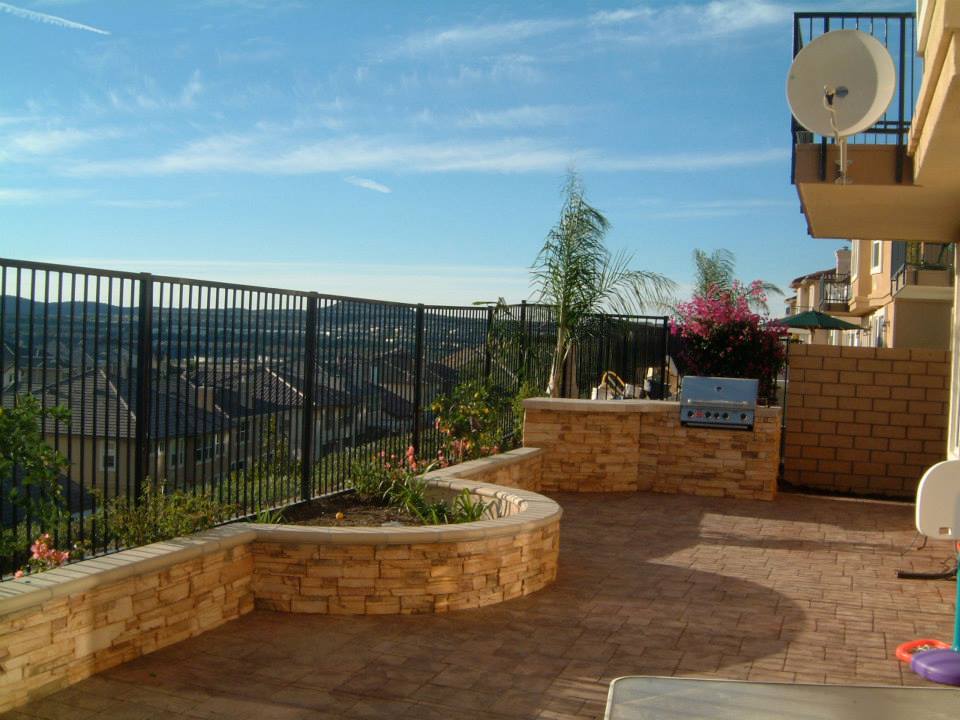
Retaining walls often become necessary when pool construction requires grading changes on sloped properties. Retaining wall installations create level areas for pool placement while managing soil erosion and water drainage.
Wall height determines permit requirements, with structures exceeding 4 feet requiring engineering regardless of location. Protection from water damage becomes critical when pools sit near structures on hillside properties.
Walls under 3 feet in height do not require permits unless located in front setbacks where visibility and safety standards apply. Walls exceeding 4 feet universally require both permits and professional engineering documentation.
Any wall supporting a surcharge load, such as a driveway or structure, or crossing property lines, mandates engineering oversight regardless of height. Selecting qualified retaining wall contractors ensures proper permit acquisition and code compliance.
Basic engineering schedule costs USD 900, while complex seismic designs exceed USD 2,100 for hillside applications. Structural engineer consultations range from USD 350 to USD 800 per project, with hourly rates between USD 70 and USD 250.
Gabion walls cost USD 300-450 per linear foot, while natural stone installations reach USD 700-900+ per linear foot. Material selection affects drainage performance, seismic resistance, and long-term durability in Orange County soil conditions.
California seismic design requirements mandate specific steel rebar reinforcement patterns, cantilevered concrete designs, and geogrid reinforcement layers. Clay-heavy hillside terrain expands when wet and contracts when dry, creating variable pressure on structures.
Inadequate drainage significantly increases hydrostatic pressure, which is the primary cause of retaining wall failure. Engineering specifications must account for earthquake loads, soil expansion coefficients, and water management systems.
Contractor verification protects homeowners from unlicensed operators and ensures adequate insurance coverage throughout construction. The Contractors State License Board regulates more than 285,000 active licenses across 45 distinct classifications.
Verification processes include confirming active licenses, reviewing insurance certificates, and checking disciplinary histories. Unlicensed operators pose significant risks, as homeowners bear liability for injuries and property damage without proper coverage.
Homeowners must obtain the contractor's license number and verify license status via the CSLB website, ensuring it is active and matches the specific scope of work. Verification of mandatory insurance coverage includes General Liability Insurance and Workers' Compensation Insurance.
Reviewing CSLB complaint disclosure provides insight into disciplinary history and outstanding violations. A C-53 license is required specifically for swimming pool construction in California.
Unlicensed operators pose risks to homeowners through inadequate construction practices and code violations. Missing insurance coverage creates liability exposure when worker injuries or property damage occur during construction.
General liability insurance protects homeowners from third-party claims arising from construction activities. Workers' compensation insurance covers medical costs and lost wages for injured contractors or subcontractors.
Basic third-party verification services cost USD 50-150 and include insurance verification and online background checks. Comprehensive verification reaches USD 550, covering legal action searches, bond verification, and detailed licensing history.
Free DIY methods using the CSLB website provide basic license status information. Premium monitoring services add USD 200+ annually for ongoing alerts about license changes, complaints, and insurance lapses.
Homeowner priorities in contractor selection reflect concerns about pricing transparency, communication quality, and verifiable credentials. When evaluating pool builders, survey data from over 150,000 homeowners reveals clear patterns in decision-making factors.
Demographics influence adoption rates for permits, verification services, and contractor selection methods. Understanding these priorities helps homeowners align expectations with contractor capabilities during project planning.
Pricing remains the dominant factor, with 65.78% of respondents citing it as very important in contractor selection decisions. Warranty and guarantees rank second at 15.89%, followed by availability at 11.07% and expertise at 10.29%.
Cost transparency and detailed quotes influence hiring decisions more than contractor reputation. Homeowners prioritize contractors who provide itemized estimates, breaking down labor, materials, and permit costs.
Pushy sales tactics cause 37.93% of homeowners to reject contractors immediately. Unclear quotes lead to rejection by 32.6% of homeowners, and poor communication skills eliminate 31.42% of candidates.
Lack of license verification causes 28.5% of homeowners to reject contractors. Missing insurance eliminates 26.8% of candidates from consideration, regardless of pricing or project experience.
Peak adoption for pool permits occurs in the 45-54 age demographic at 42%, correlating with higher income levels and established homeownership. Peak adoption for retaining wall permits occurs in the 45-54 age demographic at 38%.
Contractor verification services see the highest adoption among the 35-44 age group at 52%, indicating a strong preference for digital due diligence. Younger homeowners prioritize online reputation and verifiable credentials over referrals and traditional vetting methods.
Successfully building a pool in Orange County requires coordinating municipal permits, HOA approvals, and contractor verification into a unified project plan. Understanding timelines, costs, and regulatory requirements prevents delays and ensures code-compliant construction of backyard pools from design through final inspection.
Professional Orange County pool design services integrate permit acquisition, HOA coordination, and construction management into streamlined project delivery. Homeowners benefit from working with Orange County specialists who understand local building codes, soil conditions, and seismic requirements that affect both pools and supporting structures.
Signature Landscape brings 38+ years of Orange County-specific experience to pool construction projects as trusted pool builders, ensuring proper permit acquisition, code compliance, and quality craftsmanship throughout the build process. Customer satisfaction drives every project, and our licensed contractors with proven track records deliver builds that meet safety standards while enhancing property value and outdoor living functionality.
Signature Landscape has been designing and building custom pools, backyard pools, and complete outdoor living spaces across Orange County since 1989. Whether you’re planning inground pools with water features, gunite pools, fiberglass pools, or pool renovations for an existing space, our team handles every step—from swimming pool design and HOA submissions to permits and construction. With 1,000+ happy clients and 150+ five-star reviews, our commitment to customer satisfaction is built into every project we deliver. Request a free consultation to discuss your pool project requirements and receive detailed guidance on permits, timelines, and construction considerations specific to your property.
Schedule A Consultation