Call our Professional Contractors!
(949) 859-9969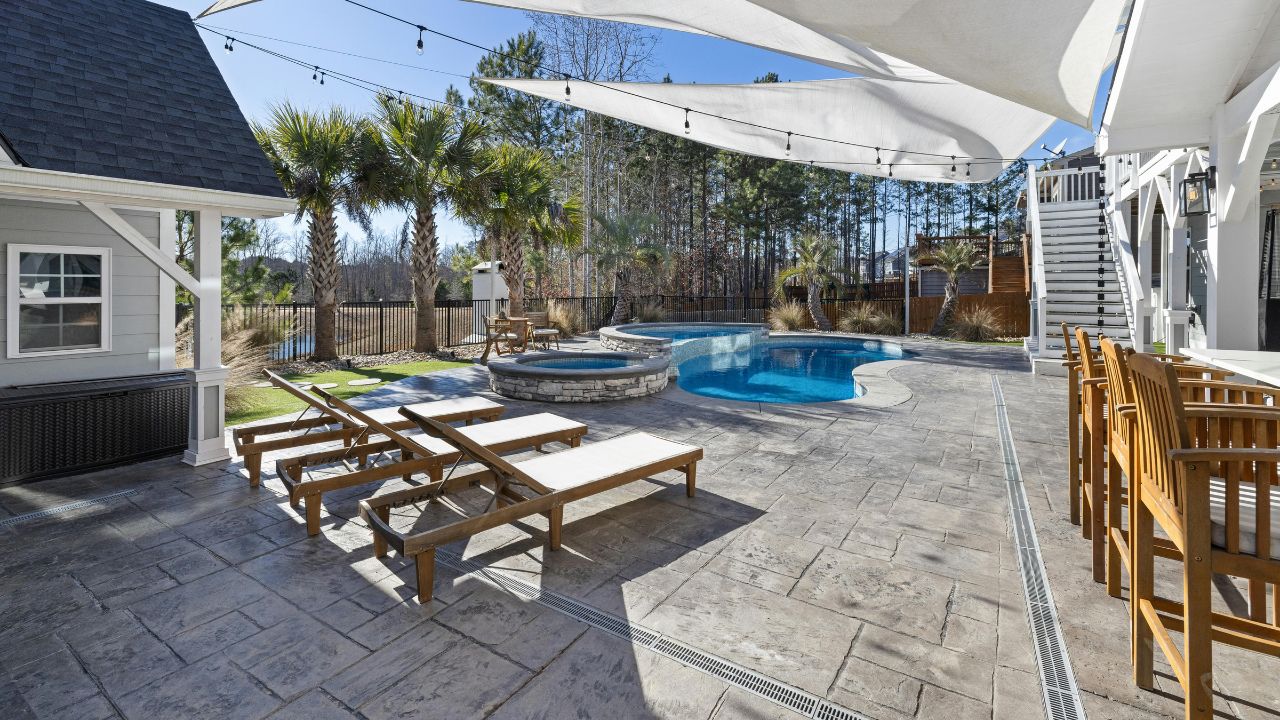
Selecting the right patio materials determines both the aesthetic appeal and functional longevity of outdoor living spaces in Orange County. The region's coastal climate, strict environmental regulations, and year-round outdoor lifestyle create unique requirements for material comparison across pavers, flagstone, and concrete tile options. This guide covers the full range of products available to homeowners, with comprehensive cost analysis, durability data, and regional considerations for exploring design ideas and making informed decisions about outdoor flooring installations.
Orange County's diverse communities present distinct challenges that influence material selection from coastal Newport Beach to inland Anaheim. Understanding how climate resilience, maintenance demands, and regulatory compliance affect each material type ensures optimal return on investment. The global hardscape service market reached $17.93 billion in 2025 and continues growing at 3.2% annually, reflecting increased consumer focus on premium outdoor environments.
Key Takeaways
Concrete pavers dominate the Orange County patio market with costs ranging from $15.00 to $25.00 per square foot installed. These modular units deliver 25-50 years of durability while requiring only annual sealing for maintenance. The residential segment accounts for 38% of the concrete paver market share, driven by versatility in colors, patterns, and the ability to replace individual units without full reconstruction.
Homeowners prioritize pavers for their exceptional customization options and proven performance in Southern California's climate. Standard concrete pavers provide excellent value, while permeable versions address stormwater management requirements. These specialized systems allow water infiltration through joints into prepared sub-bases containing a minimum of 10 inches of open aggregate with geotextile fabric.
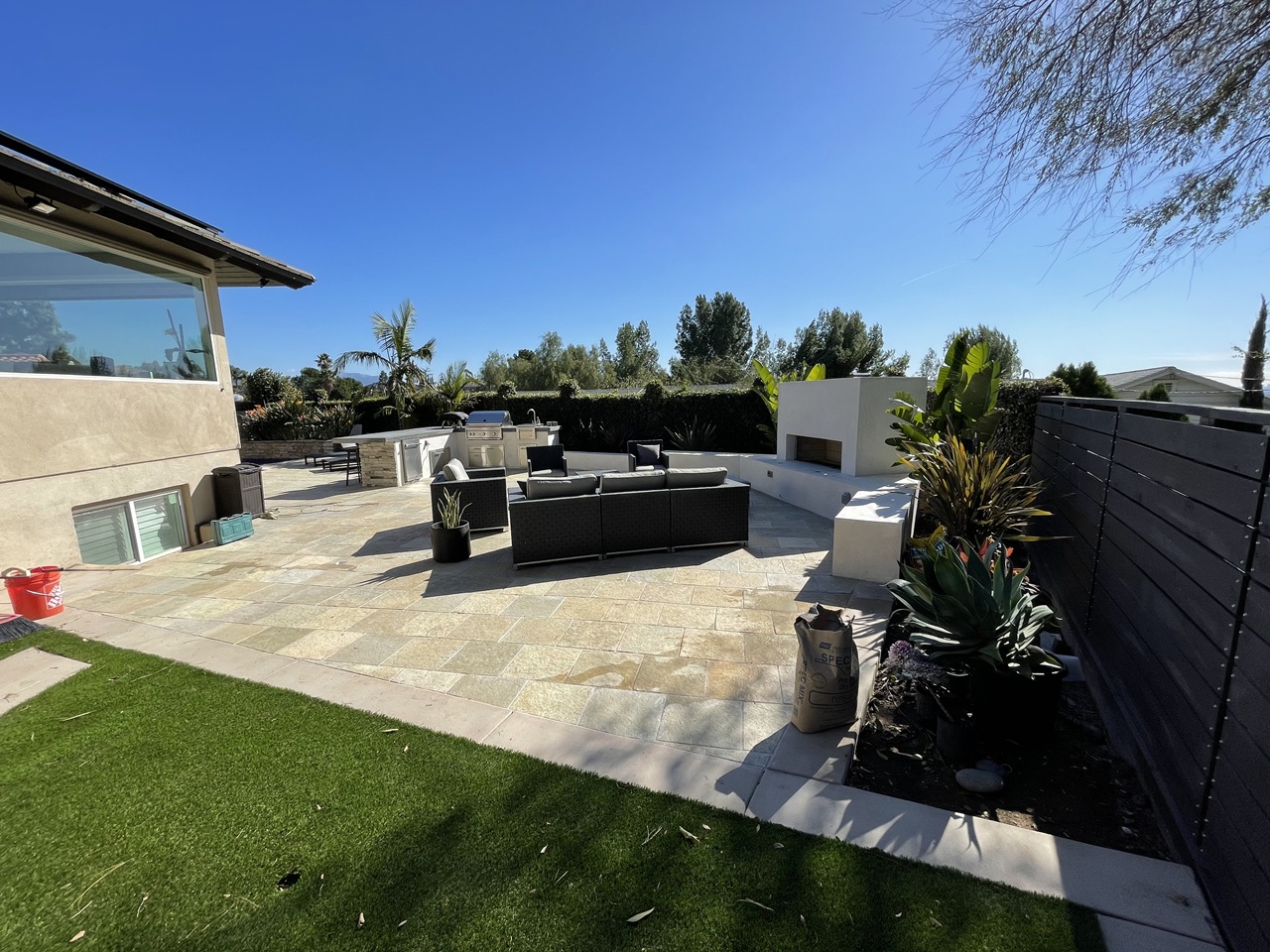
Flagstone represents the premium natural stone tiles option with costs between $24.00 and $32.00 per square foot. This material offers the longest durability at 50+ years with minimal maintenance beyond occasional resealing. The irregular shapes create distinctive organic aesthetics that appeal to coastal urban homeowners seeking high-end outdoor flooring solutions.
Professional flagstone installation requires specialized expertise due to irregular cutting and precise fitting requirements. Each piece must be carefully selected and positioned to ensure proper drainage and structural stability. The material's natural porosity and heat resistance make it particularly suitable for Orange County's sun-exposed environments where surface temperatures affect comfort.
Poured concrete delivers the most economical solution at $6.00 to $15.00 per square foot with 30-40 years expected durability. This material requires minimal maintenance but remains susceptible to cracking over time from soil settlement or thermal expansion. The clean appearance and quick installation make concrete popular for larger suburban patios where budget considerations outweigh aesthetic complexity.
Porcelain tile commands premium pricing between $25.00 and $50.00 per square foot with a 25-30+ years lifespan. Large-format porcelain tile and ceramic tile deliver a uniform appearance with excellent slip resistance, making them ideal floor tile choices for pool decks and outdoor kitchens. Both are considered quality tiles that require a concrete substrate, adding complexity but delivering easy-clean surfaces that resist staining from food and beverages.
Newport Beach and Laguna Beach residents favor premium materials reflecting smaller lot sizes and higher property values. These coastal communities invest more per square foot in natural stone tiles and porcelain tile installations. Vertical design approaches maximize limited space while incorporating permeable paving benefits to satisfy strict coastal environmental regulations.
Proximity to ocean environments requires materials resistant to salt air corrosion and moisture infiltration. Multi-use outdoor spaces incorporate built-in seating, planters, and fire features within compact footprints. Homeowners prioritize aesthetics and sustainability equally, often selecting materials that reduce urban heat island effects while maintaining a resort-style appearance.
Irvine and Anaheim properties feature larger lot sizes supporting expansive entertainment spaces with concrete pavers as the preferred material. Suburban homeowners allocate square footage to full outdoor kitchens, covered structures, and dedicated fire pit areas. The focus shifts from space efficiency to creating comprehensive outdoor living environments that extend usable square footage year-round.
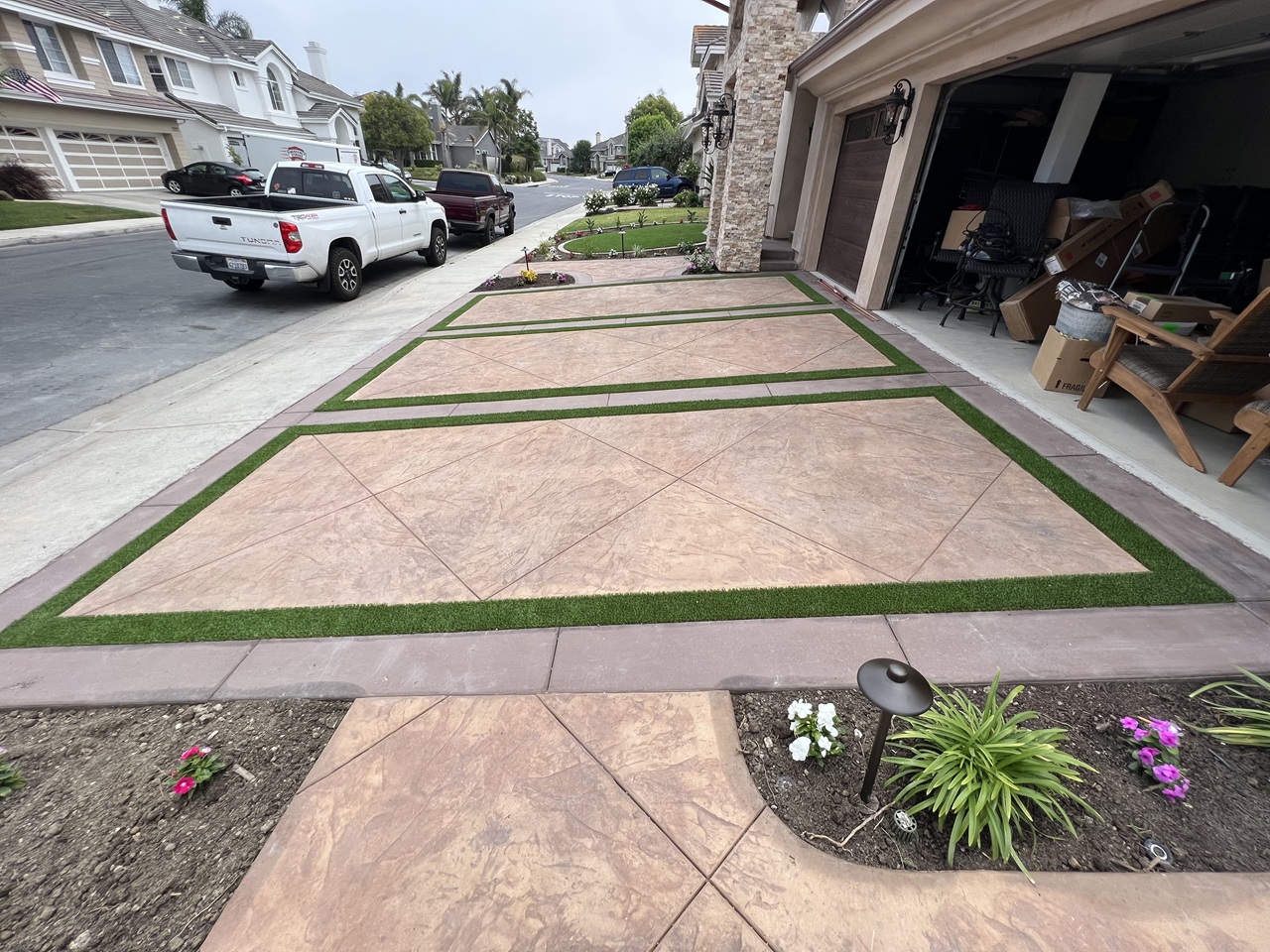
Mixed-material hardscaping combines concrete pavers with decorative borders and concrete sitting walls for functional definition. Inland locations experience higher temperature variations, requiring materials that withstand thermal cycling without cracking. Cost-effectiveness drives material selection as larger surface areas magnify per-square-foot pricing differences across hundreds of square feet.
Millennials represent approximately 850,000 Orange County residents, driving demand for outdoor kitchens, with 37% expressing a strong preference. This demographic prioritizes fire features at 35% adoption and emphasizes environmental impact considerations. Sustainable materials and water-efficient landscaping integration align with millennial values while creating functional entertainment zones.
Generation X homeowners show the highest interest in upgraded lighting systems at 38% adoption rates for enhanced evening functionality. Baby Boomers comprise 14% of the current Orange County population, with projections reaching 23-29% by 2060. This demographic prioritizes accessibility with smooth surfaces like concrete or expertly laid pavers, favoring comfortable seating areas over elaborate cooking installations.
Consumer research identifies maintenance requirements as a critical factor for 65% of homeowners evaluating patio materials. Concrete pavers require annual sealing but allow selective replacement if damage occurs without full reconstruction. Flagstone demands expert installation upfront but delivers minimal ongoing maintenance beyond occasional cleaning and resealing every several years.
Asphalt represents the lowest-cost entry at $4.00 to $12.00 per square foot but incurs the highest long-term maintenance. This material requires seal coating every 2-3 years, with only 15-20 years expected durability. Ceramic tile and porcelain tile need regular cleaning but resist staining, while poured concrete requires minimal attention until cracking develops from structural movement or weathering.
Durability ranks as the top priority for 71% of consumers making hardscape purchase decisions alongside aesthetics. Concrete pavers and flagstone deliver superior longevity, exceeding 25-50 years with proper installation and maintenance. The global hardscape service market, valued at $17.93 billion in 2025, demonstrates growing recognition of outdoor space investment returns.
Market growth from $14.75 billion in 2021 toward a projected $23.0 billion by 2035 reflects increasing consumer focus on durable outdoor living enhancements. Initial material costs represent only a portion of total ownership expenses when maintenance and replacement cycles factor into calculations. Premium materials like flagstone and quality pavers justify a higher upfront investment through extended lifespan and reduced intervention requirements.
Permeable pavers cost 10-20% higher than standard pavers at $20-$30 per square foot installed. These systems meet increasingly strict stormwater compliance standards strongly encouraged or mandated across Orange County municipalities. Water infiltration through joints into prepared sub-bases reduces runoff while filtering pollutants before reaching municipal systems.
Installation requires specialized sub-base preparation with a minimum of 10 inches of open aggregate and geotextile fabric. Some installations incorporate drain pipes for enhanced water management in heavy rainfall events. The environmental benefits extend beyond regulatory compliance by reducing flooding risk and mitigating urban heat island effects through improved soil moisture retention.
Most Orange County municipalities require permits for patio installations, regardless of size, to ensure drainage and setback compliance. Understanding Orange County hardscaping permits prevents project delays and ensures code adherence. Driveways over 100 square feet automatically trigger permit requirements, along with any structural additions.
Retaining walls exceeding 4 feet require stamped engineer calculations from licensed professionals. Fire features over 6 feet or gas-connected installations need separate permits addressing safety standards. Outdoor kitchens require simultaneous building, plumbing, and electrical permits coordinated through comprehensive plan submissions demonstrating code compliance across all systems.
Projects must demonstrate pre- and post-construction water flow, ensuring proper direction away from structures. Water cannot pool on the property or drain onto neighboring parcels without appropriate management systems. Permeable surfaces gain preference for meeting stormwater runoff reduction goals while maintaining functional outdoor spaces.
Drainage plans require professional engineering to satisfy municipal requirements and prevent future property damage. Coastal zone projects may require additional California Coastal Commission review, adding complexity to approval timelines. Proper drainage installation during initial construction prevents costly remediation and protects long-term material integrity.
Initial plan checks take 15 business days, with corrections requiring an additional 10 days for resubmission review. Complex projects involving grading or structural engineering can extend approval timelines to 4-6 weeks. Homeowner association architectural reviews must be completed before city submission, consuming up to 45 days for design approval.
Coastal zone projects face extended review periods when California Coastal Commission involvement becomes necessary. Applicants should anticipate 2-3 months' lead time from initial design to construction authorization for comprehensive outdoor living projects. Professional contractors familiar with local jurisdictions expedite approvals through proper documentation and established relationships with review officials.
Orange County's climate requires UV-resistant materials capable of withstanding intense sun exposure without fading or degrading. Temperature variations between coastal and inland areas influence thermal expansion characteristics, affecting crack resistance. Professional evaluation of sun exposure patterns, climate resilience needs, and existing drainage configurations informs appropriate material selection.
Light-colored materials reflect heat, reducing surface temperatures for barefoot comfort during summer months. Dark materials absorb heat, potentially creating uncomfortable conditions, but extend evening warmth retention. Selecting patio construction services with regional experience ensures climate-appropriate recommendations, balancing aesthetics with functional performance requirements.
Consumer priorities show 71% value aesthetics and 69% prioritize comfort when designing outdoor spaces. High-traffic entertainment areas favor durable concrete pavers or poured concrete, withstanding frequent use and furniture movement. Aesthetic-focused spaces benefit from natural flagstone or porcelain tile delivering visual impact as the primary consideration.
Defining primary function before material selection optimizes performance and satisfaction outcomes. Cooking zones require heat-resistant, stain-resistant surfaces like quality tiles such as porcelain or sealed natural stone. Seating and lounging areas prioritize texture and temperature moderation for barefoot comfort throughout extended periods.
Improper installation represents the leading cause of hardscape failure regardless of material quality. Base preparation, drainage integration, and proper compaction determine structural integrity, preventing premature settling or cracking. Licensed contractors ensure code compliance while applying proven installation techniques developed through years of regional experience.
Professional installation protects material investment through proper technique application and warranty coverage. Experienced installers recognize soil conditions, drainage requirements, and climate considerations affecting long-term performance. The additional cost of professional services prevents expensive remediation from amateur installation mistakes that compromise structural stability.
Budget outdoor kitchens range from $5,000 to $10,000, featuring basic grills with simple prep areas and minimal storage. Mid-range installations between $10,000 and $20,000 incorporate quality built-in appliances, natural stone countertops, and basic shade structures. These configurations satisfy most entertaining needs while maintaining reasonable cost controls.
Premium outdoor kitchens exceeding $30,000 include full appliance suites with pizza ovens, smokers, and refrigerators. High-end granite countertops, extensive cabinetry, and covered structures with integrated lighting create resort-quality environments. Material selection for surrounding patio areas must complement kitchen aesthetics while providing appropriate traffic flow and functionality.
Fire features, seating walls, and built-in elements require coordinated material selection, ensuring visual cohesion across outdoor spaces. Natural stone fire pits pair effectively with flagstone patios, creating organic aesthetic continuity. Concrete pavers offer color-matching options for borders and accent areas, complementing various feature materials.
Heat exposure from fire features and cooking appliances demands materials resistant to thermal stress and discoloration. Surrounding surfaces must drain properly, preventing water accumulation near fire elements or cooking zones. Style consistency between patio materials and complementary features enhances overall design impact while simplifying future maintenance through unified treatment approaches.
Outdoor kitchens deliver 70-80% return on investment when properties sell in Orange County's competitive real estate market. A recent Newport Beach project invested $26,500 in a backyard transformation, achieving 75% ROI through enhanced property valuation. The installation featured a custom outdoor kitchen with granite countertops, a built-in grill, a covered pergola with integrated lighting, and a fire pit with seating wall.
Comprehensive outdoor living spaces appeal to buyers seeking turnkey entertainment solutions without additional construction. Quality materials and professional installation demonstrate property care, attracting premium offers during sale negotiations. The investment extends beyond financial returns by enhancing daily lifestyle enjoyment throughout ownership years.
Environmental regulations and consumer awareness drive the adoption of sustainable patio materials, reducing ecological impact. Permeable pavers address stormwater management while supporting drought-tolerant landscaping integration popular throughout Southern California. These systems reduce municipal infrastructure burden by managing water on-site rather than overwhelming drainage networks.
Heat mitigation through light-colored materials and permeable surfaces reduces urban heat island effects in densely developed areas. Recycled content pavers and locally sourced natural stone minimize transportation emissions, supporting environmental responsibility. Sustainability considerations align with property value enhancement as environmentally conscious buyers prioritize green building features.
Natural flagstone delivers an organic, high-end appearance appealing to luxury market segments prioritizing unique character. Concrete pavers offer controlled uniformity with extensive color and pattern options satisfying diverse design preferences. Porcelain tile and ceramic stone provide contemporary, clean lines popular in modern architectural styles, emphasizing minimalist aesthetics.
Texture variations affect visual impact, with smooth surfaces creating a formal appearance while textured options suggest casual comfort. Mixed-material installations combine complementary products, defining functional zones through visual differentiation. Regional aesthetic trends favor Mediterranean and contemporary styles incorporating neutral earth tones with strategic accent colors.
Light-colored materials reflect solar radiation, reducing surface temperatures by 20-30 degrees compared to dark alternatives. Heat mitigation improves comfort during peak summer months when outdoor entertaining peaks across Orange County. Permeable surfaces support vegetation integration and moisture retention, cooling surrounding environments through evapotranspiration.
Strategic shade structure placement combined with heat-resistant materials creates comfortable outdoor environments during afternoon hours. Material selection considering thermal properties extends usable hours throughout days while reducing cooling demands for adjacent indoor spaces. Urban heat mitigation benefits extend beyond individual properties by contributing to community-wide temperature reduction in developed areas.
Successful material selection requires a comprehensive cost-benefit analysis weighing upfront installation costs against long-term maintenance and replacement expenses. Concrete pavers and flagstone justify premium pricing through extended durability and minimal intervention requirements over decades. Budget-conscious options like poured concrete serve immediate needs but may require earlier replacement, affecting total ownership costs.
Professional guidance ensures material choices align with functional requirements, aesthetic goals, and regulatory compliance throughout Orange County's diverse communities. Climate considerations, demographic preferences, and regional adoption patterns inform decisions optimizing both immediate satisfaction and long-term value retention. Baby Boomers, projected to reach 23-29% by 2060, will increasingly influence market preferences toward accessibility and low-maintenance solutions.
Signature Landscape brings 38+ years of Orange County experience to material selection and installation projects. Understanding hardscape maintenance requirements helps homeowners protect their investments through proper care protocols. The combination of quality materials, expert installation, and ongoing maintenance delivers outdoor living spaces that enhance property value while providing decades of enjoyment.
Choosing the right patio surface is just the beginning. At Signature Landscape, we work with homeowners across Orange County to select and install the ideal materials for each property—whether that’s natural stone tiles, large-format porcelain, ceramic tile, or classic concrete pavers.
Our team guides you through a full range of products and design ideas, matching your outdoor space to your lifestyle, your home’s architecture, and the demands of the coastal California climate. With 38+ years of local experience and over 1,000 satisfied clients, we deliver installations built to look exceptional for decades. Call us today or request a free consultation to start planning your perfect outdoor space.
Ready to transform your outdoor space with the perfect patio materials? Request a free consultation to explore customized solutions designed for your property's unique requirements and your lifestyle goals.
Schedule A Consultation