Call our Professional Contractors!
(949) 859-9969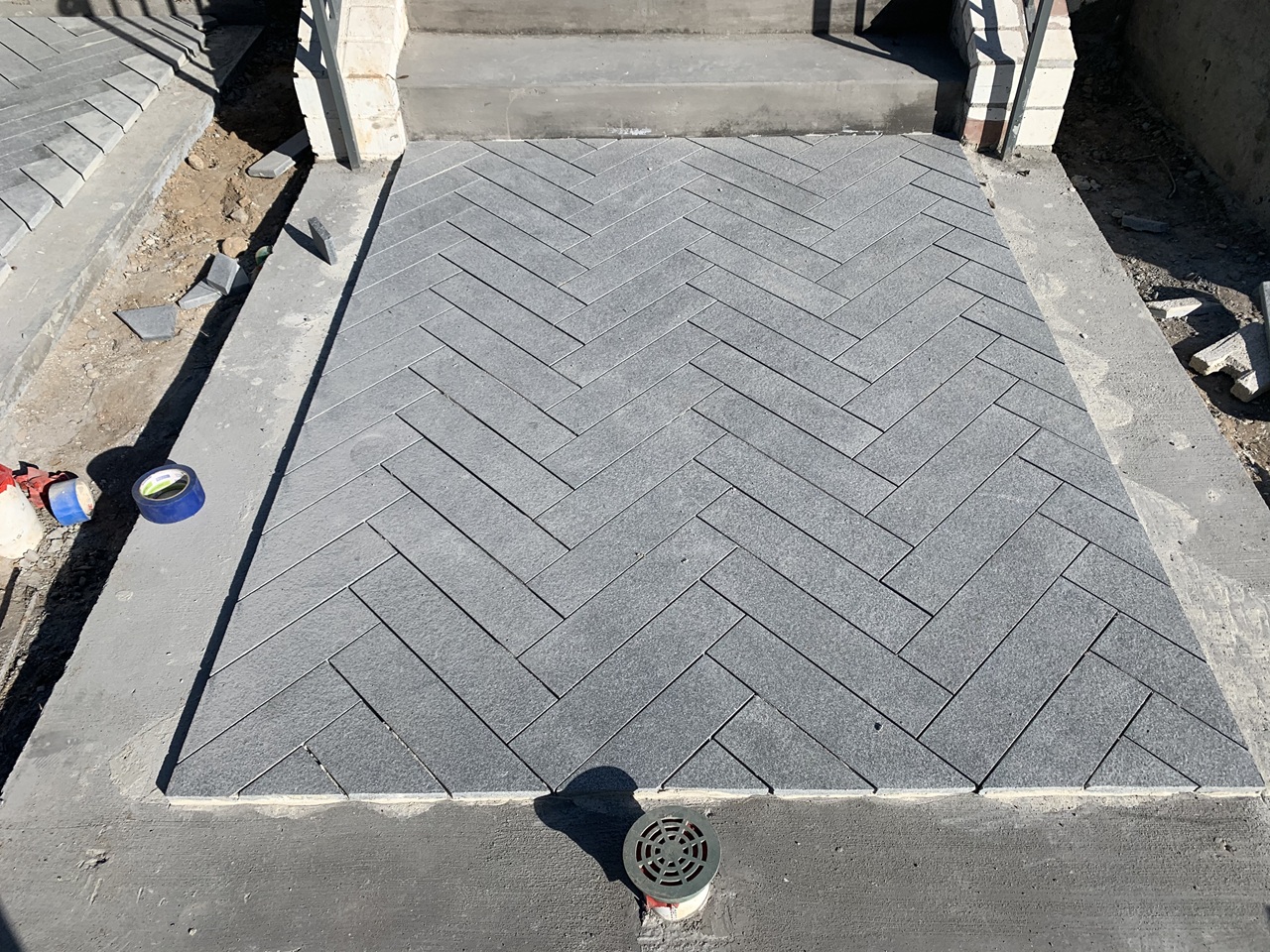
Selecting the right paver material determines the longevity, appearance, and maintenance demands of outdoor surfaces. Brick and concrete pavers each deliver distinct advantages based on climate conditions, budget parameters, and design priorities. Understanding material composition, structural performance, and long-term costs helps homeowners make informed decisions for patios, driveways, and walkways in Orange County's unique environment.
Brick and concrete pavers represent the two dominant hardscape materials used in residential construction. Material composition directly influences durability, color retention, installation complexity, and lifecycle costs.
Brick pavers are molded from natural clay and fired in kilns at high temperatures. This manufacturing process creates a dense, color-saturated unit measuring typically 4x8 inches in rectangular form. Natural earth tones—reds, browns, and pinks—emerge from the clay's mineral content during firing. Color penetrates the entire brick depth, preventing visible wear from surface abrasion. Limited size variations and irregular dimensions increase brick installation complexity and labor costs compared to concrete alternatives.
Concrete pavers are manufactured from blended cement, sand, aggregate, and mineral pigments pressed into molds. Available sizes range from standard 4x8-inch units to expansive 24x36-inch slabs suitable for contemporary designs. Surface textures span smooth finishes to rustic profiles mimicking natural stone appearance. Water absorption rates between 5% and 20% create porous surfaces vulnerable to staining from oil, wine, and organic debris. Regular sealing every 2-5 years protects against moisture penetration and surface degradation.
Porcelain pavers are made from refined clays fired at temperatures exceeding 1,200°C to create vitrified surfaces. Less than 0.5% water absorption eliminates staining concerns and maintenance requirements throughout the material's lifespan. Exceptional durability delivers 50-70+ years of service without color fading or structural deterioration. Permeable pavers feature wider joints filled with aggregate, allowing water infiltration to underlying soil layers. Large-format porcelain installations require specialized wet saws and precise substrate preparation to prevent cracking under load.
Durability rated 95% importance by consumers, directly impacts material selection for outdoor surfaces. Orange County's climate conditions—intense UV exposure, minimal freeze-thaw cycles, and periodic drought restrictions—create specific performance demands for hardscape materials.
Concrete pavers face susceptibility to UV fading as surface pigments degrade under prolonged sun exposure. Color loss accelerates in unprotected installations, requiring professional resealing to maintain appearance and structural integrity. Cheap bricks manufactured from low-quality clay degrade quickly through spalling and surface erosion. Premium brick pavers maintain color permanence since pigmentation originates from fired clay composition rather than surface treatments.
Concrete pavers require regular sealing every 2-5 years to maintain moisture resistance and surface protection. Resealing costs accumulate to $5,000-$24,000 over a patio's lifetime, significantly increasing total ownership expenses. Porcelain pavers eliminate ongoing maintenance entirely but demand specialized wet saws during installation and precise substrate preparation. Uneven base conditions create point loads, causing porcelain units to crack under vehicular traffic.
Durability influences property value, with 70% of consumers prioritizing this factor during material selection. Maintenance requirements affect 75% of homeowner decisions based on time commitment and recurring costs. Porcelain pavers offer a lower total cost of ownership over 20+ years compared to concrete alternatives. Premium materials installed correctly by licensed contractors maintain structural integrity and aesthetic appeal for decades.
Here is how the three materials compare on lifespan and upkeep:
| Paver Material | Typical Lifespan | Maintenance Requirement | Lifetime Maintenance Cost |
| Concrete Pavers | 20 - 30 years | Resealing every 2 - 5 years | $5,000 - $24,000 |
| Brick Pavers | Decades (color is fired into the clay) | Minimal; no sealing required | Low |
| Porcelain Pavers | 50 - 70+ years | None | $0 |
Paver installation costs in Orange County reflect material selection, labor complexity, and project scale. Cost considerations extend beyond initial installation to include long-term maintenance expenses and material replacement frequencies.
Materials cost between $ 6 and $ 12 per square foot, depending on quality grade and sourcing. Labor costs range from $ 8 to $ 20 per square foot based on pattern complexity and site accessibility. Base preparation costs $3-$6 per square foot for proper compaction and drainage installation. Sealing and finishing add $1-$3 per square foot to project totals. The average cost for a mid-range paver patio spanning 450 square feet is $17,750 installed.
Resealing costs accumulate substantially over the material lifespan, affecting total project investment. Concrete paver maintenance totals $5,000-$24,000 over 20-30 years for periodic resealing and joint sand replacement. Brick pavers cost less in maintenance due to integral coloring, eliminating seal requirements. Porcelain pavers eliminate maintenance expenses entirely while commanding higher upfront material and installation costs.
Concrete pavers budget pricing installed ranges from $12-$18 per square foot for standard units. Premium concrete paver installations reach $25-$35 per square foot for specialty finishes and intricate patterns. Brick pavers budget pricing installed starts at $15-$20 per square foot for basic layouts. Premium brick installations cost $28-$40 per square foot for specialty colors and complex designs. A 2-car paver driveway averages $24,500 for mid-grade materials and professional installation.
The table below summarizes installed pricing by material and grade:
| Paver Material | Grade | Installed Cost (per sq ft) |
| Concrete Pavers | Standard | $12 - $18 |
| Concrete Pavers | Premium | $25 - $35 |
| Brick Pavers | Standard | $15 - $20 |
| Brick Pavers | Premium | $28 - $40 |
Patio material selection balances aesthetic preferences with functional performance requirements. Pattern selection affects both visual appeal and structural integrity under anticipated load conditions.
Herringbone pattern creates an interlocking 'V' design, providing multidirectional restraint against lateral movement. This pattern commands 35% market share due to superior load distribution and structural stability. Running Bond pattern captures 25% market share through straightforward installation and cost-effective labor requirements. Basketweave pattern holds 20% market share, appealing to homeowners seeking traditional garden aesthetics. Stacked Bond pattern represents 12% market share favored for contemporary patio designs.
The table below breaks down each pattern's market share and structural strength:
| Pattern | Market Share | Structural Strength |
| Herringbone | 35% | Strongest; multidirectional interlock |
| Running Bond | 25% | Moderate; cost-effective installation |
| Basketweave | 20% | Moderate; suited to pedestrian areas |
| Stacked Bond | 12% | Weakest; not recommended for vehicular traffic |
Style and aesthetics were rated 82% in importance by consumers, shaping material selection decisions for OC hardscape materials. Concrete pavers offer extensive color palettes through mineral pigment additions during manufacturing. Porcelain pavers replicate wood grain textures and natural stone patterns through advanced printing technologies. Brick pavers deliver authentic earth tones inherent to clay composition, creating timeless traditional appearances.
Herringbone provides the strongest structural pattern, distributing weight more evenly than linear arrangements. This interlocking configuration prevents individual paver movement under vehicular loads and foot traffic. Basketweave delivers moderate structural strength suitable for pedestrian areas and garden pathways. Stacked Bond exhibits weak structural interlock, making this pattern unsuitable for vehicular traffic. Pattern selection for outdoor entertainment spaces requires matching structural capabilities to anticipated usage intensity.
Cost rated 88% importance by consumers drives material selection across all project types. Consumer priorities balance upfront expenses against long-term maintenance requirements and property value enhancement. 63.7% of new single-family homes started in 2023 included patios, reflecting increased outdoor living emphasis. This adoption rate grew from 52.4% in 2012, demonstrating sustained market expansion for hardscape products.
Gen X represents 42% of hardscaping spending, with median project investments reaching $25,000. This demographic prioritizes quality materials and professional installation for established home renovations. Millennials account for 35% of the hardscaping market, focusing on functional outdoor spaces for growing families. Baby Boomers comprise 15% of the hardscaping market, selecting low-maintenance solutions for aging-in-place priorities. Orange County median household income reaches $116,289 based on 2020-2024 data, supporting premium material adoption.
Suburban areas in Orange County show 72% adoption rates for patio and hardscape projects. Larger lot sizes enable expansive outdoor living spaces with multiple functional zones for dining and entertaining. Urban areas demonstrate 58% adoption rates for hardscape projects constrained by compact lot dimensions. Rooftop decks and courtyard installations favor premium materials like porcelain pavers, delivering maximum aesthetic impact.
The U.S. hardscaping product market reached $4.90 billion valuation in 2025, driven by outdoor living trends. Market projections indicate growth to $6.50 billion by 2031, reflecting sustained consumer demand. The Southern United States dominates hardscaping markets with a 39% share due to year-round climate conditions. California's temperate climate sustains high paver comparison activity among homeowners investing in permanent outdoor improvements.
Paver stone installation success depends on proper base preparation and pattern selection matching the intended use. Structural considerations prevent premature failure and maintain surface levelness throughout the material's service life.
Permeable pavers require specialized, deep aggregate base preparation supporting water infiltration and structural load distribution. Standard installations utilize 4-6 inches of compacted aggregate base material for residential applications. Vehicular traffic demands thicker base layers, preventing rutting and surface deformation under repeated loads. Clay soils require additional excavation depth and geotextile fabric to prevent base material migration.
Running Bond offers easy and cost-effective installation but provides less structural interlock than herringbone. Linear patterns allow individual pavers to shift laterally under load, creating surface unevenness over time. Herringbone configuration locks pavers in multiple directions, distributing loads evenly across the installation. Edge restraint installation prevents pattern spreading and maintains joint tightness throughout the surface.
California stormwater regulations increasingly mandate permeable surface installations for new construction and major renovations. Low-Impact Development standards require onsite water infiltration, reducing municipal drainage system burdens. Permeable paver systems cost 20-30% more than standard installations due to specialized base requirements. Green building incentives offset premium material costs through expedited permitting and utility rebate programs.
The global concrete pavers segment reached a $8.6 billion valuation in 2025, reflecting worldwide demand. Market growth projections estimate $13.1 billion by 2034, driven by urbanization and infrastructure development. Concrete pavers and slabs accounted for 47% of the U.S. market share in 2025, dominating residential hardscape installations.
Permeable pavers reduce stormwater runoff volumes by allowing water infiltration through surface joints into underlying soil. This system replenishes groundwater supplies while filtering pollutants before reaching municipal drainage infrastructure. Installation complexity increases project costs by 20-30% more than standard concrete paver systems. Orange County municipalities offer incentives for permeable installations supporting regional water conservation objectives.
Concrete pavers' durability extends 20-30 years with proper maintenance and periodic resealing applications. Manufacturing processes consume significant energy for cement production, contributing to carbon footprint considerations. Brick pavers utilize natural clay resources, requiring kiln firing at high temperatures. Color permanence eliminates chemical sealant applications, reducing environmental impact over the material's lifespan.
LEED certification programs award points for permeable paving installations and recycled content materials. Local municipalities expedite permits for projects incorporating Low Impact Development stormwater management features. Utility rebate programs offset premium costs for water-conserving landscape installations, including permeable hardscape surfaces. Hardscaping contractors familiar with green building requirements streamline approval processes and maximize available incentives.
Material selection for Orange County hardscape projects requires weighing concrete pavers' durability against brick's color permanence and maintenance demands. Concrete pavers deliver versatile sizing and pattern options at accessible price points suitable for large-scale installations. Brick pavers provide UV-resistant coloring and traditional aesthetics matching historic architectural styles prevalent in established neighborhoods. Porcelain pavers eliminate ongoing maintenance costs while commanding premium installation expenses justified over extended ownership periods.
Hardscape maintenance requirements significantly affect total ownership costs beyond initial material and installation expenses. Understanding climate-specific performance characteristics guides material selection, matching intended usage patterns and aesthetic preferences. Licensed contractors with Orange County experience ensure proper installation techniques, preventing premature failure and maintaining property value. Signature Landscape delivers 38 years of expertise installing durable hardscape solutions throughout Orange County's premier communities.
Choosing between brick and concrete pavers is easier with the right team behind you. Signature Landscape has designed and installed hardscape projects across Orange County since 1989, backed by 1,000+ completed projects and 150+ five-star reviews from local homeowners. Our licensed team walks you through material, pattern, and pricing options for your patio, driveway, or walkway, and every project includes a 3D CAD design so you can see the finished result before we break ground. Call (949) 859-9969 or request your free quote to start your paver project today.
Brick pavers are fired from natural clay, so color runs through the entire unit and resists fading from surface wear. Concrete pavers are cast from cement, sand, and pigments, which gives installers more size and shape options but leaves color as a surface treatment that can fade over time. Concrete pavers also need resealing every 2 to 5 years, while brick holds its color without a sealant. The right choice depends on how much size flexibility, color permanence, and long-term upkeep matter for your project.
Installed pricing depends on material and grade. Standard concrete pavers run $12 to $18 per square foot installed, while premium concrete finishes reach $25 to $35. Brick pavers start at $15 to $20 per square foot for basic layouts and climb to $28 to $40 for premium colors and complex patterns. A mid-range 450-square-foot patio typically installs for around $17,750, and a 2-car paver driveway averages about $24,500.
Yes. Concrete pavers have water absorption rates between 5% and 20%, which leaves them open to staining from oil, wine, and other debris. Regular sealing every 2 to 5 years protects the surface and keeps moisture from breaking it down. Over a patio's lifetime, this adds up to $5,000 to $24,000 in resealing costs. Brick and porcelain pavers do not carry this same ongoing sealing requirement.
Herringbone is the strongest choice for driveways because its interlocking “V” shape distributes weight in multiple directions and resists lateral movement. It holds 35% of the market for this reason. Running Bond and Basketweave offer moderate strength and work fine for pedestrian areas and garden paths. Stacked Bond has the weakest interlock of the four and is not suited to vehicular traffic.
Concrete pavers typically last 20 to 30 years with proper maintenance and periodic resealing. Brick pavers can last just as long or longer in many cases, since their color is fired into the clay rather than applied to the surface, so it will not visibly fade or wear away. Porcelain pavers go further still, delivering 50 to 70+ years of service with less than 0.5% water absorption. Licensed installation and proper base preparation play as big a role in longevity as the material itself.
Schedule A Consultation