Call our Professional Contractors!
(949) 859-9969
Hardscape maintenance in Orange County combines technical precision with property-value protection. The local market for paver, concrete, and stone care is estimated at $105.3 million in 2025, reflecting demand from homeowners managing outdoor surfaces in a high-value housing environment. Understanding material-specific maintenance requirements helps owners extend surface life, control costs, and preserve aesthetic appeal that drives curb-appeal performance.
Hardscape is a permanent landscape feature built from non-living materials such as pavers, concrete, and natural stone. Regular hardscape maintenance prevents accelerated deterioration, reduces replacement costs, and protects outdoor living spaces from structural failure or appearance degradation. Orange County's owner-occupied housing base, median home value of $962,600, and strong outdoor-living culture create sustained demand for preventive care services.
The 2025 Orange County market is modeled at $105.3 million total, with general maintenance accounting for $65.3 million and long-term care at $40 million. Projections estimate the market will reach $137.7 million by 2030, representing 5.5% compound annual growth. Long-term care services—including sealing, crack remediation, and material-specific treatments—are growing faster at 6.1% annually as installed assets age and homeowners prioritize lifecycle extension over reactive replacement.
The three dominant hardscape categories are concrete pavers, poured concrete, and natural stone. Each material presents distinct maintenance requirements based on construction method, surface porosity, and structural behavior. Concrete pavers and slabs together represent 47% of the U.S. hardscaping products market in 2025, making them the most common residential surface type.
Concrete pavers are factory-made modular units manufactured to conform to ASTM C936 standards. Poured concrete is a cast-in-place slab offering a monolithic surface with different repair dynamics. Pavers can shift if bedding sand or joint material degrades, requiring periodic re-leveling and joint stabilization to maintain surface integrity.
Crack remediation is less localized for poured concrete than paver repair because damage propagates across the entire slab. Decorative concrete finishes fade or spall over time, requiring surface coatings or resurfacing to restore appearance. Pavers allow individual unit replacement, while concrete slabs require patching or full-section resurfacing when damage occurs.
Natural stone is a quarried geological material with maintenance protocols varying by mineral composition. Calcareous stones such as limestone and marble are more acid-sensitive than siliceous stones like granite and slate. Not all stones require sealing, and many sealers function only as impregnators rather than surface coatings, affecting long-term performance expectations.
Natural stone sealing performance varies by stone type, porosity, and exposure conditions. Some dense stones resist staining without treatment, while porous varieties benefit from periodic sealing to reduce water infiltration and organic staining. Homeowners should identify stone type and consult geology-specific care protocols before applying generic maintenance procedures designed for concrete or synthetic materials.
Permeable paver systems use open-graded base layers and aggregate-filled joints designed for stormwater infiltration. These systems require scheduled inspection and vacuum maintenance to remove sediment that can clog infiltration pathways. Permeable pavers have higher installation complexity and specialized maintenance requirements compared to standard interlocking systems.
Performance monitoring follows ASTM C1781 guidelines, which measure infiltration rates to confirm drainage function remains adequate. Joint aggregate must be periodically replenished to maintain spacing and permeability, distinguishing permeable systems from traditional sand-jointed installations. Homeowners selecting permeable pavers should plan for recurring maintenance beyond routine washing and sealing.
Homeowner decision-making in hardscape maintenance is shaped by appearance, usability, and lifecycle resilience rather than cost alone. National survey data provide quantified insight into factors driving outdoor project investment decisions. Understanding these priorities helps align maintenance strategies with outcomes homeowners value most.
Beauty and aesthetics are cited by 37% of consumers as the most important outdoor project result. Functionality and livability account for 29% of homeowner priorities, reflecting demand for safe, usable outdoor spaces. These two factors together represent nearly two-thirds of documented homeowner decision drivers, positioning appearance and practical performance as primary maintenance objectives.
Maintenance services that restore color, eliminate stains, and improve surface evenness directly address aesthetic priorities. Interventions that reduce slip hazards, improve drainage, and stabilize jointed surfaces satisfy functionality requirements. Homeowners evaluating maintenance options should prioritize services delivering visible improvement and tangible usability gains over those focused solely on extending technical lifespan.
Durable, long-lasting results are emphasized by 11% of consumers as their top project outcome. This preference supports preventive maintenance strategies such as sealing, joint stabilization, and crack control that extend surface life beyond typical neglect timelines. Durability-focused homeowners are more likely to invest in scheduled maintenance programs rather than reactive repairs triggered by visible deterioration.
Long-term care expenditures modeled at 38% of the Orange County market reflect growing recognition that protective treatments reduce total lifecycle costs. Sealing, re-sanding, and localized repair interventions delay replacement timelines while preserving appearance and function. Durability messaging should emphasize cost avoidance and lifecycle value rather than presenting maintenance as discretionary spending.
Environmental impact awareness is cited by 54% of homeowners as a topic they want to learn more about. Battery-powered equipment is preferred by 33% of consumers selecting landscape service providers, indicating that sustainability considerations influence provider choice alongside technical capability. These preferences create demand for permeable paving systems, water-efficient maintenance practices, and low-emission service operations.
Permeable pavers address stormwater management and runoff reduction, aligning with environmental priorities while offering modular repairability. Homeowners emphasizing sustainability should evaluate maintenance providers based on equipment choices, water use, and chemical application practices. Environmental positioning functions as a differentiator when technical competence and pricing are comparable across competing providers.
Routine maintenance includes scheduled washing and joint re-sanding to preserve appearance and structural stability. Long-term care encompasses sealing, patch repair, crack remediation, stain treatment, and material-specific interventions that extend surface life beyond basic cleaning. Effective hardscape maintenance separates preventive actions from reactive repairs, with timing and technique varying by material type and exposure conditions.
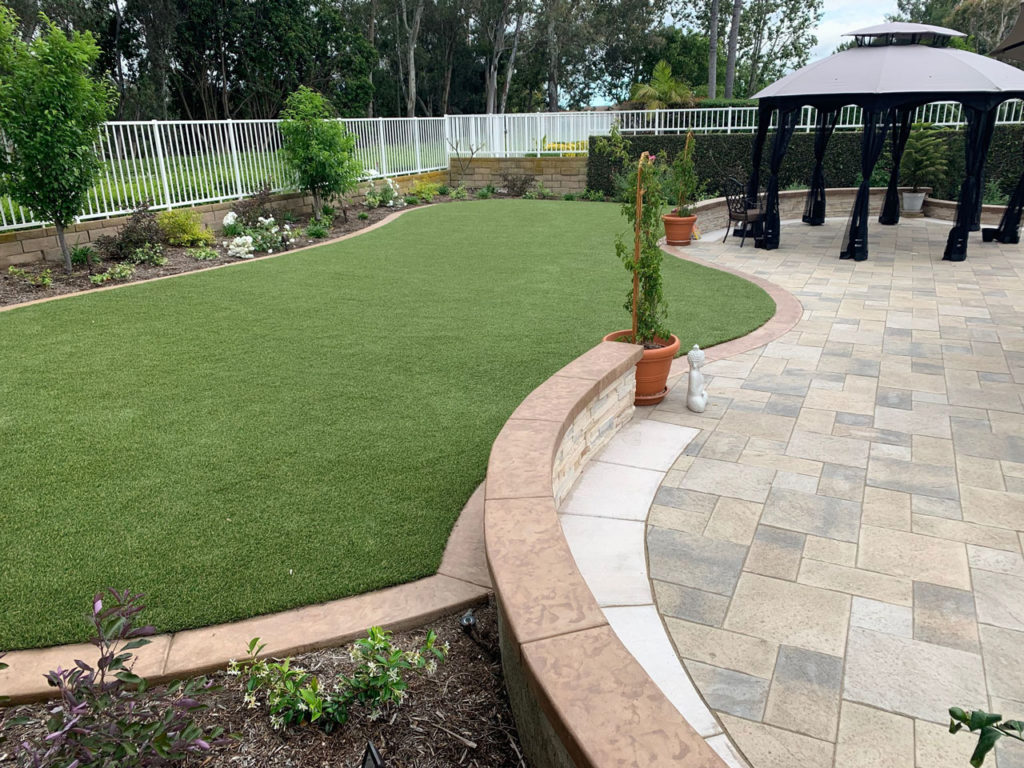
Concrete paver maintenance revolves around joint stabilization, weed suppression, leveling, and selective unit replacement. Cleaning frequency depends on organic debris, foot traffic, and exposure to staining agents such as leaf tannins or barbecue grease. Sealing intervals typically range from two to five years based on product type, sun exposure, and wear intensity.
Joint sand erosion accelerates weed growth and paver shifting, requiring periodic re-sanding to maintain interlock and surface stability. Polymeric sand products reduce erosion and weed infiltration compared to standard silica sand, extending maintenance intervals. Homeowners should inspect joints annually and re-sand when erosion exceeds one-quarter inch depth to prevent accelerated surface degradation.
Poured concrete upkeep focuses on crack control, cleaning, resurfacing, and coating adhesion. Decorative finishes fade or spall over time, requiring surface treatments to restore color and texture. Crack propagation is controlled through timely patching, joint maintenance, and application of flexible crack sealants designed for exterior concrete exposure.
Resurfacing applies a thin cementitious overlay to restore appearance without full slab replacement, offering cost savings when underlying structural integrity remains sound. Coatings provide UV protection and stain resistance but require surface preparation to ensure adhesion and avoid premature delamination. Homeowners should evaluate whether cleaning and coating will deliver acceptable results before committing to full resurfacing or replacement.
Natural stone requires geology-specific care protocols based on mineral composition, porosity, and acid sensitivity. Calcareous stones react with acidic cleaners, requiring pH-neutral products to avoid surface etching and dullness. Siliceous stones tolerate wider pH ranges but still benefit from gentle cleaning agents that minimize surface abrasion and color degradation.
Sealing performance varies by stone type, with impregnating sealers penetrating porous surfaces to reduce staining rather than forming surface films. Dense stones such as granite may not require sealing, while porous varieties like sandstone benefit from periodic treatment. Homeowners managing stone patio care should test sealers on inconspicuous areas before full application to confirm compatibility and appearance outcomes.
Hardscape trends in Orange County reflect increasing adoption of permeable systems, demand for sealing and rehabilitation services, and demographic patterns influencing service purchasing behavior. Market signals indicate growth in environmentally oriented installations and preventive maintenance programs designed to extend asset life. Regional housing characteristics shape service demand, with coastal and suburban markets exhibiting distinct maintenance priorities.
Permeable paver systems are among the fastest-growing hardscape niches due to stormwater management requirements and environmental positioning. These systems use open-graded base layers and aggregate-filled joints designed for infiltration, reducing runoff, and supporting sustainable site design. Regulatory incentives and homeowner sustainability preferences drive adoption, particularly in new construction and major renovation projects.
Installation complexity and specialized maintenance distinguish permeable systems from standard paver applications, requiring periodic vacuum cleaning to remove sediment and maintain infiltration rates. Homeowners selecting permeable paving should plan for recurring maintenance beyond routine washing and sealing. Despite higher care demands, environmental benefits, and regulatory compliance, support continued growth in this segment.
Sealing and coating services include surface treatment, joint re-sanding, stain management, protective coatings, and localized repair. Long-term care services are growing at 6.1% annually, faster than general maintenance, as aging hardscape assets require preventive intervention to avoid replacement costs. Rehabilitation extends surface life while preserving appearance, offering cost-effective alternatives to full reconstruction.
Advanced sealing products provide enhanced UV protection, stain resistance, and joint stabilization compared to earlier formulations, improving performance and extending reapplication intervals. Color-restoration treatments address fading in decorative concrete and pavers, recovering visual appeal without surface replacement. Homeowners prioritizing lifecycle value should evaluate sealing and rehabilitation as preventive investments rather than discretionary cosmetic upgrades.
Orange County's population of approximately 3.15 million includes 1.08 million households with an owner-occupied rate of 56.4%. Median owner-occupied home value of $962,600 reflects strong property-value sensitivity, supporting demand for maintenance services that protect outdoor asset quality. Households aged 55 and older account for more than 50% of annual landscape service expenditures, indicating that mature homeowners drive disproportionate service volume.
Urban single-family households are more likely than rural households to purchase landscape services, favoring convenience and professional execution over self-performed maintenance. Coastal communities emphasize aesthetics and premium materials, while suburban markets prioritize functionality and lifecycle durability. Demographic and regional variations shape service positioning, with coastal markets favoring natural stone and premium sealing, and suburban markets emphasizing paver maintenance and cost-effective concrete upkeep.
Hardscape costs span a wide range based on material type, service scope, and quality tier. Understanding pricing bands helps homeowners align maintenance budgets with property value and performance expectations. Cost structures separate installation from maintenance, with cleaning and sealing services priced significantly lower than replacement or full reconstruction.
Concrete patio and slab installation ranges from $3–$8 per square foot budget tier to $18–$30 premium tier. Brick or concrete pavers span a $8–$12 budget to a $20–$25 premium, reflecting higher material and installation complexity. Permeable pavers command a $10–$15 budget to a $22–$30 premium due to specialized base preparation and drainage design.
Stone and flagstone patio costs vary from a $3–$12 budget to a $25–$50 premium, with premium pricing driven by stone type, complexity, and installation precision. Cleaning and sealing service costs range from $1–$1.50 budget to $2.50–$3 premium per square foot. Maintenance service pricing is a fraction of installation costs, supporting lifecycle value arguments for preventive care over deferred maintenance and eventual replacement.
Routine cleaning and sealing at $1.50–$2.50 per square foot delays replacement timelines and preserves appearance at a fraction of installation cost. A 500-square-foot paver patio requiring sealing every three years costs $750–$1,250 per cycle, compared to $6,000–$10,000 for full replacement. Preventive maintenance reduces total lifecycle cost by extending surface life and avoiding premature reconstruction.
Localized repairs address small areas of damage without full surface replacement, offering cost savings when the underlying substrate remains structurally sound. Homeowners managing hardscape maintenance should compare periodic service costs to replacement timelines and budgets. Deferred maintenance accelerates deterioration, compressing the interval before replacement becomes necessary and increasing total ownership cost.
New patio projects recover about 95% of value at resale and earn a Joy Score of 9.9 out of 10, indicating strong homeowner satisfaction and buyer appeal. Preventive maintenance protects this resale value by preserving appearance and function, avoiding the negative curb-appeal impact of stained, cracked, or weed-infested surfaces. Ninety-two percent of REALTORS recommend improving curb appeal before listing, and 97% believe curb appeal is important in attracting buyers.
Lifecycle value calculations compare maintenance cost over expected ownership duration to replacement cost and resale impact. A well-maintained paver patio retains visual appeal and structural integrity for decades, supporting property marketability and outdoor livability. Homeowners should evaluate paver cleaning guide protocols and sealing schedules as property-protection strategies rather than discretionary cosmetic spending.
Effective maintenance strategy selection aligns material type, usage intensity, budget tolerance, and resale objectives. Homeowners managing outdoor surfaces should evaluate current condition, remaining service life, and cost-benefit ratios for cleaning, sealing, repair, and replacement options. Decision frameworks prioritize interventions delivering visible improvement and lifecycle extension at acceptable cost.
Budget-conscious homeowners managing standard concrete surfaces should prioritize routine cleaning and selective patching to preserve usability and appearance. Mid-range strategies incorporate periodic sealing, joint re-sanding, and localized paver replacement to extend surface life and maintain moderate aesthetic standards. Premium approaches emphasize natural stone care, advanced sealers, and proactive rehabilitation to preserve high-value installations and maximize resale performance.
Property value influences maintenance investment because higher home values justify greater outdoor asset protection to preserve market competitiveness. Homes valued above $1 million benefit from premium maintenance strategies that sustain resort-quality appearance and curb appeal. Lower-value properties achieve acceptable results through budget-tier cleaning and basic sealing, reserving capital for other improvements.
Concrete pavers require joint stabilization and periodic re-sanding to prevent shifting and weed growth. Poured concrete demands crack monitoring and coating renewal to avoid spalling and appearance degradation. Natural stone needs geology-specific cleaning products and sealing protocols tailored to mineral composition and porosity.
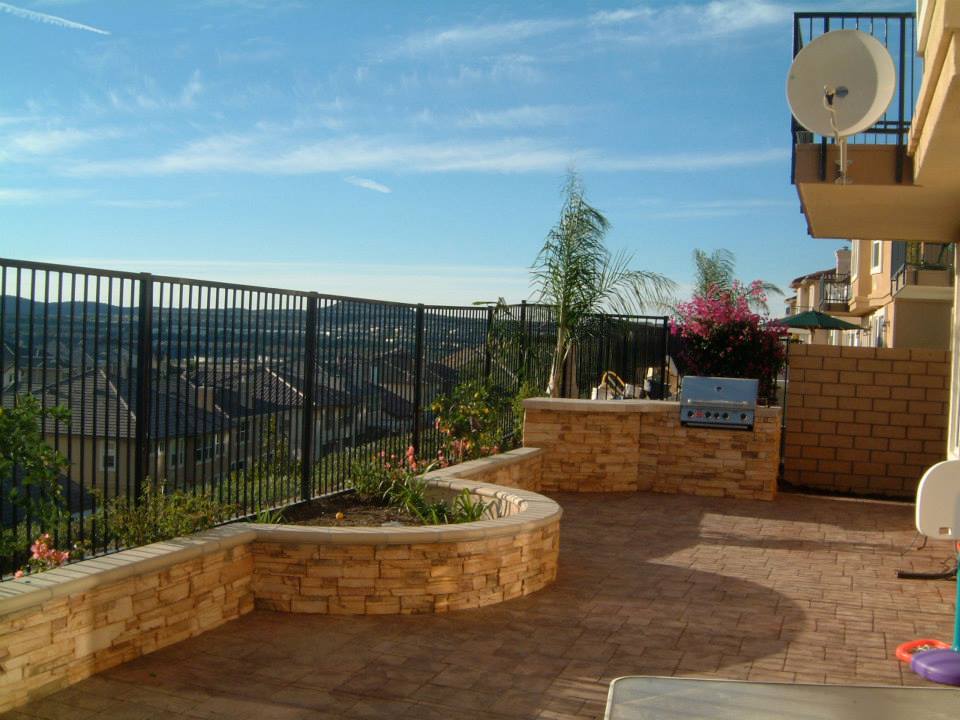
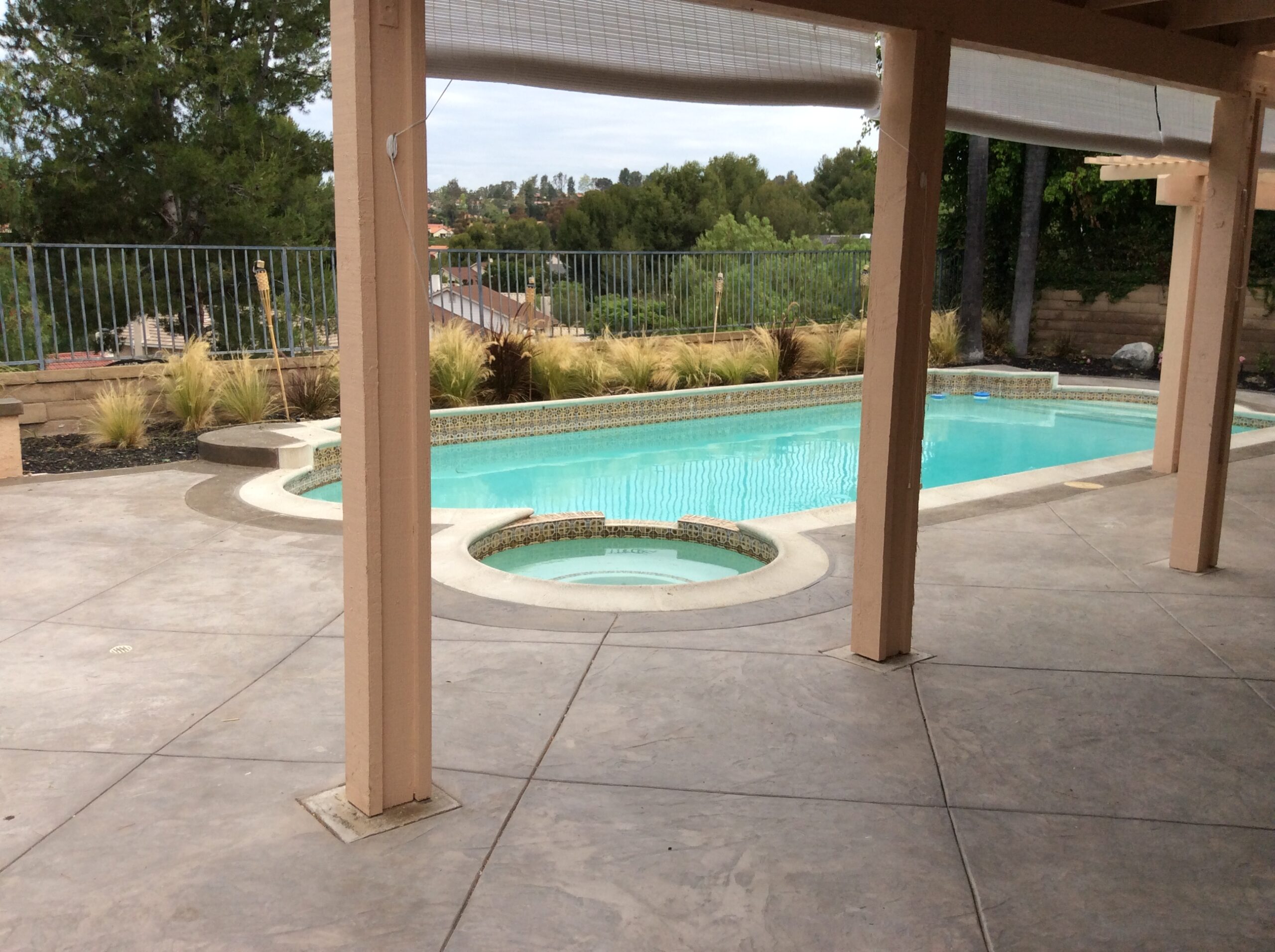
High-traffic areas such as pool decks and entry walkways experience accelerated wear, requiring more frequent cleaning and sealing than low-traffic patios and side yards. Surfaces exposed to organic debris, barbecue grease, or tree sap need stain-prevention treatments and periodic deep cleaning. Homeowners comparing stamped concrete vs pavers vs natural stone should factor long-term care requirements into material selection decisions.
Well-maintained hardscape enhances curb appeal by presenting clean, level, and visually appealing outdoor surfaces to prospective buyers. Ninety-two percent of REALTORS recommend improving curb appeal before listing, with outdoor features contributing disproportionately to first impressions and perceived property quality. Neglected pavers, stained concrete, and deteriorated stone undermine market positioning and reduce buyer interest.
New patio projects recover 95% of value at resale, and preventive maintenance protects this return by sustaining the appearance and function that drive buyer appeal. Homeowners preparing for sale should prioritize cleaning, sealing, and minor repairs to maximize curb appeal with hardscaping features. Investment in maintenance before listing improves marketability and supports asking-price justification in competitive Orange County real estate markets.
Orange County's hardscape maintenance market reflects sustained demand for paver, concrete, and stone care driven by high property values and outdoor-living priorities. General maintenance services at $65.3 million and long-term care at $40 million in 2025 indicate homeowners recognize the importance of preventive care in protecting outdoor assets. Material-specific maintenance protocols, sealing schedules, and lifecycle strategies help owners extend surface life, control costs, and preserve curb appeal that supports resale performance.
Signature Landscape brings 38 years of oc landscaping experience to hardscape care, helping homeowners maintain paver, concrete, and stone surfaces across Orange County communities. Professional maintenance protects outdoor investments, extends asset life, and preserves visual appeal that enhances property value.
Your pavers, concrete, and stone surfaces represent a significant outdoor investment, and the right care plan keeps them performing for decades. Signature Landscape has cared for Orange County hardscape since 1989, completing more than 1,000 projects across Newport Beach, Newport Coast, Irvine, and the surrounding communities.
We evaluate your current surface condition, identify early signs of wear, and build a maintenance schedule matched to your material type and traffic level. From routine cleaning and sealing to joint re-sanding, crack repair, and natural stone restoration, our work holds up under Orange County's coastal climate. For larger restoration or redesign projects, our 3D CAD visualization shows you the finished result before any work begins. Request a free consultation today and keep your outdoor surfaces looking like the day they were installed.
Schedule A Consultation