Call our Professional Contractors!
(949) 859-9969
Backyard water features transform outdoor spaces into relaxing retreats while adding visual interest and ambient sound. Homeowners choosing between fountains, waterfalls, ponds, and spillways must evaluate installation complexity, maintenance requirements, safety considerations, and long-term costs. Each feature type offers distinct advantages suited to different property layouts, budgets, and lifestyle preferences.
Understanding these differences helps homeowners align selections with practical needs and aesthetic goals. Installation methods range from simple fountain placement to complex excavation and plumbing integration. Maintenance demands vary significantly, with some features requiring weekly attention while others operate with minimal intervention for months.
Backyard water features include fountains, waterfalls, ponds, and spillways, each serving different functional and aesthetic purposes. Fountains range from tabletop models to elaborate multi-tiered installations, while waterfalls incorporate natural stone and flowing water. Ponds create aquatic ecosystems with standing water, and spillways channel water through architectural elements into pools or basins.
Each feature type addresses specific homeowner priorities regarding space utilization, visual impact, and maintenance tolerance. Selection depends on available square footage, existing landscape elements, and integration with outdoor living areas. Water features that complement sloped yards offer solutions for properties with challenging topography.
Fountains circulate water through decorative structures using submerged pumps and recirculation systems. Self-contained units operate independently with internal reservoirs, while custom installations connect to dedicated plumbing lines. Decorative fountains typically cost $500 to $5,000+ depending on size, materials, and spray pattern complexity.
Fountain design OC preferences favor Mediterranean and contemporary styles, matching regional architecture. Wall-mounted, tiered, and disappearing fountain types provide flexibility for properties with limited ground space. Material choices include cast stone, natural granite, copper, and ceramic, each offering different visual textures and longevity.
Waterfalls create dynamic water movement through elevation changes using natural or manufactured stone arrangements. Cascading water masks urban noise while providing visual focal points visible from interior spaces. Waterfall installation cost varies based on height, volume flow rates, and integration complexity.
Pondless waterfall systems eliminate standing water by recirculating through underground reservoir basins filled with river rock. These installations cost $2,000 to $5,000+ and require excavation, liner installation, and pump vault placement. Strategic boulder placement creates natural aesthetics while directing water flow and preventing erosion.
Ponds maintain standing water ecosystems supporting aquatic plants and sometimes fish populations. These features require filtration systems, aeration equipment, and regular water quality monitoring to prevent algae overgrowth. Pond vs spillway comparisons reveal that spillways offer similar visual impact without the biological maintenance demands of standing water.
Custom waterfalls and spillways typically cost $15,500 to $35,000+ for installations integrated directly into swimming pool structures. These architectural elements use sheer descent technology or natural rock formations to create dramatic water effects. Spillways channel water through precisely engineered openings, creating sheet-like water curtains or vigorous cascades depending on design specifications.
Installation complexity separates simple fountain placement from excavation-intensive waterfall construction. Fountains require stable bases and electrical connections, while pondless systems demand subsurface reservoir preparation. Custom pool-integrated features involve coordinated masonry, plumbing, and structural engineering during initial construction or major renovations.
Maintenance frequency and technical demands vary dramatically across feature types.
Fountains need pump cleaning and water level monitoring, while pondless systems function for extended periods with minimal intervention. The complete Orange County hardscape maintenance guide addresses surrounding paver and stone care essential for maintaining cohesive outdoor aesthetics.
The table below summarizes cost, maintenance, and safety differences across the four feature types, drawing on the figures discussed in this section.
| Feature Type | Installation Cost | Maintenance Level | Safety Profile |
| Decorative Fountains | $500 to $5,000+ | Low to Medium | Shallow basins, minimal risk |
| Pondless Waterfalls | $2,000 to $5,000+ | Very Low | No standing water, safe for young children |
| Custom Waterfalls & Spillways | $15,500 to $35,000+ | Medium | Follows existing pool fencing and alarm requirements |
| Ponds | Varies by size and filtration | Medium to High | Standing water depths require supervision |
Decorative fountains require level bases and electrical access for pump operation. Site preparation involves compacting soil, installing concrete pads, and running GFCI-protected electrical lines to code specifications. Most fountain installations are completed within one to two days once utilities and foundations are prepared.
Pondless waterfall construction requires excavating hidden reservoir basins sized to hold the recirculating water volume. Installation proceeds through underlayment placement, liner securing, pump vault installation, and rock stacking to create naturalistic appearances. Custom waterfalls require complex masonry and plumbing integrated into pool structures during construction, coordinating with pool shell formation and equipment installation.
Pondless waterfalls have very low maintenance due to no standing water, eliminating algae-growth environments. Quarterly pump inspections and annual basin cleanouts typically suffice for reliable operation. Decorative fountains require regular cleaning and pump maintenance to prevent mineral buildup and clogging.
Decorative fountains have low to medium maintenance, requiring cleaning every two to four weeks, depending on water hardness. Pump impellers need inspection for debris, and water treatments prevent algae formation in exposed basins. Custom waterfalls have medium maintenance requiring monitoring of water flow rates, calcium buildup on spillway edges, and pump performance verification.
Pondless systems eliminate drowning hazards by concealing water reservoirs beneath decorative rock layers. Surface-level stones prevent accidental submersion while maintaining visual water movement effects. These installations appeal to families with young children requiring outdoor safety without sacrificing aesthetic water features.
Fountains with shallow basins present minimal safety concerns compared to ponds with standing water depths. Spillways integrated into swimming pools inherit existing pool safety requirements, including fencing and alarm systems. Proper lighting around all water features prevents nighttime navigation hazards.
Cost and budget account for approximately 38% of consumer decision weight when selecting backyard water features. Initial installation expenses combine with projected operating costs over expected lifespans. Building inground pools in Orange County starts between $80,000 and $100,000, with average investments ranging from $115,000 to $165,000.
Operating efficiency accounts for 28% of consumer decision weight as homeowners evaluate long-term electricity and water consumption. Professional landscape experts help clients understand lifecycle costs beyond initial purchase prices. Energy-efficient pump technologies and smart controls reduce monthly operating expenses while maintaining desired water effects.
Initial installation costs create clear budget tiers separating decorative fountains from integrated pool waterfalls. Simple fountains begin under $1,000 for manufactured units, while custom stonework installations reach $5,000 or higher. Mid-range pondless waterfalls provide dramatic impact at $2,000 to $5,000+ price points appealing to homeowners seeking premium aesthetics without pool construction commitments.
High-end custom waterfalls and spillways costing $15,500 to $35,000+ represent significant investments integrated into comprehensive outdoor renovations. These features justify costs through property value increases and enhanced outdoor entertainment capabilities. Boost curb appeal with hardscaping features demonstrates how water elements contribute to overall property marketability.
Pump electricity consumption represents the primary ongoing operational expense for all water feature types. Efficient variable-speed pumps reduce energy usage by 50% to 75% compared to single-speed models. Water loss through evaporation and splashing requires periodic refilling, with larger features consuming 50 to 200 gallons monthly depending on climate exposure.
Smart controllers automate pump operation schedules, reducing runtime during off-peak viewing hours. Timers prevent unnecessary nighttime operation when water sounds provide no benefit. Solar-powered fountain pumps eliminate electrical costs entirely for smaller standalone installations receiving adequate direct sunlight.
Environmental impact accounts for 12% of consumer decision weight as water conservation concerns influence California homeowners. Recirculating systems minimize water waste compared to features requiring constant fresh water supplies. Durability and lifespan account for 18% of consumer decision weight, with material longevity reducing replacement frequency and associated environmental costs.
Native stone materials sourced regionally reduce transportation emissions compared to imported decorative elements. Pondless systems support local ecosystems by providing water sources for birds and beneficial insects without creating mosquito-breeding habitats. Proper landscape drainage integration prevents water feature overflow from eroding surrounding soil or creating standing water problems.
Space limitations affect feature selection as compact properties require vertical installations rather than sprawling pond systems. Solar heaters require significant roof or yard space for panel installation, limiting viability in densely developed neighborhoods. South County neighborhoods see higher concentrations of traditional inground pools due to larger lot sizes supporting comprehensive landscape designs.
Coastal areas favor smaller spools, plunge pools, and vertical water features, maximizing limited square footage. Property proportions determine appropriate feature scales, preventing overwhelming visual imbalances. Backyard makeover contractors assess site conditions to recommend features complementing existing architectural styles and landscape elements.
Compact urban lots accommodate wall-mounted fountains and narrow spillways without consuming valuable patio square footage. Vertical installations maximize visual impact within minimal footprints, directing attention upward rather than outward. Corner placements utilize otherwise underutilized spaces while creating diagonal sight lines.
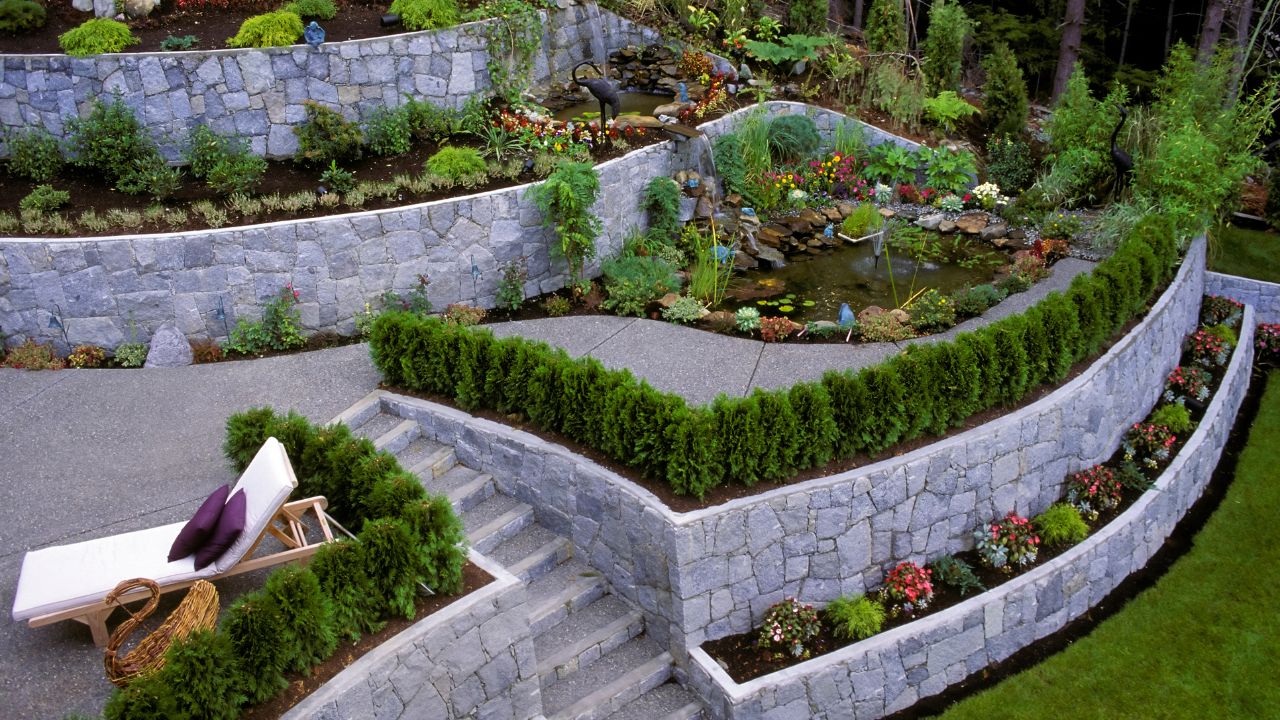
Pondless systems adapt to irregular spaces by shaping reservoir basins around existing trees, utility lines, and hardscape features. Flexible liner materials conform to custom excavation profiles, unlike rigid preformed pond shells. Multi-level properties integrate waterfalls naturally along grade changes, turning topographical challenges into design advantages.
Custom spillways integrate directly into pool coping and decking systems during new construction or major renovations. Raised spa spillways create cascading effects into main pool basins, adding movement to otherwise static water surfaces. Deck jets shoot arching water streams from surrounding hardscape into pools, providing interactive play features.
Landscape plantings frame water features using moisture-tolerant species thriving in humid microclimates near waterfalls. Ferns, hostas, and ornamental grasses soften hard stone edges while requiring minimal maintenance once established. Underwater LED lighting transforms nighttime water features into glowing focal points visible throughout entertainment areas.
Contemporary designs favor clean geometric lines with sheer descent spillways and minimalist stone selections. Natural styles incorporate irregular boulders, meandering stream beds, and planted edges mimicking mountain watersheds. Mediterranean aesthetics use tiered fountain structures, terra cotta accents, and formal water basin geometries.
Material selections communicate design intent through color, texture, and reflectivity differences. Polished granite creates formal elegance, while weathered limestone conveys rustic charm. Copper elements develop distinctive patinas over time, adding evolving character to fountain and spillway installations.
Installation timelines vary from single-day fountain placements to multi-week custom waterfall constructions. Simple projects require minimal site disruption and small work crews. Complex installations involve excavation equipment, multiple trade specialists, and careful coordination with existing utilities.
Permit requirements depend on project scope, electrical installations, and structural modifications to existing pools. Electrical work necessitates a licensed electrician's involvement and municipal inspections. Proper permitting prevents code violations that complicate future property sales or trigger expensive correction mandates.
Site preparation begins with marking fountain locations and verifying level base conditions. Concrete pads cure for 48 to 72 hours before supporting fountain weights. Electrical conduit trenches run from GFCI-protected circuits to fountain locations, maintaining code-required burial depths.
Fountain assembly follows manufacturer specifications, connecting pump components to water circulation systems. Basin liners or sealed concrete catch basins prevent water loss into surrounding soil. Final positioning ensures visual alignment with sight lines from primary viewing locations.
Excavation creates bowl-shaped depressions holding 200 to 400 gallons in gravel-filled reservoir basins. Underlayment protects liners from punctures caused by rocks or roots. Pump vaults position circulation equipment below water levels, maintaining prime while allowing maintenance access.
Pondless waterfall construction requires strategic boulder placement, creating natural-looking water paths and splash patterns. Largest stones form structural foundations, while smaller rocks fill gaps and direct flow. Foam sealant bonds stones and channels water over desired spillway edges rather than underneath.
Custom pool waterfalls are integrated during initial construction, coordinating with shell formation and equipment placement. Masonry contractors build elevated stone structures or install prefabricated spillway units into pool walls. Plumbing lines dedicate pump flow to waterfall features separate from main filtration systems.
Water volume calculations determine appropriate pump sizing for desired cascade effects without draining pool levels. Spillway weirs level precisely to create even sheet-like water curtains across entire widths. Lighting conduits embed in stone work, illuminating water movement after dark.
Pump lifespan directly impacts long-term ownership costs and maintenance scheduling. Quality pumps operate reliably for five to ten years before requiring replacement. Regular cleaning prevents premature failures caused by debris accumulation or mineral buildup restricting impeller movement.
Water quality maintenance prevents algae growth, mineral staining, and biological contamination in exposed basins. Chemical treatments balance pH levels and inhibit microorganism proliferation. Proper winterization in freezing climates prevents ice damage to pumps, plumbing, and decorative elements.
Submersible pumps require quarterly inspections removing accumulated debris from intake screens. Impeller housings disassemble for cleaning calcium deposits restricting water flow and reducing pump efficiency. Bearing lubrication extends mechanical life, though sealed units eliminate this maintenance requirement.
Annual pump removal allows thorough descaling using vinegar or commercial cleaners dissolving mineral accumulation. O-rings and gaskets replace during reassembly, preventing leaks when pumps restart. Electrical connections inspect for corrosion compromising safe operation in wet environments.
Algae growth occurs in standing water exposed to sunlight without adequate circulation or chemical treatment. Green algae clouds water and coats surfaces, while black algae penetrates porous stone requiring aggressive scrubbing. Algaecides prevent growth without harsh chemicals affecting surrounding plants.
Mineral deposits form white crusts on spillway edges in areas with hard water supplies. Acid washing removes stubborn buildup, though regular wiping prevents heavy accumulation requiring intensive treatment. Fountain basin draining and scrubbing every four to six weeks maintains clean appearances and optimal water flow.
Material selection determines feature longevity, with natural stone outlasting synthetic alternatives. Gas and propane heaters last 10 to 15 years, while electric heat pumps last 15 to 20 years. Solar pool heaters last 15 to 25 years with minimal maintenance requirements.
Pavers last 15 to 25 years when properly installed over compacted bases with adequate drainage. PVC membrane lasts 15 to 25 years, protecting pondless waterfall reservoirs from leaks and root penetration. Quality construction prevents premature failure, requiring expensive repairs or complete replacements.
Water features create multisensory experiences combining visual movement, soothing sounds, and cooling humidity effects. Ambient noise from cascading water masks traffic sounds and neighbor conversations, enhancing privacy. Properties with well-designed water elements command premium prices, reflecting enhanced lifestyle value and curb appeal.
California has approximately 1.34 million residential pools and roughly one pool for every 29 residents. California is the second-largest pool market in the nation, with millennials representing the fastest-growing segment of new pool buyers. The U.S. pool and spa industry generates over $60 billion annually, supporting manufacturers, contractors, and service providers.
Flowing water generates white noise, blocking distracting background sounds from streets and neighboring properties. Negative ions produced by moving water create perceived air quality improvements and mood elevation effects. Visual water movement draws attention, creating focal points encouraging outdoor space utilization.
Humidity generated by water features moderates microclimate temperatures in the immediate surroundings during hot summer months. Evaporative cooling provides natural comfort without mechanical air conditioning. Birds and butterflies attracted to water sources increase wildlife viewing opportunities.
High-quality backyard water features increase property values by enhancing outdoor living functionality and aesthetic sophistication. Professional landscaping and hardscaping increase home values through improved first impressions and expanded usable square footage. Well-maintained installations signal overall property care to prospective buyers.
Custom pool waterfalls and integrated spillways justify premium asking prices by creating resort-style backyard environments. Properties marketed with professional photography highlighting water features generate stronger buyer interest than comparable homes without these amenities. Outdoor living spaces with water elements extend functional square footage without expensive indoor additions.
Pondless systems continue gaining market share due to safety profiles eliminating standing water drowning risks. Smart controls enable remote operation and scheduling through smartphone applications, matching modern home automation expectations. LED lighting systems create dramatic nighttime effects while consuming minimal electricity compared to traditional halogen fixtures.
Natural swimming pools incorporating biological filtration without harsh chemicals attract environmentally conscious homeowners. Fire and water combination features integrate flames with flowing water, creating contrasting elemental focal points. Minimalist contemporary designs favor geometric simplicity over ornate traditional fountain styles popular in previous decades.
Selecting appropriate backyard water features requires balancing aesthetic preferences, budget realities, and long-term maintenance commitments. Fountains offer accessible entry points for homeowners seeking water element ambiance without major construction investments. Pondless waterfalls provide dramatic natural aesthetics with simplified maintenance compared to traditional pond ecosystems requiring constant biological management.
Custom pool-integrated waterfalls and spillways represent premium investments, creating resort-quality outdoor environments. Installation complexity and costs vary significantly, demanding careful contractor selection and thorough project planning. Understanding feature-specific maintenance requirements prevents buyer's remorse when reality fails to match expectations.
Signature Landscape has designed and built custom outdoor water features across Orange County since 1989. Our team creates a 3D CAD rendering of your fountain, waterfall, pond, or spillway before construction begins, so you see the finished result before we break ground. Every project is completed under California Contractor’s License #583113, backed by more than 1,000 completed projects and 150+ five-star reviews from homeowners across Newport Beach, Newport Coast, Irvine, Mission Viejo, Laguna Beach, and the surrounding communities. Call us at (949) 859-9969 or request a free quote to start planning the water feature that fits your yard, your budget, and your family’s outdoor lifestyle.
Costs depend heavily on the feature type you choose. Decorative fountains typically run $500 to $5,000+, pondless waterfalls cost $2,000 to $5,000+, and custom waterfalls or spillways integrated into a pool structure range from $15,500 to $35,000+. Site conditions, materials, and plumbing or electrical work also affect the final price. A consultation with Signature Landscape provides an accurate estimate based on your specific property.
Pondless waterfalls are generally the safest option because they eliminate standing water by recirculating through a hidden reservoir beneath decorative rock. Surface-level stones cover the reservoir, removing the drowning risk that comes with open ponds. Fountains with shallow basins also present minimal safety concerns. Spillways built into an existing pool carry the same fencing and alarm requirements as the pool itself.
Decorative fountains need cleaning every two to four weeks along with periodic pump inspection to prevent mineral buildup and clogging. Pondless waterfalls need far less attention, typically a quarterly pump check and an annual basin cleanout. Custom waterfalls and spillways fall in between, requiring regular monitoring of flow rates and calcium buildup on spillway edges. Water hardness and sun exposure both affect how often cleaning is needed.
Yes. Pondless waterfall systems are built around an excavated reservoir basin sized for the water volume, and they can be positioned to work with existing trees, utility lines, and hardscape rather than requiring a complete redesign. Most installations are completed in a matter of days once the site is prepared. Signature Landscape evaluates your existing layout during the consultation to confirm placement before any digging begins.
Well-built water features add to a property’s outdoor living appeal, which supports the broader value increase that professional landscaping and hardscaping can bring to Orange County homes. Properties marketed with professional photography highlighting water features tend to generate stronger buyer interest than comparable homes without them. The return depends on installation quality and how well the feature fits the overall property, which is why experienced design and construction matter as much as the feature itself.
Schedule A Consultation