Call our Professional Contractors!
(949) 859-9969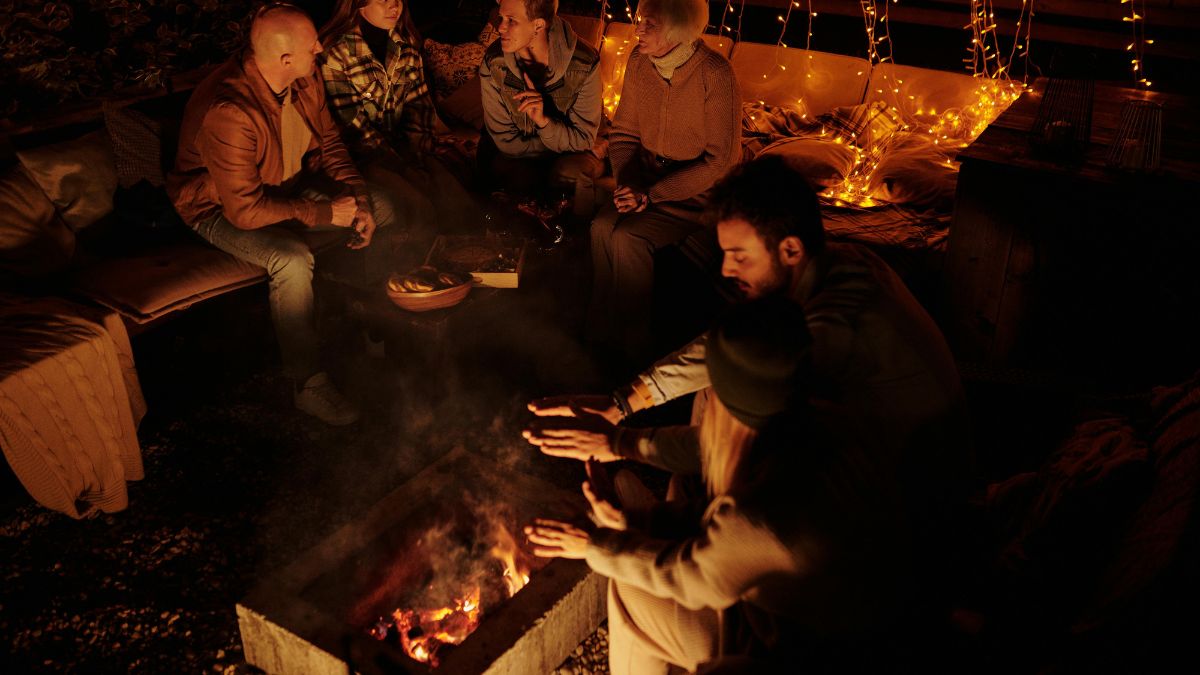
A warm fire can make a backyard feel more inviting after sunset. But before installing one, you need to choose between natural gas and propane. Both fuels work well for fire pits, fire tables, and other outdoor features. Yet each has different costs and setup needs. Natural gas offers a steady fuel source, while propane gives you more options when a gas connection is hard to reach.
For Orange County homeowners, the right choice goes beyond fuel prices. A sound Cost Analysis, ROI Comparisons, and Feature Valuation looks at the full project cost and how you plan to use the space. The fuel source can also affect your outdoor kitchen and bar planning. Knowing these details early can help you avoid costly changes once the patio is built.
Both natural gas and propane can fuel an outdoor fire pit without the ash and wood storage needs of a traditional wood fire.
A gas fire pit connected to natural gas draws fuel from a utility line. You can turn it on when needed, as long as the supply is working. There is no cylinder to change or refill. This makes it a practical choice for a permanent backyard setup.
A Propane Fire Pit uses fuel stored in a cylinder or larger tank. Propane is also known as Liquid Propane or LP gas. It works well when a home has no natural gas connection or when adding a line would require too much work.
Here is a quick Fuel Comparison to show the main differences.
| Feature | Natural Gas | Propane |
| Fuel source | Utility gas connection | Cylinder or tank |
| Installation | Requires a suitable gas line | Requires an approved propane setup |
| Fuel refills | No cylinder refills | Refills or deliveries needed |
| Placement | Limited by gas-line access | More flexible in some designs |
| Running cost | Often lower under the cited prices | Depends on local propane prices |
| Heat output | Based on burner rating | Based on burner rating |
| Common use | Permanent, frequently used features | Homes with limited gas-line access |
Neither option is right for every property. The choice depends on your backyard layout, existing utilities, and budget.
The price of a fire pit is only part of the total budget. You also need to account for the burner, fuel connections, materials, labor, and site preparation.
According to Fixr's 2025 national cost guide, basic fire pit installations can cost $300 to $1,400. These are broad national estimates, not quotes for custom Orange County projects. A fire pit built with stone, concrete, or other premium materials may cost far more.
A natural gas fire feature needs a safe connection to the home's fuel system. If the property already has an outdoor natural gas line near the planned location, the work may be fairly simple.
Costs can rise when the line must travel across the yard. The contractor may need to dig a trench, install piping, and repair the ground afterward. Existing patios, retaining walls, and walkways can make this work harder.
The home's gas meter and piping must also be able to handle the added demand. A qualified installer needs to check the full system before work starts.
Fixr's national gas-line cost guide lists a broad range of $500 to $2,000. Actual gas fire pit installation costs can fall outside that range, especially when work affects a finished patio.
It often makes sense to plan gas connections before laying new pavers or concrete.
Propane can be easier to install when there is no nearby utility connection. A small fire pit table may use a portable propane tank stored in a suitable compartment.
Some approved fire tables have a concealed propane tank drawer. This keeps the cylinder out of sight while allowing access for replacement. The drawer must meet the appliance's ventilation and clearance rules.
A larger custom feature may need a stationary tank. That can mean adding a tank pad, regulator, fuel piping, and space for deliveries.
A propane setup does not always mean lower installation costs. A large tank system may still need trenching, permits, and other site work.
A fair quote should include the fire feature, burner controls, fuel connections, labor, and finish materials. It should also explain who handles permits, inspections, gas testing, and site repairs.
If you plan to add a stone patio or sitting wall, ask how that work affects the total price. The cost of removing and replacing finished surfaces can make a major difference.
Compare quotes for the same type and size of feature. A simple metal fire table and a custom masonry fire pit are not equal projects.
The operating cost of a fire pit depends on how much fuel its burner uses and what you pay for that fuel.
A larger burner often uses more fuel each hour. That is why you need to compare features with similar heat ratings rather than looking at gas prices alone.
A British Thermal Unit, or BTU, measures heat energy. A fire pit's BTU rating tells you how much fuel energy it uses per hour at its rated input.
The U.S. Energy Information Administration reports that one therm of natural gas equals 100,000 BTU. One gallon of propane contains about 91,452 BTU.
You can estimate hourly fuel spending by dividing the burner's rated input by the energy in each fuel unit, then multiplying by its price.
For this example, we use $2.20 per therm for natural gas and $2.638 per gallon for propane.
The natural gas figure is a rounded planning rate based on EIA's 2025 California residential data. The propane figure comes from EIA's U.S. residential propane series for the week ending October 12, 2026.
| Burner input | Natural gas | Propane |
| 40,000 BTU/h | $0.88/hr | $1.15/hr |
| 60,000 BTU/h | $1.32/hr | $1.73/hr |
| 80,000 BTU/h | $1.76/hr | $2.31/hr |
| 100,000 BTU/h | $2.20/hr | $2.88/hr |
Under these assumptions, the natural gas fire pit operating cost is lower at each burner size.
However, these figures are not current Orange County retail quotes. Local rates, taxes, delivery fees, and cylinder exchange costs can change what you pay.
Actual fuel consumption will also depend on how long you run the feature and whether the burner has adjustable flame settings.
For a more useful budget, check your gas bill or get a local propane quote before comparing costs.
A low fuel rate can save money over time. But those savings may be small if the fire pit is used only a few nights each month.
A homeowner who hosts guests each week will have different needs from someone who uses a fire feature only during special events.
Consider a fire pit rated at 60,000 BTU per hour.
| Use pattern | Annual use | Natural gas | Propane |
| 2 hours twice a month | 48 hours | $63.36 | $83.04 |
| 2 hours once a week | 104 hours | $137.28 | $179.92 |
| 3 hours twice a week | 312 hours | $411.84 | $539.76 |
The table uses the same fuel-price assumptions as the hourly example.
For light use, the annual difference is less than $20. Even with frequent use, the gap is about $128 per year.
If adding a utility connection costs thousands of dollars more, it may take many years to recover that extra expense through fuel savings alone.
This is why Cost Analysis, ROI Comparisons, and Feature Valuation should include the full installation cost, not just the monthly fuel bill.
A well-placed fire pit can make an outdoor space more useful during cool evenings. It can also give guests a place to gather and talk.
But outdoor fire feature ROI is not only about resale value. It also includes how much you enjoy the feature, how easy it is to use, and how well it fits your home.
A permanent fire pit next to a seating wall may offer more day-to-day value than an expensive feature placed far from the patio.
There is no reliable fixed resale percentage for natural gas versus propane fire features. Buyer preferences, local market conditions, and the quality of the whole backyard all matter.
Propane contains more energy per cubic foot than natural gas. But that does not mean every propane fire pit creates more heat.
Both fuels can power strong flames when used with the right equipment. A fair comparison starts with the burner and its rated heat input.
A 60,000 BTU natural gas burner and a 60,000 BTU propane burner have the same rated fuel-energy input. The amount of warmth you feel also depends on the design and location.
The burner system controls how gas reaches the flame. Burner size, shape, and fuel-specific parts all affect how the fire looks and works.
Some features use a linear burner to create a long row of flames. Others use a round fire bowl or a wide fire pit burner.
The right choice depends on the size of your seating area and the look you prefer.
Never swap fuel parts or change a burner from one fuel to another unless the manufacturer approves the conversion and a qualified professional performs the required work.
Wind can push flames to one side and reduce the warmth felt by people nearby. This matters on open patios, coastal properties, and hillside lots in Orange County.
The type of fire media also affects how a fire feature looks. Options may include fire glass, ceramic logs that look like faux wood, or approved decorative stones.
Only use materials listed or allowed by the manufacturer. Ordinary river stones may crack or burst under high heat and should not be placed in a burner unless approved for that use.
Some fire features offer flame control through a valve or control setting. This can help you adjust the flame for the setting and weather.
The goal is a steady, pleasant fire rather than the tallest possible flame.
Outdoor gas features must meet the rules that apply to the property and appliance.
Permit needs vary by city, project type, and the work involved. A new gas line may have different requirements from placing an approved portable fire table on a patio.
The California Contractors State License Board advises homeowners to contact the local building department about permit needs.
In Orange County, incorporated cities have their own building departments. The county handles applicable work in unincorporated areas.
Before construction, ask who will obtain permits, arrange inspections, and document the completed gas work.
Homeowners should also check HOA rules where applicable. Some communities may have limits on the type or location of a fire feature.
Fire safety depends on the whole setup, not just the fuel.
A qualified gas technician should check the piping, shutoff valves, pressure, and connections. A gas regulator must match the approved propane or natural gas system.
Some fire pits offer an electronic ignition system for easier startup. The selected unit must be installed as its manual requires, including any electrical work.
A vented enclosure may be needed for certain gas fire tables and propane setups. Required openings must stay clear so gas cannot collect inside the structure.
Keep the area around the fire free from clutter and follow the appliance's required clearances. Never use an outdoor-only gas appliance inside a home, garage, or closed patio.
If you smell gas, stop using the feature, avoid flames and electrical switches, move away from the area, and contact the gas provider or emergency services from a safe place.
For lasting safety, keep controls and fuel connections easy to inspect and service.
A fire pit works better when it is planned as part of the full yard.
The shape of the patio, the seating layout, and the location of nearby plants can all affect how often you use it.
Think about where people will sit and walk. Leave room to move between the fire pit, outdoor kitchen, and other features.
A fire feature placed beside a dining terrace may create a warm setting for guests after a meal. A separate seating area may work better when you want people to gather around the flames.
Sunset views, wind direction, and access to the house can all affect placement.
A fire table may fit a smaller patio, while a built-in fire pit with a curved sitting wall may suit a larger yard. The design should make it easy to enjoy the flames without blocking paths.
Concrete, natural stone, and interlocking pavers can help connect a fire feature to the rest of the yard.
The finish should also suit the home's style and the needs of the burner. Good drainage and access for repairs matter just as much as appearance.
For example, a stone fire pit may sit within a paved lounge area next to an outdoor kitchen. Low outdoor lighting can help guests move around after dark.
Before selecting finishes, compare the outdoor flooring options for Orange County patios.
Planning these elements together can help avoid later changes to paving, walls, or fuel lines.
The right fire pit fuel depends on what is already available at the property.
Natural gas often makes sense for a home with reliable utility service and a clear route to the planned fire feature. It is also a convenient option when you expect to use the fire pit often.
Propane may be more practical when adding a utility line would require major digging or damage to a finished yard.
Natural gas provides a steady fuel supply without a portable cylinder.
It is often a good fit for permanent outdoor fire pits near patios, built-in seating, and outdoor kitchens.
The main tradeoff is the work needed to connect the burner to the home's gas system.
Propane allows some approved fire pit tables to operate without a permanent utility connection.
For a small fire table, a liquid propane tank may be easy to replace. Larger features can use approved stationary systems with scheduled deliveries.
You still need to plan for storage, refill access, and fuel management.
The more practical choice is the one that fits both your budget and the way you plan to use your backyard.
Natural gas often costs less per hour under the fuel-price assumptions used in this guide. However, actual fuel prices vary by location, supplier, and billing plan. Natural gas may also cost more to install if the project needs a long connection. Compare the total cost before making a choice.
A typical 20-pound propane cylinder holds about 4.7 gallons at its normal fill level. At a constant 60,000 BTU per hour, that works out to about 7.2 hours of ideal runtime. Actual runtime can be shorter due to temperature, fuel level, regulator limits, and appliance settings. Check the product manual before planning around a specific runtime.
Some appliances may allow conversion between fuel types, but many do not. A conversion is safe only when the manufacturer approves it for that exact model. Fuel-specific valves, orifices, and regulators may be needed. Never attempt a conversion without the required parts and qualified installation.
A permanent fire pit with gas piping may require permits and inspections. The exact rules depend on the city or county authority and the installation. A portable unit may have different requirements, but it must still follow the manufacturer's instructions. Check with the local building department before work starts.
Natural gas is often more convenient when the home has suitable utility service and the gas-line route is practical. Propane can be a good option when utility access is limited or adding a line would involve costly site work. Both can provide good flames with a properly rated burner. The better choice depends on installation cost, fuel access, and how often you plan to use the fire pit.
A well-planned fire feature can become a favorite part of your backyard. At Signature Landscape, we design and build custom fire pits, fire tables, interlocking paver patios, concrete sitting walls, and outdoor living areas across Orange County. We can help you plan the layout, review fuel-access options, and choose materials that fit your home and budget. If you are planning a new fire pit or updating an existing patio, contact Signature Landscape to discuss your outdoor living project.
Schedule A Consultation