Call our Professional Contractors!
(949) 859-9969
First impressions determine whether potential buyers schedule showings or scroll past your listing. Properties with exceptional curb appeal command average price premiums of $9,195, reflecting buyers' willingness to pay for move-in-ready exteriors. Understanding which improvements deliver measurable returns helps homeowners allocate budgets strategically when preparing to sell homes.
Orange County's competitive real estate market rewards properties that balance aesthetic appeal with functional outdoor living spaces. Regional preferences favor warm lighting tones, drought-tolerant plantings, and permanent hardscaping installations complementing Mediterranean and contemporary architecture. Real estate agent recommendations consistently emphasize maintenance-first approaches before pursuing major structural upgrades.
Key Takeaways
Well-maintained lawns, thoughtful lighting, and quality hardscaping create the foundation that attracts serious buyers. These three elements establish a property's exterior identity and perceived value. Addressing all three categories ensures comprehensive coverage of buyer expectations across different price points.
Strategic investments in these core areas generate higher returns than scattered decorative additions. Research shows 89% of homeowners prioritize curb appeal, recognizing its direct impact on marketability. Properties demonstrating consistent attention across landscaping, lighting, and structural elements receive more competitive offers.
A well-maintained lawn ranks as the top curb appeal factor among 61% of surveyed buyers. Conversely, overgrown lawns deter 48% of potential purchasers before they contact listing agents. This contrast demonstrates landscaping's role as an immediate qualifier in buyer decision-making.
Professional landscape maintenance and thoughtful plant selection establish care standards visible from the street. Buyers interpret manicured grounds as indicators of overall property maintenance. Seasonal color rotations and defined bed edges reinforce attention to detail that resonates with quality-focused purchasers.
Outdoor lighting influences purchasing decisions for 30% of homebuyers evaluating properties during evening showings. Strategic illumination extends viewing hours and highlights architectural features that disappear after sunset. Outdoor lighting transforms properties into inviting spaces that stand out in competitive neighborhoods.
Properly designed systems combine pathway safety with aesthetic focal points on mature trees and entry features. Warm color temperatures between 2700 K and 3000 K complement Orange County's architectural styles while creating welcoming atmospheres. Buyers recognize professional lighting installations as value-added features requiring no immediate investment.
Hardscaping features, including patios and walkways, rank second among curb appeal priorities for 45% of buyers. These permanent installations define outdoor spaces and demonstrate committed investment in property infrastructure. Hardscaping features in your Orange County home create functional zones that extend perceived living square footage.
Fencing appeals to 42% of buyers seeking defined boundaries and privacy in suburban settings. Quality materials and professional installation contribute to longevity that buyers assess when evaluating maintenance forecasts. Integrated hardscape designs connecting house entrances to outdoor living areas generate the strongest buyer responses.
Understanding buyer demographics and regional preferences prevents misallocated budgets on improvements with limited market appeal. Orange County's affluent buyers expect specific quality standards and climate-appropriate design choices. Alignment between upgrades and target buyer expectations maximizes return on pre-sale investments.
Market research reveals generational differences in outdoor space priorities. Younger buyers prioritize entertainment functionality while established homeowners value low-maintenance solutions. Both segments respond positively to professional installations, demonstrating long-term durability.
Poor curb appeal functions as a dealbreaker for 68% of homebuyers before scheduling property tours. Dirty exteriors create primary red flags for 57% of buyers, immediately signaling deferred maintenance. Worn paint deters 50% of potential purchasers who calculate replacement costs into offer considerations.
Professional attention to cleanliness and surface condition addresses most buyer objections without major capital expenditure. Properties presenting clean siding, fresh paint, and maintained walkways receive more showing requests than those requiring cosmetic work. These foundational improvements establish credibility that supports higher asking prices.
Millennials comprised 38% of homebuyers in 2024, with Gen Xers representing 24%. These demographics pursue outdoor decorating projects at 54% and 45% rates, respectively, indicating strong interest in exterior customization. Younger buyers view outdoor spaces as extensions of interior living areas requiring equivalent design investment.
Gen Z buyers planned to outspend older generations by 64% on outdoor improvements during 2025. Millennial buyers followed at 43.9%, demonstrating sustained spending patterns across younger purchaser segments. Properties offering quality outdoor foundations that accommodate personalization attract these high-spending demographics most effectively.
Orange County's Mediterranean climate enables year-round outdoor use, elevating landscape lighting importance beyond seasonal decoration. Mild evenings support twilight entertaining that makes professional illumination a practical necessity rather than a luxury addition. Regional buyers expect outdoor spaces designed for consistent use across all twelve months.
Water conservation concerns and municipal restrictions favor drought-tolerant plantings that maintain visual appeal without intensive irrigation. Professional landscaping and hardscaping incorporating native species demonstrates environmental awareness, appealing to climate-conscious buyers. Sustainable design choices align with California's regulatory direction while reducing ongoing maintenance costs.
LED, solar, and low-voltage systems each serve distinct applications based on performance requirements and budget constraints. Technology selection impacts installation complexity, operating costs, and long-term reliability. Understanding these differences prevents costly mismatches between system capabilities and homeowner expectations.
Path lights represent 27% of the landscape lighting market, reflecting their dual role in safety and aesthetic enhancement. Fixture selection should balance upfront costs against operational efficiency and replacement frequency. Professional guidance helps homeowners avoid underpowered systems that fail to achieve the desired visual impact.
LED fixtures cost $150-$500 per unit compared to solar's $50-$200 range, creating significant upfront differences. Small LED systems require $800-$2,000 investments, while comparable solar installations cost $200-$800. However, LED technology consumes 75-80% less energy than halogen alternatives, delivering $5-$15 monthly operating costs for ten-fixture systems.
Solar options eliminate electricity costs but depend heavily on weather conditions for consistent performance. LED lifespans reach 25,000-50,000 hours compared to solar batteries requiring replacement every 2-5 years. These maintenance requirements extend solar ROI periods to 5-10 years versus LED's 2-4 year payback.
Low-voltage systems operate at 12 volts, providing safer installations than standard 120-volt line power. Professional installation labor runs $50-$100 hourly, with transformer costs adding $300-$1,000 to project budgets. Average professional installations total $3,500, delivering customized designs that accommodate complex architectural features.
These systems offer reliability that weather-dependent solar cannot match for critical pathway illumination. Transformer-based designs allow flexible fixture placement without individual battery maintenance requirements. Properties prioritizing consistent performance across all conditions benefit from professional low-voltage infrastructure.
Permanent residences requiring reliable nightly illumination benefit most from LED low-voltage installations despite higher initial costs. Properties with limited electrical access or temporary lighting needs find solar solutions more practical. Budget-conscious homeowners can combine both technologies, using hardwired systems for primary features and solar for supplementary accent lighting.
Remote property areas without convenient electrical access represent ideal solar applications where trenching costs exceed fixture investments. Rental properties and seasonal residences benefit from solar's installation simplicity and zero operating costs. LED systems remain preferred for retaining walls and entry features requiring consistent illumination for safety and security.
Permanent hardscaping installations demonstrate committed property investment that buyers recognize during valuation assessments. These improvements extend functional living space while requiring minimal ongoing maintenance compared to interior renovations. The U.S. outdoor living structures market reached $892.9 million in 2024, reflecting sustained homeowner demand.
Strategic placement of decks, patios, and fire features creates destination zones that enhance daily use and entertainment capacity. Professional installations using quality materials maintain value across decades. Buyers pay premiums for move-in-ready outdoor rooms requiring no immediate capital expenditure.
New wood decks cost approximately $16,900, offering versatile entertaining platforms that complement various architectural styles. Outdoor kitchens average $15,000, creating self-contained cooking zones that reduce indoor traffic during gatherings. New patios require $10,500 investments while fire features cost $9,000, both delivering high homeowner satisfaction ratings.
These permanent installations qualify as home improvements that directly increase assessed property values. Outdoor kitchen installations particularly appeal to buyers seeking turnkey entertainment capabilities without renovation projects. Integrated designs connecting multiple outdoor zones generate the strongest market responses and competitive bidding.
Landscape maintenance averaging $4,800 annually preserves curb appeal investments and prevents deterioration that deters buyers. Standard lawn care services cost $415, providing a consistent appearance that signals active property stewardship. Regular maintenance prevents expensive rehabilitation projects when preparing properties for sale.
Buyers calculate deferred maintenance into offer adjustments, making consistent upkeep financially prudent for homeowners planning near-term sales. Professional landscape services deliver expertise in seasonal adjustments and problem prevention that DIY approaches often miss. Well-maintained properties receive faster offers at the asking price compared to those requiring obvious exterior work.
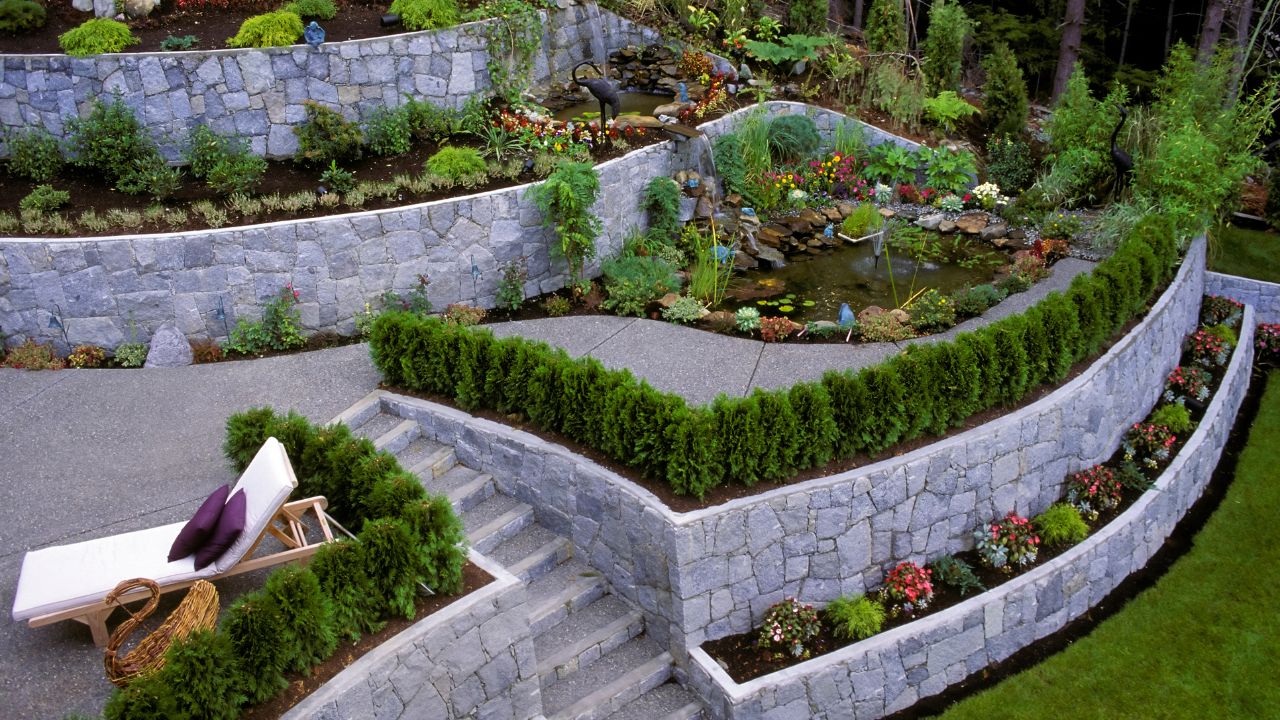
Fencing ranks among the top ROI hardscaping features, appealing to 42% of buyers seeking privacy and defined boundaries. Installation quality and material selection significantly impact longevity and buyer perceptions of value. Retaining wall installation addresses functional drainage issues while creating tiered landscaping that maximizes usable yard space.
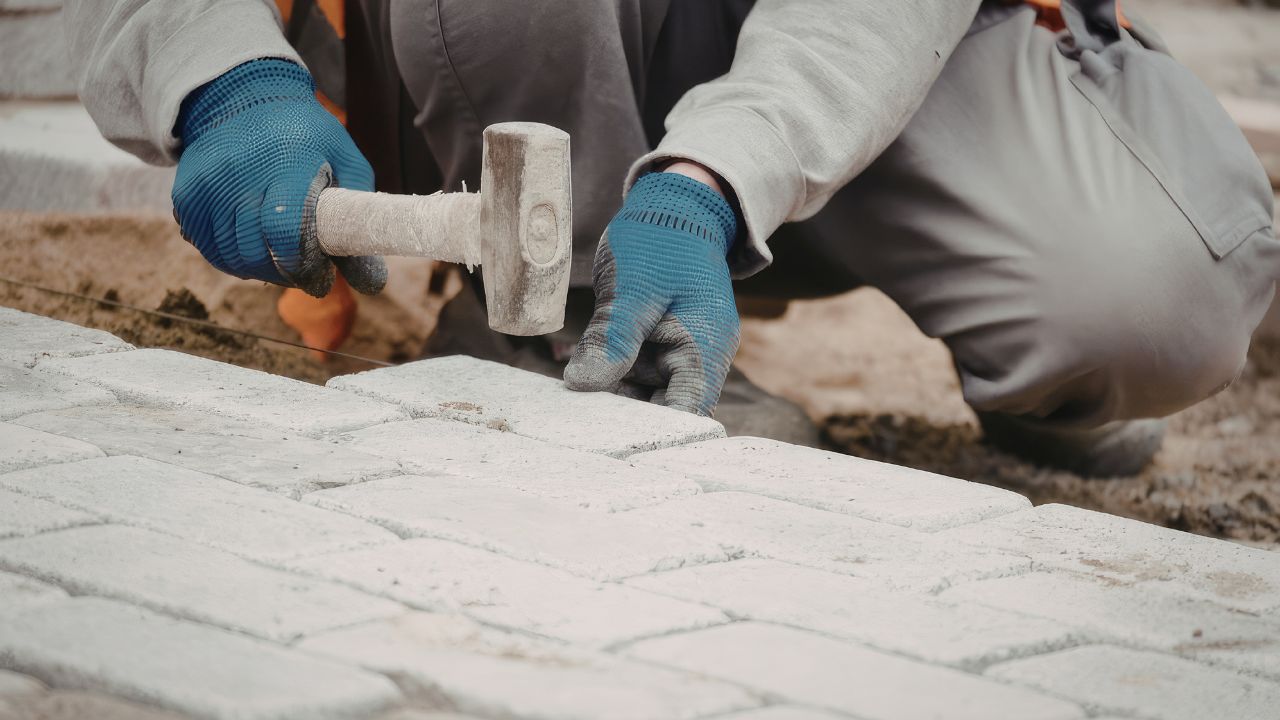
Patios and walkways deliver both aesthetic enhancement and practical utility that buyers immediately recognize. These features require minimal maintenance while withstanding decades of use when properly installed with quality materials. Hardscaping ROI exceeds decorative improvements because structural elements transfer directly to new owners without customization needs.
Professional real estate guidance consistently emphasizes exterior improvements before listing properties in competitive markets. Real estate agent recommendations balance budget constraints against improvements delivering measurable sale price impacts. Strategic pre-listing investments help properties stand out during initial online browsing, which determines showing schedules.
Market-specific knowledge informs which improvements resonate strongest with local buyer demographics and price points. Orange County agents understand regional preferences for specific materials, colors, and design styles that match neighborhood standards. Following professional advice prevents budget waste on improvements that fail to move the sale price needle.
92% of REALTORS recommend improving curb appeal before listing, recognizing its impact on buyer interest and offer amounts. Lawn care and maintenance generate 27% relative ROI, making basic grooming the highest-return investment. Painting and exterior maintenance deliver 17% returns by addressing visible wear that triggers buyer concerns.
These foundational improvements cost significantly less than structural additions while eliminating common buyer objections. Landscape cleanup before listing creates fresh presentations that photograph well for online marketing. Properties demonstrating obvious care receive more showing requests than those requiring the buyer's imagination to envision potential.
Professional landscape lighting installations, averaging $6,800, dramatically improve evening property presentations during peak showing hours. Strategic illumination highlights architectural features and mature landscaping that disappear in standard exterior photography. Twilight images showcasing lit properties generate higher engagement rates in online listings.
Buyers scheduling evening appointments specifically to evaluate outdoor lighting recognize these systems as immediate value additions. Well-designed installations require no purchaser investment while delivering enhanced security and usability. Properties with professional lighting stand out in neighborhoods where competitors rely solely on entry fixtures.
23% of homeowners now invest in landscaping specifically for environmental reasons, reflecting growing sustainability priorities. Gen Z buyers tried climate-conscious landscaping at 64% rates, followed by 40% of Millennials. These younger demographics, comprising the majority market share, respond positively to drought-tolerant designs and water-efficient irrigation.
Native plant selections and permeable hardscaping demonstrate environmental stewardship that aligns with California's conservation mandates. Buyers recognize that reduced water consumption translates to lower utility costs and regulatory compliance. Properties incorporating sustainable practices appeal to environmentally conscious purchasers willing to pay premiums for responsible design.
Strategic investment prioritization ensures maximum value from limited budgets while addressing personal enjoyment during ownership. Long-term residences justify different upgrade approaches than properties being prepared for near-term sales. Understanding ROI timelines helps homeowners select improvements matching their specific ownership horizons.
Professional consultation prevents common mistakes where homeowners overspend on features delivering minimal market impact. Budget allocation should reflect both immediate lifestyle enhancement and eventual resale considerations. Phased improvement strategies allow homeowners to spread costs while maintaining property competitiveness.
LED systems deliver 2-4 year ROI through minimal operating costs and superior reliability for permanent residence applications. Solar's 5-10 year payback makes sense only when electrical access limitations justify battery replacement expenses. Weather-dependent solar performance creates inconsistent illumination that frustrates homeowners expecting nightly reliability.
Solar lights typically produce lower brightness levels insufficient for primary pathway and security applications. Battery replacements every 2-5 years add ongoing costs and environmental disposal concerns. Homeowners prioritizing consistent performance and long-term value choose LED installations despite higher upfront investments.
Regular maintenance preserves upgrade investments and prevents deterioration that undermines improvement value. Seasonal adjustments keep landscapes healthy while irrigation system monitoring prevents water waste and plant stress. Coordinated maintenance and upgrade schedules optimize property presentation across all seasons.
Professional services identify developing issues before they require expensive corrections that impact curb appeal. Integrated planning ensures new installations receive proper ongoing care that maximizes lifespan and appearance. Properties demonstrating consistent attention across maintenance and improvements command premium pricing when listed.
Warm white color temperatures ranging from 2700 K to 3000 K complement Orange County's architectural styles and landscape palettes. These warmer tones flatter natural stone, stucco finishes, and plant material prevalent in Mediterranean designs. Cooler temperatures create harsh appearances that conflict with regional aesthetic preferences.
Consistent color temperature across all exterior fixtures creates cohesive presentations that buyers perceive as professionally designed. Mixed temperatures suggest piecemeal installations lacking comprehensive planning. Properties with unified lighting designs demonstrate attention to detail that sophisticated buyers value.
Budget planning requires understanding both installation costs and ongoing operational expenses across different improvement categories. Initial investments vary significantly between solar, LED, and hardscaping options, requiring distinct financial planning approaches. Long-term ownership costs include maintenance, energy consumption, and eventual replacement, which impact total cost calculations.
Comparing equivalent systems across technologies reveals hidden costs affecting true value propositions. Professional installations typically cost more upfront but deliver superior longevity and performance, justifying premium pricing. Homeowners should evaluate total lifecycle costs rather than initial purchase prices when selecting permanent improvements.
LED small systems cost $800-$2,000 installed compared to solar's $200-$800 range for comparable fixture counts. Monthly LED operating costs of $5-$15 for ten-fixture systems remain consistent regardless of weather conditions. Solar eliminates electricity costs but requires battery replacements, adding periodic expenses throughout the system's lifespan.
Professional low-voltage installation averages $3,500, including transformer and labor, delivering customized designs impossible with solar. DIY solar installation reduces upfront costs, but sacrifices design expertise and reliability guarantees. Total cost comparisons must include replacement cycles and performance consistency over projected ownership periods.
New wood deck installations averaging $16,900 create versatile outdoor rooms supporting multiple entertainment configurations. Outdoor kitchens costing $15,000 provide cooking capabilities that enhance property functionality and buyer appeal. Fire features at $9,000 establish focal points for evening gatherings, extending outdoor season use.
These permanent improvements qualify as capital investments that directly increase property assessments and resale values. Material quality significantly impacts both initial costs and long-term durability, requiring careful vendor selection. Professional installations using proven materials maintain appearance and function across decades of use.
Overall, landscape upgrades average $9,000 for comprehensive redesigns addressing multiple deficiencies simultaneously. Irrigation system installations cost $6,000, delivering water efficiency that reduces ongoing utility expenses. These foundational improvements support all other exterior enhancements by maintaining plant health and appearance.
Standard lawn care at $415 prevents deterioration that quickly undermines more expensive hardscaping and lighting investments. Professional services identify problems early when corrections remain simple and affordable. Integrated service contracts ensure consistent attention that preserves property value between major improvement cycles.
Successful exterior improvements require balancing immediate aesthetic impact with long-term functionality and market appeal. Orange County's competitive real estate environment rewards properties demonstrating quality installations using materials suited to the regional climate and architectural preferences. Strategic planning ensures improvements align with target buyer expectations while supporting homeowner lifestyle goals.
Professional guidance from experienced contractors prevents common mistakes and ensures installations meet local standards. Coordinated approaches addressing landscaping, lighting, and hardscaping create cohesive presentations that buyers perceive as thoughtfully designed properties. Investment prioritization should reflect both immediate sale preparation needs and long-term value preservation.
For nearly four decades, Signature Landscape has helped Orange County homeowners transform properties through comprehensive exterior improvements that enhance daily living while maximizing resale value. Professional planning and quality execution ensure improvements deliver intended results across all ownership timelines.
Curb appeal improvements are most effective when planned and executed by a contractor who understands Orange County's architecture, climate, and buyer expectations. For over 35 years, Signature Landscape has helped homeowners across Newport Beach, Laguna Beach, and the greater Orange County area transform their exteriors into properties that sell faster and for more. From custom hardscaping and outdoor lighting to complete landscape redesigns, we handle every detail — so your home makes the right first impression from day one. Request a free quote to discuss how strategic landscape improvements can position your property for competitive advantage in Orange County real estate.
Schedule A Consultation