Call our Professional Contractors!
(949) 859-9969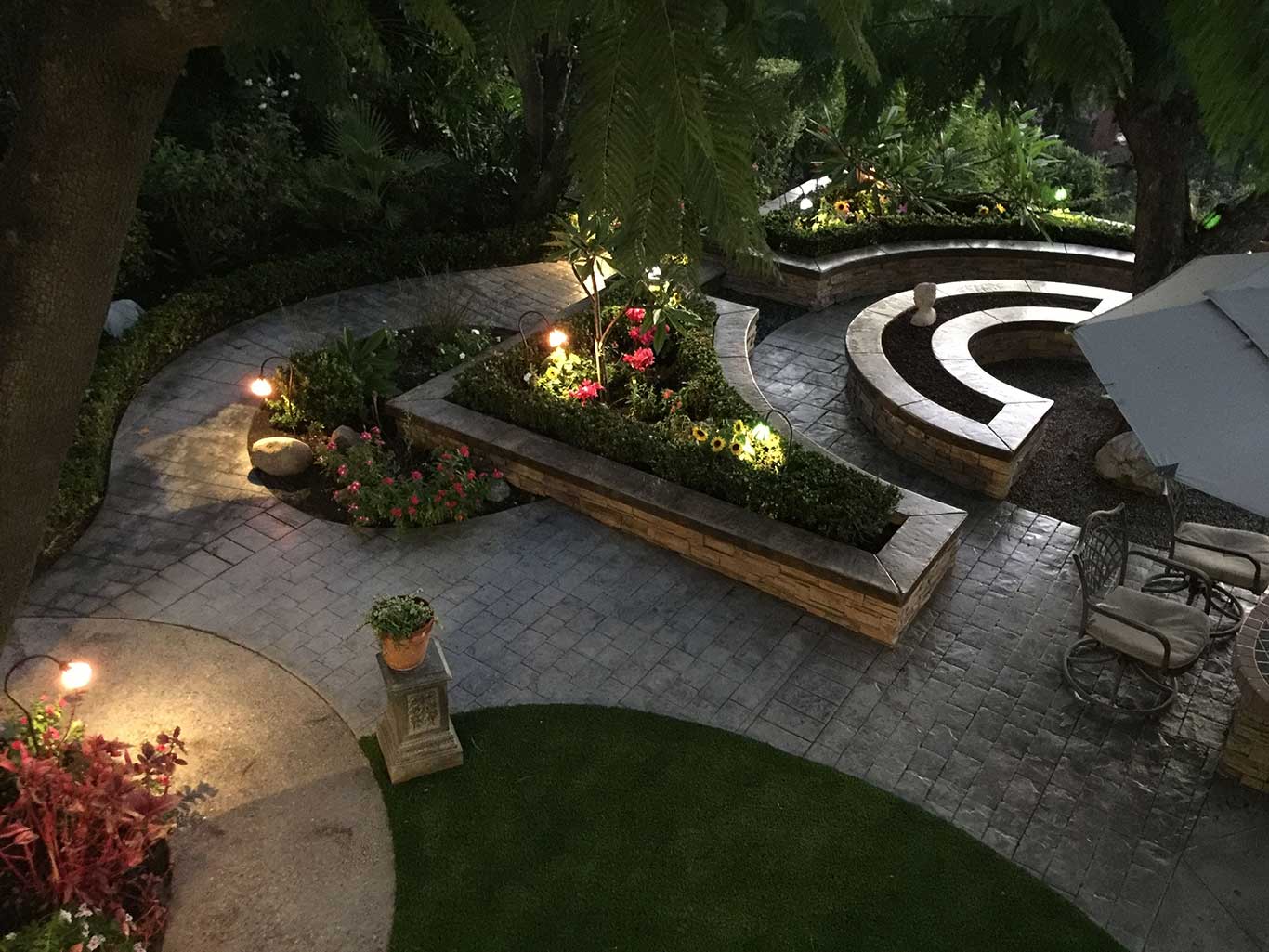
Key Takeaways:
Orange County's winter climate offers unique advantages for outdoor living. While other regions retreat indoors, OC homeowners enjoy comfortable temperatures that support year-round patio use. Creating cozy winter spaces requires strategic design combining warmth, comfort, and ambiance.
The key is optimizing for mild winter conditions rather than extreme cold. Fire features, proper lighting, comfortable furnishings, and smart hardscaping transform outdoor areas into inviting winter retreats. With thoughtful planning, backyards become functional extensions of indoor living throughout cooler months.
Orange County's winter weather differs dramatically from most of the country. Understanding these climate advantages helps homeowners design spaces that maximize outdoor time during cooler months.
Orange County's mild climate provides unique opportunities for year-round outdoor living, with average winter temperatures often hovering in the comfortable mid-60s to low 70s. These temperatures support extended outdoor use with minimal heating. Light sweaters or jackets suffice for most winter evenings.
Daytime temperatures frequently reach the 70s, making outdoor dining and lounging comfortable without supplemental heat. Evening drops to the 50s-60s range require fire features or heaters for extended comfort. This predictable pattern allows reliable winter outdoor planning.
Orange County has over 280 sunny days a year and mild evening temperatures. Limited winter rainfall reduces concerns about constant moisture exposure. Materials don't need extreme weatherproofing common in wetter climates.
Furniture can remain outdoors year-round with basic covers. Cushions and accessories need weather-resistance but not waterproofing for constant downpours. Drainage remains important, but handles occasional rain rather than persistent precipitation.
Favorable winter conditions eliminate the need for an indoor retreat. Many homeowners prefer cooler months for outdoor entertaining—summer heat can be excessive. Winter offers comfortable temperatures without intense sun exposure.
Holiday gatherings and New Year celebrations happen outdoors comfortably. Fire features create cozy focal points, impossible during warm months. Winter outdoor living provides year-round property value rather than seasonal-only spaces.
Winter outdoor spaces serve different purposes than summer areas. Understanding these priorities helps create functional, enjoyable environments for cooler weather use.
Families gather around fire features for conversations and relaxation. Evening outdoor dining becomes more comfortable without summer heat. Game nights, movie watching, and casual entertaining shift outdoors during pleasant winter months.
Kids use outdoor spaces for play without overheating concerns. Pet owners appreciate comfortable outdoor time. The patio becomes a natural gathering spot rather than a seasonal amenity.
Comfort determines whether spaces get used or abandoned. Adequate warmth through fire features or heaters extends usable hours into cooler evenings. Comfortable seating with cushions and throws encourages lingering.
Ambiance creates inviting atmospheres that draw people outdoors. Lighting compensates for earlier sunsets. The right combination of warmth, comfort, and aesthetics makes winter outdoor living appealing rather than merely tolerable.
Entertainers prioritize gathering spaces with ample seating around fire features. Families need flexible zones supporting various activities. Homeowners who cook outdoors year-round require weather-protected kitchen areas.
Lifestyle assessment determines whether to emphasize dining, lounging, or cooking zones. Budget allocation follows usage priorities. Spaces designed around actual usage patterns deliver better long-term satisfaction than generic layouts.
Strategic zone placement maximizes winter comfort and functionality. Different areas serve distinct purposes while maintaining cohesive design.
Patios provide stable, clean surfaces perfect for furniture and fire features. Covered or partially covered patios offer wind protection while maintaining an outdoor feel. Proximity to home allows easy indoor-outdoor transitions for food, drinks, and supplies.
Larger patios accommodate multiple zones—dining, lounging, and warming areas. Built-in seating creates permanent gathering spots. Patio positioning determines sun exposure and wind protection, both critical for winter comfort.
Side yards offer protected spaces sheltered from wind by the home and fence walls. These narrow zones create intimate settings ideal for smaller gatherings. Courtyard configurations provide enclosed environments that trap warmth.
Protected spaces reduce heating needs and increase comfort. Privacy walls or strategic planting enhance enclosure. Side yards work well for secondary seating areas or reading nooks, complementing main patio spaces.
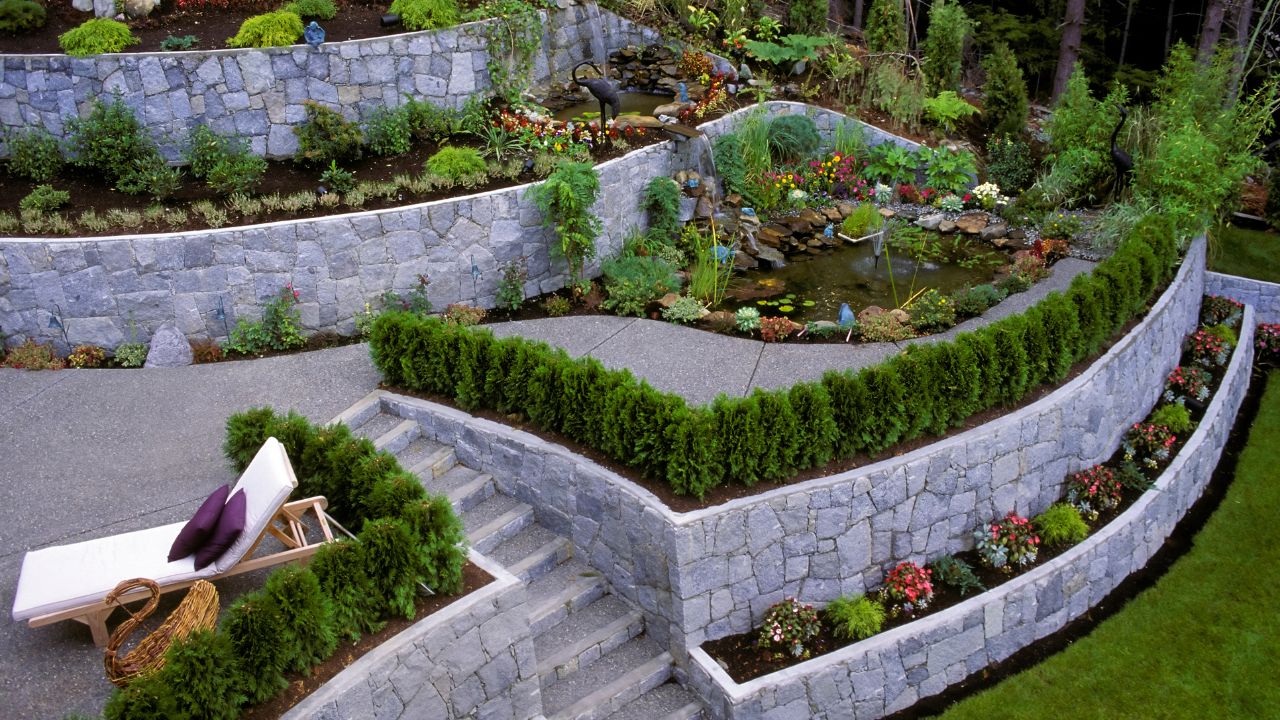
Elevation changes create natural zone separation. Upper levels work for dining, lower levels for lounging. Terracing on sloped properties provides multiple usable areas with distinct purposes.
Each level can feature different heating solutions matched to usage patterns. Steps and retaining walls add visual interest while improving functionality. Multi-level designs maximize usable space on challenging lots.
Quality hardscaping provides the foundation for winter outdoor living. Materials and structures significantly impact comfort, maintenance, and long-term satisfaction.
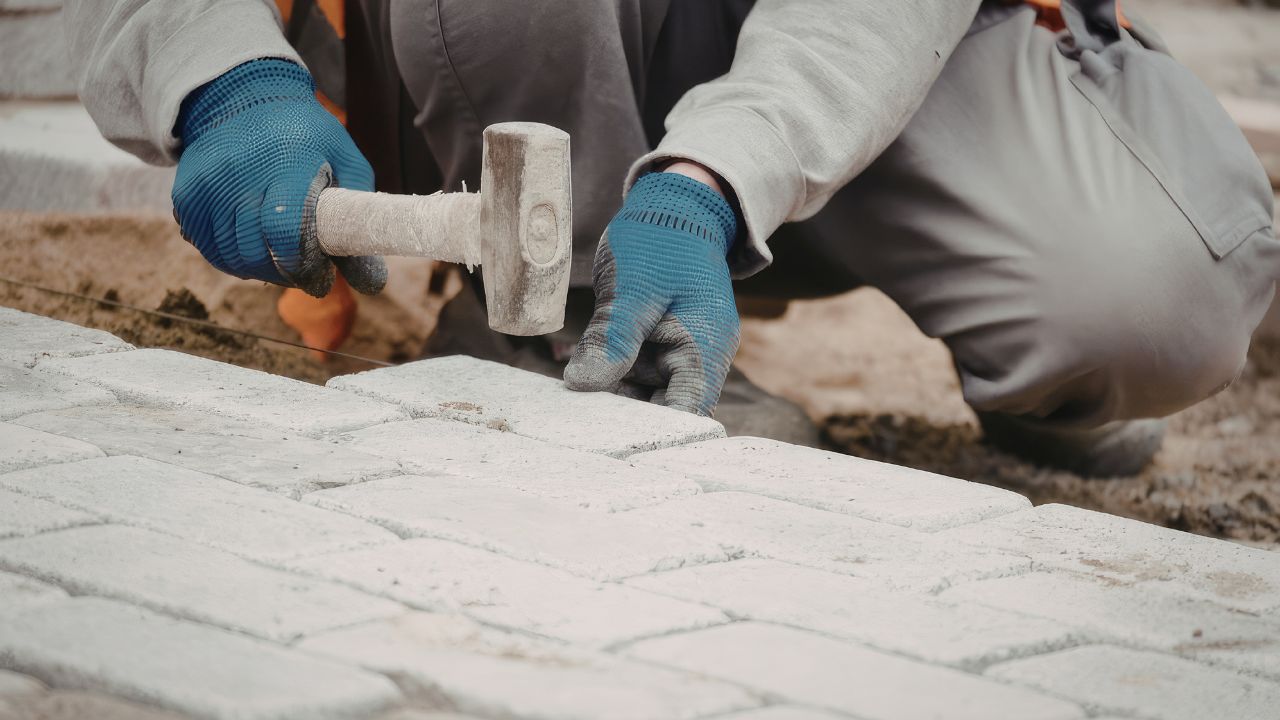
Pavers are manufactured to be three to four times stronger than standard concrete slabs, making them highly resistant to cracking, breaking, and heavy foot traffic. Quick installation options mean homeowners can transform outdoor areas with minimal disruption. Professional installation ensures proper base preparation and drainage, crucial for longevity and preventing issues like shifting or water pooling.
Pavers drain better than concrete, preventing puddles during winter rains. The textured surface provides traction when damp. Individual pavers can be replaced if damaged without redoing entire surfaces. Color and pattern options create attractive foundations for winter furnishings.
Walls create windbreaks that significantly improve comfort. Built-in seat walls provide permanent seating while blocking prevailing winds. Height matters—walls 24-36 inches high block wind at seated level without feeling fortress-like.
Retaining walls on sloped properties serve dual purposes—structural support and wind protection. Position walls strategically based on typical winter wind patterns. Walls also reflect heat from fire features back toward seating areas.
Built-in kitchens eliminate hauling equipment outdoors during cooler months. Enclosed cabinetry protects appliances from winter weather. Countertop space supports food prep in comfortable outdoor temperatures.
Winter grilling becomes practical with permanent installations. Gas connections ensure reliable operation. Islands positioned near covered areas or walls gain wind protection. The combination of cooking heat and ambient warmth from fire features creates comfortable cooking zones.
Warmth determines winter outdoor living success. Multiple heating options serve different needs and budgets.
Fire features are the centerpiece of any winter-ready outdoor space. A fire pit or an outdoor fireplace creates a natural gathering spot, providing both warmth and a captivating focal point. Gas-powered fire pits and tables are particularly popular due to their convenience, offering instant heat and ambiance at the flick of a switch.
Wood-burning options provide traditional ambiance but require more maintenance. Fire tables integrate warmth with functional surfaces for drinks and food. Position fire features as gathering anchors with seating arranged to maximize warmth distribution. Most OC jurisdictions allow fire pits with proper clearances.
Outdoor heaters, available in electric or powerful gas-powered models, can keep the entire patio comfortable for guests. Heaters work well for areas too large for fire features to warm effectively. Mounted or freestanding options suit different layouts.
Electric heaters offer precision control and cleaner operation. Gas heaters provide more heat output for larger spaces. Position heaters to warm seating zones without creating hot spots. Heaters complement fire features by warming perimeter areas.
Comfortable, weather-resistant furnishings with plush cushions and blankets encourage guests to linger and enjoy the crisp winter air. Arrange seating in conversation circles around fire features. Distance matters—position chairs 4-6 feet from fire pits for optimal warmth without excessive heat.
Create enclosed seating areas using furniture arrangement and walls. Lower seating retains warmth better than high bar stools. Add outdoor rugs to insulate from cool paving surfaces. Layered seating options accommodate varying comfort preferences.
Strategic planting enhances winter comfort and aesthetics. The right plants provide year-round interest while improving functionality.
Evergreens maintain visual interest when deciduous plants go dormant. California natives like toyon and manzanita offer winter berries and texture. Structured shrubs provide greenery without requiring frequent maintenance.
Boxwood, pittosporum, and similar plants create formal or informal borders. Winter-flowering plants like camellias add seasonal color. Layered planting heights create depth and visual warmth even in cooler months.
Dense evergreen hedges block wind while providing privacy. Bamboo or tall grasses create permeable windbreaks that reduce gusts without solid barriers. Strategic placement protects seating areas from prevailing winds.
Living walls feel less imposing than hardscape alternatives. Plants soften hard edges and improve ambiance. Height requirements vary—6-8 feet provides good wind protection and privacy for seated areas. Combine plants with walls for maximum wind reduction.
California natives thrive with minimal winter care. Drought-tolerant selections reduce maintenance since winter brings limited rainfall. Succulents maintain an appearance year-round without intensive upkeep.
Ornamental grasses provide movement and texture through winter. Lavender, rosemary, and sage offer fragrance and evergreen presence. Select plants requiring minimal pruning or feeding during the winter months. Native plants align with OC's natural winter rainfall patterns.
Lighting becomes critical as daylight hours shorten. Décor elements enhance comfort and visual warmth during cooler months.
With shorter daylight hours, a well-designed lighting scheme is essential. String lights, lanterns, and strategically placed LED uplighting can transform a dark patio into a warm and inviting retreat. Multiple light sources at varying heights create depth and interest.
Pathway lighting ensures safe navigation. Uplighting on walls and plants adds drama. Dimmable systems allow mood adjustment. Warm color temperatures (2700K-3000K) create cozier atmospheres than cool white lighting. Solar options reduce installation costs but may underperform during shorter winter days.
Textiles add immediate warmth and comfort. Weather-resistant pillows in rich colors create inviting seating. Outdoor rugs define spaces while insulating from cool surfaces. Throws encourage guests to bundle up and stay comfortable.
Seasonal color schemes shift toward warmer tones—deep reds, oranges, and earth tones. Texture matters—chunky knits and soft fabrics feel cozier than smooth materials. Accessories update spaces affordably between seasons. Storage solutions protect textiles when not in use.
Warm color palettes psychologically increase perceived warmth. Rich browns, deep greens, and warm grays suit winter settings. Materials like wood and natural stone feel warmer than metal or glass.
Texture creates visual and tactile interest. Mix smooth and rough surfaces. Layer materials for depth—combine pavers with wood accents and textile elements. Avoid stark, minimalist designs that feel cold. Aim for richness and layering that suggests comfort.
Systematic planning ensures winter spaces meet functional needs while staying within budget. Each phase builds toward a cohesive, comfortable result.
Assess existing conditions, including sun exposure, wind patterns, and access points. Identify areas with natural wind protection or southern exposure. Measure available space for proposed features.
Consider typical winter activities—entertaining, family time, or solitary relaxation. Estimate frequency of use and typical guest counts. Understanding actual usage prevents over-building or under-serving real needs. Track the sun's movement during the winter months to optimize positioning.
Rank features by importance to lifestyle. Most winter spaces prioritize fire features as focal points. Determine whether dining or lounging takes precedence. Budget allocation follows priority ranking.
Essential features get specified first, optional elements later. Consider whether cooking happens outdoors year-round or seasonally. Space limitations may require choosing between competing priorities. Be realistic about what gets used versus what sounds appealing.
Designers create scaled drawings showing feature placement and circulation paths. Zone definitions establish distinct areas for different activities. Traffic flow planning prevents awkward movements between spaces.
Multiple layout options explore different approaches. 3D renderings help visualize final results. Concept plans identify potential issues before construction. Revisions refine layouts based on homeowner feedback and site constraints.
Pavers provide endless design possibilities, with a wide array of colors, shapes, and patterns customized to complement any architectural style. Material selections balance aesthetics, durability, and maintenance. Finishes should handle winter moisture without becoming slippery.
Plant selections emphasize year-round interest and winter performance. Color schemes use warm tones appropriate for cooler months. Texture combinations create visual richness. All selections must suit OC's climate and homeowner maintenance preferences.
Ideal construction happens in late summer or fall, completing before winter arrives. This timing allows immediate winter enjoyment. Spring construction works for next winter but miss the current season.
Project timelines vary based on scope—simple installations take weeks, complex builds require months. Factor in permit processing and material lead times. Schedule completion with buffer time before planned winter events. Year-round OC climate allows flexible construction timing.
Winter outdoor living involves various cost components. Understanding pricing helps prioritize features and avoid budget overruns.
Gas fire pits cost $2,000-5,000 installed, including gas lines. Wood-burning pits range $800-3,000. Outdoor fireplaces run $3,000-10,000, depending on size and materials. Custom designs increase costs significantly.
Quality outdoor seating costs $200-800 per piece for weather-resistant furniture. Built-in seating walls run $50-150 per linear foot. Lighting systems cost $1,500-4,000 for comprehensive coverage. Patio heaters range $200-1,500 each, depending on type and quality.
Pavers cost $15-30 per square foot installed. Concrete runs $8-18 per square foot. Natural stone exceeds $30-50 per square foot. Material durability and aesthetics justify price differences for many homeowners.
Consider long-term maintenance costs. Cheaper initial materials may cost more over time through repairs and replacements. Quality installations last for decades with minimal intervention. The budget should account for the total project scope, not just surface materials.
Phase one might include basic patio and fire feature—minimum viable winter space. Phase two adds lighting, landscaping, and accessories. Phase three incorporates an outdoor kitchen or advanced features.
Phasing spreads costs across multiple budget cycles. Initial phases establish functionality, later phases enhance aesthetics. Staged construction allows testing what works before additional investment. Most homeowners find phased approaches more financially manageable.
Winter maintenance differs from summer upkeep. Orange County's mild climate simplifies winter care compared to harsh winter regions.
Pavers are incredibly low-maintenance—should a paver become stained or damaged, it can be individually replaced without redoing the entire surface, a significant advantage over monolithic concrete surfaces. Sweep weekly to prevent debris buildup. Occasional rinsing removes dirt and pollen.
Winter rain naturally cleans surfaces. Check for any settling or drainage issues during rainy periods. Remove leaves and organic debris that can stain. Joint sand may need replenishment annually. Sealing protects against winter moisture—apply every 2-3 years.
Gas fire features need an annual professional inspection before the winter season. Clean burners and check gas connections. Remove debris from fire bowls or pits. Wood-burning features require ash removal and chimney cleaning if applicable.
Verify proper clearances from furniture and combustibles. Test ignition systems before guests arrive. Keep fire extinguishers accessible. Cover fire features when not in use to prevent water accumulation. Most maintenance tasks take minimal time but ensure safe operation.
Clean light fixtures monthly to maintain brightness. Replace bulbs promptly—LED bulbs last years, but eventual replacement becomes necessary. Check timer settings as daylight hours change. Verify ground stakes remain secure.
Store cushions and throws when not in use to extend life. Spot clean as needed. Outdoor rugs should be shaken out or vacuumed regularly. Weather-resistant doesn't mean maintenance-free—routine care preserves appearance and function.
Contractor selection impacts project quality and satisfaction. Specialized expertise in outdoor living design ensures functional, attractive results.
Review portfolios showing completed winter outdoor living spaces with fire features, covered areas, and lighting. Look for projects demonstrating understanding of comfort and ambiance, not just hardscape installation. Experience with OC climate and regulations matters.
Verify proper licensing—C-27 for landscape contractors. Check references specifically about winter-use spaces. Visit completed projects if possible. Contractors should understand heating, lighting, and comfort requirements beyond basic patio construction.
Integrated design creates cohesive spaces where hardscape and landscape elements work together. Single contractors coordinate all phases without multiple vendor management. Design vision remains consistent throughout execution.
Unified warranties cover the entire project. Scheduling simplifies dramatically. Cost efficiencies emerge from bundled services. Contractors handling both aspects understand how elements interact—crucial for functional winter spaces.
Ask about experience designing for winter use specifically. Inquire about heating options and their effectiveness in the OC climate. Discuss lighting strategies for winter evenings. Request examples of similar completed projects.
Clarify project timeline and completion targets. Understand warranty coverage for all components. Discuss maintenance requirements and expectations. Ask about material longevity in winter conditions. Verify permit handling and code compliance procedures.
Orange County's exceptional winter climate makes year-round outdoor living not just possible but genuinely enjoyable. Strategic design transforms backyards into cozy retreats that rival indoor comfort while offering fresh air and natural ambiance.
Signature Landscape specializes in creating custom winter outdoor living spaces throughout Orange County. Our team designs and builds complete solutions—from fire features and patios to lighting and landscaping—tailored to your lifestyle and property. Contact Signature Landscape today to start planning your winter outdoor sanctuary.
Schedule A Consultation