Call our Professional Contractors!
(949) 859-9969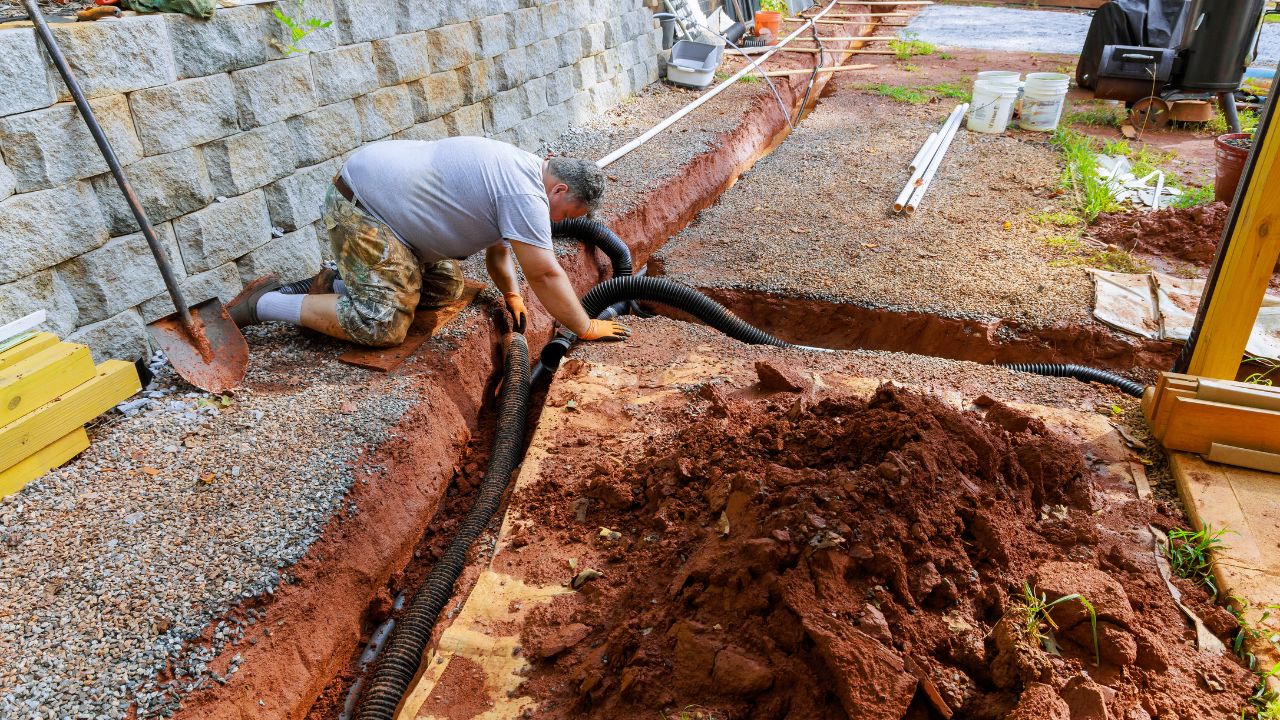
Key Takeaways:
Spring planning prevents catastrophic winter damage costing $50,000 to $75,000 over ten years. Proactive drainage installation in April through June costs $5,000 to $15,000 avoiding foundation repairs exceeding $50,000, basement flooding cleanup reaching $10,000, and hardscape replacement totaling $25,000. Break-even occurs within three years with net ten-year savings approaching $60,000.
Proper timing, dry soil conditions, competitive contractor pricing, and optimal material procurement make spring the superior season for permanent protection. Strategic investment today eliminates winter emergency premiums reaching 40% above standard rates.
Winter drainage failures cause foundation damage, ice dams, basement flooding, and landscape destruction. Freeze-thaw cycles create expansion pressure destroying structures progressively. Water saturates soil near foundations creating hydrostatic pressure forcing entry into basements. Inadequate drainage systems overwhelmed by snowmelt lead to catastrophic failures requiring emergency intervention. Preventable problems become expensive emergencies without spring intervention. Understanding winter risks justifies proactive investment protecting property value and structural integrity.
Water expands 9% when freezing exerting immense pressure in concrete pores and micro-cracks. Creates progressive deterioration particularly destructive in older concrete. Emergency plumber costs range $100 to $500 averaging $170 hourly. Standard rates $45 to $150 per hour triple for after-hours calls. Emergency call-out fees reach $400 including first hour labor.
Nonuniform roof temperatures cause snow melting on warmer sections above living spaces from heat loss. Meltwater refreezes on colder eaves forming ice ridges preventing drainage causing water backup into homes. Damage includes water-stained ceilings, dislodged shingles, sagging gutters, peeling paint. Wet attic insulation loses effectiveness with lower R-values perpetuating ice dam cycles. Water infiltration causes insulation sagging, rotting structural members, corroded fasteners, mold growth.
Professional removal costs $700 to $900 per hour with projects averaging $650 to $2,400 reaching $4,000. Prevention requires attic insulation R-30 to R-38 in northern climates with good airflow and regular gutter cleaning.
Freeze-thaw cycles loosen soil, increasing erosion susceptibility. Pugging from animal hooves reduces pasture productivity 20% to 80% in a year following damage with 20% loss persisting after recovery. Waterlogged soil creates anaerobic bacteria causing foul odors, bare patches, yellowing grass from root rot. Plants struggle in oxygen-deprived conditions with dead patches from alternating wet-dry stress. Landscape erosion restoration costs $2,000 to $8,000 for rills, gullies, topsoil loss, exposed tree roots.
Spring planning delivers measurable financial returns preventing emergency repairs while protecting property values. Optimal timing leverages favorable weather conditions and contractor availability maximizing installation quality. Material procurement advantages ensure proper component delivery avoiding costly delays. Comprehensive data proves proactive approach is financially superior to reactive crisis management. Investment protection through strategic planning justifies upfront costs delivering long-term value appreciation. Understanding economic benefits motivates decisive action.
Proactive investment totals $10,250: French drain $5,500, grading $3,500, maintenance $1,250. Reactive costs reach $45,000: foundation repair $32,500, basement flood cleanup $12,500. Single incident savings: $34,750.
Ten-year proactive total: $18,000. Ten-year reactive total: $77,000 including year-four foundation repair $15,000, year-ten underpinning $25,000. Net savings: $59,000. Break-even within two to three years. Property value increases $5,000 to $15,000. Insurance premiums reduce $200 to $500 annually. Homes with drainage issues sell 5% to 10% below market 20 to 30 days slower.
Dry soil conditions April through June enable accurate installation. Ground workable after winter thaw before heavy summer rains. Warmer temperatures reveal existing failures as water surfaces through cracks. Spring rains show drainage patterns clearly.
Better contractor availability May through July provides four to eight week lead times versus winter scarcity. Spring maintains standard rates. Summer adds 5% premium. Fall provides a 5% discount. Winter standard drops 10%. Winter emergency surges 40%. Material procurement requires four to eight weeks of summer versus winter delays. Concrete and hardscaping curing requires 50°F minimum. Frozen winter ground causes delays, inaccurate assessments, compromised performance.
Foundation repair costs $15,000 to $50,000. Minor crack repair averages $1,500. Major cracks cost $2,000 to $8,500. Underpinning severe damage runs $10,000 to $50,000 plus. Early hairline crack detection costs $200 to $800. Left unaddressed escalates to $10,000 plus. Foundation reinforcement runs $4,000 to $12,000. Soil reports cost $500 to $3,000.
Basement flooding cleanup costs $2,000 to $10,000. Mold remediation averages $5,000. Basement waterproofing averages $5,228 ranging $2,459 to $8,186. Hardscape replacement for driveways averages $8,000. Patios average $5,000. Total hardscape damage ranges $8,000 to $25,000. Freeze-thaw causes cracking, heaving, and spalling. Downspout emergency repairs average $1,000 with winter conditions complicating work requiring professional drainage repair.
Critical spring tasks prevent winter damage through systematic inspection, identification, and repair protocols. Identifying problems early when conditions allow thorough assessment enables timely intervention before ground freezes. Focused effort on vulnerable points including foundations, roofs, gutters, and drainage pathways protects the entire property comprehensively. Strategic preparation maximizes investment protection ensuring systems function optimally during harsh winter conditions. Methodical approach prevents overlooked vulnerabilities.
Walk property after rain identifying standing water pooling areas. Inspect foundation walls for new or widening cracks indicating structural stress. Check the basement for water stains, dampness, musty odors signaling moisture intrusion. Spring assessment reveals issues before winter freeze preventing progressive damage. Systematic documentation tracks problem evolution guiding intervention priorities.
Vertical cracks one-eighth inch or wider indicate settling worsening with water pressure requiring monitoring. Horizontal cracks signal lateral soil pressure from saturated ground demanding immediate attention. Stair-step cracks indicate differential settling, often water-related, needing professional evaluation. Bowing walls show severe hydrostatic pressure from poor drainage threatening structural integrity. Water stains indicate previous or ongoing intrusion requiring source identification. Damp spots signal active failure needing urgent correction. Musty odors indicate mold growth from chronic moisture creating health hazards. Peeling paint indicates moisture penetration through walls. Floor cracks show pressure from below requiring immediate professional attention.
Adequate attic insulation R-30 to R-38 prevents ice dams. Maintain good attic ventilation controlling heat loss. Professional assessments including blower door tests and infrared inspections identify heat loss. Interior repairs only after heat loss problems are corrected. Regular gutter cleaning proves crucial. Remove snow using roof rake preventing ice dam formation maintaining functionality.
Standing water persisting 24 hours signals poor drainage. Soggy soil indicates inadequate drainage. Ball test: soil holding shape when squeezed indicates saturation. Ribbon test: soil ribbon extending four to five inches indicates too wet.
Overflowing indicates clogged gutters. Sagging sections show water weight. Separated joints show water stress. Water discharge near the foundation requires extensions. Erosion at discharge shows concentrated flow. Extend downspouts six to ten feet from foundation preventing saturation. Underground pipes provide permanent solutions.
Spring landscaping modifications directly impact winter water management effectiveness and longevity. Proper grading establishes correct slopes directing water away from foundations preventing accumulation and infiltration. Soil preparation addresses compaction and permeability issues enabling proper water movement through ground layers. Drainage integration coordinates surface and subsurface systems preventing conflicts and redundancies. Strategic improvements protect foundations and landscapes simultaneously maximizing system efficiency. Coordinated approach combining multiple elements ensures comprehensive protection delivers superior results compared to isolated interventions.
Professional assessment costs $200 to $500. Soil testing runs $150 to $300. Permits cost $50 to $500. Engineering consultation ranges $500 to $2,000. French drains cost $20 to $50 per foot totaling $3,000 to $8,000. Regrading runs $2,000 to $5,000. Catch basins cost $1,500 to $4,000. Downspout extensions total $200 to $600. Dry wells cost $1,500 to $3,000. Sump pumps with backup run $800 to $1,200. Typical comprehensive projects cost $5,000 to $15,000 preventing $50,000 to $75,000 in winter emergency repairs over ten years.
Clay soils feature tiny packed particles with poor drainage and high water retention. Highly susceptible to compaction reducing pore space and drainage rates. Clay-heavy soils are especially problematic in high-traffic areas. Ribbon test: four to five inch ribbon equals too wet. Ball test: ball holding together indicates excessive moisture. Avoid cultivating wet soils preventing compaction damage.
Visible rills and gullies indicate erosion. Exposed tree roots from topsoil erosion. Small channels carved by flowing water. Soil deposits at property edges. Strategic use of ground covers in drainage paths slows water while filtering sediments.
Minimum 2% slope away from foundation equals two-foot drop per 100 feet. A positive slope prevents water flowing toward the foundation. Negative slope requires immediate professional regard. Professional grading costs $1,000 to $5,000 plus. Spring proves ideal with visible issues and workable soil. Site preparation costs $300 to $1,000. Most critical drainage element protecting foundation long-term.
Outdoor feature preparation prevents winter damage to irrigation systems, hardscapes, and landscaping elements. Systems require thorough inspection identifying wear and vulnerabilities before harsh conditions arrive. Maintenance addresses minor issues preventing progression to major failures under winter stress. Protective measures shield vulnerable components from freeze-thaw damage and ice expansion. Spring work ensures functionality through harsh conditions protecting significant investments. Comprehensive winterization protects property value, preventing expensive replacements while extending component lifespan through proper care.
Test sump pump operation and discharge line functionality ensuring reliable performance. Verify discharge properly directed away from foundation preventing water accumulation near structures. Monthly testing recommended including float switch operation, discharge line patency, high-water alarms confirming multi-layer protection. Service systems complete each fall ensuring winter functionality when passive drainage proves insufficient during heavy snowmelt periods. Regular maintenance prevents failures during critical high-demand periods.
Sump pump integration adds $500 to $1,500 providing active water management. Battery backup recommended preventing basement flooding during power outages common in winter storms. Prevents basement flooding during winter thaws when passive drainage insufficient managing rapid snowmelt volumes. Active system complements passive drainage handling excess water effectively protecting basements comprehensively.
Water penetrates porous materials freezing and expanding 9% causing cracking and spalling. Progressive damage creates larger voids exacerbating cycles. Freeze-thaw cycling accounts for 80% of foundation damages in coastal regions. Surface spalling flakes outer layer. Internal cracking propagates to the surface.
Grade SW brick suits severe weathering areas. Grade MW brick for moderate weathering. Low water-to-cement ratio concrete reduces permeability. Air-entrained concrete 4% plus accommodates ice expansion. High-strength concrete 6,000 psi increases tensile strength. Proper drainage and sloping controls groundwater eliminating capillary action.
Address clay soil compaction through aeration and amendments improving drainage. Avoid heavy machinery on wet soils. Compaction is difficult to reverse, reducing plant health. Stabilize bare soils with vegetation preventing rills and gullies protecting root systems. Prevents waterlogged soil causing root rot. Maintains oxygen availability reducing stress promoting healthy landscapes.
Early preparations preserve property value preventing devaluation. Foundation protection, aesthetic maintenance, and documented care enhance marketability. Financial returns justify investment. Long-term value protection proves substantial.
Frozen soil expansion creates $15,000 to $50,000 repair costs. Hydrostatic pressure causes cracking and bowing. Frost heave leads to structural movement. Water-saturated freezing soil creates immense pressure threatening integrity.
Spring inspects and cleans gutters, tests systems, identifies problems, schedules work. Summer executes installations, grading, hardscape work, testing. Fall conducts final inspections, winterization, and clearing. Winter observes, documents, addresses minor issues. Re-establish grading with 15 centimeter drop over the first two meters. Camera inspect drain tiles. Install window wells. Inject cracks: epoxy for stable, polyurethane for active leaks. Plan interior drainage systems for spring. Schedule exterior waterproofing late spring for optimal conditions and supports water-smart landscaping in Orange County drought rebate programs.
Proper drainage increases property value $5,000 to $15,000. Homes sell 20 to 30 days quicker with documented maintenance. Prevents visible erosion, bare patches, dead landscaping, cracked driveways, stained foundations, sagging gutters all reducing attractiveness. Gutter cleaning twice yearly costs $150 to $300. Annual drain inspection runs $100 to $250. Sump pump service costs $100 to $200. Annual maintenance totals $550 to $1,250 significantly less than emergency repairs.
Avoided emergency repairs total $50,000 to $75,000 over ten years. Insurance premiums reduce $200 to $500 annually. Energy costs decrease $100 to $300 annually from dry basements. Avoided temporary housing saves $2,000 to $10,000.
Drainage issues reduce sale prices 5% to 10%. Proper systems add $5,000 to $15,000 resale value. Faster sale averages 20 to 30 days quicker reducing carrying costs. Dry basements add functional space. Eliminates odors and mold maintaining healthy environments. Reduces storm stress. Healthy landscaping enhances standing. Prevents structural failures. Eliminates health hazards. Reduces slip-fall liability. Protects insurance premiums long-term.
Professional expertise ensures proper diagnosis and installation. Complex projects exceed DIY capabilities requiring specialized knowledge. Timing consultations optimally maximizes effectiveness. Strategic professional engagement protects investment.
Professional assessment costs $200 to $500 including site evaluation and detailed recommendations identifying DIY-missed issues. Testing soil permeability determines solutions. Surveying topography reveals natural patterns. Determining the water table affects design. Evaluating climate ensures adequacy. Camera inspection every five years identifies blockages, cracks, root intrusion pinpointing exact locations preventing unnecessary excavation. Foundation inspection every two to three years. Sump pump service every two years. Gutter professional cleaning annually of trees nearby. Grading verification every three to five years ensures proper slope.
General yard drainage costs $1,000 to $6,400. Trenchless drain repair runs $125 to $250 per foot totaling $3,000 to $8,000. Other drain repair costs $350 to $450 per foot. Permits cost $50 to $500 requiring two to four weeks processing. Professionals handle applications ensuring code compliance avoiding violations.
Waterproofing labor averages $200 per hour. Drainage professionals cost $50 to $100 per hour. Expertise prevents mistakes ensuring long-term effectiveness. Higher upfront costs prevent future repairs. High water tables require specialized solutions. Challenging soil conditions need expert assessment. Multiple problem areas benefit from comprehensive approaches. Tight spaces require specialized equipment. Custom solutions ensure effective protection.
Spring March through May proves prime season. Snowmelt and rains reveal patterns. Ground thaws making issues visible. Water surfaces through warming cracks. Soil workability allows immediate testing. Time to schedule summer repairs maximizing preparation.
Observe active flow during and after rain. Areas where snow melts last indicate poor drainage. Basement moisture with spring thaw signals failures. Foundation cracks widening with freeze-thaw require attention. Erosion from runoff shows vulnerabilities. After major events including heavy rain, rapid snowmelt, temperature swings conduct inspections. Monthly test sump systems and verify clear paths. Each fall service systems, seal window wells, clear debris. Bi-annual comprehensive inspections maintain optimal performance.
Spring planning delivers immediate and long-term protection. A comprehensive approach addresses all vulnerability points. Strategic investment prevents catastrophic damage. Professional guidance ensures optimal results.
Avoid winter 40% emergency premiums. Competitive spring pricing maintains standard rates. Better availability provides four to eight week lead times. Material procurement eliminates delays ensuring timely completion.
Break-even within two to three years. Ten-year savings reach $50,000 to $60,000. Avoided repairs total $50,000 to $75,000. Property value increases $5,000 to $15,000. Foundation preservation prevents $15,000 to $50,000 repairs. Basement protection avoids $2,000 to $10,000 cleanup. Hardscape longevity prevents $8,000 to $25,000 replacement. Landscape integrity saves $2,000 to $8,000 restoration. Ice dam prevention avoids $700 to $4,000 removal. Provides dry basements, healthy environments, reduced stress, peace of mind. Insurance savings $200 to $500 annually compound benefits.
Spring: Walk property after rain, inspect foundations, check basements, test sump pumps, clean gutters, verify 2% slope, get quotes, schedule installations. Summer: Complete French drains, perform regrading, install catch basins and dry wells, extend downspouts, test systems, monitor performance, document work. Fall: Final gutter cleaning, inspect systems, clear debris, verify unchanged grading, winterize irrigation, insulate pipes, photograph conditions. Winter: Observe snowmelt patterns, monitor ice dams, check basement moisture, clear foundation snow three to four feet, remove ice from outlets, test pumps monthly, document issues.
Annual routine costs $550 to $1,250. Minor repairs $200 to $700. Protects $10,000 to $15,000 investment. Foundation inspection every two to three years. Camera inspection every five years. Sump service every two years. Professional gutter cleaning annually. Grading verification every three to five years. Document observations tracking changes. Update property drainage map. File warranties. Maintain contractor contacts. Review checklist annually. Stay proactive preventing emergencies. Initial investment $10,000 to $15,000. Annual maintenance $700 to $1,000. Expected ten-year savings $50,000 to $60,000. Benefits include value protection, insurance savings, quality of life.
Spring drainage planning prevents winter catastrophes saving tens of thousands in emergency repairs. Break-even within three years. Ten-year savings exceed $50,000. Property values increase while stress decreases. Don't wait for foundation cracks forcing crisis interventions costing $15,000 to $50,000.
Signature Landscape specializes in comprehensive drainage solutions for Orange County properties. Our licensed professionals assess soil conditions, design code-compliant systems, install warranted solutions protecting investments. Request a free quote for comprehensive drainage solutions protecting Orange County properties through winter challenges.
Schedule A Consultation