Call our Professional Contractors!
(949) 859-9969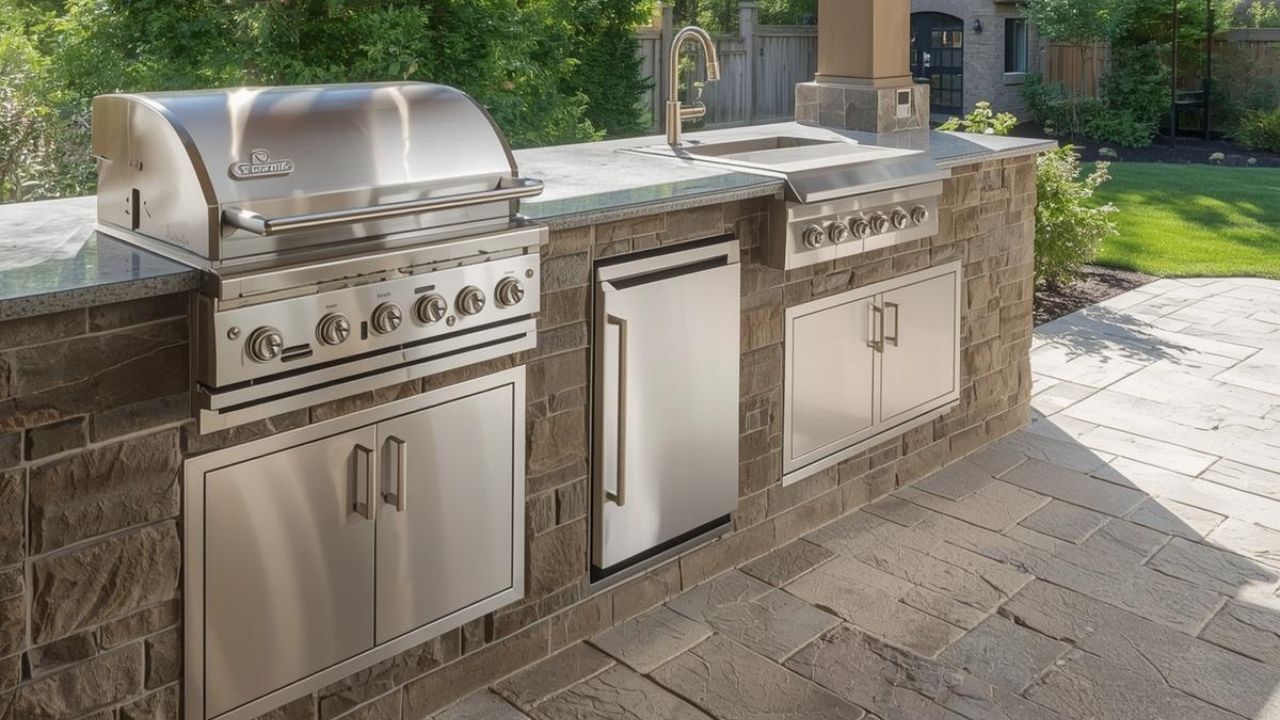
Planning an outdoor kitchen requires understanding the intersection of material costs, labor requirements, and regional compliance factors. Orange County homeowners face unique considerations, including strict permitting timelines, environmental regulations, and demographic-driven design preferences that directly influence total project investment.
This guide provides detailed cost breakdowns across budget tiers, material comparisons, and regulatory requirements for 2026 projects. Accurate budget planning depends on understanding how each component—from countertop selection to permit processing—contributes to your total outdoor kitchen costs.
Key Takeaways
An outdoor kitchen extends indoor culinary functionality into exterior living spaces through weather-resistant appliances, durable countertops, and integrated storage solutions. These installations range from simple grill stations with basic prep areas to comprehensive cooking environments featuring refrigeration, sinks, and full appliance suites.
Core components include hardscape foundations, built-in cooking appliances, countertop surfaces, cabinetry, and utility connections for gas, water, and electricity. The foundation typically incorporates concrete pavers, flagstone, or poured concrete to create stable surfaces that withstand Orange County's climate conditions.
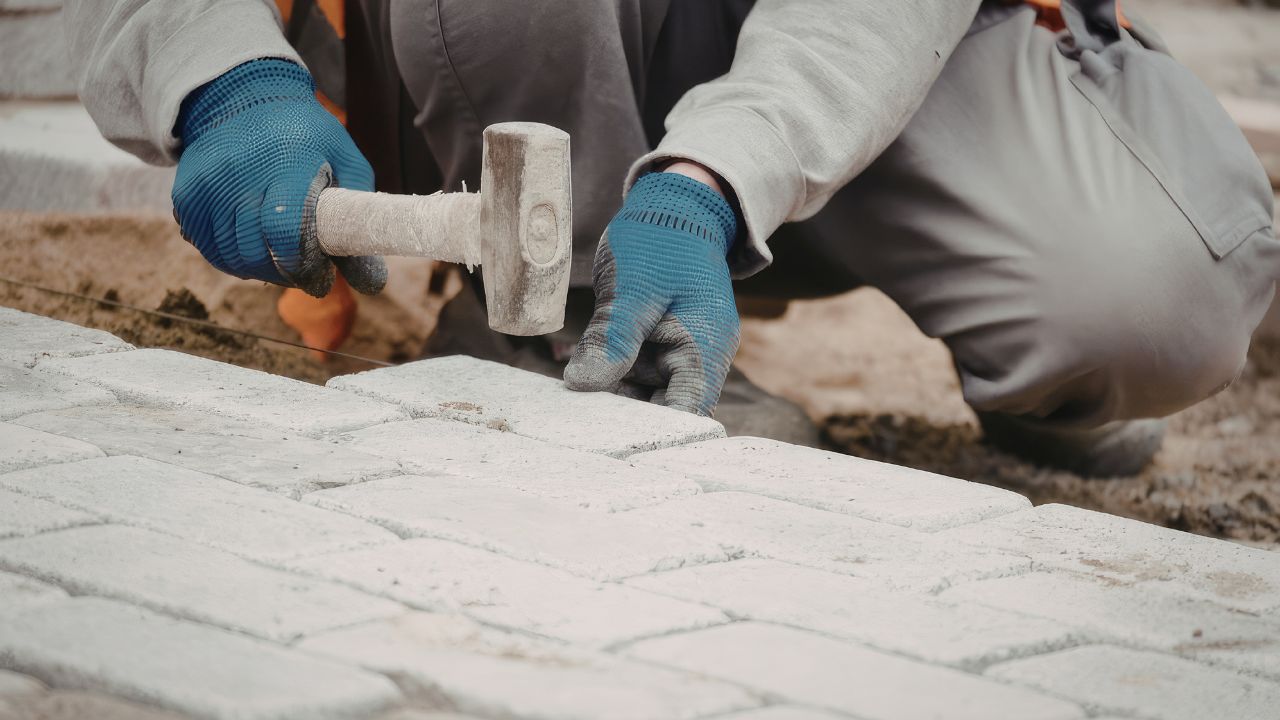
Concrete pavers dominate Orange County outdoor kitchen installations at $17.88-$23.75 per square foot, offering 25-50+ years of durability with minimal annual maintenance. These modular units allow selective replacement if damage occurs and support permeable configurations meeting stormwater regulations.
Flagstone provides premium natural aesthetics at $24.00-$32.00 per square foot with exceptional 50+ year longevity, but requires expert installation. Porcelain tile delivers uniform appearance and slip resistance at $25.00-$50.00 per square foot with 25-30+ year durability when installed over proper concrete substrates.
Professional installation encompasses site preparation, base excavation, utility routing, and appliance integration following California building codes. Labor costs account for permit coordination, structural engineering when required, and installation timelines extending 4-8 weeks for comprehensive projects.
Specialized tasks include gas line installation by licensed plumbers, electrical work meeting National Electrical Code standards, and drainage system integration. Improper installation causes the majority of hardscape failures, making professional expertise essential for long-term structural integrity.
Budget installations between $5,000-$10,000 provide basic grilling stations with minimal prep surfaces and simple storage solutions. Mid-range projects at $10,000-$20,000 incorporate quality built-in appliances, natural stone or composite countertops, and basic shade structures.
Premium outdoor kitchens exceeding $30,000 feature full appliance suites including pizza ovens and smokers, high-end granite countertops, and extensive covered structures. These comprehensive installations deliver 70-80% return on investment while creating year-round entertainment capabilities in Orange County's favorable climate.
Material selection directly determines both initial investment and lifecycle maintenance expenses for outdoor kitchen installations. Different surfaces offer varying combinations of durability, aesthetics, and resistance to Orange County's UV exposure and temperature fluctuations.
The materials budget represents 40-60% of total project costs, depending on finish selections and structural requirements. Premium materials command higher upfront prices but typically reduce long-term maintenance expenses and replacement frequency.
Granite countertops range from $40-$100 per square foot installed, offering heat resistance and natural beauty with proper annual sealing. Outdoor kitchen countertops in concrete provide customizable options at $75-150 per square foot with integrated sinks and personalized edge profiles.
Tile surfaces start at $15-$25 per square foot, delivering budget-friendly versatility but requiring grout maintenance to prevent moisture infiltration. Stainless steel countertops cost $70-200 per square foot, providing commercial-grade durability and seamless integration with built-in appliances.
Built-in grills range from $1,500 for basic models to $8,000+ for professional-grade units with rotisserie and infrared burners. Outdoor kitchen appliances, including refrigerators ($800-$3,000), sinks ($200-$1,200), and pizza ovens ($2,000-$10,000), significantly increase project scope.
Side burners add $300-$800 to appliance budgets, while outdoor-rated storage cabinets cost $1,200-$5,000 depending on material quality and size. Gas connections require licensed installation at $500-$1,500, and electrical circuits for appliances and lighting add $800-$2,500 to labor estimates.
Orange County's intense UV exposure requires materials with proven fade resistance and thermal stability for year-round performance. Weatherproof outdoor kitchen solutions incorporate marine-grade stainless steel, UV-stable polymers, and sealed natural stone to withstand coastal salt air.
Permeable pavers cost 10-20% more than standard units but meet mandatory stormwater management requirements in many jurisdictions. Coastal projects within California Coastal Commission jurisdiction face additional material specifications and approval processes extending timelines by 30-60 days.
Professional installation labor typically represents 40-60% of total project costs in Orange County, 2026. Hourly rates for licensed contractors range from $75-$150 depending on specialization, with plumbers and electricians commanding premium rates.
Complete outdoor kitchen installations require 80-200 labor hours, depending on project complexity and site conditions. The labor estimate includes excavation, base preparation, utility installation, appliance integration, and final inspections.
Initial plan checks consume 15 business days before approval, with correction submissions requiring an additional 10-day review cycles. Complex projects involving structural engineering or significant grading extend approval processes to 4-6 weeks before construction begins.
Homeowner Association architectural reviews must be completed before city permit submission, potentially adding 45 days to pre-construction timelines. Multiple inspection phases during construction—foundation, rough plumbing, electrical, and final—require contractor scheduling coordination and may introduce 2-5 day delays between project phases.
Flagstone installation demands specialized expertise due to irregular shapes and thickness variations that require skilled cutting and fitting. Porcelain tile installations require properly prepared concrete substrates with an appropriate slope for drainage, adding foundation complexity.
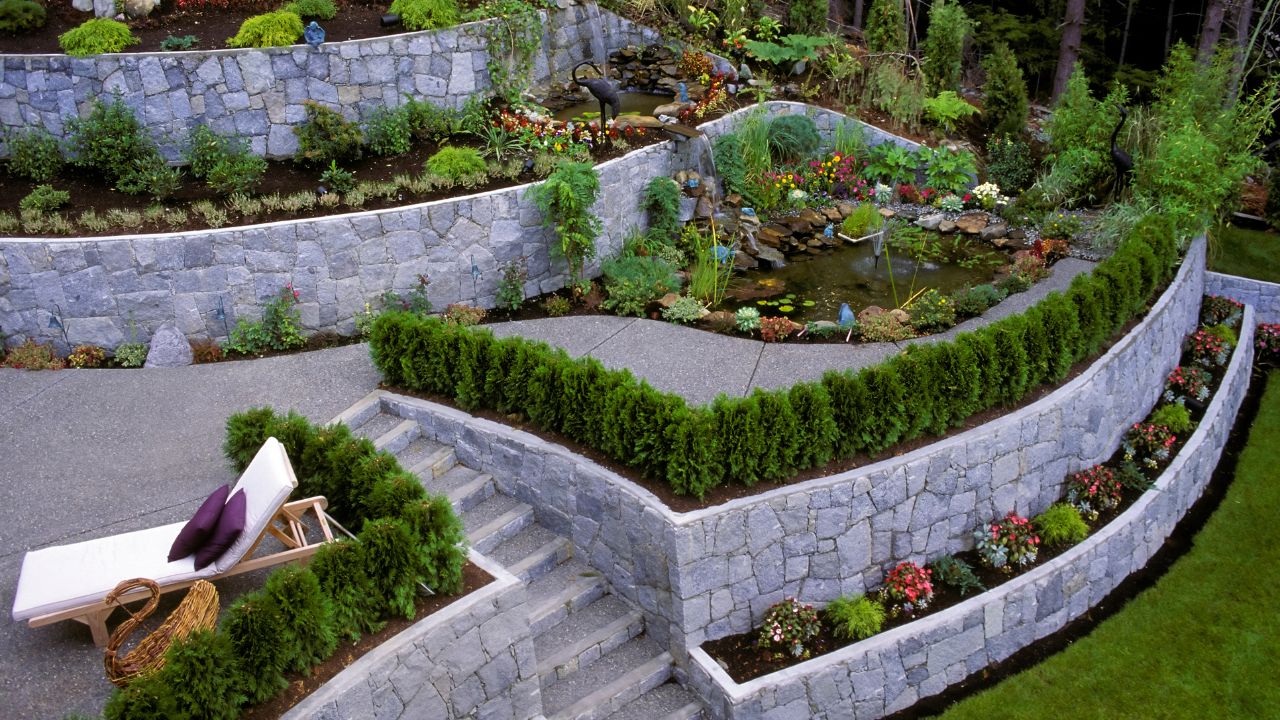
Site access limitations, existing landscape removal, and utility conflicts increase labor hours and equipment requirements. Sloped terrain necessitates retaining wall construction or extensive grading, potentially doubling foundation preparation costs compared to level installation sites.
Professional installation ensures compliance with California building codes, proper drainage integration, and structural integrity meeting 25-50 year durability expectations. Licensed contractors carry required insurance protecting homeowners from liability and provide warranty coverage for workmanship.
DIY installations may reduce immediate labor costs but frequently result in code violations, drainage failures, and premature material degradation. Improper base preparation and inadequate compaction cause the leading failures in hardscape installations, requiring costly reconstruction within 3-5 years.
Orange County's diverse geography and demographic composition create distinct outdoor kitchen preferences across coastal and inland communities. Regional design trends reflect lot sizes, environmental conditions, and homeowner lifestyle priorities that shape materials budgets and feature selection.
Demographic patterns reveal generational differences in outdoor living priorities, with millennials comprising approximately 850,000 Orange County residents driving premium feature adoption. These preferences directly influence which components justify increased budget allocation for maximum lifestyle value.
Newport Beach and Laguna Beach homeowners prioritize premium materials, including natural stone and porcelain tile, despite smaller lot sizes. Coastal installations average a higher per-square-foot investment to maximize limited outdoor space through vertical design and multi-functional elements.
Permeable paving systems meet strict environmental regulations while managing the total budget guide within space constraints common to urban coastal properties. Holiday outdoor kitchen prep considerations reflect year-round entertainment priorities despite proximity to ocean conditions.
Irvine and Anaheim residents leverage larger lot sizes to create expansive entertainment spaces featuring full-scale cooking capabilities and integrated seating areas. Concrete pavers dominate suburban installations, balancing durability and cost-effectiveness for large-format projects exceeding 400 square feet.
Mixed-material hardscaping incorporates decorative borders, contrasting field patterns, and integrated fire features to define functional zones within open layouts. Covered structures with integrated lighting systems protect outdoor kitchen investments while extending usable hours beyond daylight.
Millennials demonstrate the highest preference for outdoor kitchens at 37% adoption rate, with 35% prioritizing fire features as secondary entertainment elements. This generation emphasizes environmental impact and sustainable material selections when evaluating outdoor kitchen costs.
Generation X homeowners show 38% interest in upgraded lighting systems that enhance functionality during evening entertainment. Baby Boomers, currently representing 14% of the Orange County population and projected to reach 23-29% by 2060, prioritize accessibility features and minimal maintenance requirements in outdoor space planning.
Orange County enforces comprehensive building codes governing outdoor kitchen construction to ensure safety, structural integrity, and environmental protection. Regulatory compliance directly impacts project timelines and may require design modifications affecting materials budget allocation.
Understanding permit requirements before design finalization prevents costly mid-project revisions and construction delays. Professional contractors familiar with Orange County outdoor kitchen regulations streamline approval processes and ensure installations meet all applicable standards.
Outdoor kitchen projects require simultaneous building, plumbing, and electrical permits regardless of project scale or budget tier. Fire features exceeding 6 feet in any dimension or connecting to gas lines trigger additional specialized permit requirements.
Most Orange County municipalities mandate patio permits regardless of size to verify proper drainage integration and setback compliance. Retaining walls exceeding 4 feet in height require stamped calculations from licensed structural engineers before permit issuance.
Drainage plans must demonstrate pre- and post-construction water flow patterns, ensuring runoff directs away from structures without pooling. Permeable surface installations require a minimum 10-inch open aggregate sub-base with geotextile fabric layers meeting municipal stormwater specifications.
Projects within coastal zones face California Coastal Commission review, adding 30-60 days to approval timelines and potentially requiring specific material selections. Enhanced drainage requirements may increase foundation costs by 15-25% compared to standard installations in non-regulated areas.
Homeowner Association architectural review completion must occur before city permit submission, consuming up to 45 days for initial review cycles. City plan checks require 15 business days for initial review, with correction resubmissions adding 10-day increments per revision.
Complex projects involving grading over 50 cubic yards or structural elements require 4-6 weeks for complete approval processing. Coordinating multiple inspection phases during construction introduces 2-5 day intervals between foundation, rough utility, and final approval stages.
Strategic decision-making during planning phases directly influences both immediate project costs and long-term value realization from outdoor kitchen investments. Homeowners prioritizing durability (71%) and aesthetics (71%) achieve optimal satisfaction when balancing upfront expenses against maintenance requirements (65% priority rating).
Comprehensive cost-benefit analysis comparing material longevity, maintenance intervals, and replacement cycles reveals true lifecycle costs beyond initial installation. Professional guidance ensures design choices align with primary function definitions while maintaining realistic materials budget parameters.
Assessment of sun exposure patterns, drainage conditions, and climate resilience needs establishes a foundation for appropriate material selection in Orange County 2026. Defining primary function—high-traffic family use versus aesthetic-focused entertaining—determines whether durability or premium appearance justifies budget allocation.
Cost-benefit analysis, weighing upfront installation expenses against long-term maintenance, creates an objective comparison between material options spanning different price points. Comfort priorities (69% homeowner rating) and maintenance requirements (65% rating) provide secondary decision criteria after durability and aesthetics.
Licensed contractors ensure proper base preparation, drainage integration, and structural integrity that prevent the leading causes of hardscape failure. Professional installation delivers code compliance, protecting homeowner investment through proper permit acquisition and inspection coordination.
Warranty coverage for materials and workmanship provides financial protection unavailable through DIY installations or unlicensed labor. Expertise in Orange County-specific requirements—from coastal commission approvals to HOA architectural standards—prevents costly mid-project revisions and timeline extensions.
A Newport Beach backyard transformation demonstrates effective budget allocation across materials, labor, and features within a $26,500 total investment. The project incorporated granite countertops, a built-in grill, a covered pergola with integrated lighting, and a fire pit with seating wall.
Drought-tolerant landscaping and permeable elements ensured regulatory compliance while maximizing usable outdoor space on a compact coastal lot. The installation delivered an estimated 75% return on investment based on local real estate valuations, demonstrating how comprehensive planning optimizes cost-to-value ratios.
Understanding complete cost allocation across materials, labor, permits, and ancillary expenses enables accurate financial planning for outdoor kitchen projects. The total budget guide should account for both visible components and hidden costs, including utility extensions and site preparation.
Comprehensive budgets prevent mid-project funding shortfalls by incorporating contingency reserves for unforeseen conditions like utility conflicts or soil complications. Realistic financial planning aligns project scope with available resources while maintaining quality standards for long-term satisfaction.
Materials typically represent 40-60% of total project costs, with premium countertop and appliance selections pushing ratios toward upper ranges. Labor and installation services consume 30-40% of budgets, varying based on project complexity and required specialty trades.
Permits, engineering, and inspection fees add 5-10% to total expenses, with HOA-regulated communities potentially incurring additional architectural review charges. Utility extensions for gas, water, and electrical service contribute 8-15% to comprehensive budgets, depending on distance from existing infrastructure.
Basic outdoor kitchens between $5,000-$10,000 provide essential grilling capability with minimal prep surfaces and simple material selections. Mid-range installations at $10,000-$20,000 incorporate quality appliances, natural stone or composite counters, and basic shade structures with lighting.
Premium projects exceeding $30,000 deliver comprehensive cooking environments with full appliance suites, high-end finishes, and extensive covered structures. Luxury installations can reach $50,000-$75,000 when incorporating automated features, integrated audio-visual systems, and complex custom stonework or tile patterns.
Annual maintenance for concrete pavers requires sealing at $0.50-$1.50 per square foot to preserve color and prevent staining. Natural stone surfaces need periodic resealing every 1-3 years at $200-$500, depending on square footage and stone type.
Appliance servicing and component replacement create ongoing costs averaging $300-$800 annually for comprehensive outdoor kitchens with multiple units. Factoring 20-year lifecycle costs reveals that premium materials with lower maintenance often deliver superior value compared to budget options requiring frequent intervention.
Strategic outdoor kitchen planning in Orange County 2026 requires balancing immediate investment against long-term durability, regulatory compliance, and lifestyle value. Material selections, professional installation, and comprehensive permitting create the foundation for installations delivering 70-80% return on investment.
Homeowners benefit from understanding how regional preferences, demographic trends, and environmental regulations shape appropriate design choices and budget allocation. Successful projects align materials budget with primary function requirements while ensuring proper drainage, structural integrity, and code compliance through licensed professional installation.
For Orange County homeowners seeking expert guidance on outdoor kitchen design and installation, Signature Landscape brings 38+ years of local experience creating functional, beautiful outdoor living spaces. Their comprehensive approach ensures projects meet all regulatory requirements while delivering exceptional value and craftsmanship.
Costs vary widely depending on your lot, your HOA, your proximity to the coast, and what you actually want to build. The numbers in this guide give you a realistic starting point — but an accurate budget starts with a conversation.
Signature Landscape has been designing and building custom outdoor kitchens in Orange County since 1989. Every project starts with a free consultation where Moe reviews your space, walks you through material options, and puts together a detailed estimate backed by 3D CAD design — so you see exactly what you're getting before any work begins.
Ready to transform your outdoor living space with a custom kitchen designed for Orange County's climate and lifestyle? Request your free consultation to discuss your project goals and receive a detailed budget estimate.
Schedule A Consultation