Call our Professional Contractors!
(949) 859-9969
Paver color can change how hot a surface gets, how your home looks from the street, and how much dirt you notice. In Orange County, these choices matter during long, dry summers. The NOAA climate normals for John Wayne Airport show an average daily high of 80.4°F in August. Pavers in direct sun can get far hotter than the air around them. A good color choice starts with where you plan to use the surface, not a small photo in a catalog.
This guide looks at heat, home style, stains, and how different surfaces age. It also explains how to check real samples before you buy. If you are new to paving, the Pavers 101 guide is a useful place to learn the basics. Think of Hardscape Materials, Color Selection, and Design Concepts as parts of the same choice. The right shade must fit the whole outdoor space, from the house walls to the plants.
The same paving material can feel very different in full sun and deep shade. Dark surfaces tend to take in more sunlight. Light or more reflective surfaces tend to send more of it away. But a color name alone cannot tell you how hot a paver will get. Its makeup, finish, age, and nearby shade also matter.
Solar reflectance means how much sunlight a surface reflects. The scale runs from zero to one. A higher value means more light is reflected. According to Lawrence Berkeley National Laboratory, dark pavement can absorb 80% to 95% of the sun's energy. In one thermal image, a light road section was about 30°F cooler than a dark section.
That image shows why color deserves care. It does not mean one cream concrete pavers product will always be 30°F cooler than a charcoal product. Ask for a product's solar reflectance or Solar Reflectance Index (SRI) when heat is a main concern. A real product rating is more useful than a label such as “cool gray.”
The U.S. Environmental Protection Agency cites a study in Arizona where standard pavement got as hot as 152°F at midday. The cool pavement in that study stayed 10°F to 16°F cooler. Those test surfaces were not a direct comparison of the pavers for your home. The EPA also notes that there is no official national label for cool paving products.
For an outdoor patio that gets afternoon sun, heat should be part of the plan from day one. A pool deck needs even more thought because people may walk on it with bare feet. Check for glare, too. A bright white surface may reflect more light, but it can be hard on the eyes near a pool. Trees, shade sails, or outdoor umbrellas can help cut direct sun where they suit the layout. These features should work with the paving choice, not stand in for it.
The same national lab gives broad solar reflectance ranges of 30% to 50% for new cement concrete and 20% to 35% as it ages. These are not ratings for every paver. Dust, tire marks, surface wear, and finish can change how a paved area reflects light. A wet paver can also look darker than a dry one.
Compare concrete pavers with other choices in the same light and setting. Poured concrete has a very different look because it forms a wider, more even field. Individual pavers give you more options for layout and color blends. The paver stone overview can help you understand the range of installed paving choices. Pick the material for how the area will be used before you settle on a shade.
A shade that looks good on a showroom board may clash with a house wall. The goal is not to copy every house color. It is to find a family of tones that works with features you do not plan to change soon. That makes color a key part of Patio Design and the full yard layout.
A tan paver can lean yellow, pink, or gray. Two gray pavers can look quite different next to warm stucco. One may look blue while the other looks brown. Hold each sample next to the roof, siding, brick, or stone. Check the pool coping and steps as well. A shared undertone often matters more than an exact color match.
Warm creams, sandy tans, and soft buff shades can fit homes with warm walls and wood details. Cool grays may suit a house with cooler trim or stone. For a home with mixed finishes, a neutral blend may connect them. Natural Stone adds its own color range and grain, so look at several pieces rather than one perfect slab.
A calm field color can cover most of a patio or driveway. Then a border in a darker shade can mark the edge. This is one of the easier border layouts to plan. A busy laying pattern plus a high-contrast color mix may look crowded across a wide area. Keep one of those choices simple.
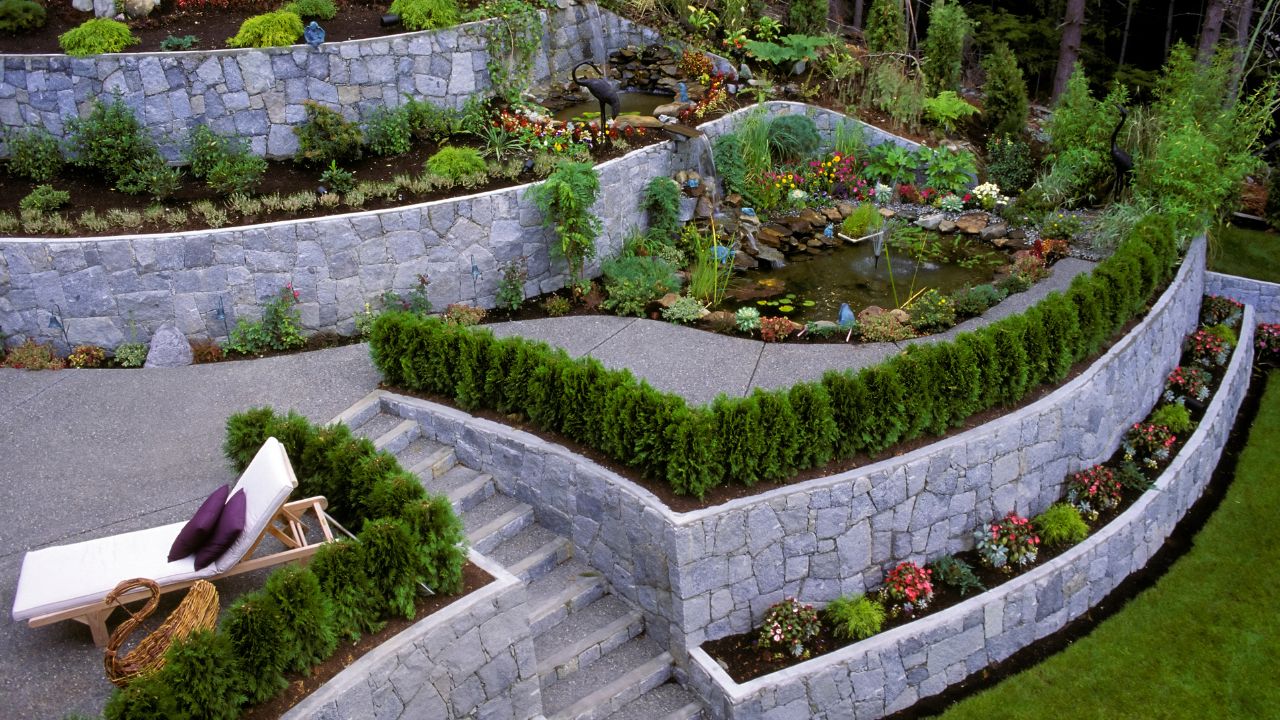
A paver walkway can use an accent edge to guide guests to the front door. Around a patio, a border can mark the main seating area without breaking up the view. If the space has retaining walls, pick a paving tone that sits well beside the wall finish. You do not need a perfect match, but the two large surfaces should look like they belong in one plan.
The National Association of REALTORS® 2023 outdoor features report found that 97% of REALTORS® viewed curb appeal as important for drawing buyers. Another 98% said it was important to a potential buyer. These are views from a national survey. They do not prove that a new driveway will raise the sale price of an Orange County home by a set amount.
Still, the lesson is clear: the front approach shapes a first look. A driveway with calm colors and a neat edge can make the entry feel more planned. The same care helps the backyard. Good patio ideas take cues from the home, the plants, and the way people move through each area. A strong Patio Look can come from simple choices made well, not a mix of every trend.
No paver color stops dust or stains. It changes what stands out. The choice should reflect daily use, nearby trees, sprinkler spray, and how often you want to clean. A mid-tone blend can hide small marks from normal use, but it is not stain-proof.
| Paver color | Marks that may stand out | Where it may fit | Main point to check |
| Pale cream or light gray | Oil, leaf stains, rust, and dark food spills | Sunny patios and poolside areas | Glare and cleaning needs |
| Charcoal or dark gray | Pale dust, dried water spots, joint sand, and white residue | Borders and areas with planned contrast | Heat in direct sun |
| Mid-tone tan or mixed gray | Fewer small shade changes may be obvious | Driveways, entries, and busy patios | Whether the full blend looks too busy |
Think about the marks you are likely to see. A driveway gets tire dust and may see oil drips. An outdoor dining area can get food or drink spills. A patio under trees may collect sap, pollen, and fallen leaves. The most forgiving color for one use may not fit another.
Concrete pavers can form a white, chalky deposit called efflorescence. It comes from salts that move with moisture and reach the surface. Dust and stains can also make a paver look faded even when its pigment has not changed. The manufacturer guidance on paver color and care explains why this residue should not be confused with normal color loss.
Do not cover white marks with a sealer right away. Find out what caused the change first. A cleaning product that works for one kind of stain may damage another finish. Follow the chosen paver maker's directions, and test any cleaner on a small area that is hard to see.
Light sprinkler spray can dry into spots. Water that pools near the edge of a patio can carry dirt and leave patches. Check drainage and sprinkler aim before blaming the paver color. The Orange County yard drainage guide explains ways to move water away from outdoor surfaces.
Sweep on a regular basis and wash with a mild cleaner when the paver maker allows it. Do not use a strong pressure stream on joints without checking the care guide first. Joint sand can wash out, and a damaged joint may need to be filled again. Simple care from the start can do more for the look of your patio than picking a shade that only seems to hide dirt.
Color is only one part of the surface. Finish, pores, joints, and the choice to seal can all affect the final result. Look at the whole paving system before making a call.
Some sealers keep a more natural look. Others make a paver look darker or add shine. A wet-look finish can be quite different from the sample you chose. Not all pavers need sealing, and not all sealers work with each product. The Orange County paver sealing guide explains what to check before using one.
A poor match or poor timing can lead to haze, trapped moisture, or peeling. Some finishes can also affect grip when wet. This matters around pools and water features. Ask for a small test patch and check the product's wet slip rating. Never assume a pale color or a rough-looking photo proves a wet surface will be safe.
Manufactured pavers come in many tones and textures. Units can be replaced one at a time, but a new batch may not look like an older patio. Natural Stone has changes in grain, veining, and pores, even within the same type of stone. Some finishes mark or soak up spills more easily than others. Ask how the exact product should be cleaned and sealed.
Permeable Pavers are part of a system that lets water pass through joints and into a prepared base. The EPA's guide to permeable pavement explains how these surfaces can help reduce runoff. Their performance depends on the base, joint fill, and care, not their color. The interlocking pavers page is a useful starting point for seeing how modular paving works. A Permeable Pavers layout also needs a cleaning plan that keeps the joints clear.
The most useful choice is the one that suits the area. The same paver may be right for a shaded front path but less comfortable beside a sunny pool. Use heat, marks, traffic, and home style to narrow the options.
For a sunny outdoor patio, start with surface heat and shade. Then compare how wet pavers look. On a pool deck, check grip with the specific finish and ask how pool water and cleaning products may affect it. Near a dining table, also think about crumbs, grease, and spills. This is the practical side of Patio Design.
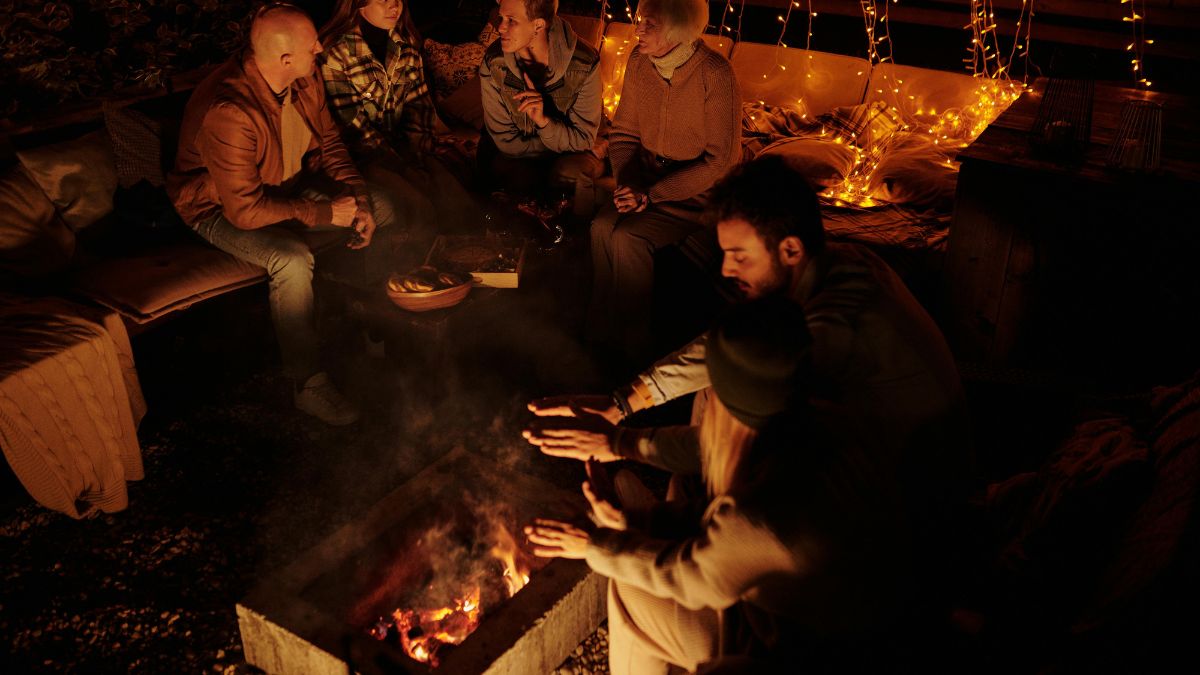
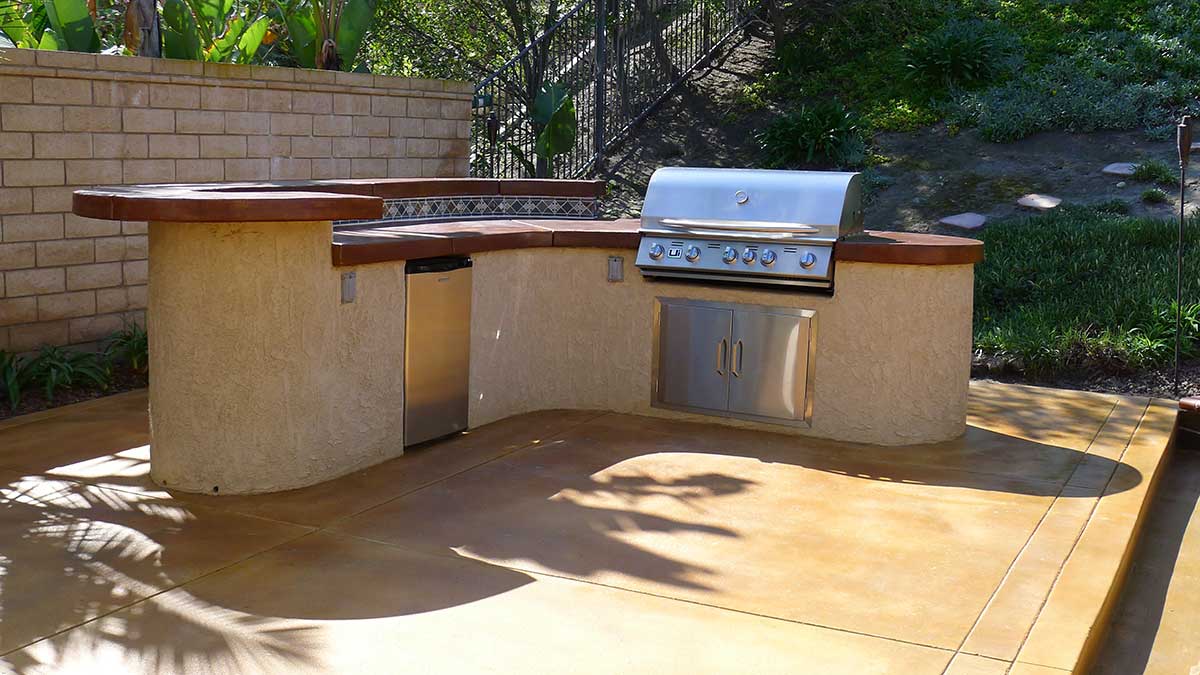
An outdoor kitchen may call for a mid-tone field near prep zones where drops can land. A fire pit often works well as a clear gathering point, with paving that ties into nearby seats. For outdoor living areas, place the paving sample beside the planned counter, wall, and furniture colors. Do this early, while changes are still easy to make.
A front drive covers a large field. That makes strong color changes feel stronger from the street. Stand at the curb with the sample, not just near the garage. Think about tire dust, joints, and how a later repair could look. A mid-tone mix can be a sound visual choice if it also suits the home's walls.
Paths should feel clear at night and in daylight. Landscape lighting can help mark steps and turns, but it also changes how a paver color appears after dark. If the route passes planting beds or retaining walls, compare the shades side by side. It is easier to fix an odd color mix on paper than after the whole path is set.
Choose a small group of full-size samples that suit your use and budget. Set them on the actual site. Look in the morning, at midday, and late in the day. Check the samples after dark under the planned landscape lighting. Also compare them dry and wet. Step back and picture the same tone over the full space, since a small chip can hide how busy a blend may look.
Ask the supplier about batch variation, future stock, and whether units from several pallets should be mixed during installation. Keep spare units from the same run if the maker advises it. Ask for heat data, wet slip information, and sealer rules where they matter. This simple design process can help you spot a poor fit before you place a large order. It is a useful form of user-centered design: plan around how people will use the space, not just how it looks in a photo.
The choice comes down to a few plain questions. Will the area get strong sun? What colors will stay on the house for years? What spills or dust will land on the surface? How will it look beside the pool, walls, and plants? Could you live with its wet color and normal wear? A thoughtful answer is worth more than a trendy shade name. Keep Hardscape Materials, Color Selection, and Design Concepts together when you compare final samples, and remember that no single color solves every need.
For an Orange County project, Signature Landscape can help connect paver colors with the full outdoor space and the way you plan to use it. Our hardscaping services include paver patios, walkways, driveways, and walls, along with plans for features such as an outdoor kitchen or fire pit. We can review material options as part of the project plan. Call (949) 859-9969 or request a free quote to talk through your ideas.
Schedule A Consultation