Call our Professional Contractors!
(949) 859-9969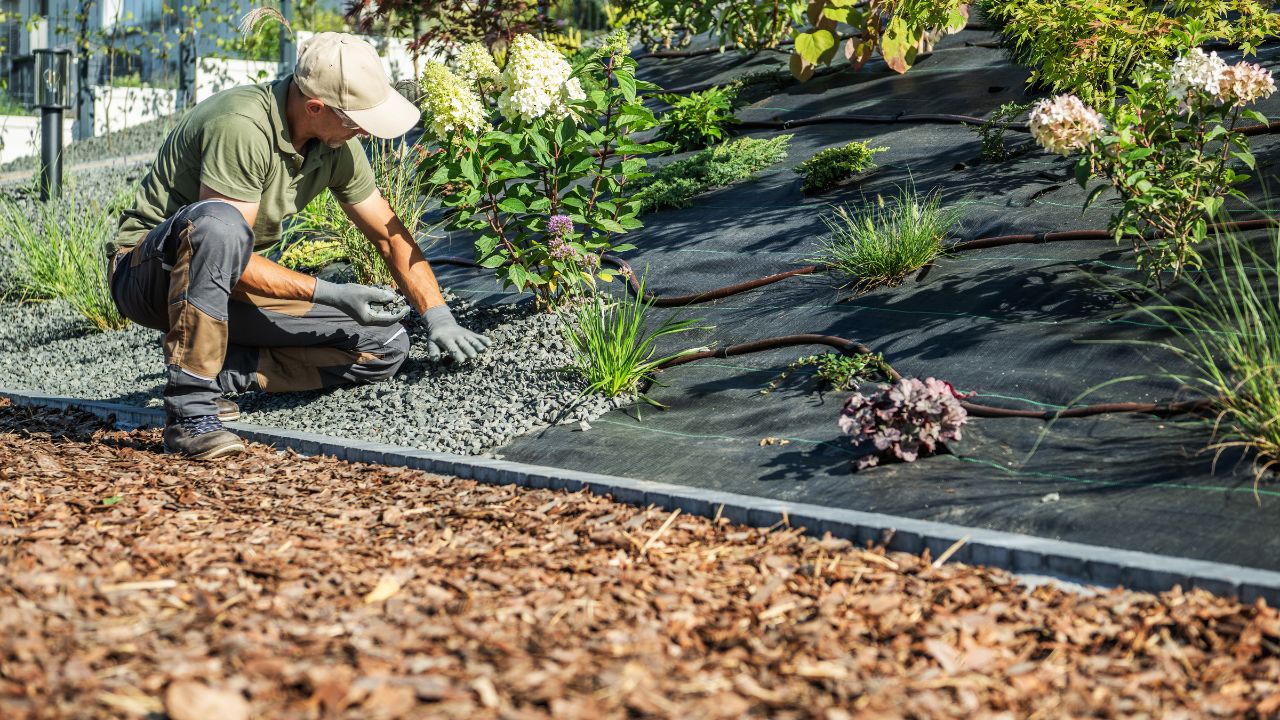
Managing sloped properties requires careful consideration of structural integrity, aesthetics, and sustainability. Orange County's hilly terrain presents challenges and opportunities for homeowners seeking to maximize usable outdoor space. Understanding distinctions between retaining walls, terracing, and erosion control methods enables property owners to select solutions addressing immediate needs while delivering lasting value.
The choice between sloped yard solutions depends on slope severity, soil composition, and intended use. Professional assessment determines whether your property requires rigid structural support or vegetative stabilization. Integrating these approaches with proper drainage ensures your investment protects both property and landscape for decades.
Key Takeaways
Sloped yards present distinct obstacles impacting both usability and structural safety. Gravity accelerates water runoff on inclines, concentrating erosive forces that strip topsoil and destabilize foundations. These conditions require strategic interventions addressing both immediate erosion threats and long-term soil stability.
Understanding Orange County landscape challenges helps homeowners prioritize solutions matching regional climate patterns. Seasonal rainfall combined with prolonged dry periods creates unique stress on slopes. Proper planning accounts for these variables to prevent costly failures and maximize outdoor living potential.
Soil stabilization prevents the downhill migration of earth that threatens structures and eliminates usable yard space. Slopes exceeding a 3:1 ratio typically require engineered retaining walls rather than simple vegetative erosion control. Without adequate stabilization, gravity and water combine to remove topsoil and create hazardous conditions.
Inadequate drainage is the primary cause of retaining wall failure. Hydrostatic pressure builds behind walls when drainage repair systems are insufficient or poorly designed. Incorporating weep holes, French drains, and gravel backfill prevents water accumulation, leading to structural compromise.
Orange County's Mediterranean climate creates extended dry seasons followed by concentrated winter rainfall. This pattern subjects slopes to rapid saturation after months of soil compaction and vegetation stress. Solutions must accommodate both drought conditions and intense water flow for reliable year-round function.
Topographic variations within properties often require multiple solution types applied to different zones. Steeper upper sections may need concrete block walls, while gentler lower grades benefit from terracing. Professional site analysis identifies these zones and recommends appropriate interventions for each area.
Three primary categories address slope management: retaining walls, terracing, and erosion control methods. Each approach serves distinct functions and delivers different outcomes. Homeowners often combine these strategies to create comprehensive slope management systems tailored to property characteristics.
Solution selection depends on slope angle, soil type, drainage patterns, and intended use. Budget considerations and maintenance requirements also influence decision-making. Understanding fundamental differences clarifies which approach best serves specific property needs.
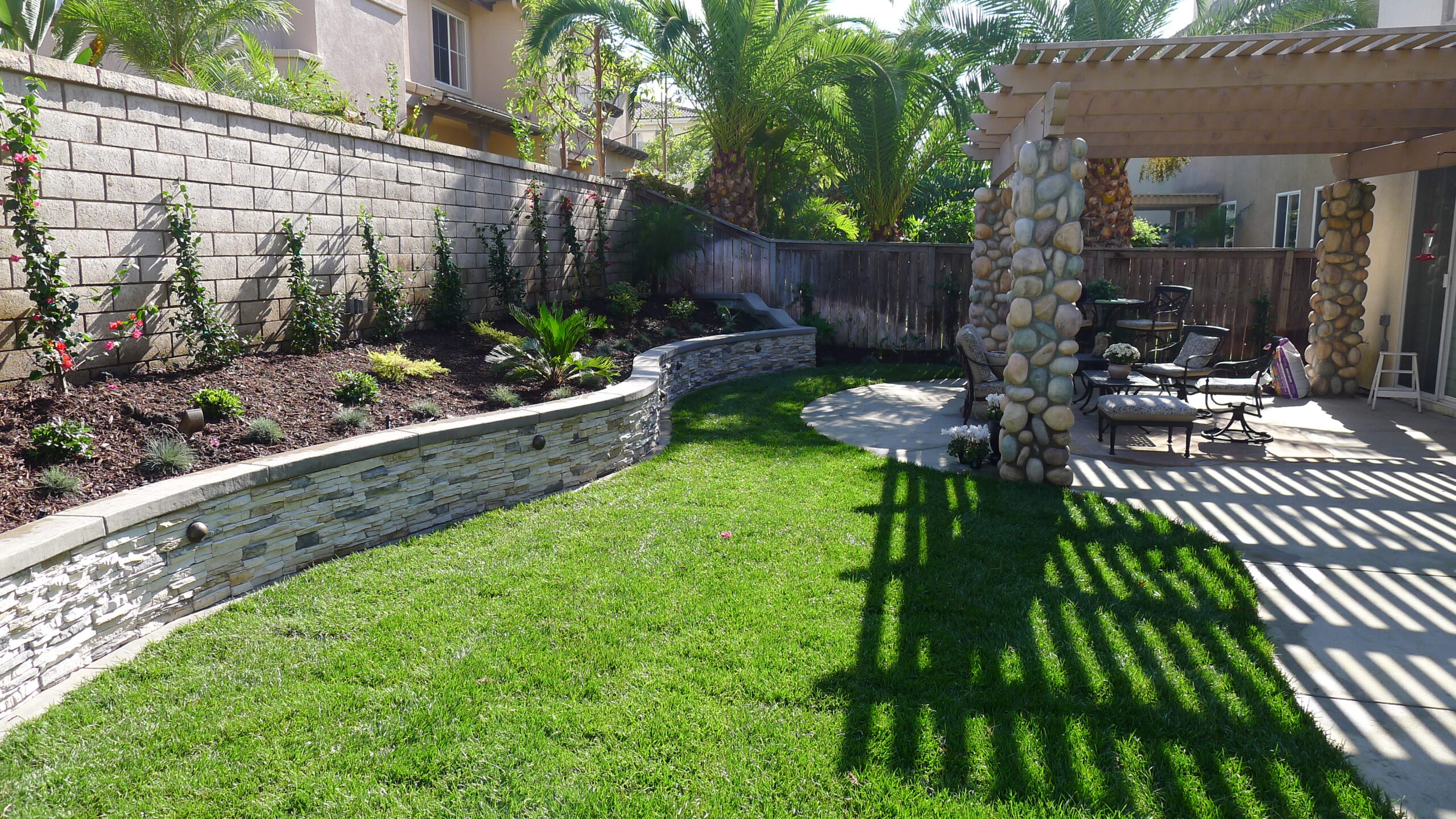
Retaining walls are rigid structures designed to hold soil in place, preventing erosion and creating level areas on sloped terrain. These engineered barriers resist lateral earth pressure while providing vertical support for grade changes. Retaining walls transform unusable slopes into functional outdoor spaces suitable for patios, gardens, and entertainment areas.
Modern retaining wall systems incorporate drainage features managing water flow without compromising structural integrity. Materials range from economical timber to premium natural stone, each offering distinct lifespan and aesthetic characteristics. Proper installation requires excavation, compacted base preparation, and drainage integration for decades of reliable performance.
Terracing creates a series of flat platforms or steps on slopes, often supported by smaller retaining walls. This technique breaks steep grades into manageable horizontal sections that reduce water velocity and erosion. Maximizing your landscape with tiers and terracing creates distinct functional zones while enhancing visual interest across previously unusable hillsides.
Each terrace level serves specific purposes such as planting beds, seating areas, or pathways connecting different elevations. The stair-step configuration slows runoff and allows water infiltration at multiple points down the slope. Terracing maximizes usable square footage on properties where flat space commands premium value in Orange County's competitive real estate market.
Erosion control methods stabilize the soil surface and manage water flow through vegetative and engineered approaches. The US erosion control market, valued at $3.25 billion in 2024, is projected to reach $5.5 billion by 2035, reflecting a 4.9% CAGR and increasing recognition of erosion prevention's importance.
Temporary solutions like erosion control blankets valued at $121 million in 2024 provide immediate surface protection during vegetation establishment. Permanent methods combine deep-rooted native plants with mulching and strategic grading to create self-sustaining slope stability. Preventing erosion requires understanding how water moves across your property and implementing controls that redirect flow safely.
Consumer priorities shape which sloped yard solutions gain market adoption and drive innovation. Quality remains the dominant factor, influencing 82% to 88% of purchasing decisions across all demographics. Availability and environmental impact now rival price considerations as homeowners evaluate long-term value over initial costs.
The shift toward lifestyle-driven investments changes how homeowners approach slope management. Outdoor spaces now represent extensions of interior living areas, demanding aesthetic refinement alongside structural performance.
Seventy-five percent of homebuyers prioritize outdoor living spaces when evaluating properties in competitive markets. This preference drives homeowners to invest proactively in landscape improvements, enhancing enjoyment and resale potential. Motivations include extending living space (63%), improving aesthetics (51%), and enhancing entertainment areas (37%).
Overall, landscape upgrades return 100% ROI on average $9,000 spend, according to National Association of Realtors data. This positions retaining walls, terracing, and erosion control projects among the most financially sound home improvements. Front yard structural improvements can increase perceived property value by up to 15% in markets like Orange County.
Baby Boomers account for 59% of home remodeling projects, bringing preferences for proven materials and brand loyalty. This generation prioritizes long-term durability and selects solutions like natural stone delivering century-plus lifespans. Their 54% brand loyalty rate favors contractors with demonstrated expertise.
Generation X represents 27% of remodeling projects, conducting extensive research with 56% performing detailed comparisons before purchasing. Millennials account for 9% of major remodels but demonstrate higher engagement with sustainable options and digital visualization tools. Forty-two percent of Millennials rely on online reviews, making reputation management essential for contractors.
Sixty-eight percent of homeowners planning outdoor projects prefer eco-friendly materials that minimize environmental impact. This drives adoption of permeable paving, drought-tolerant landscaping, and recycled materials in retaining wall construction. Orange County modern landscaping increasingly integrates native plants with engineered structures to create low-maintenance, water-efficient slope solutions.
Sustainable design extends beyond material selection to water management strategies that recharge aquifers rather than channeling runoff to storm drains. Bioswales, rain gardens, and permeable surfaces transform slopes from erosion problems into landscape assets supporting local ecosystems. These approaches align with California's water conservation mandates while reducing long-term maintenance costs.
Material selection dramatically impacts both initial investment and long-term ownership costs. Average projects range from $3,195 to $9,201, with most installations averaging $6,072. Cost per square foot varies from $12.50 for vinyl to over $100 for premium natural stone installations.
Lifespan considerations often justify higher upfront investments when amortized over decades. A timber wall at $22.50 per square foot lasting 15 years costs more annually than a concrete block at $42.50 serving 60+ years. Retaining walls vs terraces analysis reveals that material durability and maintenance requirements significantly impact the total cost of ownership.
Vinyl retaining walls cost $12.50 per square foot with a 20-30 year lifespan, offering the most affordable entry point. These lightweight systems install quickly and require minimal maintenance, but lack load-bearing capacity for steep slopes or tall installations. Limited design options restrict vinyl to utilitarian applications.
Timber retaining walls cost $22.50 per square foot with a 10-20 year lifespan, providing a natural appearance and quick installation. Wood offers design flexibility and integrates seamlessly with garden environments. However, timber requires regular maintenance, remains susceptible to rot, and delivers the shortest service life among common materials.
Concrete block retaining walls cost $42.50 per square foot with a 50-75 year lifespan, representing excellent value for permanent installations. These modular systems offer design flexibility through varied colors, textures, and sizes. Concrete block requires proper drainage planning but delivers reliable performance with minimal maintenance across decades.
Poured concrete retaining walls cost $75.00 per square foot with a 50-100 year lifespan, providing maximum strength for heavy loads. This monolithic construction method suits high walls and challenging soil conditions requiring engineered solutions. Higher costs and limited aesthetic options position poured concrete primarily for structural applications.
Natural stone retaining walls cost $25.00-$100.00+ per square foot with a 100+ year lifespan, delivering premium aesthetics and timeless beauty. Stone walls add the highest property value, commanding top resale premiums in luxury markets throughout Orange County. The highest upfront costs and longer installation timelines reflect skilled labor requirements but result in heirloom-quality landscape features.
Maintenance requirements vary significantly, with vinyl and concrete demanding minimal intervention while timber needs regular treatment. Annual sealing protects timber from moisture damage and extends its lifespan toward the 20-year maximum. Stone and concrete block walls primarily require occasional joint inspection and cleaning.
Long-term maintenance costs should factor into material selection alongside installation expenses. Timber walls requiring sealing every 2-3 years accumulate substantial costs over 20-year service periods. In contrast, concrete and stone installations often operate maintenance-free for decades, delivering superior lifetime value despite higher upfront investment.
Terracing implementation begins with site analysis to determine optimal platform heights and widths for intended uses. Each level requires excavation, grading, and retaining wall installation to create stable horizontal surfaces. Creative solutions for landscaping a sloped yard often incorporate terracing to maximize functional space while controlling erosion through reduced slope angles.
Benefits extend beyond erosion control to include distinct functional zones for dining, gardening, and recreation within previously unusable hillsides. Multiple levels create visual interest and define spaces without requiring fencing or additional hardscaping. Terraced designs increase total usable square footage, directly enhancing property value.
Platform width must accommodate intended activities while maintaining proportional relationships between wall heights and terrace depths. Narrow terraces appear cramped and limit furniture placement, while excessive width creates unnecessarily tall support walls. Industry standards recommend a minimum of 8-10 feet of depth for functional seating areas and 4-6 feet for planting beds.
Wall height limitations often dictate the number of terraces required to transition between elevations. Many jurisdictions require engineering permits for walls exceeding 4 feet, increasing project costs and approval timelines. Strategic terrace placement minimizes maximum wall heights while optimizing level area distribution.
Terracing reduces water velocity by interrupting continuous downhill flow, allowing infiltration at each platform level. This stair-step configuration decreases total runoff volume reaching the property base. Each terrace functions as a mini-watershed that captures rainfall and slows erosion compared to unbroken slopes.
Properly designed terrace drainage directs overflow between levels through controlled channels rather than allowing sheet flow across exposed soil. Landscaping hacks for a sloped yard include integrating permeable surfaces and planted areas that maximize water absorption. Combining engineered drainage with vegetative cover creates resilient systems that withstand intense rainfall events typical of Mediterranean climates.
Excavation and grading represent significant cost components, often exceeding retaining wall material expenses in complex installations. Site accessibility affects equipment options, with difficult terrain requiring smaller machines that increase labor hours. Total terracing costs reflect the cumulative expense of multiple retaining walls plus extensive earthwork and drainage infrastructure.
Material choices for terrace walls follow the same cost ranges as standalone retaining walls, from $12.50 to $100+ per square foot. However, terracing projects typically involve hundreds of linear feet of wall construction across multiple levels. Premium retaining walls and terracing return 50% to 80% ROI, with higher returns in markets emphasizing outdoor living spaces.
Combining structural walls with vegetative erosion control creates comprehensive slope management superior to either approach alone. Plants establish root systems that bind soil, while walls provide immediate grade stabilization. This integrated strategy addresses both surface erosion and deep soil movement through complementary mechanisms.
Effective erosion management layers temporary controls during construction with permanent solutions that mature over subsequent growing seasons. Initial blankets or mats protect exposed soil until vegetation establishes sufficient coverage to resist rainfall impact.
Temporary erosion control blankets provide immediate surface protection on disturbed slopes during vegetation establishment. These biodegradable mats prevent soil displacement while allowing seed germination and plant growth. Blanket installation suits post-construction sites where permanent vegetative cover requires 6-12 months to achieve effective density.
Permanent controls include deep-rooted native grasses, shrubs, and ground covers selected for Orange County's climate and soil conditions. Mulching around new plantings retains moisture, moderates soil temperature, and prevents surface crust formation that inhibits infiltration. Established vegetation requires minimal maintenance while delivering self-sustaining soil stabilization that improves as root systems expand.
Planting above retaining walls adds aesthetic appeal while extending erosion protection beyond structural footprints. Root systems stabilize soil above wall heights, reducing pressure on structures and minimizing maintenance requirements. Strategic plant selection emphasizes species with non-invasive root patterns that complement rather than compromise wall integrity.
Combining gabion baskets filled with stone and planted pockets creates visually striking installations that blend engineering with organic elements. These hybrid systems suit moderate slopes where full retaining walls exceed budget or aesthetic preferences. Vegetative engineering controls deliver intermediate strength between pure plantings and rigid concrete structures.
Cellular confinement systems use honeycomb-pattern plastic grids filled with soil and vegetation to stabilize slopes and distribute loads. These three-dimensional matrices prevent lateral soil movement while allowing plant growth through cell openings. Technology advances enable steeper slope stabilization than traditional vegetative methods alone can achieve.
Soil stabilization creates comprehensive approaches that address surface protection, subsurface drainage, and long-term sustainability. Permeable hardscaping materials allow water infiltration while providing stable surfaces for pathways and patios on terraced slopes. Innovation continues to expand yard design options that balance functionality, aesthetics, and environmental responsibility.
Successful slope management requires balancing structural requirements, budget constraints, and long-term value considerations. A professional site assessment identifies soil conditions, drainage patterns, and slope angles that dictate appropriate solution types. These technical factors establish baseline requirements before aesthetic preferences and budget parameters refine final selections.
Orange County's competitive real estate market rewards thoughtful landscape investments that enhance both enjoyment and property value. Strategic improvements return 50% to 100% of costs while creating outdoor living spaces that extend usable square footage. Prioritizing quality materials and proper installation ensures decades of reliable performance.
Assess structural requirements and determine the severity of slope and soil stability before selecting materials or design approaches. Steep grades exceeding 3:1 ratios require engineered retaining walls with proper foundations. Soil testing reveals composition, compaction, and drainage characteristics that influence wall design and construction methods.
Load-bearing requirements depend on planned terrace uses, with heavy hardscaping or structures demanding stronger wall systems than simple planting beds. Professional engineers calculate lateral earth pressure and specify appropriate materials to ensure safety and longevity. These structural determinations establish non-negotiable project parameters that guide subsequent decisions.
Prioritize drainage with comprehensive drainage solutions that prevent hydrostatic pressure behind retaining walls and under terrace platforms. Drainage solutions typically add 15% to project cost but eliminate the primary cause of structural failure. Weep holes, French drains, and gravel backfill direct water away from soil-structure interfaces.
Surface drainage planning ensures rainfall moves away from walls rather than concentrating flows that accelerate erosion. Grading terrace platforms with subtle slopes toward drainage outlets prevents standing water that saturates soil and increases pressure. Integrated drainage design considers the entire property's water movement patterns to create sustainable, long-term slope management systems.
Evaluate long-term value vs. upfront cost by calculating annual ownership expenses across expected material lifespans. A $42.50 per square foot concrete block wall serving 60 years costs $0.71 annually per square foot. Compare this to $22.50 timber lasting 15 years at $1.50 annually to reveal true lifetime value.
Average retaining wall cost ranges from $3,195 to $9,201, with most projects averaging $6,072. Concrete patios and hardscaping return 90% to 100% ROI, while premium retaining walls and terracing return 50% to 80% ROI. These returns justify initial investments that many homeowners recoup fully through enhanced property values and reduced maintenance expenses.
Effective slope management integrates structural requirements with aesthetic aspirations and environmental responsibility. Orange County homeowners benefit from comprehensive approaches that address immediate erosion threats while creating enduring outdoor living spaces. Selecting appropriate solutions requires understanding material characteristics, installation requirements, and long-term performance expectations specific to regional climate and soil conditions.
The transformation from problematic slope to functional landscape asset delivers both immediate enjoyment and lasting financial returns. Professional planning ensures your investment protects property while maximizing usable outdoor space for decades. Quality materials, proper drainage, and expert installation combine to create slope solutions that enhance both lifestyle and property value.
For over 38 years, Signature Landscape has delivered proven expertise in transforming challenging Orange County properties into exceptional outdoor environments. Our portfolio includes retaining walls and terraced landscapes still performing flawlessly after three decades.
Retaining walls, terracing, and erosion control all work — but the right solution depends on your specific slope, soil, and goals. Signature Landscape has been solving exactly these challenges for Orange County homeowners since 1989. We assess your property, walk you through the options in full 3D, and build solutions designed to last decades. Get a free consultation with our team and see your project before we break ground.
 Signature Landscape
Schedule A Consultation