Grading is the foundation: Proper surface grading (5% slope within 10 feet of foundation, 2% for general landscape) achieves 88% water volume reduction, from 393 gal/hr to 46 gal/hr, making it the most effective single intervention.
Match solutions to problems: French drains (95/100) excel at foundation protection, catch basins (90/100) control yard flooding, and surface grading (85/100) prevents basement seepage. Choose systems scoring 80+ for your specific issue.
Best value: downspout extensions and grading. At $12/year for downspout extensions and 50-year longevity for surface regrading, these solutions deliver maximum protection at minimum annual cost before investing in subsurface systems.
Professional installation prevents costly failures: Critical factors, minimum 1% pipe slope, geotextile filter fabric, and smooth-walled PVC/HDPE pipe, require expertise to avoid the most common failure modes: insufficient slope, silting, and material deterioration.
Maintenance ensures longevity: Annual gutter cleaning, biennial catch basin sediment removal, and professional subsurface flushing every 5-10 years extend system life to 30-50+ years and prevent the need for premature replacement.
Persistent yard flooding after rain signals a breakdown in your property's water management system. Whether caused by compacted clay soil, negative grading directing water toward your foundation, or absent drainage infrastructure, chronic flooding threatens both landscape health and structural integrity. The solution isn't temporary fixes, it's understanding which permanent drainage systems match your specific soil type, slope requirements, and water volume challenges.
This guide breaks down professionalbackyard flooding solutions by effectiveness ratings, cost-per-year value, and maintenance requirements, helping you select systems that protect your property for decades while fitting your budget.
Why Does Yard Flooding Happen After Every Rain?
Yard flooding occurs when water accumulation exceeds the soil's infiltration capacity and has no discharge path. The primary culprits are compacted soil, clay-heavy composition, and negative grading that directs water toward structures instead of away.
Primary causes of yard flooding:
Soil compaction: Construction activity severely reduces infiltration rate, forcing surface runoff that overwhelms drainage systems
Heavy clay soils: Drain poorly; unsuitable for infiltration unless heavily amended with organic matter
Negative grading: Water flows toward structures (average -1.6% slope in problem areas) instead of away
Saturated soil conditions: Surface flooding occurs when soil reaches maximum water-holding capacity
Missing drainage infrastructure: Lack of collection and discharge systems
Soil types and their impact on drainage:
Soil Type
Permeability
Impact on Drainage
Recommended Action
Sandy/Loamy
High
Ideal for infiltration; water soaks readily
Best for rain gardens, French drains, permeable surfaces
Clay
Low
Poor drainage; water pools on surface
Requires heavy amendment or non-infiltration solutions
Mixed/Amended
Moderate
Acceptable with proper design
Requires infiltration testing during design phase
Yard grading and slope issues:
Negative slopes: Water flows toward house (typical problem: -2.5% slope at foundation perimeter)
Insufficient slope: Below minimum 5% within 10 feet of foundation (IBC 2018: 6 inches drop over first 10 feet)
Low-lying areas: Depressions collecting runoff with no exit path (averaging 393 gallons/hour in problem areas)
Soil settling: Positive drainage diminishes over time as soil compacts near the foundation
What Are The Most Effective Professional Drainage Solutions For Yard Flooding?
French drains and catch basins lead effectiveness ratings at 95/100 and 90/100, respectively, for addressing yard flooding. Surface regrading provides the most permanent solution with 50-year longevity, while rain gardens offer eco-friendly treatment with 70% pollutant removal.
Drainage solutions with effectiveness ratings:
French drains: Gravel-filled trench with perforated pipe collecting surface and shallow subsurface water; 95/100 effectiveness for foundation intrusion and perimeter protection
Catch basins: Grated surface inlets with debris trap and solid pipe discharge; 90/100 effectiveness for yard flooding control
Curtain drains: Specialized French drain intercepting lateral groundwater on slopes; 2-3 feet deep; installed uphill from structures
Surface grading: Reshapes soil for positive slope away from structures; 85/100 effectiveness for foundation protection and basement seepage prevention
Rain gardens: Sunken garden beds temporarily ponding and filtering stormwater; remove 70% total suspended solids; 90/100 effectiveness for surface runoff control
Swales: Shallow vegetated channels directing runoff to safe discharge; cost-effective at $1,500-$4,500
Key specifications:
French drains: 30-50+ year longevity with filter fabric and smooth-walled pipe; collect water from multiple sources
Catch basins: Manage high volumes quickly; trap debris preventing downstream clogs; $300-$500 per unit professional installation
Curtain drains: Prevent water from reaching foundation zone; $10-$25 per linear foot
Surface regrading: Most permanent solution (50 years); achieves average +2.4% slope away from house
Rain gardens: 6-12 inch ponding depth; require 4-inch perforated HDPE underdrain in filtration designs
Downspout extension costs and effectiveness:
Extension Type
Cost Range
Minimum Distance
Longevity
Annual Cost
Effectiveness
DIY Flexible/Pop-up
$5-$15
4-6 feet
10-20 years
$12/year
Best overall value; prevents soil saturation
Professional Solid Pipe
$180 average
4-6 feet minimum
15 years
$12/year
Superior to corrugated; resists clogging/crushing
Underground System
Included in $180
Connects to French drain/discharge
15+ years
Minimal
Ideal for comprehensive perimeter protection
Note: Downspout extensions are mandatory first line of defense. Discharging concentrated roof water less than 4-6 feet from foundation is a critical failure mode.
How Do You Assess Yard Flooding And Drainage Needs?
Assessment begins with infiltration testing to determine soil permeability, followed by slope verification and water flow observation during rainfall events. Problem areas typically show 393 gallons/hour accumulation before correction, reduced to 46 gallons/hour with proper grading.
Slope measurement: Verify a minimum 2% slope for general landscape, 5% within 10 feet of the foundation
Water flow observation: Track pooling and flow patterns during and after rainfall
Volume assessment: Problem areas average 393 gallons/hour before correction
Identifying flood-vulnerable areas:
Check negative slopes: Use level to confirm water flows away from structures (positive slope), not toward (negative slope)
Observe pooling patterns: Note standing water locations 24 hours post-rain
Inspect downspout discharge: Confirm outlets unblocked and discharge a minimum 4-6 feet from the foundation
Map low spots: Identify depressions where water collects with no exit path
Yard slope requirements and impact:
Location
Minimum Slope
Proper Slope Impact
Problem Slope
Result After Correction
Foundation Perimeter (first 10 ft)
5% (6" drop over 10 ft - IBC 2018)
Water flows away
-2.5% (toward house)
+3.0% (away from house)
General Landscape
2% (1/4" per foot)
Effective movement, no pooling
-1.6% avg (toward house)
+2.4% avg (away from house)
Hardscapes (patios, driveways)
1-2%
Drainage without erosion
Near-flat or negative
2.0-3.0% positive
Subsurface Pipes
1% minimum (1/8" per foot)
Gravity flow to outlet
Flat (standing water)
Consistent 1%+ slope
Impact: Proper grading achieves average 88% water volume reduction (393 gal/hr to 46 gal/hr) when slopes convert from negative to positive.
Should You Opt For Professional Help Or DIY Drainage Solutions?
Professional installation guarantees proper system sizing, critical slope maintenance, and material selection, preventing the most common failure modes. DIY options like downspout extensions and surface regrading offer excellent value for simpler applications, but complex subsurface systems require an experienced outdoor drainage contractor to avoid costly mistakes.
Advantages of hiring professionals:
Guaranteed proper sizing: Ensures systems handle actual water volumes without being overwhelmed
Expertise in critical slopes: Maintains minimum 1% slope (1/8 inch per foot) for subsurface pipes, preventing standing water and clogs
Proper material selection: Uses smooth-walled PVC or HDPE pipe instead of corrugated pipe that clogs and crushes easily
Filter fabric installation: Prevents silting and clogging by wrapping perforated pipes in geotextile fabric
Excavation equipment access: Required for deep footing drains and comprehensive systems
DIY drainage solutions with trade-offs:
Downspout extensions:
Pro: Highly cost-effective at $5-$15 DIY; best overall value at $12/year
Pro: Aesthetic and eco-friendly; cost-effective compared to conventional systems
Con: Requires regular weed control, mulch replacement, and plant maintenance
Critical risks of improper DIY installation:
Insufficient slope: Creating less than 1% minimum slope causes standing water, sediment accumulation, and complete system failure
Skipping filter fabric: Allows fine silt and clay to clog perforated pipes through "silting"
Using corrugated pipe: Prone to clogging, crushing, and shorter lifespan versus smooth-walled alternatives
Discharging too close: Extending downspouts less than 4-6 feet simply moves the problem inches away
Ignoring surface grading: Over-reliance on subsurface drains without correcting surface grade overloads systems with unnecessary water
Key consideration: Neglecting drainage issues is the most costly mistake, leading to foundation repairs that far exceed properly installed professional systems. If you've experiencedstorm damage, professional assessment becomes critical.
How Much Do Yard Drainage Solutions Cost?
French drain systems range from $3,000-$7,500 for complete installation ($40-$100 per linear foot), while downspout extensions deliver best overall value at $12 annually. Cost-per-year analysis reveals surface regrading and downspout extensions provide superior long-term value despite varying upfront costs.
French drain installation cost breakdown:
Yard Size/System Type
Materials Cost
Professional Installation
Total Cost Range
Cost Per Linear Foot
Exterior French/Footing Drain
Included in installation
Labor + materials
$3,000-$7,500 complete
$40-$100/linear foot
Interior French Drain
Included in installation
Labor + materials + sump pump
Higher than exterior
$50-$120/linear foot
Perimeter Footing Drain (full house)
Significant (gravel, 4" pipe, fabric)
Excavation + installation
$8,500 average
Professional only
Longevity: 30-50+ years if properly installed and maintained; annual cost: $170-$213/year for footing drains
Surface drainage system costs and effectiveness:
System Type
Material Options
Cost Range
Longevity
Effectiveness by Application
Maintenance Frequency
Catch Basins/Area Drains
PVC basin, grate, solid pipe
$300-$500 per unit + pipe run
30-50+ years
90/100 for yard flooding
Every 2-3 years (sediment cleaning)
Trench/Channel Drains
HDPE channels, grates
Varies by length
30-50+ years
95/100 for driveway ponding
Every 5 years
Swales
Vegetation, soil shaping
$1,500-$4,500
10-20+ years
Moderate for general drainage
Annual (re-seeding, vegetation)
Curtain Drains
Perforated pipe, gravel, fabric
$10-$25/linear foot
30-50+ years
High for slope interception
Every 5 years
Professional vs. DIY labor costs:
Service Type
Average Professional Cost
DIY Equivalent Cost
Time Required
Key Advantage of Professional
Downspout Extensions
$180 installed
$5-$15 materials
1-2 hours DIY
Guaranteed proper placement and materials
Surface Regrading
Varies by sq ft
Equipment rental + labor
Days to weeks
Ensures proper slope (5% at foundation, 2% landscape)
French Drain System
$3,000-$7,500 ($40-$100/ft)
$1,000-$2,000 materials
Multiple days
Proper slope, fabric installation, longevity
Footing Drain (full perimeter)
$8,500 average ($40-$100/ft)
Not recommended DIY
N/A
Excavation safety, waterproofing integration
Cost per year analysis (initial cost ÷ longevity):
Best value: Downspout extensions at $12/year
Long-term investment: Footing drains at $170-$213/year but prevent costly foundation damage
Moderate: French drains at $75-$250/year depending on installation quality
How Do You Maintain Yard Drainage Systems To Avoid Flooding?
French drains require professional flushing every 5-10 years to prevent sediment buildup, while surface systems require annual grate cleaning and biennial catch-basin sediment removal. Maintaining a minimum 1% pipe slope and geotextile filter fabric installation are critical preventative measures against system failure.
French drain maintenance requirements:
Clean and flush periodically: Required every 5-10 years to prevent sediment buildup and maintain 30-40 year longevity
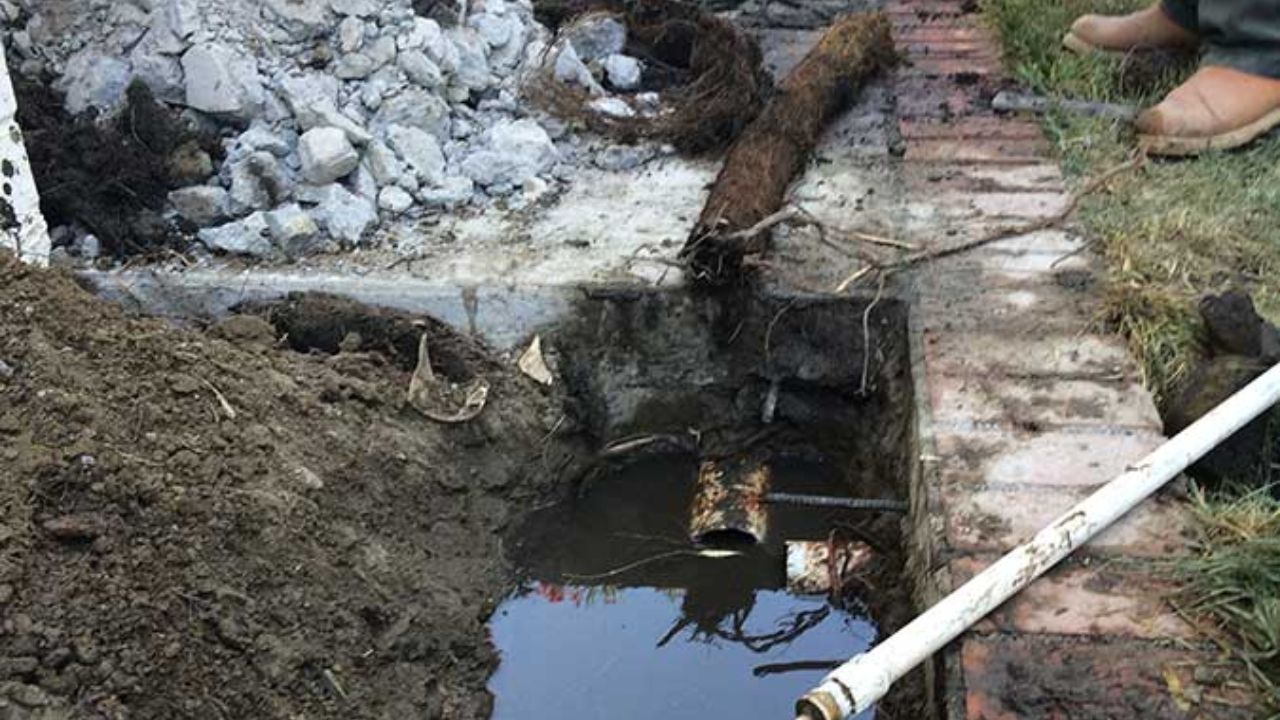
Monitor for root intrusion: Tree and shrub roots can penetrate and clog pipes; requires professional clearing
Check flow after heavy rain: Confirm water discharges properly at the outlet point
Inspect for settling: Ground settlement creates flat spots that trap water and sediment
Maintenance frequency: Every 5 years for optimal performance
Surface drainage system maintenance:
Annual grate cleaning: Remove leaves, dirt, and debris from catch basins and area drains before the rainy season
Verify positive slope: Ensure 1-2% slope remains intact; add soil to low spots as needed
Clear outlets regularly: Keep discharge points free of debris, snow, and ice to prevent system backups
Catch basin sediment removal: Inspect and clean every 2-3 years to maintain capacity and prevent clogging
Swale vegetation management: Re-seed bare spots and maintain healthy vegetation to prevent erosion
Preventative measures to avoid system clogging:
Install geotextile filter fabric: Essential around all perforated pipes to prevent fine silt and clay infiltration
Use smooth-walled pipe only: PVC or HDPE pipes resist clogging and crushing better than corrugated alternatives
Maintain minimum 1% pipe slope: Critical for gravity flow and self-cleaning action (1/8 inch per foot minimum)
Monitor foundation grading annually: Add soil as needed to maintain 5% slope within first 10 feet of the foundation
Keep downspout extensions clear: Verify 4-6 foot minimum discharge distance and check for blockages
Every 2-3 years: Catch basin inspection and cleaning
Every 5-10 years: Professional subsurface system inspection and flushing
Ongoing: Foundation grading monitoring and soil addition as needed
What Are The Benefits Of Proper Yard Drainage?
Effective drainage protects three critical investments: landscaping health, foundation integrity, and property value. Systems delivering 85-95 effectiveness ratings prevent costly foundation repairs while maintaining aesthetic appeal and yard usability year-round.
How proper drainage protects landscaping:
Prevents soil erosion: Controlled water flow eliminates destructive washouts and gullying
Maintains optimal soil moisture: Eliminates waterlogging that drowns plant roots while ensuring adequate drainage
Rain garden filtration: Removes 70% of total suspended solids, improving water quality for downstream plants and ecosystems
Reduces runoff volume: Infiltration-based systems allow water to soak into the ground, recharging groundwater instead of running off
Protects aesthetic investment: Swales and rain gardens provide attractive drainage while maintaining landscape beauty
How effective drainage protects your foundation:
Relieves hydrostatic pressure: Footing drains keep soil around the foundation de-pressurized, preventing water penetration through the basement walls
Achieves 88% water volume reduction: Proper grading reduces water threatening the foundation from an average of 393 gal/hr to 46 gal/hr
Prevents basement/crawlspace flooding: Exterior solutions stop water before it enters, unlike interior systems that only manage water already inside
Eliminates force pushing through concrete: Keeping soil relatively dry removes pressure driving water through walls and floors
Essential for all basements: Footing drains are required for all new construction; work as a second line of defense after waterproofing membranes and retaining walls
How proper drainage increases property value:
Prevents costly foundation repairs: Professionaldrainage repair services($3,000-$8,500) far less expensive than foundation repairs from neglected water issues
Long-term protection: Systems last 30-50+ years when properly installed, providing decades of protection
Reduces flood risk: Documented effectiveness (85-95 ratings) makes properties more attractive to buyers
Maintains yard usability: Yards dry within hours after storms instead of remaining unusable for days
Cost-effective investment: Best-value solutions (downspout extensions at $12/year, surface regrading with 50-year longevity) offer exceptional return
Choosing The Right Drainage Solution For Your Yard
Selecting the right drainage solution depends on four key factors: soil type (sandy/loamy for infiltration systems vs. clay requiring alternatives), slope requirements (minimum 5% within 10 feet of foundation, 2% for general landscape), problem type matched to effectiveness ratings, and budget (from $180 downspout extensions to $8,500 footing drains, evaluate cost per year, not just initial cost).
For recurring yard flooding, combine catch basins (90/100 effectiveness) with French drains (95/100 effectiveness) after establishing proper surface grading. Always address grading first, it alone achieves 88% water volume reduction (from 393 gal/hr to 46 gal/hr). Choose solutions scoring 80+ for your specific problem type. For persistent standing water drainage fix needs, a professional assessment ensures proper system sizing and material selection.
Proper drainage delivers exceptional long-term value: professionally installed systems last 30-50+ years (surface regrading lasts 50 years), prevent costly foundation repairs, and require minimal maintenance, just annual gutter cleaning and professional inspection every 5-10 years. Start with downspout extensions ($180) and grading corrections, then add catch basins ($300-$500) for the remaining problem areas. This best-value approach provides immediate results (yards drain within hours instead of days) and decades of protection at the lowest annual cost.
Interested in transforming your outdoor space into a lush oasis? Fill out the form below to schedule a consultation with our Hardscaping & Landscaping Experts and bring your vision to life!