Call our Professional Contractors!
(949) 859-9969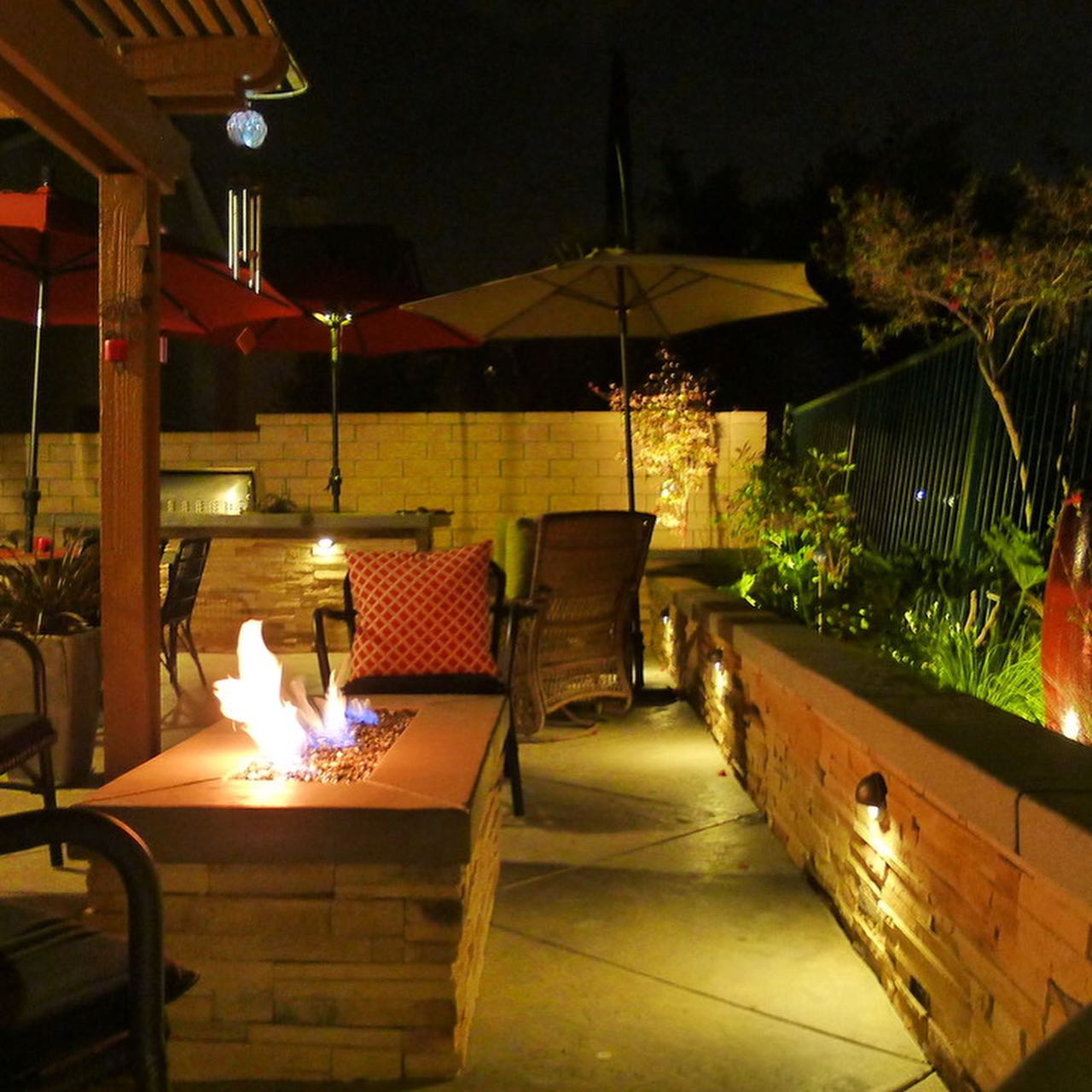
Key Takeaways:
Thanksgiving gatherings in Orange County often demand additional outdoor space for hosting. Fire pits provide warmth, ambiance, and functional gathering areas during holiday entertaining. Last-minute installations require rapid decision-making and realistic timeline expectations.
This guide examines fire pit options suitable for compressed Thanksgiving timelines, covering feasibility, costs, safety requirements, and professional services.
Last-minute installation requires understanding timeline constraints, available fire pit types, and hosting requirements. Realistic expectations about what's achievable before Thanksgiving prevent disappointment and ensure safe, functional results.
In-ground fire pits typically require 1-2 weeks for installation, while custom-built-in fire pits require 2-4 weeks. Last-minute installation requires finding a contractor with immediate availability and willingness to pay premium rates for expedited service, with availability highly dependent on the contractor's current workload and project complexity. Standard projects allow proper planning, material selection, and permit processing. Compressed timelines eliminate customization and demand immediate material availability. Expedited work costs 20-50% more. Permit processing becomes impossible within days, limiting options to permit-exempt portable units.
Portable fire pits offer immediate installation, weighing less than 75 pounds for easy placement and setup. Portable fire pits cost between $75 and $500, offering an immediate solution for holiday gatherings like Thanksgiving. These units require no construction, minimal assembly, and no permits. Purchase today, use tonight. Propane models connect to standard tanks. Built-in installations prove unrealistic for Thanksgiving deadlines unless contractors have unusual openings.
Guest counts determine fire pit size—larger groups need 48-inch diameter units versus 36-inch for intimate gatherings. Multi-generational gatherings require safer propane or electric over wood. Seating arrangements affect placement. Budget constraints favor portable options over permanent installations during the expensive holiday season.
Thanksgiving preparation often reveals outdoor space limitations. Fire pits extend usable entertaining areas and create comfortable gathering zones during cool November evenings.
Thanksgiving brings the largest annual gathering forcing guests outdoors. Fire pits create designated outdoor zones keeping guests comfortable. Indoor kitchen congestion drives hosts to establish outdoor areas. Fire pits enable multi-hour entertaining by providing warmth as temperatures drop.
Orange County November temperatures range 55-70°F—cool enough for fire appeal, warm enough for extended outdoor time. Evening drops from 65°F to 55°F make fire features increasingly appealing. Fire pits transform borderline-comfortable evenings into cozy experiences, maximizing outdoor space utility.
Fire pits distribute guests across multiple zones preventing indoor crowding. Flames create conversation starters and gathering points. Fire provides task lighting after sunset. Warmth extends comfortable outdoor time by 2-3 hours. Fire pits signal intentional outdoor entertaining, elevating hosting quality.
Orange County's diverse microclimates affect material selection, fuel choices, and installation timing. Understanding regional climate patterns guides appropriate fire pit decisions.
Steel is lightweight and affordable, suitable for portability but may rust over time. Cast iron is durable and long-lasting, retains heat well but it is heavy. Coastal salt air accelerates steel corrosion. Stainless steel or powder-coated models resist coastal deterioration. Gas and propane burn cleanly without moisture-absorbing ash—better for coastal damp. Cover units between uses protecting from marine layer moisture.
Inland Orange County experiences drier conditions with wider temperature swings. November remains dry enabling reliable scheduling without rain delays. Wind patterns in canyon locations affect placement—sheltered positions prevent smoke blowing toward guests. Inland areas rarely face weather-related delays making last-minute projects predictable.
Coastal homeowners prioritize corrosion-resistant materials and gas fuel. Hillside properties need stable, level placement. Canyon locations face variable winds requiring protected placement. Inland areas offer the most flexibility with dry conditions. All microclimates share November's fire-friendly temperature range.
Fire pit selection depends on balancing speed, functionality, and budget. Understanding options ensures appropriate choices for Thanksgiving deadlines.
Prefabricated fire pits require 30 minutes to 2 hours of setup. Gas models need a 10-minute propane connection. Both work immediately after assembly. Neither requires permits, contractors, or utility connections. For the Thanksgiving timeline, both succeed equally—the choice depends on aesthetics and budget.
Wood-burning fire pits provide an authentic campfire experience but produce ash and require more cleanup, with local regulations often restricting their use. Propane/natural gas fire pits offer clean-burning flames and ease of use, ideal for low-maintenance living. Natural gas lines require professional installation. Gel fuel is a smokeless and odorless option, often used in smaller portable fire pits. Propane uses portable tanks—no installation required. Natural gas demands a permanent connection requiring a licensed plumber—impossible for the Thanksgiving deadline. For last-minute needs, propane wins.
In-ground fire pits cost $1,000-$3,000. Custom in-ground fire pits can exceed $5,000, with luxury installations reaching $15,000 or more. Stone or concrete is ideal for built-in fire pits, offering a timeless look. Custom builds aren't realistic for Thanksgiving. Permitting alone takes 5-10 business days minimum. Excavation, gas lines, masonry, and curing require weeks. Use a portable solution for immediate needs, plan a permanent installation for spring.
Site planning determines safety, functionality, and compliance. Rapid assessment of placement options prevents costly mistakes.
Fire pits must be positioned on a non-flammable surface (e.g., pavers or concrete) and at least 10 feet away from homes, overhanging branches, and other combustible structures. For fire pits on decks, safer to use them on non-wood decks (e.g., composite decking). A fire pit barrier or mat is recommended, as composite decking can warp at 200 degrees and melt at 300 degrees. Position downwind from the house preventing smoke infiltration. Choose level ground preventing tipping. Maximize visibility from indoor spaces enabling supervision.
Fire pit sizes typically range from 20 to 60 inches, with standard sizes between 36 and 48 inches in diameter. Round shapes encourage social interaction, while square or rectangular designs complement modern aesthetics and maximize space. Compact designs are best for smaller patios or decks. Allow 36-48 inches of clearance around the perimeter. Calculate seating capacity—48-inch accommodates 8-10 chairs, 36-inch handles 6-8. Arrange furniture creating defined zones without blocking pathways.
Combustible construction and vegetation must not be within 3 feet of a gas-fueled device's atmospheric column at R-3 occupancies (single-family dwellings). Wood burning is not allowed within 25 feet of combustible structures unless in an approved permanent fireplace, and conditions that could cause fire spread within 25 feet must be eliminated. Portable fireplaces and fire rings/pits equipped with spark arresters must be located at least 3 feet from combustible construction at R-3 occupancies. Portable units under 75 pounds typically avoid permit requirements. Check HOA rules—some communities restrict open flames.
Systematic approach ensures successful installation despite compressed timeline. Following the proper sequence prevents overlooked steps.
Inspect patio or deck for suitable placement meeting clearance requirements. Verify the surface is non-combustible and level. Check propane tank access. Test outdoor electrical outlets for electric models—verify GFCI protection. Measure space confirming dimensions fit with seating. Identify overhead obstructions.
Shop locally avoiding shipping delays. Call ahead verifying inventory. Purchase immediately. Arrange same-day pickup or next-day delivery. Buy covers, mats, and propane tanks simultaneously. Schedule setup 2-3 days pre-Thanksgiving allowing testing time. Order backup propane tanks.
Conduct a full test 24-48 hours before Thanksgiving. Verify ignition functions properly. Check flame height and smoke direction. Test in evening darkness. Verify that seating distances are comfortable. Ensure propane connections are secure—apply soapy water checking for bubbles. Run 30-60 minutes ensuring sustained operation. Have a fire extinguisher accessible.
New installations demand extra vigilance ensuring guest safety during initial use with large gatherings.
Create a 3-foot clearance perimeter marked with furniture placement. Position seating outside the clearance zone. Establish a "no children zone" within 6 feet requiring adult supervision. Remove tripping hazards. Assign an adult "fire tender" to monitor safety. Keep a fire extinguisher and a water source immediately accessible.
Store propane tanks upright in a ventilated area away from heat. Never add fuel while operating. Control flame height maintaining low to moderate flames. Monitor wind direction. Keep backup tanks available. Allow only designated adults to operate controls. Close propane valves between uses.
Establish physical barriers using planters or furniture. Designate adult supervisors to watch children. Explain fire safety rules to children before the event. Choose propane over wood eliminating sparks. Position elderly seating farther from the fire. Ensure adequate lighting to prevent trips. Consider skipping the fire pit during peak children's activity times.
Strategic planning transforms a functional fire pit into a memorable gathering centerpiece, enhancing the Thanksgiving celebration.
Arrange chairs in a conversational circle 5-6 feet from the fire edge. Use coordinated outdoor furniture. Provide movable seating allowing adjustment. Include variety—chairs, benches, ottomans. Leave 36-inch pathways for circulation. Add cushions and blankets.
Add string lights, lanterns, or pathway lighting ensuring safe navigation. Use warm-toned bulbs (2700-3000K) to complement the fire's glow. Avoid overhead lights directly above the fire pit. Light pathways from the house are clear. Test lighting before Thanksgiving evening.
Position the fire pit as a transition zone between dining and lounging. Create clear traffic patterns. Use the fire pit as an after-dinner space—plan timing allowing transition for dessert and coffee. Set up a nearby serving station. Arrange speakers focusing sound toward the fire pit.
Understanding common errors prevents delays and safety issues during a compressed installation timeline.
Running a natural gas line can cost an additional $15 to $25 per linear foot. Natural gas plumbers charge $45-$200/hour. Homeowners underestimate gas line installation, requiring a licensed plumber, permits, and inspections. Even rush jobs take 5-7 days minimum. Permit processing requires 3-5 business days. The total timeline easily exceeds two weeks. Always choose portable propane for last-minute needs.
Wood requires seasoned firewood—sourcing takes time and supplies deplete before holidays. Wood creates ash disposal issues. Electric units need adequate circuit capacity—upgrades are impossible within days. Gel fuel costs significantly more. Propane offers the best last-minute choice—readily available, simple connection, clean burning.
DIY under time pressure skips critical safety steps. Improper placement violates codes. Inadequate preparation causes instability. Incorrect gas connections create leaks. Rushed installations lack proper testing. Holiday-week DIY competes with other preparations, creating stress and shortcuts. Professional installation ensures safety and code compliance.
Professional services accelerate timelines while ensuring safety and code compliance. Understanding when professional help proves essential prevents problems.
Professional fire pit installers typically charge $400 to $500 for less than a day of labor. Handypersons charge $60 to $125 per hour for simple fire pit installations. Electricians charge $50 to $100 per hour for electric fire pit installations. The average fire pit installation costs $850, with a typical range of $200 to $3,000 depending on size and complexity. Natural gas connection requires a licensed plumber. Electrical work beyond plugging in needs a licensed electrician. For portable units, handyperson or DIY suffices.
Professionals have access to inventory unavailable to the public. Crews complete in hours what takes DIYers days. Experience prevents mistakes, avoiding rework. Professionals understand permit shortcuts. However, even professionals cannot overcome natural gas installation timelines. Professionals excel at rapid portable fire pit placement.
Fire pit installation permits typically cost between $20 and $500, depending on jurisdiction and project scope. Higher costs are associated with installations requiring new deck or patio construction, or extensive electrical and plumbing work. Verify current California contractor license and insurance. Check recent reviews focusing on deadline reliability. Confirm immediate availability. Request a fixed-price quote. Get a realistic timeline assessment. For a compressed timeline, prioritize availability and reliability over cost savings.
Initial Thanksgiving installation provides a foundation for enhanced outdoor entertainment infrastructure supporting future hosting.
Portable placement reveals optimal positioning for future permanent installation. Guest feedback guides permanent design decisions. Understanding usage patterns shapes future investment. A successful portable installation can become a permanent location next spring when timelines permit comprehensive construction.
Cover between uses. Clean after each use. Inspect gas connections quarterly. Apply protective coatings to prevent rust. Store propane tanks properly. Schedule annual deep cleaning. Winter storage in the garage protects from the weather. Well-maintained portable fire pit serves 5-7 years versus 2-3 years neglected.
A successful Thanksgiving reveals enhancement opportunities. Consider a permanent built-in with integrated seating. Add an outdoor kitchen adjacent to the fire pit. Install a permanent gas line. Expand patio to accommodate larger gatherings. Document what worked, informing future priorities. Transform the Thanksgiving gathering into a vision justifying an outdoor living space investment.
Last-minute fire pit installation for Thanksgiving proves feasible with portable units offering immediate functionality. Understanding timeline constraints, code requirements, and safety protocols ensures successful holiday hosting. While permanent installations require extended planning, portable solutions provide warmth and ambiance, enhancing Thanksgiving celebrations.
Signature Landscape specializes in fire pit installation and outdoor entertainment spaces throughout Orange County. Contact Signature Landscape today to discuss fire pit options for your property.
 Signature Landscape
Schedule A Consultation