Rain Leaks vs. Plumbing Leaks: How To Tell The Difference (And What To Do)

February 23, 2026 / Written by: Signature Landscape

February 23, 2026
Written by: Signature Landscape

Key Takeaways

  • Weather correlation is the primary diagnostic tool: Rain leaks appear only during or after precipitation, while plumbing leaks persist regardless of weather conditions.
  • The water meter test provides definitive confirmation: If the meter's leak indicator moves when all water is off, you have a confirmed plumbing leak requiring immediate professional attention.
  • Cost escalation is exponential, not linear: Repairs increase 12x from $1,500 (early intervention) to $18,000 (severe neglect after 3+ years), making early action critical.
  • Critical technical standards prevent rain leaks: Maintain 5% grading slope (1 inch per foot) for 10 feet from the foundation and position downspouts a minimum 4-6 feet away from walls.
  • Mold growth begins within 24-48 hours: Any water intrusion creates immediate health risks, requiring rapid containment, dehumidification, and professional remediation for extensive damage.

Water damage ranks among the costliest and most stressful homeowner emergencies, yet the source often remains misdiagnosed. Is that basement dampness from storm runoff overwhelming your foundation, or is a hidden pipe slowly leaking behind your walls? The distinction matters; rain leaks demand drainage specialists and grading corrections, while plumbing failures require immediate pipe repairs. Misidentifying the source wastes thousands of dollars on ineffective solutions and allows the true problem to worsen. 

This comprehensive guide provides the diagnostic framework, technical standards, and decision tools you need to accurately identify rain leak vs plumbing leak and take immediate, appropriate action. From the water meter test to seasonal patterns, cost escalation data to emergency response protocols, you'll learn exactly how to protect your home from both rain-related drainage failures and plumbing system breakdowns.

What Are The Key Differences Between Rain Leaks And Plumbing Leaks?

Rain leaks stem from exterior failures, poor grading, clogged gutters, or roof damage, and appear only during or after precipitation. Plumbing leaks result from internal system failures, corroded pipes, frozen lines, or pressure issues, and occur regardless of weather conditions. Recognizing these distinct patterns helps you identify yard drainage issues before they escalate into costly foundation damage.

Causes Comparison

Rain LeaksPlumbing Leaks
Weather-related (rain, snow)Pipe damage or corrosion
Improper grading (less than 5% slope)Clogs in drain lines
Clogged gutters/downspoutsPressure issues
Downspouts too close to foundation (<4-6 feet)Frozen pipes (winter)

Critical Standards:

  • Grading: 5% slope (1 inch per foot) for 10 feet from the foundation
  • Downspouts: Minimum 4-6 feet from foundation

Common Locations by Leak Type

Rain Leaks:

  • Roof and attic
  • Basement/crawlspace (from exterior drainage)
  • Around windows and doors
  • Foundation walls

Plumbing Leaks:

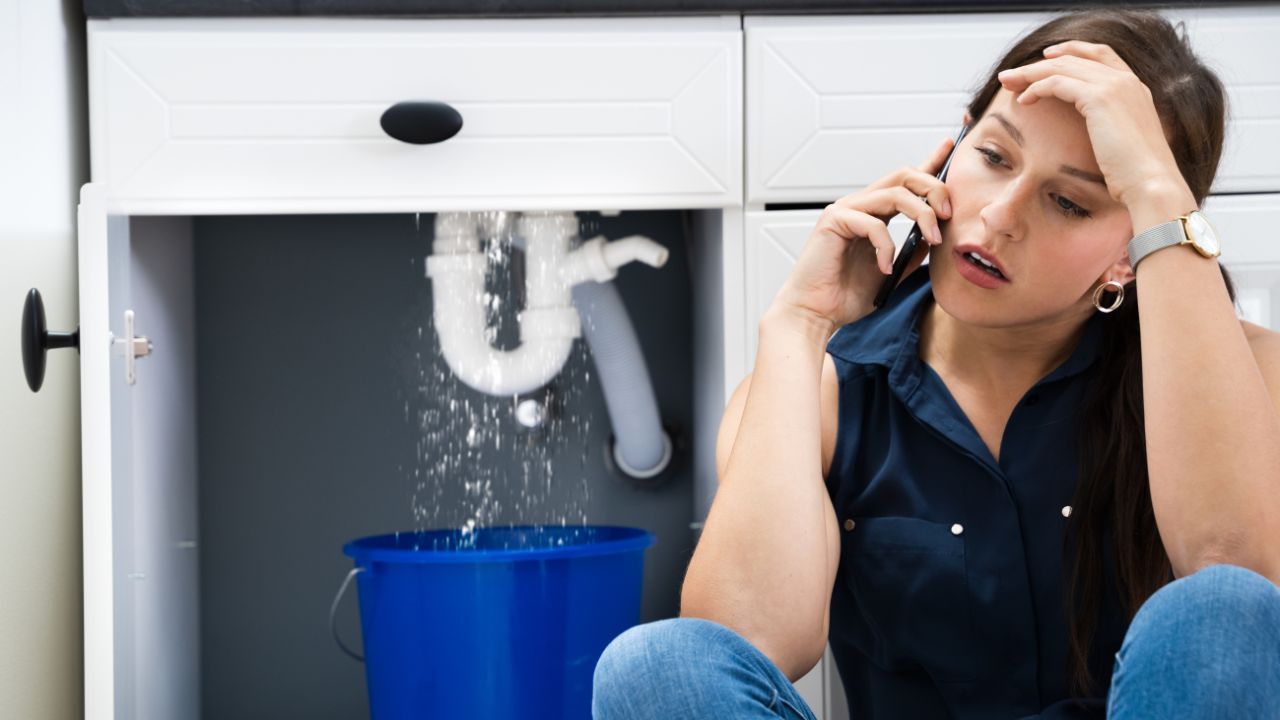
  • Under sinks and around fixtures
  • Behind walls where pipes run
  • Basement (internal plumbing)
  • Water heater connections

Main Symptoms Side-by-Side

Rain Leak SymptomsPlumbing Leak Symptoms
Water appears only during/after rainWater appears regardless of weather
Water stains on ceiling after stormsWater meter spinning when all fixtures off
Foundation staining after rainfallDampness around fixtures/pipes
Pooling water in yard (>24-48 hours)Fluctuating water pressure
Clear, odorless waterMay be discolored (drain line)

Seasonal Pattern: Spring accounts for 40% of rain leaks; winter accounts for 30% of plumbing leaks (300-home analysis).

How Can You Identify A Rain Leak In Your Home?

Rain leaks follow precipitation patterns. Water intrusion after rain signals exterior drainage system failure, while constant moisture, regardless of weather, points to internal plumbing issues. Timing is your primary diagnostic tool.

Visible Signs of Rain Leaks

Early Warning Signs:

  • Pooling water in yard lasting >24-48 hours (Severity: 7/10)
  • Soggy or spongy soil long after rain (Severity: 6/10)
  • Foundation staining above ground line (Severity: 8/10)
  • Landscape erosion, exposed tree roots (Severity: 6/10)

Advanced Signs:

  • Basement dampness only during/after rain (Severity: 8/10)
  • Musty odors in lower levels after storms (Severity: 9/10)
  • Foundation cracks >1/4 inch (Severity: 9/10)

Methods for Detecting Rain Leak Source

  • Roof inspection - Check for missing shingles, damaged flashing
  • Window seal check - Examine caulking and weatherstripping
  • Gutter inspection - Look for overflow, clogs during rain
  • Grading assessment - Verify 5% slope away from foundation for 10 feet
  • Systematic hose test - Soak one area at a time with indoor spotter

Immediate Actions If Rain Leak Suspected

  1. Move furniture and valuables away from leak
  2. Place containers to catch dripping water
  3. Use a waterproof tarp to cover the suspected roof area
  4. Clean gutters and extend downspouts to 6+ feet from foundation
  5. Use wet vacuum and dehumidifiers for basement water
  6. Contact a professional within 24-48 hours (roofer, drainage specialist, or structural engineer for severe cases)

How Can You Identify A Plumbing Leak In Your Home?

Plumbing leaks persist regardless of the weather. The water meter test provides definitive confirmation within minutes. If the meter moves when all water is off, you have a plumbing leak.

Common Signs of Plumbing Leaks

  • Water meter movement when all fixtures are off (CONFIRMED leak)
  • Water stains near pipes or under sinks
  • Musty smells near plumbing fixtures
  • Lower water pressure in faucets/showers
  • High water bills (unexplained increase)
  • Leak appears only when using a specific fixture (drain line issue)

Water Meter Test Procedure:

  1. Turn off ALL water (toilets, faucets, appliances)
  2. Check leak indicator dial (triangle or star shape)
  3. If dial moves = CONFIRMED plumbing leak
  4. If no indicator: note reading, wait 1-2 hours, recheck

Pressure Effects:

  • Low-flow indicator movement = even small leaks detected
  • Gradual pressure loss over hours = supply line leak
  • Fixture-specific drops = leak in line to that area

Consequences of Ignoring Plumbing Leaks

  • Mold growth within 24-48 hours (health hazard)
  • Water damage to floors and walls requiring material replacement
  • Flooding (if major pipe burst)
  • Higher utility bills indicating hidden continuous leaks
  • Structural weakening over months to years

What Are The Immediate Actions You Should Take For A Rain Leak?

Rain leaks require swift containment to prevent escalating damage. Understanding how to stop water near foundation begins with temporary measures that buy time while you arrange professional repairs, but they are not permanent solutions.

Temporary Fixes for Rain Leaks

  • Waterproof tarps - Cover roof area, secure with weights
  • Sealing small cracks - Use waterproof caulk (temporary only)
  • Catching water - Containers under active drips
  • Downspout extensions - Add to discharge 6+ feet away (semi-permanent)

When to Contact a Professional for Rain Leaks

High Priority (24-48 hours):

  • Extensive roof damage (multiple missing shingles)
  • Multiple simultaneous leaks
  • Visible water actively entering basement

Emergency (Immediate):

  • Foundation cracks >1/4 inch or bowing walls - Call structural engineer
  • Severe erosion or shifting hardscapes
  • Storm damage affecting multiple systems

Preventive Measures to Prevent Future Rain Leaks

  • Clear gutters twice yearly (spring/fall)
  • Annual roof inspections especially after severe weather
  • Verify proper grading through professional landscaping services - maintain 5% slope for 10 feet minimum
  • Check downspout positioning - ensure 4-6 feet from foundation annually
  • Maintain flashing - check and reseal annually

What Are The Best Solutions For A Plumbing Leak?

Minor plumbing issues can be temporarily addressed by homeowners, but professional inspection is mandatory. Water damage progresses rapidly, schedule repairs immediately after implementing temporary fixes.

Simple DIY Plumbing Fixes

  • Tightening connections under sinks (loose fittings)
  • Replacing washers for dripping faucets
  • Pipe repair tape for small pinhole leaks (temporary)
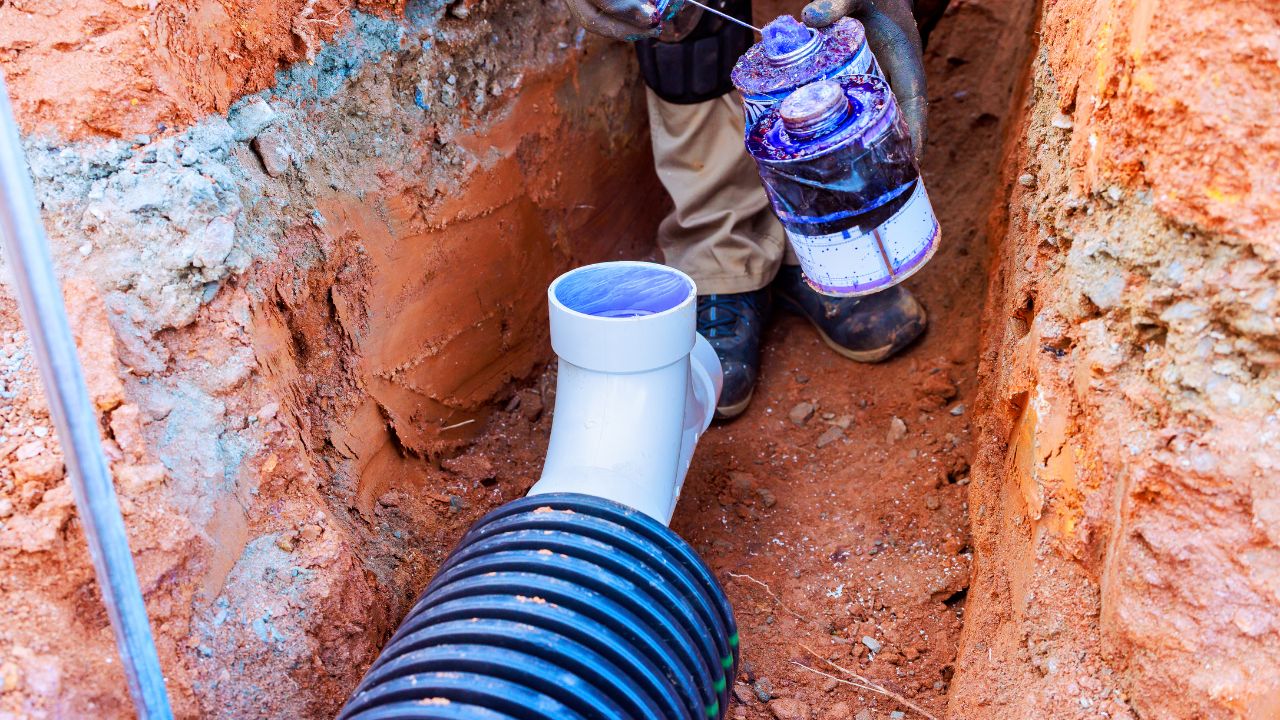
  • Dye testing to confirm the suspected drain leak location

Important: DIY fixes are temporary. Schedule a professional inspection.

When to Seek Professional Help for Plumbing Leaks

Immediate/Emergency:

  • Water meter shows continuous movement
  • Major burst pipes
  • Any leak near electrical outlets (shut off power first)

Urgent (Within 24-48 Hours):

  • Sewage backup or drain issues
  • Persistent leaks despite DIY attempts

Long-Term Preventive Measures for Plumbing

  • Regular pipe inspections every 2-3 years
  • Replace old pipes (50+ years old)
  • Insulate pipes before winter in freezing areas (winter has 30% of plumbing leaks)
  • Monitor water meter monthly for slow leaks
  • Maintain indoor humidity <50% to prevent mold

How Can You Differentiate Between Rain Leaks And Plumbing Leaks Using Tools?

Diagnostic tools eliminate guesswork. A moisture meter maps damage extent, thermal cameras reveal hidden moisture, and the water meter test provides definitive confirmation of plumbing leaks within minutes.

Tools for Leak Identification

  • Moisture meter ($30-$200) - Confirms water damage extent
  • Thermal/infrared camera ($200-$500; rental $50/day) - Shows moisture behind walls (cooler areas = wet)
  • Water meter with leak indicator (included with home) - Confirms plumbing supply leaks
  • Non-toxic dye ($10-$30) - Traces drain leaks or tests specific areas

Step-by-Step Testing

For Rain Leaks:

  1. Check timing - Does leak appear ONLY during/after rain?
  2. Inspect wet areas for patterns (top = roof/window; bottom = foundation)
  3. Systematic hose test - Soak one area 5-10 minutes with indoor spotter
  4. Verify gutter function during actual rain

For Plumbing Leaks:

  1. Turn off ALL water
  2. Check water meter leak indicator
  3. If moving = CONFIRMED supply leak - call plumber immediately
  4. If no movement, wait 1-2 hours and recheck reading
  5. Test specific fixtures - if leak only when used = drain issue at that fixture

What Are The Risks Of Ignoring Rain Leaks And Plumbing Leaks?

Delayed intervention transforms minor issues into catastrophic failures. Repair costs escalate exponentially, 12x higher when neglected for three years, while mold begins growing within 48 hours of water exposure. Recognizing foundation leak signs early prevents structural damage that can compromise your entire property.

Long-Term Risks of Ignoring Rain Leaks

  • Mold growth - Begins in 24-48 hours; causes health issues ($500-$6,000 remediation)
  • Structural decay - Foundation cracks from hydrostatic pressure
  • Cost escalation - See table below
  • Compromised insulation - Loses effectiveness, higher energy costs

Cost Escalation Data:

Intervention TimingAverage CostCost Multiplier
Early (0-3 months)$1,5001.0x
Moderate (3-12 months)$4,5003.0x
Significant (1-3 years)$8,5005.7x
Severe (3+ years)$18,00012.0x

Potential Damages from Plumbing Leaks

  • Flooding (burst pipes) - Catastrophic, requires emergency response
  • Water damage to walls/floors - Material replacement needed
  • Mold in 24-48 hours - Health hazard, professional remediation required
  • Pipe corrosion - Accelerated system-wide failure
  • Foundation weakening from chronic slab leaks

Critical: Foundation cracks >1/4 inch require immediate structural engineer evaluation. Unstable soil from drainage failures may also compromise retaining walls and hardscaping.

How Should You Approach Rain And Plumbing Leaks?

Accurate diagnosis determines your response. Weather correlation and the water meter test provide definitive answers; rain leaks appear only during storms, while plumbing leaks cause meter movement when all water is off. For rain leaks, correlate moisture with weather timing, identify the source (roof, gutters, grading, foundation), contain water with tarps and wet vacuums, and extend downspouts to 6 feet from the foundation. For plumbing leaks, perform the water meter test with all water off. If the indicator moves, you have a confirmed supply leak requiring immediate plumber contact. If moisture appears only when using specific fixtures, you're dealing with a drain line issue at that location.

Professional intervention becomes mandatory in specific scenarios. Rain leaks require immediate drainage specialist contact for active basement water entry, a roofer within 24-48 hours for severe roof damage, and emergency structural engineer evaluation for foundation cracks exceeding 1/4 inch or storm damage affecting multiple systems. Plumbing leaks demand immediate professional response for water meter movement, burst pipes, or any leak near electrical outlets; these situations escalate from inconvenient to catastrophic within hours.

Protect your home with expert drainage solutions. Request a free quote from Signature Landscape to assess your property's grading, downspout placement, and erosion control needs before minor drainage issues become major structural problems.

Signature Landscape
Moe has remained committed to excellence in both design and customer service ever since day one. Today, seeing clients from many years back who are still enthusiastic and appreciative fuels his fire. Knowing he has such a positive effect on his clients and the beauty of the city he lives in drives Moe daily to strive for excellence.

Schedule A Consultation

Interested in transforming your outdoor space into a lush oasis? Fill out the form below to schedule a consultation with our Hardscaping & Landscaping Experts and bring your vision to life!

  • This field is for validation purposes and should be left unchanged.
  • Please be as descriptive as possible to allow us to better provide a quote for your project.
  • Accepted file types: jpg, jpeg, gif, png, Max. file size: 50 MB.
Signature Landscape Logo
Signature Landscape
We create exceptional exterior living spaces and are passionate about the quality and beauty reflected in every Signature Landscape design.
Contractors License: 583113
Quicklinks
Get In Touch
Working Hours:
Daily: 9:00 AM – 6:00 PM
Houzz
© 2026 Signature Landscape. All Rights Reserved.