Call our Professional Contractors!
(949) 859-9969
Key Takeaways
Garage flooding after rain transforms a single storm into a financial crisis. Water pooling on your garage floor damages vehicles, stored belongings, and structural elements while migrating into adjacent living spaces. The cost escalation is exponential: immediate response averages $850 in repairs, but a 48-hour delay multiplies that figure 14 times to $12,500. Understanding the causes, identifying effective drainage solutions for garage flooding, and knowing when to call professional drainage experts can prevent catastrophic damage.
This comprehensive guide provides actionable strategies to protect your garage from water intrusion, backed by industry data and proven drainage techniques.
Most garage flooding stems from surface water management failures, not catastrophic structural problems. Understanding the source is the first step toward a lasting fix.
Heavy rain combined with poor grading causes 28% of all garage flooding incidents, the single most common source. One inch of rainfall on a typical roof produces over 600 gallons of water, overwhelming inadequate drainage systems. Downspout discharge problems account for 11% of cases, foundation cracks contribute 18%, and garage door intrusion represents 5%. Water accumulating in soil exerts hydrostatic pressure against foundation walls, causing structural damage and creating entry points for garage water intrusion.
Pinpointing where water enters your garage determines which fix works fastest. Inspect during and immediately after heavy rain for the clearest evidence.
Visual Inspection Along Walls
Tools Required for Floor Leak Detection
Key Focus Areas for Water Ingress
Emergency response in the first 24 hours prevents 65% of potential damage. These solutions stop active flooding while you plan permanent fixes.
Emergency fixes stop immediate flooding, but permanent solutions eliminate the root cause. Professional drainage systems provide 90-99% effectiveness compared to DIY approaches ranging from 10-75%.
Elevation creates a physical barrier against surface water intrusion. Compare permanent solutions based on your garage's specific flooding pattern and budget.
| Method | Installation Process | Effectiveness Rating | Cost Range | Best Use Case |
| Elevated Garage Floor | Complete floor raising; 2-4 weeks; high complexity | 95%+ for surface water | $8,000-$15,000 | New construction or major renovation |
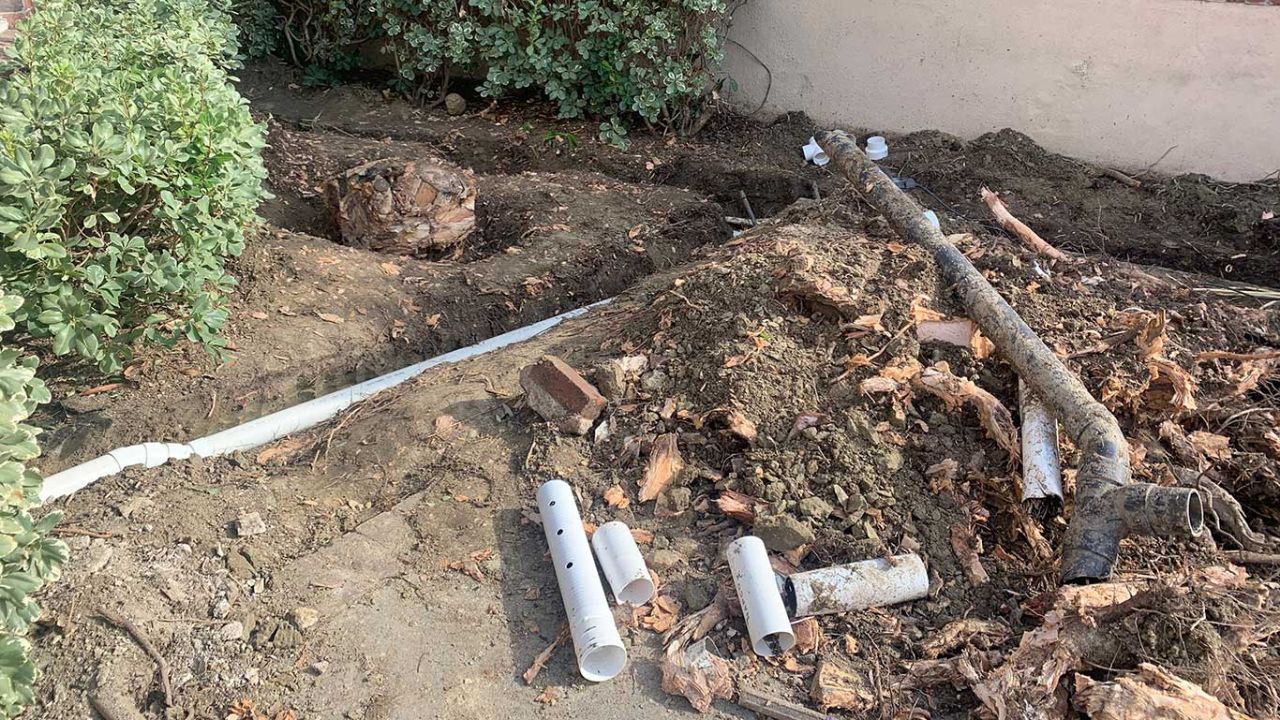
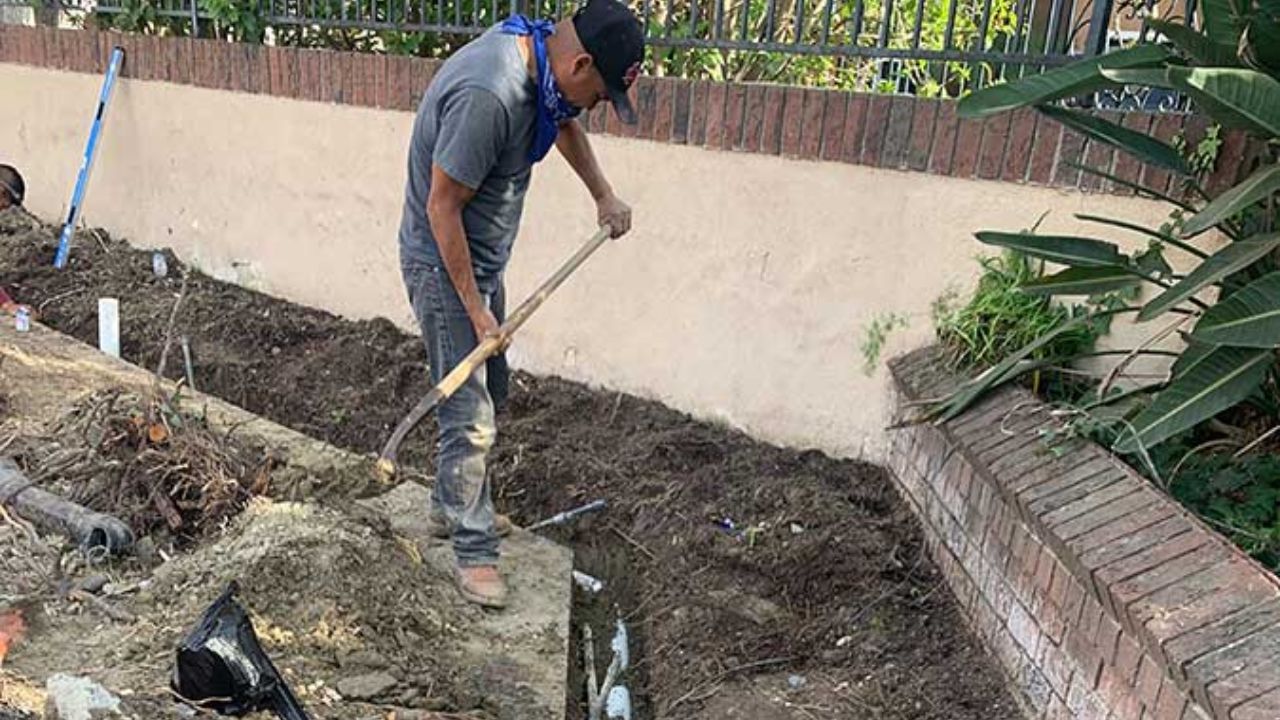
| French Drain System | Excavation and perforated pipe installation; 3-5 days | 95% professional effectiveness | $2,500-$6,000 | Existing garages with groundwater issues |
| Trench/Channel Drains | Linear drain at entrance; 1-2 days | 90% for surface intrusion | $1,200-$3,500 | Primary defense for garage door flooding |
| Grading Correction | Landscape resloping; 1-2 days | Addresses 28% of incidents | $800-$2,500 | Properties with poor existing slope |
Professional drainage solutions consistently achieve 90-99% effectiveness regardless of flooding source. Experts assess your property's unique conditions and install systems engineered for long-term performance.
| Solution Type | Description | Pros | Cons | Professional Effectiveness | Estimated Installation Time |
| French Drains | Perforated pipe system with gravel bedding that intercepts groundwater | Long-lasting; addresses root cause; 95% effectiveness | Requires excavation; higher upfront cost | 95% for heavy rain/grading issues | 3-5 days |
| Sump Pumps | Automated water removal system with battery backup | 98% professional effectiveness; works 24/7; handles high volumes | Requires power/backup; ongoing maintenance | 98% across scenarios | 1-2 days |
| Surface Drainage Systems | Channels and catch basins for surface water management | Visible and accessible; 92% effectiveness for groundwater | May require multiple components | 92% for groundwater seepage | 2-4 days |
| Channel/Trench Drains | Linear drains at garage entrance or strategic floor locations | Most effective for garage-specific flooding (90%); prevents door intrusion | Limited to surface water only | 90% for garage door intrusion | 1-2 days |
Time determines damage severity. The 24-hour window is critical; mold colonization begins, and damage scores jump from 42 to 65 after this threshold. Finding drainage repair near garage professionals quickly is essential.
Immediate Professional Response Required When:
Critical Time Thresholds:
The IICRC standard mandates professional remediation for contaminated water or water present for more than 24-48 hours to mitigate health risks and prevent mold growth. If DIY mitigation does not stop water flow within the first few hours, professional intervention becomes essential to prevent exponential damage escalation.
Prevention costs a fraction of emergency repairs. The exponential cost escalation from delayed response makes immediate professional intervention economically sound.
| System Type | Initial Installation Cost | Maintenance Costs (Annual) | Expected Longevity | Cost Per Square Foot | Response Timing Impact |
| French Drain System | $2,500-$6,000 | $100-$200 | 30-40 years | $10-$20 | N/A - preventative |
| Sump Pump Installation | $1,200-$3,000 | $150-$300 | 10-15 years | $8-$15 | N/A - preventative |
| Surface Drainage/Channel System | $1,200-$3,500 | $50-$150 | 20-30 years | $12-$18 | N/A - preventative |
| Emergency Water Damage Response | See delay impact below | Varies by extent | N/A | Varies | Critical factor |
Cost Escalation with Delayed Emergency Response:
| Response Delay | Average Repair Cost | Cost Multiplier | Insurance Deductible Impact | Out-of-Pocket Cost |
| 1 hour | $850 | Baseline (1.0x) | $500 | $350 |
| 24 hours | $5,200 | 6.1x | $1,000 | $4,200 |
| 48 hours | $12,500 | 14.7x | $2,500 | $10,000 |
| 7 days | $45,000 | 52.9x | $5,000 | $40,000 |
A 48-hour delay increases average repair costs by over 14 times, from approximately $850 to $12,500. This exponential cost escalation makes immediate professional response far more economical than delayed action.
Smart drainage management prevents catastrophic damage and exponential repair costs. Regular inspection is your first line of defense: check that downspouts discharge at least 10 feet from the garage, verify grading maintains a 6-inch slope over the first 10 feet, and test sump pump functionality quarterly since 12% of incidents stem from pump failures. Address any issues within the 24-hour optimal window to prevent 65% of potential damage—after 24 hours, mold colonization begins, and damage scores jump from 42 to 65. For recurring problems or foundation cracks, engage drainage experts immediately; professional solutions achieve 90-99% effectiveness versus the 10-75% DIY range, and foundation cracks have only 25% DIY effectiveness.
During active flooding, ensure safety first by turning off electricity if standing water is present and evacuating vehicles immediately. Deploy temporary barriers like sandbags or water-activated flood bags at the garage door threshold, then begin water removal with wet-dry vacuums while documenting all damage with photos. Call 24/7 emergency professionals if water volume exceeds DIY capacity, contaminated water is present, or foundation cracks are involved—remember that 1-hour response averages $850 versus $12,500 at 48 hours. Redirect surface water by temporarily extending downspouts away from the garage and creating emergency berms to divert runoff.
Invest in permanent solutions like French drains, channel drains, and proper grading rather than repeated emergency responses. A $3,000 French drain installation prevents the potential $45,000 cost of a week-delayed emergency response.
Protect your property from costly water damage. Request a free drainage assessment from Signature Landscape and prevent the exponential repair costs that begin accumulating within 24 hours of flooding.
 Signature Landscape
Schedule A Consultation