Call our Professional Contractors!
(949) 859-9969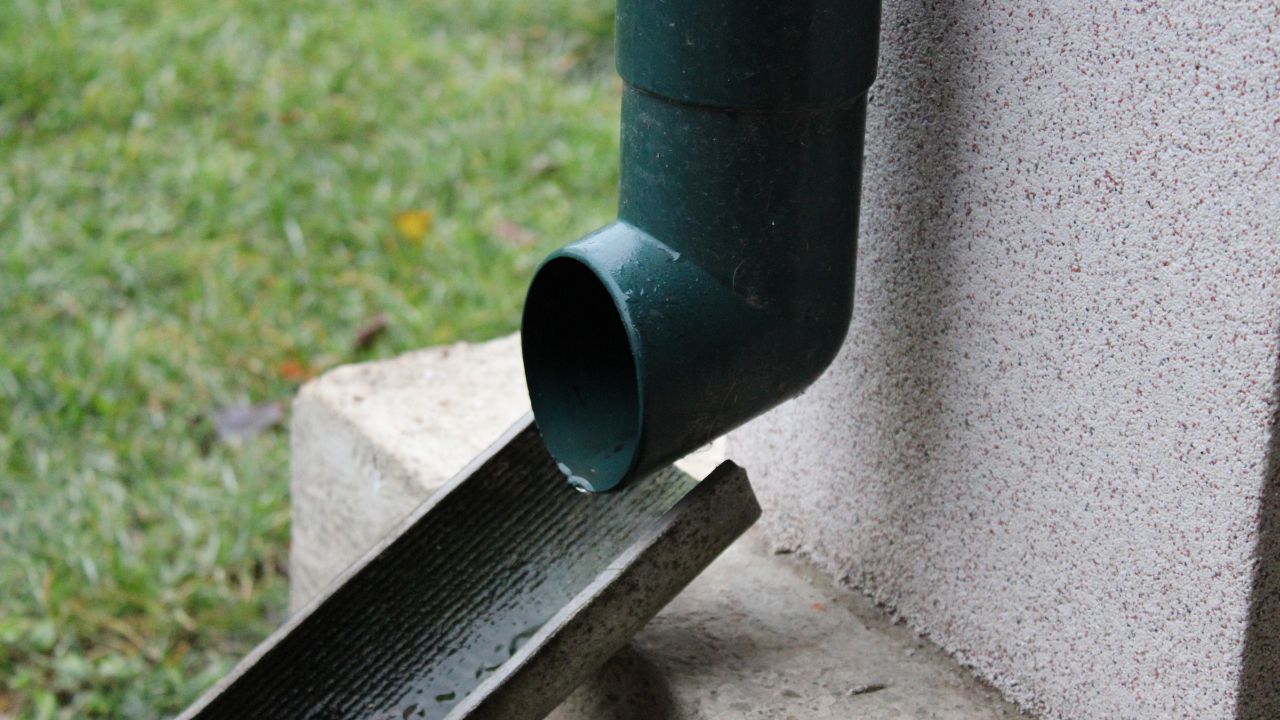
Key Takeaways
Water damage from poor drainage costs homeowners thousands in foundation repairs, basement flooding, and structural issues. Most rain leaks originate from landscape design failures, negative grading, inadequate drainage systems, and improper water management. The good news: strategic landscape drainage design prevents these problems before they start, protecting your property investment and eliminating costly emergency repairs.
This guide explains how to design, install, and maintain drainage systems that keep water away from your foundation permanently. You'll learn grading principles, system selection criteria, cost comparisons, and professional maintenance strategies to safeguard your home against water intrusion.
Landscape drainage design controls surface water movement around your property. Poor drainage creates hydrostatic pressure against foundations, causing leaks, flooding, and structural damage. Proper design redirects water away from structures before problems start.
Three factors cause most landscape drainage failures. Negative grading slopes ground toward structures instead of away, directing water straight to foundations. Soil compaction from construction reduces infiltration rates, forcing water to run off surfaces and overwhelm systems. Settling soil reverses previously correct slopes over time, sending water back toward foundations.
Poor drainage creates hydrostatic pressure, the primary cause of water penetration through basement walls. Negative grading allows water to pool against foundations, building pressure that forces moisture through concrete and masonry. This pressure leads to basement flooding, crawlspace saturation, and foundation damage. Proper yard grading and drainage serves as the first line of defense, directing rainwater away from perimeters before it can infiltrate.
Smart water management landscaping prevents water problems through integrated planning. It establishes positive drainage to move all surface water away from structures, follows building code-mandated grading specifications, incorporates low-impact development techniques like swales and rain gardens, and combines both surface and subsurface solutions for comprehensive protection.
Grading creates slopes that move water away from foundations. The International Building Code requires ground adjacent to foundations slope away at minimum 5%, a 6-inch drop over 10 feet. This slope must extend at least 10 feet from the foundation. General landscape areas need minimum 2% slope (¼ inch per foot) to prevent standing water. Hardscapes require 1-2% slope away from buildings.
Drainage channels intercept and redirect water before it reaches foundations. Swales, shallow, vegetated channels, slow, spread, and convey runoff to safe discharge points. They serve as low-cost alternatives to the 10-foot grading requirement where space is limited. By preventing water from ever reaching foundation areas, channels eliminate hydrostatic pressure buildup proactively.
Permeable surfaces allow rainwater to infiltrate rather than run off. Water percolates through joints or pores into gravel bases below, reducing runoff volume significantly. This infiltration decreases the burden on drainage systems while recharging groundwater. Permeable pavers support vehicle loads while maintaining infiltration capacity.
Permeable Surface Options:
Professional assessment identifies problem areas and determines appropriate solutions. Evaluation examines existing conditions, measures soil characteristics, and maps water flow patterns to design effective systems.
Start by identifying negative grading, slopes directing water toward structures. Look for low spots where water pools consistently after rain. Check for prolonged soil saturation and wet areas that don't drain. Observe actual water flow patterns during rainfall events to see where problems develop.
Infiltration testing determines the soil's water absorption capacity and sizes systems properly. Soil permeability assessment identifies whether soil supports infiltration; sandy or loamy soils work well; clay soils require heavy amendment or alternative approaches. Measurements verify subsurface pipes achieve a minimum 1% slope (⅛ inch per foot) for gravity flow.
Assessment Tools and Techniques:
Accurate flow evaluation ensures systems handle actual water volumes. Infiltration testing sizes systems correctly for soil conditions. Understanding topography and flow patterns determines optimal drain placement and layout. Professional landscaping design prevents undersizing, the primary cause of system failure. Undersized systems become overwhelmed during heavy rain, failing to protect property when needed most.
Multiple drainage systems prevent rain leaks, each designed for specific conditions. French drains, swales, and dry wells address different water sources and site challenges. Selecting the right system depends on soil type, property slope, and primary water source.
French drains collect subsurface water through perforated pipes wrapped in geotextile filter fabric and surrounded by gravel. The fabric prevents soil particles from clogging the system while allowing water to enter. These drains intercept water flowing down slopes and relieve hydrostatic pressure against foundations.
French drains rank 95 out of 100 for foundation water intrusion and perimeter protection. Professional drainage system installation costs $40-100 per linear foot ($3,000-$7,500 typical residential). Properly installed systems last 30-50+ years but require periodic flushing every 5-10 years to prevent root intrusion and sediment buildup.
Swales are shallow, vegetated channels that slow, spread, and convey surface runoff to safe discharge points. They direct water to streets, rain gardens, or other collection areas without underground infrastructure. Residential installation costs $1,500-$4,500 with 10-20+ year longevity. Maintenance involves re-seeding and vegetation management to maintain function.
Dry wells are underground chambers that temporarily hold runoff, allowing gradual infiltration into surrounding soil. They work best in permeable soils where groundwater tables are low. Installation captures concentrated flows from downspouts or catch basins, preventing surface pooling.
Use the drainage solution effectiveness matrix to match systems to problems, solutions scoring 80+ are recommended; scores below 60 indicate poor fit. Consider three main water sources: surface runoff, subsurface groundwater, and roof discharge. Match systems to soil type (clay versus sandy), property slope, and water source. Footing drains are required for all new construction with basements regardless of other conditions.
Modern drainage design increasingly incorporates low-impact development techniques that work with natural processes. While traditional systems move water away quickly, smart approaches filter, slow, and infiltrate runoff where appropriate. Rain gardens represent the primary "smart" technology with proven effectiveness.
Automated systems use sensors and controllers to activate pumps or divert flows based on moisture levels and rainfall. These technologies optimize system performance but add complexity and maintenance requirements. Research documents don't detail automated systems, traditional gravity-based drainage remains the standard approach.
Rain gardens serve as natural rainwater harvesting systems. These sunken garden beds temporarily pond water 6-12 inches deep, filtering it through specialized soil media. Filtration gardens use 4-inch perforated HDPE pipe surrounded by 12 inches of drain rock for complete drainage. Rain gardens remove 70% of total suspended solids while recharging groundwater.
Benefits of Integrating Rainwater Harvesting with Landscape Drainage:
IoT sensors can monitor soil moisture, rainfall, and system performance in real-time. Connected devices alert property owners to blockages, pump failures, or overflow conditions. Research documents focus on traditional systems, IoT applications remain emerging technology not yet standardized in residential drainage design.
Regular maintenance prevents expensive failures and extends system life. Inspection schedules vary by component type, surface elements need annual attention while subsurface systems require less frequent professional service.
Annual Maintenance: Inspect and clean gutters and downspouts. Verify all downspout extensions connect properly and discharge correctly. Clear debris from all visible grates on area drains and trench drains.
Every 2-3 Years: Inspect catch basins and remove accumulated sediment.
Every 5-10 Years: Have subsurface systems (French drains, footing drains) professionally inspected and flushed to prevent sediment buildup.
Ongoing: Monitor foundation grading continuously. Add soil as needed to prevent settling that reverses proper slopes.
| Common Problem | Cause | Solution |
| Standing water in pipes | Improper slope (less than 1%) | Re-grade pipe to achieve minimum ⅛ inch per foot slope |
| Clogged perforated pipe | No filter fabric; siltation | Excavate, wrap pipe in geotextile fabric, reinstall |
| Crushed or deteriorated pipe | Using corrugated pipe | Replace with smooth-walled PVC or HDPE pipe |
| Basement seepage near foundation | Downspouts discharge too close | Extend downspouts minimum 4-6 feet from foundation |
| System overwhelmed with water | Ignoring surface grading | Correct grading to 5% slope away from foundation for first 10 feet |
| Reduced infiltration | Soil compaction | Minimize compaction during construction; amend soil with organic matter |
| Outlet blockage | Debris, snow, or ice | Keep outlets clear; conduct regular inspections |
Prevention starts with proper installation. Wrap all perforated pipes in geotextile filter fabric to block fine soil particles. Install catch basins to trap debris before it enters pipe systems. Use smooth-walled PVC or HDPE pipe, the professional standard, instead of corrugated pipe that clogs easily. Flush systems professionally every 5-10 years. Clean catch basins every 2-3 years to remove sediment. Clear all grates annually to prevent surface blockages. For professional drainage repair services, consult experienced contractors who understand system maintenance requirements.
Understanding drainage system costs helps prioritize investments for maximum protection. Initial installation varies widely, but long-term value depends on longevity and maintenance requirements rather than upfront expense alone.
| Common Problem | Cause | Solution |
| Standing water in pipes | Improper slope (less than 1%) | Re-grade pipe to achieve minimum ⅛ inch per foot slope |
| Clogged perforated pipe | No filter fabric; siltation | Excavate, wrap pipe in geotextile fabric, reinstall |
| Crushed or deteriorated pipe | Using corrugated pipe | Replace with smooth-walled PVC or HDPE pipe |
| Basement seepage near foundation | Downspouts discharge too close | Extend downspouts minimum 4-6 feet from foundation |
| System overwhelmed with water | Ignoring surface grading | Correct grading to 5% slope away from foundation for first 10 feet |
| Reduced infiltration | Soil compaction | Minimize compaction during construction; amend soil with organic matter |
| Outlet blockage | Debris, snow, or ice | Keep outlets clear; conduct regular inspections |
Costs vary significantly based on soil type, excavation depth, site access, and regional labor rates. Per-unit costs for area drains exclude pipe runs to discharge points.
Best overall value comes from downspout extensions at $12 per year, the lowest annual cost. Surface regrading offers longest longevity at 50 years. Proper grading delivers 88% average reduction in water volume threatening foundations. Negative slopes (toward house) convert to positive slopes (away from house) of 2.0-3.0%, the ideal range.
Foundation perimeter shows most critical improvement: slopes change from -2.5% to +3.0% after correction. Upper-left quadrant solutions, low cost, long life, offer best long-term value. Surface regrading and downspout extensions fall in this category. Total cost of ownership (cost per year) matters more than initial installation expense. Learn more about creating low-maintenance yards with hardscaping that complement drainage systems.
Neglecting drainage issues leads to expensive foundation repairs that far exceed properly installed drainage system costs. Regular maintenance, flushing French drains, managing swale vegetation, achieves maximum expected longevity of 30-50+ years. Proper systems prevent hydrostatic pressure and water infiltration, eliminating the force pushing water through concrete walls and floors.
Maintenance frequency directly affects long-term costs. Surface regrading requires attention every 10 years. Footing drains need service every 10 years. French drains require flushing every 5 years. Preventive maintenance costs substantially less than emergency repairs.
Professional landscape drainage design protects property value and prevents costly water damage. Start with assessment, then implement solutions matched to your specific conditions. The following steps guide initial planning.
Step 1: Assess Current Grading - Verify ground slopes away from the foundation at a minimum 5% (6 inches over 10 feet). Check that grading maintains this slope for at least 10 feet perpendicular to foundation walls.
Step 2: Identify Problem Areas - Look for negative grading, low spots, and areas with standing water. Observe water flow patterns during rain events to see where problems develop.
Step 3: Check Downspout Extensions - Ensure downspouts discharge at least 4-6 feet from the foundation. Use solid pipe, not corrugated, for reliable performance.
Step 4: Evaluate Soil Type - Assess soil permeability through infiltration testing. Determine if soil suits infiltration systems (sandy/loamy) or requires alternatives (clay).
Step 5: Determine Water Sources - Identify three main sources: surface runoff, subsurface groundwater, and roof discharge. Match drainage solutions to specific water sources.
Always consult qualified drainage professionals for systems tailored to specific site conditions. Professional design and sizing ensure systems handle actual water volumes. Undersized systems become overwhelmed and fail.
Hire professionals for systems requiring excavation (French drains, footing drains), exterior foundation waterproofing and drainage, accurate infiltration testing and soil assessment, and complex issues involving multiple water sources. Professional expertise prevents costly mistakes that compromise system performance.
Ready to protect your property from water damage? Request a free drainage assessment quote from our landscape drainage experts today.
 Signature Landscape
Schedule A Consultation