Call our Professional Contractors!
(949) 859-9969
Key Takeaways:
Party pavers transform outdoor spaces into entertainment hubs designed for hosting. These hardscape installations create durable, attractive surfaces specifically engineered for social gatherings. Unlike concrete, pavers offer quick installation, superior strength, and flexibility to accommodate events from intimate dinners to large parties.
The modular design allows custom configurations that match your exact entertaining needs while maintaining structural integrity. With Orange County's climate and social culture, party pavers maximize property potential without lengthy construction timelines that disrupt daily life.
Party pavers are hardscape surfaces designed to support social gatherings, prioritizing guest comfort, traffic flow, and aesthetic appeal.
Party pavers create defined spaces guiding natural movement. Wide surfaces allow guests to circulate between conversation areas, food stations, and seating zones. The stable, level surface eliminates tripping hazards and accommodates furniture without wobbling. Strategic layout prevents bottlenecks while maintaining intimate gathering spots.
Small to mid-sized lots gain functional square footage when grass becomes hardscape. Poolside properties maximize value with slip-resistant surfaces connecting pool areas to kitchens and lounges. Sloped yards gain level platforms through proper grading. Corner lots with side access expand hosting areas beyond backyards.
Well-designed paver installations signal entertaining readiness before guests enter. Clean lines, coordinated colors, and professional finishes create visual appeal. Visible backyard upgrades increase perceived property value. When guests arrive, a polished appearance suggests attention to detail throughout the home.
Pavers deliver results faster than poured concrete or stone. Modular units speed installation and repair. Orange County's climate eliminates weather delays common in other regions.
Quick installation options mean homeowners transform outdoor areas with minimal disruption. Professional installation ensures proper base preparation and drainage while maintaining aggressive timelines. Where concrete requires days of curing, pavers are ready immediately after installation. No waiting periods mean no extended yard access loss.
Pre-manufactured units arrive ready to install. No mixing, pouring, or curing required. Crews stockpile materials on-site and work continuously. Modular design allows parallel work streams—base preparation in one area while pavers are placed in another. Weather interruptions cause minimal delays since pavers don't require specific temperature ranges.
Orange County enjoys over 280 sunny days a year with mild evening temperatures. Consistent weather means predictable schedules. Rain delays are rare. Crews operate year-round without seasonal shutdowns. Moderate temperatures prevent extreme ground conditions, allowing precise base compaction and accurate leveling.
Party pavers adapt to any outdoor entertaining concept from simple gathering areas to complex multi-zone layouts.
Patios sized for entertaining start at 200 square feet minimum for small groups. Larger gatherings require 400-600 square feet. Smart designs include conversation areas, dining spaces, and circulation paths. Multi-level patios create visual interest and functional separation—upper levels for dining, lower for lounging.
Pavers create stable foundations for heavy outdoor appliances. Built-in grills, pizza ovens, and refrigerators require level, load-bearing surfaces. Gas-powered fire pits and tables offer instant heat and ambiance at the flick of a switch. Outdoor heaters in electric or gas-powered models keep entire patios comfortable. Kitchen zones need a minimum of 10 feet of counter space. Bar areas integrate directly with raised surfaces and built-in storage.
Main pathways should measure 4-5 feet wide for comfortable traffic. Secondary paths work at 3 feet minimum. Different paver colors or patterns signal zone changes. Raised headers or border courses create visual boundaries, preventing guests from wandering into landscaping.
Fire features become gathering magnets. Built-in fire pits with surrounding seating walls create conversation circles. The optimal diameter for fire pit areas ranges from 12-16 feet. Lounge zones require 2-3 feet between seating groups for circulation. Focal points should be visible from multiple vantage points.
Material selection impacts long-term performance. High-traffic areas demand pavers engineered for strength, slip resistance, and aesthetic consistency.
Pavers are manufactured to be three to four times stronger than standard concrete slabs, making them highly resistant to cracking, breaking, and heavy foot traffic. Concrete pavers offer the best strength-to-cost ratio for most applications. Use 2⅜-inch minimum thickness for pedestrian areas, 3⅛-inch for vehicular traffic or extremely heavy use zones. For pure durability in entertainment settings, high-density concrete pavers with proper base preparation outlast alternatives. The compression strength and dense composition resist weathering, staining, and physical stress from furniture and foot traffic.
Pavers offer slip-resistant properties and stay cooler underfoot than many other materials, enhancing both safety and comfort. Textured finishes provide the best grip when wet. Tumbled or brushed finishes offer an ideal balance—attractive appearance with functional traction. Avoid highly polished surfaces in entertainment zones. Medium tones work best for year-round comfort in Orange County's climate.
Herringbone patterns provide maximum interlock and load distribution. The 45-degree or 90-degree herringbone resists shifting under heavy traffic better than running bond. Running bond patterns work adequately for pedestrian traffic with proper edge restraint. Match pattern complexity to expected traffic loads.
Pre-project planning prevents costly mistakes. Successful installations require careful consideration of capacity, lighting, feature integration, and maintenance.
Budget 10-12 square feet per guest for standing events. Seated dinners require 15-20 square feet per person. Groups of 20 need a minimum of 300 square feet. Add 20-30% for circulation space. Consider furniture storage—permanent seating reduces usable area.
Well-designed lighting schemes prove essential for nighttime entertaining. String lights, lanterns, and strategically placed LED uplighting transform dark patios into warm retreats. Layout affects lighting efficiency—position areas where fixtures effectively illuminate without shadows. Budget $1,500-3,000 for basic lighting.
Integration decisions depend on budget, lifestyle, and maintenance preferences. Artificial turf pairs with pavers for pet-friendly, low-maintenance yards. Retaining walls add functional seating while solving grade issues. Outdoor kitchens make sense for frequent entertainers willing to invest $10,000-30,000+. Evaluate actual usage patterns before committing.
Pavers are incredibly low-maintenance—if one becomes stained or damaged, it can be individually replaced without redoing the entire surface. Regular maintenance involves sweeping, occasional rinsing, and weed control in joints. Sealed pavers need resealing every 2-3 years. Budget $200-500 annually for maintenance or DIY most tasks.
Understanding installation steps sets realistic expectations. Each phase builds on the previous, creating stable, long-lasting surfaces.
Professional consultation identifies site constraints, utilities, and boundaries. Designers measure space, assess drainage, and discuss intended use. This phase determines whether additional features like lighting, irrigation, or gas lines need coordination. Pavers provide endless design possibilities with a wide array of colors, shapes, and patterns customized to complement any architectural style. Design approval includes 3D renderings or detailed drawings showing the exact layout, material selections, and feature integration. Timeline and budget lock in before work begins, preventing surprise costs or scope creep during construction.
Excavation depth typically runs 7-9 inches for pedestrian areas. Crews remove sod, topsoil, and unstable material. Grading establishes a proper slope for water runoff—minimum 2% grade away from structures. Compaction equipment presses subgrade soil to 95% density, preventing future settling.
Base layer consists of 4-6 inches of crushed aggregate. Material gets spread in 2-inch lifts and compacted between layers. Edge restraint installation keeps pavers from spreading laterally. A 1-inch layer of bedding sand goes over a compacted base, creating the final leveling layer.
Installation starts from a fixed reference point. Pavers get placed tightly without spacing gaps. Rubber mallets tap units into bedding sand. String lines maintain straight courses. Plate compactors vibrate pavers into the final position. Polymeric sand gets swept into joints and activated with water, locking pavers together.
Final inspection occurs 24-48 hours after installation once the joint sand sets. Inspectors check drainage, surface level, and secure edges. Any settling gets corrected before project closeout. Sealing happens 30-90 days after installation. Final walkthrough confirms all aspects meet the approved design.
Pricing varies by project scope, materials, and site conditions. Orange County prices typically run higher than national averages.
Material costs range from $3 to 15 per square foot for pavers alone. Installation labor adds $8-15 per square foot. Complex patterns increase labor costs 20-40%. Base preparation represents a significant expense—poor soil requires additional excavation. Site accessibility affects pricing. Demolition and disposal cost $2-5 per square foot. Additional features like lighting or fire pits run separately.
Paver installations cost $15-30 per square foot installed, compared to $8-18 for stamped concrete and $20-40 for tile. Initial investment runs higher, but lifecycle costs favor pavers. Concrete develops cracks requiring repair within 3-5 years. Twenty-year analysis often favors pavers despite higher upfront pricing.
Orange County labor rates run 15-25% above national averages. Permit costs vary by city—$500-1,500 for hardscape permits. Strict building codes require licensed contractors. Property access in established neighborhoods creates challenges. HOA approval processes may require specific materials, limiting cost-saving options.
Proper maintenance preserves appearance and extends lifespan. High-traffic areas need more frequent attention.
Sweep weekly to remove debris. Hose down monthly to prevent dirt buildup. Address spills immediately—oil, wine, and food stains set quickly. Use pH-neutral cleaners designed for pavers. Pressure washing works for deep cleaning at 1,500-2,000 PSI maximum. Spring and fall cleaning prepare surfaces for peak entertaining seasons.
Sealing protects pavers from staining, UV damage, and moisture penetration. Sealed surfaces resist food and beverage spills better. Apply sealer every 2-3 years, depending on traffic. Choose breathable sealers allowing moisture escape. Professional sealing costs $1-3 per square foot.
Joint sand needs replenishment every 1-2 years. Inspect quarterly for settling or damage. Annual professional inspection catches problems early. Major refresh projects every 7-10 years might involve removing and resetting pavers. Budget $300-600 annually or DIY for under $100.
Timing affects installation efficiency and contractor availability. Orange County's climate allows year-round installation, with certain periods offering distinct advantages.
Dry conditions speed installation. Winter rains occasionally delay projects. Summer heat doesn't impact paver installation since materials don't require temperature-specific curing. Spring offers ideal conditions—moderate temperatures and minimal rain. Fall provides similar benefits with lower contractor demand, potentially reducing costs.
Orange County's mild climate provides unique opportunities for year-round outdoor living, with average winter temperatures often hovering in the comfortable mid-60s to low 70s. Despite year-round potential, summer remains peak season for outdoor gatherings. Installing in winter or early spring ensures spaces are ready for graduation parties, summer barbecues, and holidays. Contractor schedules fill as summer approaches. Early booking secures preferred dates and sometimes better pricing.
Comprehensive designs combine multiple elements. Pavers serve as the foundation connecting features into cohesive environments.
Pavers create level, stable surfaces for heavy kitchen equipment. Heat-resistant pavers near cooking surfaces prevent discoloration. Work zones require 48-inch clearances for comfortable movement. L-shaped or U-shaped kitchen layouts maximize efficiency. Gas lines, electrical, and water connections were routed under pavers before installation.
Turf-paver combinations reduce maintenance while providing soft areas for barefoot traffic and play. Transition strips create clean boundaries. Turf sections break up large paver expanses visually. Pet owners benefit from easy-clean turf adjacent to paver dining areas. Turf costs $8-12 per square foot installed.
Retaining walls solve grade challenges while adding functionality. Walls create terraced entertaining levels on slopes. Built-in seating walls 18-24 inches high provide casual seating without furniture costs. Walls define space boundaries without blocking views. Fire features integrate into wall structures for combined functionality.
Avoiding common errors saves money and frustration. Most mistakes stem from inadequate planning or cutting installation corners.
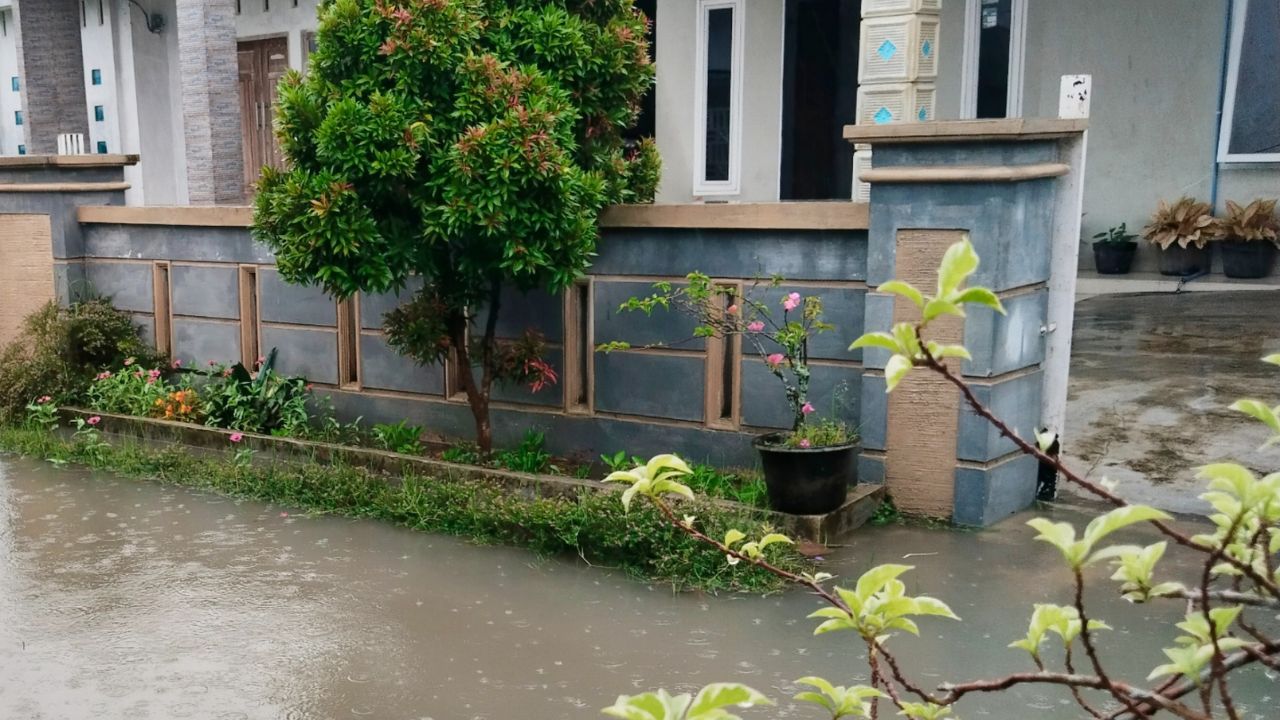
Permeable paver systems can reduce peak water discharge by as much as 60-75% during storms, helping manage stormwater runoff and prevent flooding. Permeable pavers feature small gaps allowing rainwater to filter through, supporting water conservation and replenishing groundwater—critical in drought-prone Southern California. Standing water during events creates hazards and drives guests indoors. Improper slope causes puddles, damaging paver bases over time. Water infiltration weakens foundation layers, leading to settlement and eventual failure. Drainage systems need planning before installation—retrofitting costs significantly more than getting it right initially.
Incorrect slopes cause drainage failures. Too steep feels uncomfortable and makes the furniture unstable. Too flat allows standing water. Minimum 2% grade (¼-inch per foot) keeps water moving. Uneven surfaces create tripping hazards and unstable furniture. Proper base compaction prevents settlement issues.
Undersized pavers crack under traffic. Thin pavers under 2⅜ inches fail prematurely. Cheap materials fade or stain easily. Skimping on base materials causes the most problems—insufficient depth or inadequate compaction leads to settling and failure.
Contractor selection determines project success. Proper vetting protects your investment.
Verify active California contractor's license (C-27 for landscaping). Check license status with CSLB and review complaint history. Request proof of liability insurance and workers' compensation coverage—minimum $1 million liability coverage. Review portfolios showing comparable work. Ask for references from projects completed within the past year. Longevity indicates stability.
Single-source contractors coordinate all elements seamlessly. Scheduling simplifies when one company handles pavers, turf, lighting, and irrigation. Design cohesion improves with one team plans all components. Communication streamlines with one point of contact. Warranties cover entire projects rather than dealing with multiple vendors.
Ask about base preparation methods—specifics matter. Inquire about material sources and grade specifications. Request a detailed timeline with milestones. Understand the payment schedule—never pay the full amount upfront. Orange County has specific requirements regarding paved surfaces, setbacks, and curb cuts—working with a professional contractor familiar with these local codes ensures project compliance and avoids potential legal issues. Discuss warranty coverage. Clarify who obtains permits.
Active participation during design ensures results match expectations. Owners provide crucial input about intended use. Site visits during installation allow immediate course corrections. However, balance involvement with allowing professionals to work. Save detailed questions for scheduled check-ins.
Post-installation transition requires understanding immediate capabilities and care requirements to protect your investment.
Pavers are ready for foot traffic once polymeric sand sets—typically 24-48 hours. Light entertaining can begin within a week. Heavy furniture placement should wait 5-7 days, allowing full base settlement. If sealing occurs, curing times vary—generally 24-48 hours before traffic. Most contractors recommend waiting 7-10 days before major gatherings.
Add outdoor furniture and accessories once surfaces fully cure. Install or test lighting systems before the first event. Arrange potted plants around paver edges to soften the hardscape's appearance. Monitor the first rain to confirm proper drainage. Create trash stations away from main entertaining zones. Test integrated features like fire pits before guests arrive.
Avoid harsh chemicals or pressure washing for the first 30 days. Let efflorescence dissipate naturally. Sweep regularly to prevent dirt accumulation in joints. Address any settling immediately while under warranty. Monitor joint sand levels—replenish if gaps appear. Take photos documenting original condition. Keep contractor information handy for warranty issues.
Party pavers deliver the perfect foundation for memorable gatherings, combining durability, style, and fast installation timelines. Whether you're planning intimate dinners or large-scale events, the right paver design creates spaces where guests naturally connect and linger. With Orange County's year-round entertaining weather, there's no better time to maximize your outdoor potential.
Signature Landscape brings decades of expertise in transforming Orange County properties into stunning entertainment destinations. From initial design consultation through final installation, our team ensures every detail supports your hosting vision while adhering to local codes and best practices. Contact Signature Landscape today to schedule your consultation and discover how quickly your outdoor entertaining dreams can become reality.
 Signature Landscape
Schedule A Consultation