Call our Professional Contractors!
(949) 859-9969
Key Takeaways:
New Year's resolutions extend beyond personal goals to property improvements. Strategic landscape planning for 2026 turns winter lessons into actionable upgrades. Early planning secures contractor availability, spreads costs, and ensures timely completion.
Orange County's unique climate and 2025 trends shape smart 2026 priorities. Understanding what worked, what failed, and what's emerging helps homeowners invest wisely. This guide translates reflection into practical 2026 landscape resolutions.
Resolution planning means assessing current conditions and setting specific improvement goals. Unlike vague wishes, landscape resolutions require budgets, timelines, and professional coordination.
Mild winters allow year-round work but occasional cold snaps expose vulnerabilities. Tender plants freeze. Poor drainage becomes obvious during rare rains. These events reveal where improvements matter most.
Understanding local climate patterns guides plant selection and infrastructure decisions. Properties surviving recent cold snaps without damage demonstrate good design. Those suffering problems need corrective action in 2026.
The landscape design ethos in Orange County for 2025 centered on a sophisticated blend of sustainability, functionality, and modern aesthetics. Review what succeeded and what disappointed. Failed plants, drainage issues, or damaged hardscaping identify priority fixes.
Document problems while fresh in memory. Photograph problem areas. Note dates when issues occurred. This evidence guides professional consultations and ensures 2026 projects address actual needs rather than assumptions.
Systematic evaluation prevents overlooking critical issues. Walk properties methodically examining all landscape elements. Different seasons reveal different problems—winter assessments catch issues invisible during summer.
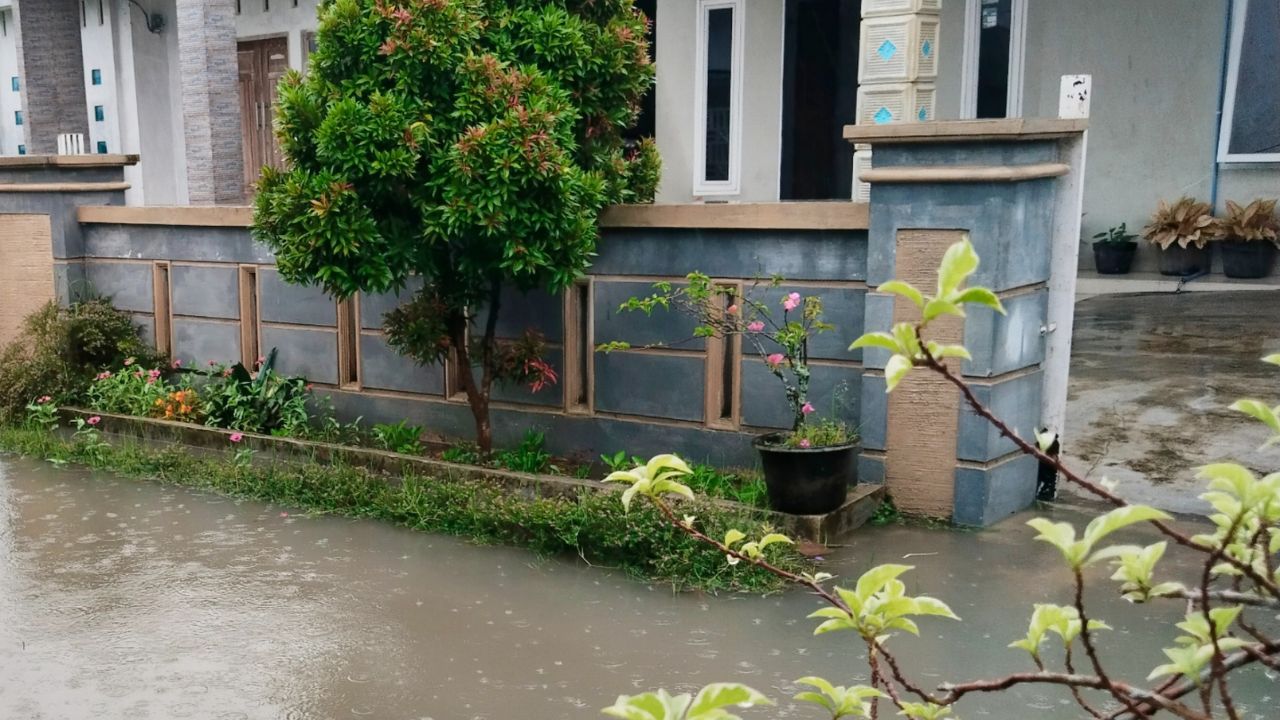
Drainage problems cause the most expensive failures. Check for standing water after rain. Inspect mortar joints for crumbling or gaps. Walk on hard surfaces feeling for unstable pavers or uneven surfaces.
Document each issue with photos and descriptions. Rate severity—safety hazards demand immediate attention, cosmetic issues can wait. Structural problems worsen over time, costing more to fix later. Prioritize accordingly for 2026.
Frost damage shows which plants sit in cold pockets or lack protection. Brown foliage, dead branches, or complete plant loss indicate poor placement. Compare damage patterns across your property.
Protected areas near walls or under eaves may show no damage while exposed areas suffered. This information guides 2026 replanting decisions. Move tender specimens or replace them with hardier alternatives. Strategic placement reduces future losses.
Chronic problems signal design flaws rather than temporary issues. Beds always suggest wrong plant density or missing hardscape edging. Constantly brown spots indicate irrigation problems. Repeatedly damaged plants need relocation or replacement.
Track maintenance time spent on various areas. High-maintenance zones may benefit from redesign. Low-maintenance successes provide models for other areas. Pattern recognition transforms 2026 from reactive repairs to proactive improvements.
Hardscaping provides landscape foundations. Quality installations last for decades. Poor work fails quickly. Prioritizing structural integrity over aesthetics ensures long-term satisfaction.
Cold weather slows mortar curing, requiring special techniques or scheduling delays. Projects needing mortar work should wait for consistent temperatures above 40°F or use heated materials and protection.
Plan masonry projects for late winter through early fall in Orange County. January and February mornings may be too cold. March typically offers safer conditions. Understanding these limitations prevents rushed work or winter damage.
Proper drainage prevents water accumulation causing freeze-thaw cycles. French drains, catch basins, and grading improvements move water away from structures. These upgrades protect foundations, hardscaping, and plant roots.
Even Orange County's mild climate sees occasional freezing. Standing water expands when frozen, cracking pavers and damaging bases. Good drainage eliminates this risk entirely. Budget drainage improvements as foundational work supporting other upgrades.
Polymeric sand locks pavers together preventing shifting and weed growth. Traditional sand washes out, requiring frequent replacement. Polymeric products last for years with minimal maintenance.
The application requires dry conditions and proper technique. Plan installations during Orange County's dry season—typically April through October. This simple upgrade dramatically improves paver stability and reduces maintenance throughout 2026 and beyond.
Plant selection and placement determine long-term landscape success. Hardy, appropriate species thrive with minimal care. Poor choices create endless maintenance and replacement costs.
Place tender plants near south-facing walls absorbing daytime heat. Position under eaves or tree canopies providing overhead protection. Group tender specimens creating mutual shelter.
Avoid low spots where cold air settles. Elevate containers to improve cold air drainage. These microclimate manipulations often prevent damage without covers or additional heating. Smart placement beats reactive protection.
Buildings, walls, and hardscaping create warm pockets. South and west exposures stay warmest. Thermal mass from pavers and walls radiates stored heat overnight. Position sensitive plants strategically within these zones.
Dense plantings create sheltered microclimates. Windbreaks reduce heat loss. Even small elevation changes affect temperatures—raised beds stay warmer than ground level. Understanding your property's microclimates guides smart 2026 planting.
Camellias, pansies, primroses, snapdragons, and cyclamen provide winter color. These proven performers bloom reliably through Orange County winters. Select varieties matching your sun exposure and maintenance preferences.
Plant in fall for immediate winter impact or early spring for next season. These bloomers fill color gaps when most plants rest dormant. Strategic placement near entries and gathering areas maximizes visual impact.
Sustainable practices reduce costs while benefiting the environment. Water-efficient designs align with California priorities and available incentives. Soil health underlies all planting success.
Mulch protects soil from erosion and compaction. It moderates temperature extremes and retains moisture. As organic mulch decomposes, it enriches soil with nutrients and improves structure.
Apply 3-4 inches around plants, keeping mulch away from stems. Winter application protects through the wet season and breaks down during spring. This simple practice yields multiple benefits throughout 2026.
Smart irrigation timers starting at $180 per controller automatically adjust watering to the weather. Soil moisture sensors starting at $180 per device prevent overwatering by sensing soil moisture. High-efficiency nozzles starting at $2 per nozzle (minimum 15) improve water distribution and reduce waste.
Reduce irrigation frequency during winter dormancy. Plants need less water when temperatures cool and growth slows. Over-watering causes root rot and fungal problems. Smart controllers and sensors optimize schedules automatically.
The most dominant trend in 2025 was widespread adoption of water-efficient landscaping driven by both environmental consciousness and attractive financial incentives for turf removal. Homeowners and designers embraced native and drought-tolerant plants, which thrive in the local climate with minimal irrigation. Key elements include native species like California poppies and manzanita, xeriscaping practices, and smart irrigation systems.
Turf replacement rebates starting at $3 per square foot (up to $7 per square foot for commercial) provide up to 70% reduction in outdoor water use. Drip irrigation rebates starting at $1 per square foot deliver water directly to root zones, saving 50%. These incentives make sustainable upgrades financially attractive for 2026.
Comprehensive planning prevents overwhelm and spreads costs. Phasing work across 2026 maintains momentum while managing budgets. Strategic sequencing ensures earlier phases support later work.
For larger projects, consider a phased approach to spread out the investment—hardscaping elements like patios and retaining walls can be installed in the first phase, followed by planting, lighting, and irrigation in a subsequent phase. Match projects to optimal seasons.
Winter suits hardscaping and soil preparation. Spring works for planting and irrigation. Summer handles outdoor living features. Fall prepares for next winter. This seasonal approach optimizes conditions for each project type.
Safety and structural issues come first. Drainage, unstable hardscaping, and dead trees demand immediate attention. These prevent bigger problems and provide stable foundations for aesthetic work.
Schedule structural repairs early in 2026. Follow with aesthetic improvements building on solid infrastructure. This sequence prevents redoing new plantings when fixing underlying problems. Logic and patience yield better results.
Experts recommend starting the design and consultation process in the fall or winter to secure a spot on a professional's schedule before the spring rush. Early booking ensures preferred contractors and avoids peak-season premiums.
Materials with long lead times need early ordering. Custom elements require advance planning. Weather-dependent work schedules around optimal conditions. Coordinate all factors creating realistic timelines preventing delays and disappointment.
Winter offers opportunities despite cooler temperatures. Certain projects actually benefit from off-season timing. Lower demand means better contractor availability and competitive pricing.
Most paver installations work well in winter since they don't require mortar. Dry-laid pavers with polymeric sand joints need only dry weather for installation. Concrete work requires temperature management but remains feasible.
Grading, excavation, and base preparation happen year-round in Orange County's mild climate. These groundwork projects position properties for spring planting. Starting hardscaping in winter ensures completion before the outdoor entertaining season.
Winter cleanup removes debris and spent plants. Soil amendments added during winter break down before spring planting. Turning the soil now exposes weed seeds and pest eggs to the weather.
Compost, mulch, and soil conditioners work into the soil during winter rains. This preparation creates ideal planting conditions by spring. Early soil work dramatically improves spring installation success rates.
Clear areas designated for future projects. Remove old plants, structures, or debris now rather than waiting. Demolition and cleanup during cool weather proves more comfortable than summer heat.
Establish clean baselines for new work. Take photographs documenting current conditions. Measure and mark project areas. These simple steps streamline contractor bids and project starts later in 2026.
Warm weather brings optimal planting and building conditions. Spring through summer handles most landscape installations. This peak season suits diverse project types.
Sustainability will remain paramount in 2026, with even greater emphasis on climate-resilient plantings and biodiversity. Homeowners will increasingly seek landscapes that not only conserve water but also support pollinators and local wildlife. Multi-functional spaces design smaller yards to serve multiple purposes, such as combining dining areas with play zones. Edible landscaping integrates fruit trees, vegetable gardens, and herb plantings into ornamental designs.
Warm-season planting occurs before summer heat. Plants root deeply during spring's moderate temperatures. Summer installations need extra irrigation but work for heat-loving species. Plan spring plantings for February through April, summer installations for May through September.
Outdoor living spaces emerged as a major investment priority in 2025, reflecting a broader shift toward viewing the backyard as an extension of the home. Schedule construction for completion by June ensuring full summer enjoyment.
Start planning and permitting in winter. Begin construction from March through May. This timeline delivers finished spaces for peak outdoor season. BBQ islands, fire pits, and seating areas transform summer entertaining.
According to a 2023 report from the National Association of Realtors (NAR) and the National Association of Landscape Professionals (NALP), certain landscape projects offer remarkable return on investment, with some exceeding 100%. Hardscaping moved toward more natural and organic forms in 2025—rigid, symmetrical layouts were replaced by curved walkways and asymmetrical designs creating more relaxed, modern feels.
Large-format concrete pavers, often arranged in geometric patterns, were popular choices for patios and walkways, lending clean, contemporary aesthetics. Materials like natural stone, reclaimed wood, and decomposed granite were favored for their texture and authenticity. These modernization choices maximize both beauty and property value.
Year-end preparation protects 2026 investments and positions properties for 2027 success. Fall tasks prevent winter damage and set up strong spring starts.
Tender plants installed during 2026 need protection before their first winter. Stake young trees against the wind. Mulch new plantings heavily. Group containers for mutual protection.
Inspect summer installations checking for settling or issues. Address problems before winter weather compounds them. Fall maintenance preserves 2026 improvements through challenging seasons.
Newly installed pavers need settling time before winter stress. Allow several months for base compaction. Seal pavers before winter if recommended for the materials used.
Check drainage around new hardscaping. Standing water causes freeze-thaw damage even in mild Orange County winters. Verify proper slopes and function before the rainy season begins.
While the initial investment for sustainable design may be higher, the lower maintenance and water costs lead to significant savings over time, typically breaking even by the third year. Regular maintenance preserves these investments.
Fall cleanup, irrigation winterization, and equipment servicing prepare systems for dormancy. Pruning, fertilization, and mulching set plants up for winter success. These routine cycles protect major investments made throughout 2026.
Professional partnerships streamline planning and execution. Experienced contractors translate visions into reality while avoiding costly mistakes. Long-term relationships yield ongoing benefits.
This off-season approach (fall/winter planning) provides more focused attention from designers and can help avoid material and labor shortages. Contractors working year-round understand seasonal challenges and solutions.
Verify cold-weather installation experience. Ask about mortar heating, covering techniques, and material protection methods. Winter-capable contractors offer flexibility unavailable from fair-weather-only companies.
Wellness features like outdoor showers, cold plunges, and yoga platforms create personal backyard retreats. Smart home integration manages irrigation, lighting, and entertainment systems through centralized platforms. Comprehensive contractors handle all elements seamlessly.
Single-source design and build eliminates coordination headaches. One company manages entire projects ensuring cohesive results. Communication simplifies. Warranties cover complete installations. This integration saves time, money, and frustration.
Contractors familiar with your property provide better ongoing service. They understand irrigation systems, plant locations, and design intentions. This knowledge streamlines maintenance and future upgrades.
Annual maintenance contracts preserve 2026 investments. Seasonal service prevents small problems from becoming expensive repairs. Long-term relationships build trust and ensure consistent quality through property ownership.
Strategic landscape planning transforms wishes into achievements. Understanding Orange County's climate, embracing current trends, and phasing improvements throughout 2026 creates beautiful, functional outdoor spaces. Early planning secures resources and ensures timely completion.
Signature Landscape specializes in comprehensive Orange County landscape planning and installation. Our team helps homeowners develop realistic 2026 resolutions and execute them systematically. From initial consultation through final installation and ongoing maintenance, we provide full-service support. Contact Signature Landscape today to start planning your 2026 landscape improvements and create the outdoor spaces you've envisioned.
 Signature Landscape
Schedule A Consultation