Call our Professional Contractors!
(949) 859-9969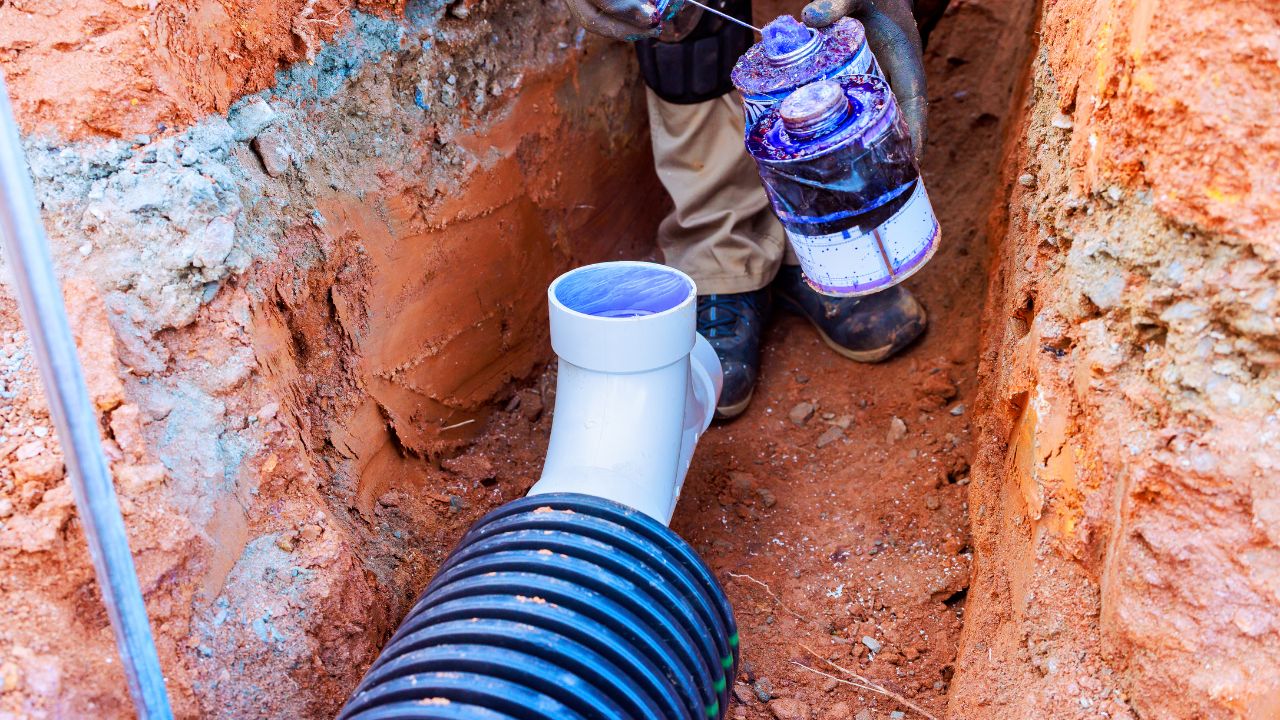
Key Takeaways:
Proper drainage prevents foundation damage costing $15,000 to $50,000 in repairs. Standing water reduces property values by 5-15% while effective systems provide 50-75% return on investment. French drains, dry wells, and grading protect homes permanently. Understanding drainage solutions safeguards structural integrity and financial investment.
Water management determines home longevity and property value. Poor drainage causes foundation failures, landscape damage, and significant devaluation. Effective systems prevent costly repairs while enhancing marketability. Understanding risks drives proactive protection.
Water proves the number one enemy of home foundations. Saturated soil exerts hydrostatic pressure on foundation walls causing cracks, leaks, and structural failure. Foundation repair costs range from $15,000 to $50,000 or more making prevention critical.
Proper drainage maintains a dry zone of at least 6-10 feet around the foundation preventing structural damage. Water stains, mold, or musty smell in the basement indicate water not properly diverted. Mold and mildew remediation costs $2,000 to $10,000. Landscape drainage must manage both surface runoff—water flowing when precipitation exceeds infiltration capacity—and subsurface groundwater held within soil and rock layers. Effective systems manage both preventing pooling, erosion, and foundation damage.
Homes with visible drainage problems see value reduced by 5-15%. Good drainage serves as a key selling point. Buyers increasingly recognize proper water management importance. Well-designed drainage systems make properties more attractive and valuable.
Homeowners recoup 50-75% of drainage project cost when selling. Relatively small investment of $2,000 to $15,000 prevents much larger costly repairs protecting foundation, landscape, and hardscapes. The national average for yard drainage projects approximates $4,618. Most projects range from $2,145 to $7,159. Simple fixes start at $800. Extensive solutions for large yards or complex issues reach $15,000. Investment pays dividends for years protecting property value.
Excess water wreaks havoc on landscapes and hardships. Waterlogged soil leads to root rot in plants and trees. Uncontrolled runoff causes soil erosion washing away mulch and topsoil. Landscape damage repair costs $3,000 to $10,000.
Poor drainage causes hardships like patios and walkways to sink, settle, and crack. Repair or replacement costs $5,000 to $20,000 or more. Standing water or soggy patches indicate poor drainage often caused by compacted soil, low spots, or inadequate grading. Water pooling near the foundation leads to structural damage and basement leaks. Soil erosion from heavy runoff creates instability. Clogged gutters and downspouts cause rainwater overflow exacerbating problems. Professional drainage repair addresses these issues systematically preventing long-term devaluation.
Multiple proven systems address different drainage challenges. French drains manage subsurface water. Dry wells dispose of surface runoff. Grading directs flow preventing accumulation. Understanding each solution guides optimal selection for specific property conditions.
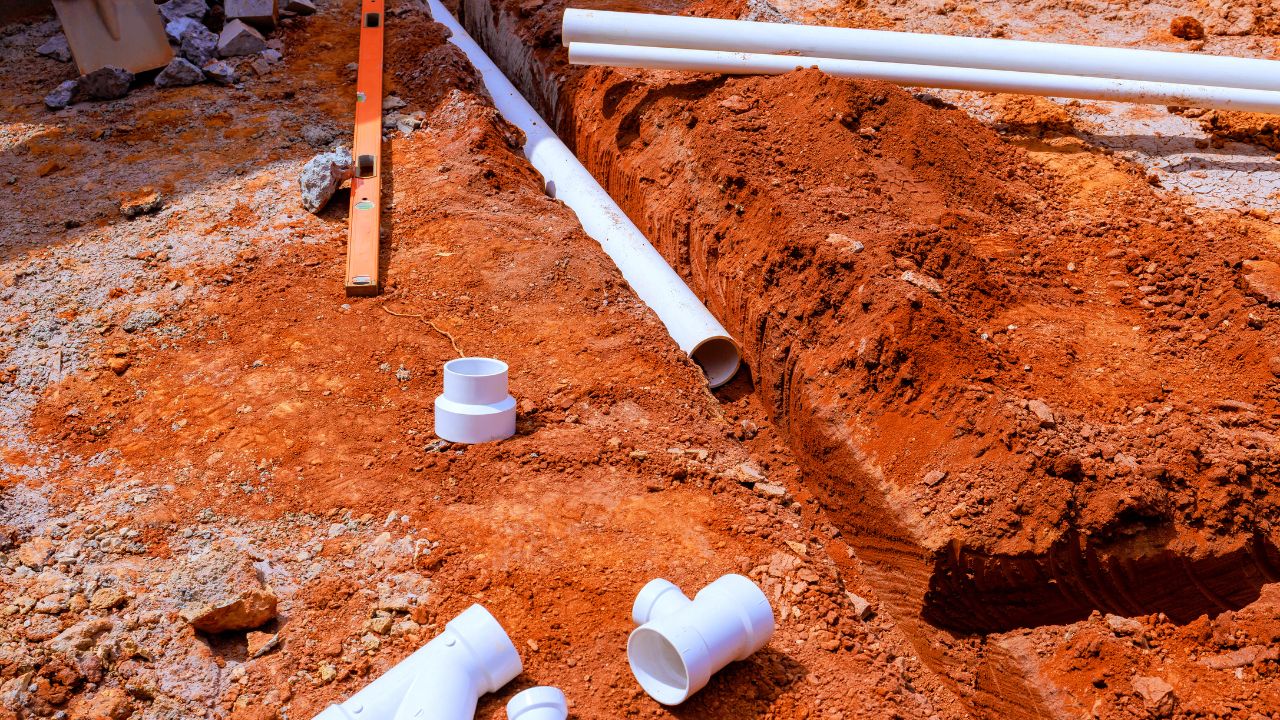
French drains are subsurface drainage systems redirecting surface water and groundwater away from areas. Consist of trench filled with gravel or rock containing perforated pipe. Water seeps into the trench and flows along the downward slope to the discharge point. Typically protects building foundations, basements, and landscaped areas from water damage.
Minimum slope of 1% essential—1 foot drop for every 100 feet of length. Experts recommend 2% minimum slope for corrugated pipes. Depth of 8 inches to 2 feet sufficient for most residential projects. The shallowest point should be at least 18 inches deep. Trench width: 5-6 inches for smaller issues, 9-12 inches for larger problems. Materials and basic installation cost approximately $20-$30 per linear foot. Professional installation ranges $40-$100 per linear foot depending on depth and complexity. Typical projects average $2,000-$7,000. Use washed angular gravel 3/4" to 1.5" diameter. 4-inch diameter perforated pipe adequate for most residential applications. Non-woven geotextile fabric wraps the entire trench preventing silt and roots from clogging. Contact local utility companies—call 811—to mark underground lines before digging to prevent costly damage.
Dry wells are underground structures disposing unwanted water—most commonly surface runoff—by slowly percolating into surrounding soil. Covered pit filled with gravel or rock discharges water into ground recharging groundwater. Ideal for roof runoff from downspouts managing concentrated flows.
Professionally installed dry wells cost between $1,000 and $3,000. DIY cost runs $300 to $1,000. Installation involves excavating a large hole, lining with geotextile fabric, filling with gravel, and connecting to a drainage pipe. Install dry wells at least 10 feet away from foundations preventing water seeping back. Ensure soil has adequate permeability handling water volume. Use a pre-filter or catch basin preventing sediment and debris from clogging. Works best in sandy or gravelly soils with infiltration rates exceeding 0.5 inches per hour. Requires minimum 4 feet separation from seasonal high water table.
Grading refers to contouring land directing water flow. Proper grade proves the most critical element of the surface drainage system. Recommended slope: 2-5% away from foundation for most residential applications. 2% slope means drop of 2 feet for every 100 feet of horizontal distance ensuring water effectively channeled away from structure.
Professional grading services cost $1,000 to $5,000 or more depending on size. General yard leveling and grading runs $1,022 to $3,334 normal range. Site preparation including grading and debris removal costs $300 to $1,000. Prevents water intrusion and foundation issues serving as a critical first step in a drainage plan. Downspouts should extend at least 6-10 feet away from the foundation , preventing water from saturating soil near the house. Simple above-ground extensions DIY-friendly. Can connect to underground pipes leading to dry wells or pop-up emitters for permanent solution.
Site assessment reveals optimal solutions. Soil type, water flow patterns, and severity determine system selection. Testing and observation provide data for informed decisions. Professional evaluation ensures comprehensive diagnosis.
Soil permeability measures how easily water passes through soil. Sandy soils have large particles and high permeability—water drains quickly. Clay soils have very small particles, low permeability, and tendency to become waterlogged. Understanding soil type is the first step in diagnosing drainage problems.
The percolation test measures drainage rate. Dig hole 6-12 inches diameter, 12 inches deep. Fill with water, let drain, refill and measure. Drop less than 1 inch per hour indicates poor drainage. Sandy or gravelly soils are best for infiltration with rates exceeding 0.5 inches per hour. Property exists within local watershed—geographic area where all water drains to common point. Understanding how water enters, flows through, and exits property proves crucial. Consider runoff from neighboring properties and impact of drainage solutions on downstream areas. French drains best for subsurface water. Catch basins ideal for surface water from driveways, patios, large flat surfaces. Channel drains collect sheet flow over a wide area. Dry wells dispose of unwanted water into the ground. Swales convey, store, and filter stormwater runoff.
Observe property during heavy rainstorm. See where water comes from and where it goes. Helps identify source of problem and best location for drainage system. Critical for diagnosing water flow patterns.
Common signs include pooling water—puddles remaining more than 24 hours after storm—clear sign of poor drainage. Foundation moisture: water stains, mold, musty smell in basement or crawl space. Soil erosion: washing away of soil especially on slopes indicating uncontrolled runoff. Unhealthy plants: waterlogged soil leads to root rot and plant diseases. Mosquitoes: standing water breeds mosquitoes creating health hazards. Thorough site assessment evaluates yard characteristics identifying soil type, topography, existing slopes. Locates problem areas determining optimal drainage solutions. Consider seasonal high water tables affecting design effectiveness. The local building department or soil scientist determines water table levels guiding system selection.
Simple projects manageable for homeowners: downspout extensions, small swales. Downspout extensions DIY cost $25-$100 versus professional $100-$500. Small swale DIY runs $100-$500 versus professional $800-$3,000.
Professional help required for persistent drainage problems after DIY attempts, multiple affected areas across property, foundation concerns or basement moisture, recurring patterns despite interventions. Complex issues like inadequate infiltration in tight clay soils, high water table requiring underdrain systems, connection to public storm sewers requiring permits all need experts. French drain DIY costs $500-$1,500 versus professional $2,000-$7,000+. Catch basin DIY runs $100-$300 versus professional $1,000-$4,000. Many municipalities require building permits for drainage systems. Permit fees typically $50 to $200. Regulations require water discharged to storm drains free of contaminants. Professional contractors handle permit applications and inspections ensuring code compliance.
Drainage systems protect foundations, preserve landscapes, and maintain property values. Cost avoidance far exceeds installation investment. Financial benefits include increased marketability and prevented emergency repairs. Long-term protection justifies upfront costs.
Proper drainage maintains a dry zone of at least 6-10 feet around the foundation preventing hydrostatic pressure on foundation walls. Stops water from saturating soil near the house. Grading and foundation drains are essential for keeping the area dry.
Foundation repair costs $15,000 to $50,000 or more. Small investment in drainage—$2,000-$15,000—prevents much larger repairs. Mold remediation costs $2,000 to $10,000. Drainage systems protect from these expensive repairs. Prevents cracks and leaks in foundation walls. Stops structural failure from water pressure. Eliminates moisture problems in the basement and crawl space maintaining structural integrity long-term. Quality landscaping incorporates drainage from the design phase preventing future problems.
Prevents waterlogged soil leading to root rot. Stops uncontrolled runoff causing soil erosion. Protects mulch and topsoil from washing away. Maintains healthy growing conditions for plants and trees.
Prevents patios and walkways from sinking and settling. Stops cracking from freeze-thaw cycles. Protects against base material erosion. Maintains stability of retaining walls and structures. Landscape damage repair costs $3,000 to $10,000. Hardscape repair or replacement runs $5,000 to $20,000 or more. Drainage systems prevent these costly repairs extending the lifespan of landscaping investments. Strategic use of ground covers in drainage paths slows water while filtering sediments improving overall system performance.
Homeowners recoup 50-75% of drainage project cost when selling. Increases property attractiveness and value. Buyers recognize the importance of proper water management. Well-designed systems serve as key selling points.
Small drainage investment—$2,000-$15,000—prevents foundation repairs costing $15,000-$50,000, landscape damage costing $3,000-$10,000, hardscape repairs costing $5,000-$20,000, and mold remediation costing $2,000-$10,000. Most standard homeowner insurance doesn't cover surface water or groundwater damage. May need additional flood insurance or special endorsement. Proper documentation of drainage systems is helpful when filing claims. May be liable for damage from water diverted onto neighbor's property. A well-designed system complying with regulations protects from liability.
Regular maintenance preserves system effectiveness preventing failures. Inspection schedules, cleaning protocols, and prompt repairs extend lifespan. Neglect causes expensive damage requiring complete replacement. Proactive approach protects investment.
Inspect the entire drainage system at least twice yearly minimum. Spring and fall inspections recommended. Look for signs of damage: cracks, clogs, erosion. Monitor how the system performs during heavy rainstorms addressing problems promptly.
Regularly clear leaves and twigs from grates, catch basins, and channel drains. Flush underground pipes with garden hose or pressure washer removing sediment and buildup. Periodically check the slope of grading and swales ensuring water flows correctly. Clean catch basin sumps regularly—at least once yearly—removing accumulated debris. Basin units cost $10 to $800. Professional installation runs $1,000 to $4,000 per basin. Place at low points where water naturally collects. The grate slightly below the surrounding grade facilitates water entry. Regular cleaning prevents clogs downstream maintaining system capacity.
Standing water or soggy patches caused by compacted soil, low spots, inadequate grading. Clogged systems from soil, silt, tree roots entering the system. Incorrect slope causing pooling within trench, ineffective drainage. Pipe crushing or damage particularly with corrugated pipes under heavy loads. Insufficient gravel leading to poor drainage, instability, increased clogging risk. Improper discharge point creating new drainage problems, erosion, code violations.
Build up low spots with topsoil. Aerate lawn improving soil permeability. Install French drains for subsurface water. Create rain gardens for natural infiltration. Ensure proper grading with 2-5% slope. Extend downspouts 6-10 feet from foundation. Install perimeter drains around the foundation. Compacted soil is especially problematic in clay-heavy or high-traffic areas reducing water infiltration significantly. Improved through aeration and incorporation of organic matter. May require specialized equipment for effective treatment.
Routine maintenance costs $50 to $400 annually. Minor repairs run $200 to $700. Significantly less than replacement costs preventing major system failures. Regular maintenance extends system lifespan preventing premature failures.
Channel drains cost $15 to $40 per linear foot for materials. Ensure minimum 0.5% slope facilitating drainage. Choose great material appropriate for expected traffic. Regularly clean the channel and grate removing debris. Regular maintenance maintains optimal performance protecting property value. Reduces long-term costs through preventive approach. Perforated pipe costs $1-$5 per foot. Gravel runs $30-$60 per ton. Geotextile fabric costs $0.15-$0.60 per square foot. Professional labor ranges $50 to $150 per hour for repairs and maintenance work.
Complex problems exceed DIY capabilities. Persistent issues despite interventions require expert diagnosis. Professional design ensures code compliance and optimal performance. Understanding limitations prevents wasted effort and money.
Persistent drainage problems after DIY attempts indicate need for professional intervention. Multiple affected areas across property signal systemic issues. Foundation concerns or basement moisture require immediate expert assessment. Recurring water issues despite interventions prove current approach inadequate.
Inadequate infiltration in tight clay soils, high water table requiring underdrain systems, structural load considerations for driveways and parking, multiple drainage discharge points needed, connection to public storm sewers, sites with poor soil conditions requiring specialized solutions all demand professional expertise. Simple DIY fixes cost $25-$500. Professional simple fixes run $100-$3,000. Complex professional systems cost $2,000-$15,000+. Emergency repairs prove much more expensive making preventive professional intervention cost-effective.
Thorough site assessment identifies drainage problems. Testing soil permeability and composition. Surveying topography of land. Determining seasonal high water table. Evaluating climate and rainfall patterns provides comprehensive data.
Account for specific soil type affecting solution selection. Calculate proper slopes with precision instruments. Design integrated systems addressing multiple failure points. Choose appropriate materials for conditions. Plan discharge points complying with regulations. Ensures compliance with local building codes. Proper permit acquisition and inspections. Meets setback and discharge requirements. Uses appropriate materials and methods. Provides warranties on work protecting investment. Professional hardscaping integrated with drainage from start prevents future complications and costly retrofits.
Accurate diagnosis of water sources distinguishes surface runoff from groundwater. Assess soil conditions properly—clay versus sand versus loam require different solutions. Design for local climate and rainfall patterns. Integration with existing landscape features ensures a comprehensive approach.
Many municipalities require building permits with fees of $50 to $200. Post-installation inspections cost $100 to $300. Required for most drainage systems. Ensures code compliance for property resale. Licensed contractors handle applications streamlining. Professional installations include warranties. Expertise prevents costly mistakes. Ensures long-term effectiveness. Higher upfront cost saves from future repairs protecting property value investment. Installation process includes assessment (thorough site evaluation), design (detailed drainage plan created), excavation (most labor-intensive part), materials installation (laying pipes, setting catch basins, backfilling), and restoration (landscape restoration, replanting, and hardscape repair).
Contractor selection determines project success and longevity. Qualifications, experience, and reputation reveal capability. Proper vetting prevents costly mistakes and failures. Due diligence protects homeowner interests.
Portfolio showing completed drainage installations demonstrates experience. References from similar projects provide verification. Experience with soil types in the area ensures appropriate solutions. Knowledge of local codes and regulations prevents violations. Track record of successful projects proves capability.
Understanding of drainage principles is fundamental. Ability to diagnose complex issues is critical. Knowledge of multiple solution types offers flexibility. Proper sizing and placement skills ensure effectiveness. Integration with the existing landscape requires coordination. Licensed for drainage work in the area. Proper insurance coverage including liability and workers' compensation. Professional certifications demonstrate expertise. Years in business indicate stability. Specialized drainage training ensures current knowledge.
Request portfolio of completed projects. Contact references from past clients. Verify licensing with the local building department. Confirm insurance coverage with certificate copies. Check professional associations memberships demonstrating commitment.
Years operating in drainage fields. Number of similar projects completed. Familiarity with local soil conditions. Knowledge of area-specific drainage challenges. Understanding of local climate patterns all indicate experience. Warning signs include: unable to provide references, no proper licensing or insurance, unwilling to obtain permits, significantly lower prices than competitors, pressure tactics or rushed decisions, no written estimates or contracts. These red flags signal potential problems requiring contractor rejection.
Detailed cost breakdown separates materials from labor. Labor costs typically run $50 to $150 per hour. Material specifications and quantities listed. Project timeline expectations clarified. Payment schedule terms established protecting both parties.
French drain costs: $20-$30 per linear foot material, $40-$100 per linear foot professional. Catch basin: $1,000-$4,000 per basin installed. Channel drain: $1,000-$3,000 installed. Dry well: $1,000-$3,000 installed. Grading: $1,000-$5,000+. Permits: $50-$200. Inspections: $100-$300. Written estimates prevent cost surprises. Detailed plans ensure understanding. Provides a basis for comparison between contractors. Legal protection if disputes arise. Documents scope of work clearly. Establishes expectations for both parties preventing misunderstandings. Ask how they assess soil permeability, what slope percentages they'll use, how they handle discharge and comply with codes, what warranty they provide, what happens if problems occur after installation, whether permits and inspections are included in cost.
Protect Your Home and Property Value with Professional Drainage Solutions
Proper drainage prevents foundation damage costing $15,000 to $50,000 while protecting property values from 5-15% reduction. French drains, dry wells, and proper grading provide permanent solutions averaging $4,618 with 50-75% ROI when selling. Small investments prevent catastrophic repairs protecting structural integrity and financial assets.
Don't wait for foundation cracks or landscape destruction forcing emergency interventions. Signature Landscape specializes in comprehensive drainage solutions for Orange County properties. Our licensed professionals assess soil conditions, design code-compliant systems, and install warranted solutions protecting your investment. Contact us today to safeguard your home with drainage systems proven to prevent damage and preserve property value for decades.
 Signature Landscape
Schedule A Consultation