Call our Professional Contractors!
(949) 859-9969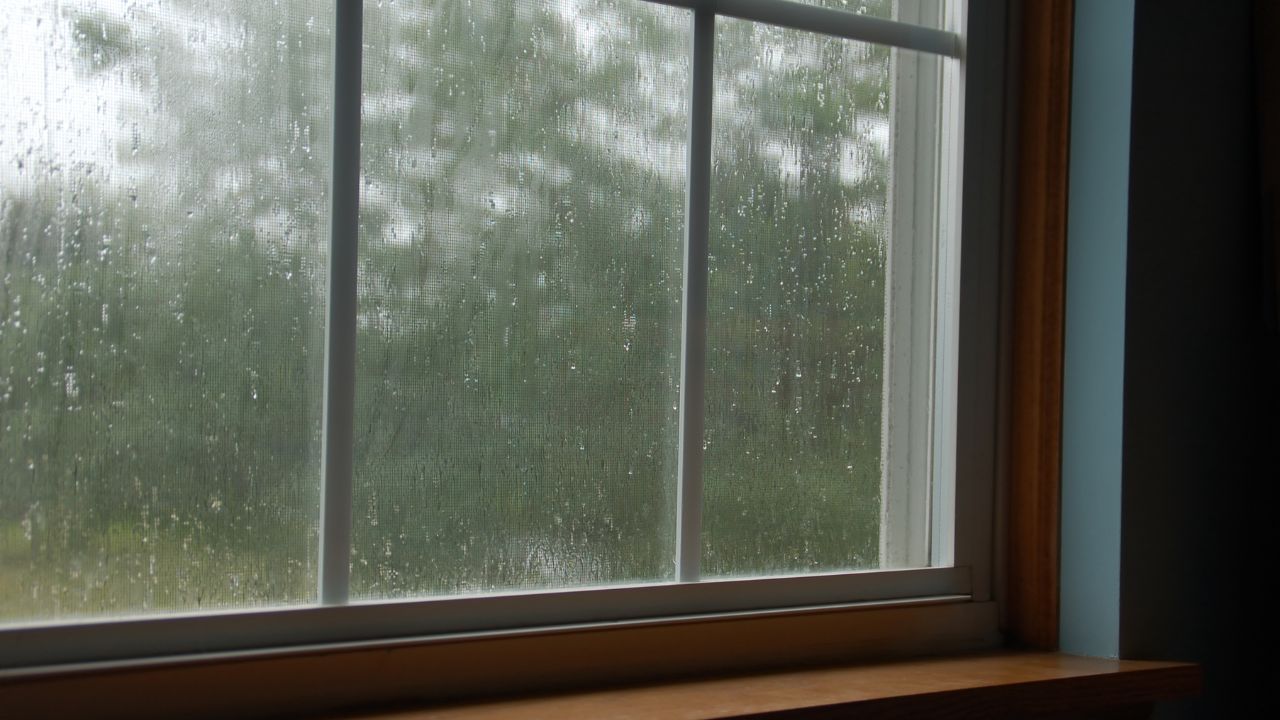
Key Takeaways
Noticing water stains below your windows after heavy rain? Finding dampness on interior sills or peeling paint around door frames? You're not alone, and the problem likely isn't your windows or doors. Between 2019 and 2023, water damage and freezing accounted for 22.6% of all home insurance claims, with average costs reaching $15,400 per incident. The shocking reality: up to 76% of building envelope failures occur where windows and doors meet wall systems, and most of these failures trace back to a single root cause, improper drainage.
This comprehensive guide reveals how concentrated water flows from clogged gutters, missing kickout flashing, and negative grading overwhelm even properly installed windows and doors. You'll discover the critical difference between treating symptoms with caulk versus addressing root causes through drainage management, learn to identify the visual warning signs that separate minor maintenance from major structural issues, and understand when DIY fixes work versus when professional intervention is essential.
Whether you're dealing with an active leak or want to prevent future damage, this guide provides the building science principles and practical solutions to protect your home.
Up to 76% of building envelope failures occur where windows and doors meet the wall system. The problem isn't usually the window or door itself; it's how these units integrate with the building's water management system.
| Warning Sign | What to Look For | Primary Cause Category |
| Water on Interior Sill | Visible pooling, dampness on window sill | Failed sill pan flashing, compromised sealant |
| Peeling Paint/Drywall Below | Paint bubbling, drywall deterioration beneath opening | Water penetration through opening |
| Rotted Trim or Framing | Soft, discolored wood around perimeter | Long-term water exposure from flashing failure |
| Water Stains on Adjacent Walls | Discoloration on interior walls near opening | Improper step flashing at roof-to-wall intersection |
| Visible Gaps in Siding | Cracks or separation in exterior cladding | Failed drainage plane, compromised WRB |
| Mold Growth | Black spots, musty odor near opening | Persistent moisture from multiple failure points |
Poor drainage around windows and doors creates concentrated water flows that overwhelm even properly installed flashing systems. A roof collects thousands of gallons during heavy rain; when this water isn't managed correctly, it creates a "firehose effect" directly onto windows and doors below.
Clogged gutters are the primary culprit. When gutters overflow with debris, water cascades down walls instead of flowing through downspouts. This concentrated flow saturates siding, rots fascia, and forces water into any available opening. Gutters require cleaning at least twice annually to maintain function.
Missing kickout flashing at roof-to-wall intersections creates catastrophic failures. Without this critical component (costing just $300-$1,500 to install), concentrated roof runoff pours down vertical walls, overwhelming siding and finding entry points around windows and doors below.
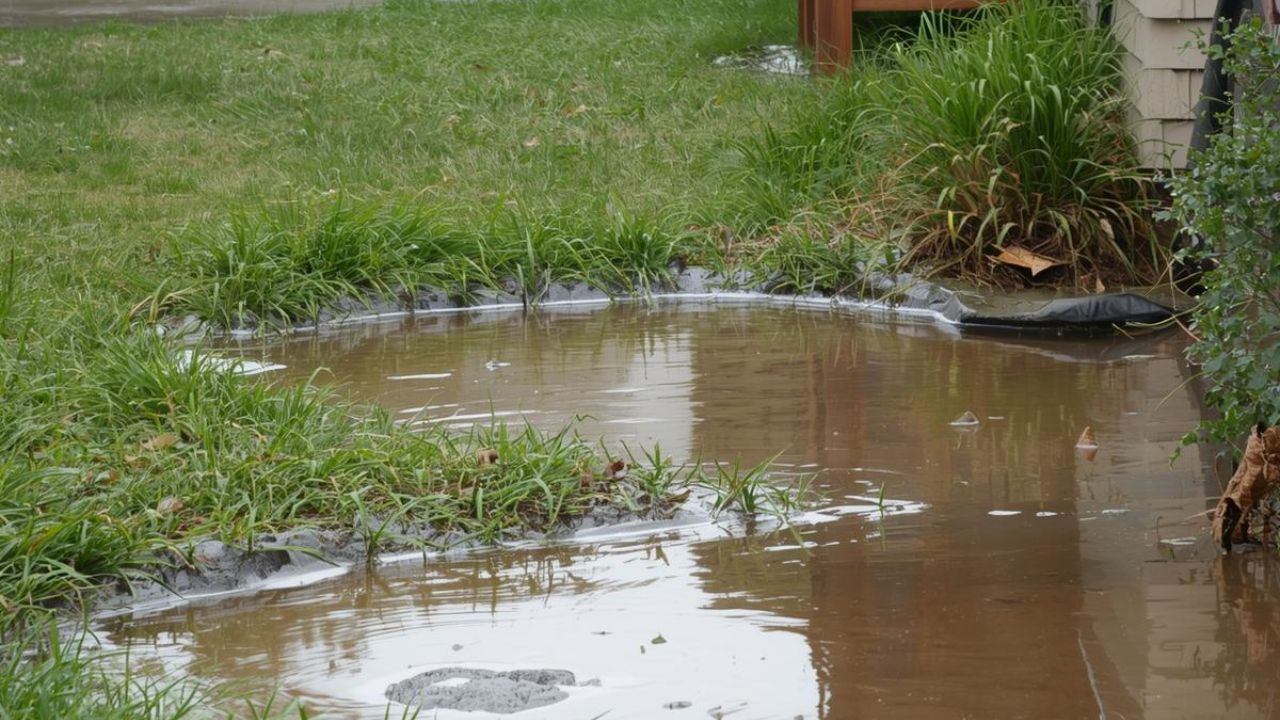
Foundation settlement and negative grading compound the problem. The IRC requires a 5% slope (6 inches drop over 10 feet) away from foundations. When ground slopes toward the house instead, water pools against the walls and creates hydrostatic pressure, approximately 0.43 psi per foot of water depth. The backfill zone around foundations acts like a sponge, readily absorbing water when improperly graded. This saturation increases pressure against below-grade windows and can cause foundation shifts that stress window and door frames.
Data shows 98% of basements will experience water damage at some point, often starting at below-grade windows. Professional drainage repair addresses these grading and water management issues before they compromise your home's structural integrity.
Drainage-related leaks create specific visual patterns that distinguish them from direct window failures. The location and type of damage reveal whether water is coming from above (gutters), outside (grading), or through failed flashing systems.
| Indicator | What to Look For | Severity | Most Likely Drainage Cause |
| Heavy Water Staining Below Window | Dark discoloration, paint damage on the wall directly beneath the window | Moderate to Severe | Missing kickout flashing, gutter overflow directing water down wall |
| Fascia Board Rot Above Window | Deteriorated wood on roof edge above the window location | Moderate | Clogged gutters are causing overflow and roof edge saturation |
| Water Pooling Near Window Well | Standing water in basement window wells after rain | Moderate | Missing well cover, clogged well drain, negative grading |
| Siding Damage at Roof-Wall Intersection | Rotted, warped, or stained siding where the roof meets wall near windows | Severe | Missing/failed kickout flashing, improper step flashing integration |
| Interior Dampness on Window Sill | Persistent moisture that cannot be dried | Severe | Failed sill pan flashing with no proper drainage path |
| Peeling Paint on Exterior Below Window | Paint failure concentrated below window openings | Minor to Moderate | Splashback from inadequate downspout extensions |
Short-term fixes stop immediate water intrusion but don't address root causes. Long-term door leak solutions require correcting the drainage system that's overwhelming your windows and doors.
Short-term mitigation (30-90 days effectiveness) includes re-caulking perimeter gaps with polyurethane or 100% silicone (DIY cost under $50), clearing weep holes with soft wire or compressed air to release trapped water (free), and replacing weatherstripping at door thresholds ($20-$100 per door). These fixes only work if the flashing system underneath is intact; they cannot compensate for missing or failed flashing. Long-term solutions require professional intervention for flashing replacement. Window sill repair costs $1,000-$8,000, head flashing replacement runs $500-$3,000, and door threshold installation with proper sill pan costs $800-$5,000. These repairs are invasive, requiring complete removal of the window or door, but they're necessary when improper flashing is the root cause.
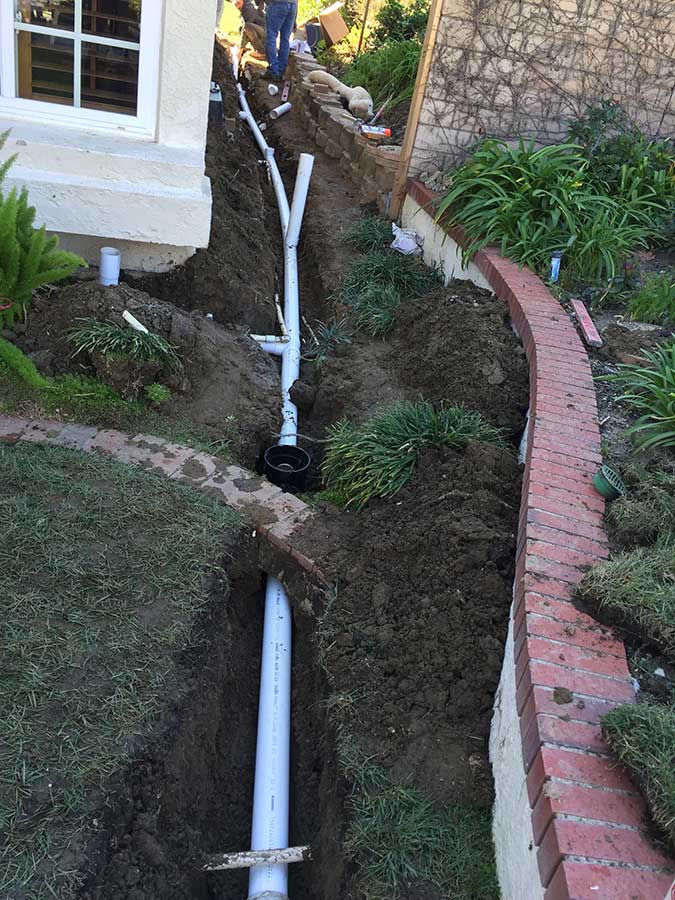
DIY drainage fixes include clearing gutters and downspouts, installing downspout extensions 4-6+ feet from the foundation, adding splash blocks, minor grading adjustments with small amounts of soil, and clearing window well drains. Call a professional for major drainage issues (French drains, regrading more than 50 cubic yards, swale system design), all flashing repairs (improper installation causes worse leaks), extensive grading problems where 5% slope requires excavation or retaining walls, and any foundational work requiring excavation to footing depth.
After severe weather events, a professional storm damage assessment can identify hidden drainage failures before they cause major water intrusion. Professional window flashing repair ranges $1,000-$15,000 depending on hidden structural damage. Seek professional diagnosis when the leak source isn't obvious, multiple windows or doors are affected, structural integrity may be compromised, or prior DIY attempts have failed.
Chronic window and door leaks often indicate systemic drainage failures affecting the entire foundation. These aren't isolated problems; they're symptoms of larger structural issues.
The best way to prevent leaks is to manage water before it reaches windows and doors. Clean gutters twice a year, extend downspouts 4–6 feet (ideally 10+), confirm kickout flashing at roof-to-wall intersections, and maintain a 5% slope away from the foundation. These steps reduce the concentrated runoff and pressure that can overwhelm even well-installed systems.
Then handle routine upkeep: inspect caulk annually, clear weep holes, and replace worn weatherstripping. But remember, caulk isn’t a substitute for proper flashing. If leaks continue after drainage fixes, a professional evaluation is likely needed, as persistent leaks often point to incorrect or missing flashing that may require removal and reinstallation.
The cost argument is clear: basic drainage maintenance (often under $500/year) is far cheaper than major flashing repairs ($1,000–$15,000) or water-damage claims. Inspect after heavy rains for staining, rot, pooling, and gutter overflow, and fix small issues early.
Protect your home from costly water damage. Request a free drainage assessment from Signature Landscape to identify grading issues and design a comprehensive water management solution.
 Signature Landscape
Schedule A Consultation