Call our Professional Contractors!
(949) 859-9969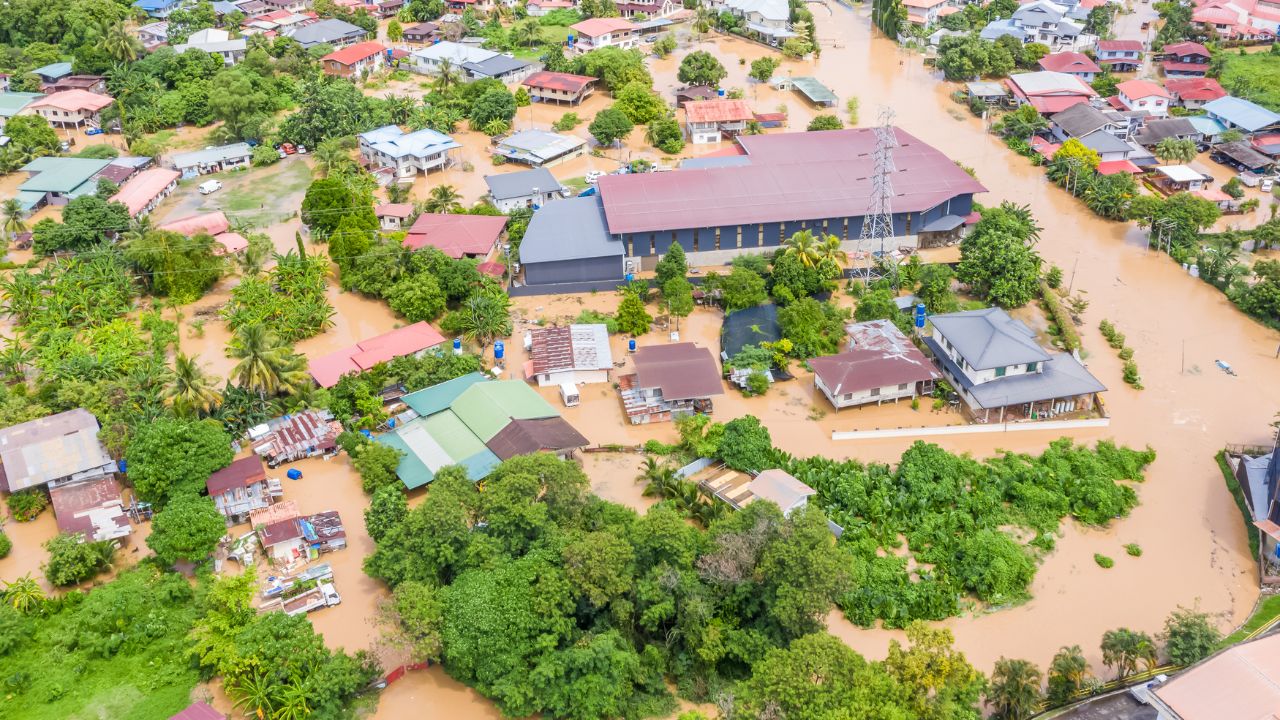
Key Takeaways
Floodwater doesn't wait for convenient timing. When heavy rain overwhelms drainage systems or foundation cracks allow water intrusion, every minute counts. The difference between $850 in repairs and $45,000 in catastrophic damage is measured in hours, not days.
This guide provides clear, actionable steps to protect your home and family when water threatens your property. From immediate safety measures to long-term prevention strategies, you'll learn exactly what to do during flooding, and when professional help becomes essential.
The first 24 hours determine the extent of damage to your property. Responding within this critical window prevents 65% of potential damage. After 24 hours, mold colonization begins, and damage severity jumps from 42 to 65 on a 100-point scale. Immediate emergency flooding response within one hour averages $850 in repair costs compared to $5,200 at 24 hours, a 14.7x cost multiplier at 48 hours.
Never enter standing water areas until electricity is shut off. Turn off the power to all flooded zones at the breaker panel. If you smell gas, shut off the main gas line and evacuate immediately. Shut off the main water supply if a burst pipe caused the flooding. Evacuate if flooding is severe or you feel unsafe.
IICRC standards require professional remediation for any water damage involving contaminated water (Category 2 or 3) or water present for more than 24-48 hours. These conditions create health risks and accelerate mold growth beyond DIY mitigation capabilities.
One inch of rain on a typical roof produces over 600 gallons of water. Your drainage systems must manage this volume effectively to prevent foundation damage.
Ensure ground slopes at least 6 inches over the first 10 feet from your foundation. Direct all downspouts at least 10 feet away from the structure to protect home from runoff. Seal windows and vulnerable entry points. Move valuables to higher ground. Clear gutters and drainage systems completely.
Deploy temporary barriers at entry points. Sandbags filled one-third full and placed lengthwise create effective diversionary berms in 15-30 minutes. Water-activated flood bags deploy in 5-10 minutes without requiring sand. Reusable barriers offer the fastest deployment at 2-5 minutes, ideal for garage doors and repeated use.
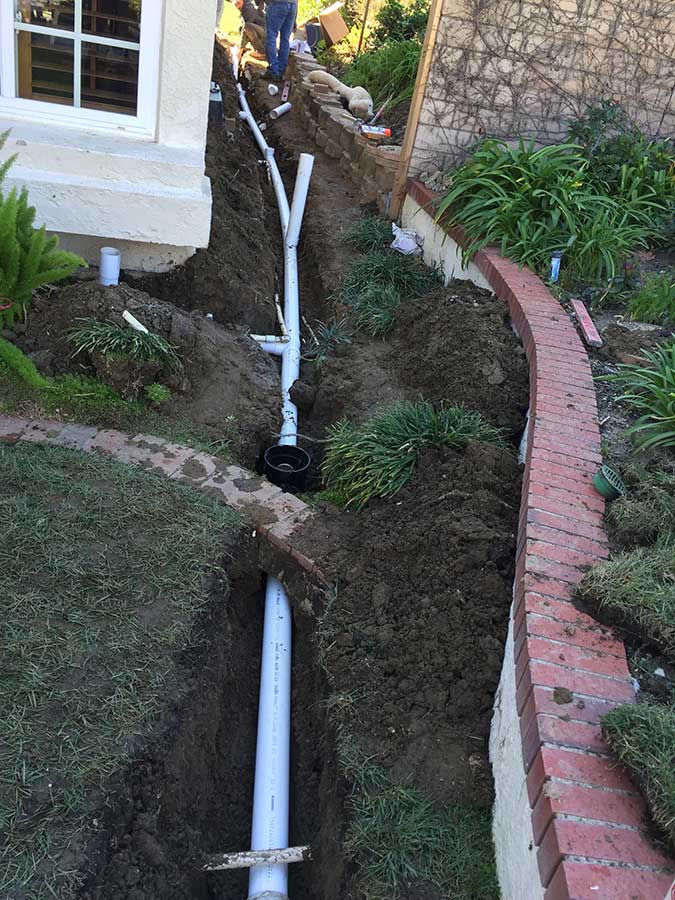
Create temporary swales or trenches to redirect surface water away from your home. Test your sump pump and ensure battery backup systems are operational.
| Barrier Type | Deployment Time | Effectiveness | Best Use Scenario | Special Notes |
| Traditional Sandbags (filled 1/3 full) | 15-30 min | High | Door blockage, diversionary berms | Must be placed lengthwise, stacked pyramid-style |
| Water-Activated Flood Bags | 5-10 min | High | Rapid deployment situations | Expands within minutes of water contact, no sand needed |
| Reusable Flood Barriers | 2-5 min | Very High | Garage doors, repeated use | Quick deployment, can be stored and reused |
Maintain a 3-day supply of water (1 gallon per person per day) and non-perishable food. Include a first-aid kit with essential medications, a flashlight with extra batteries, and a battery-powered radio. Store important documents in a waterproof container. Keep cash, credit cards, emergency contacts, phone chargers, and backup power banks readily accessible.
Evacuation requires preparation and timing. Leave early before conditions worsen.
Include a 7-day minimum supply of prescription medications. Gather insurance policies, identification, and property deeds in waterproof containers. Pack flashlights with extra batteries, phone chargers, and power banks. Bring first-aid supplies, cash, credit cards, a change of clothes, sturdy shoes, and personal hygiene items. Include pet supplies if applicable.
Choose routes on higher ground only. Avoid all waterlogged roads and standing water areas. Never drive through flooded roadways. Turn around, don't drown. Six inches of moving water can knock you down; 12 inches can move a small car. Communicate your location and route with family members. Follow all official evacuation orders and designated routes immediately.
Treat all floodwater as potentially energized. Never enter flooded areas without confirming power is shut off at the main breaker.
Wear waterproof boots with good traction. Use a sturdy stick to test depth before each step. Six inches of moving water can knock you down; avoid areas with strong currents entirely. Stay away from all downed electrical lines and assume every line is live. Never walk through water deeper than your knees.
Avoid all contact with floodwater when possible. It may contain sewage, chemicals, and dangerous contaminants. Travel with a companion whenever possible. Turn back immediately if water begins rising. Your safety outweighs any property concerns.
Floodwater carries multiple health threats requiring immediate protective action. Mold growth begins 24-48 hours after flooding, creating respiratory hazards that persist long after water recedes.
| Health Risk | Description | Preventive Measures |
| Waterborne Diseases | Contamination from sewage, chemicals, and bacteria | Use only bottled or boiled water; avoid contact with floodwater |
| Infections | Cuts and wounds exposed to contaminated water | Keep all wounds covered and clean; seek medical attention for injuries |
| Hypothermia | Prolonged exposure to cold water | Stay dry; change wet clothing immediately; seek warm shelter |
| Electrical Shock | Contact with energized water or equipment | Shut off power before entering flooded areas; assume all water is energized |
| Mold Exposure | Respiratory issues from mold spores (begins 24-48 hours after flooding) | Begin drying process immediately; use protective gear during cleanup |
| Structural Collapse | Weakened buildings and foundations | Do not enter structurally compromised buildings; watch for sagging ceilings, buckled floors |
Use only safe drinking water, bottled, boiled, or treated. Disinfect all surfaces that contacted floodwater. Wear protective gear, including gloves, boots, and masks, during all cleanup activities. Wash your hands thoroughly and frequently with soap and clean water. Never allow children to play in or near floodwater. Dispose of any food that contacted floodwater immediately. Seek medical attention if you develop symptoms after exposure.
Power loss disrupts standard communication channels. Multiple backup methods ensure you can reach emergency services and family members.
Use emergency weather radios, battery-powered or hand-crank models work without electricity. Text messages often transmit when voice calls fail. Conserve smartphone battery for critical updates via social media. Maintain charged power banks and battery-powered phones. Designate an out-of-area contact person to coordinate family communication. Register for community emergency notification systems before disasters occur.
Call 911 for life-threatening emergencies if lines are operational. Use text-to-911 if available in your area, many regions now support this service. Monitor local emergency management social media channels for updates and instructions. Tune to local emergency broadcast frequencies on your weather radio. If communications are completely down, signal for help visually using flashlights or bright clothing. Community emergency response teams (CERT) provide additional support when traditional services are overwhelmed.
The 48-hour threshold marks critical damage territory, severity reaches 85 on a 100-point scale with active mold growth. Any signs of sagging ceilings or buckled floors require immediate professional assessment. A thorough post storm property assessment determines the full extent of damage.
Wait for official all-clear from authorities before returning. Approach your home cautiously and inspect for structural damage from outside. Do not enter if you smell gas or see structural compromise. Check for electrical hazards before crossing the threshold. Document everything with photos and videos before touching anything, insurance claims depend on this evidence. Wear protective gear including boots, gloves, and mask during all inspections. Watch for wildlife that may have entered during flooding.
| Area to Check | What to Look For | Severity Indicators | Action Required |
| Foundation | Cracks wider than 1/8 inch, bowing walls, settling | Water-filled cracks, structural stress, active leaking | Immediate professional assessment; may require hydraulic cement stabilization and polyurethane injection |
| Electrical Systems | Wet outlets, breaker box, wiring | Water damage to panel, burnt smell, sparking | Do not restore power; call licensed electrician immediately |
| Structural Integrity | Sagging ceilings, buckled floors, warped walls | Visible deformation, separation of materials | Immediate professional structural engineer assessment |
| Plumbing | Sewage backup, broken pipes, water heater damage | Contaminated water, gas smell, water pooling | Professional plumber required; may need water testing |
| HVAC Systems | Wet furnace/AC, ductwork contamination | Standing water in system, mold in ducts | Professional HVAC inspection and cleaning required |
| Walls & Insulation | Water stains, soft drywall, wet insulation | Bulging walls, discoloration, musty odor | Remove wet materials within 24-48 hours to prevent mold |
Remove all standing water using pumps or wet/dry vacuums. Clear debris, mud, and contaminated materials immediately. Discard all porous materials that were saturated; drywall, insulation, and carpeting cannot be salvaged. Clean hard surfaces with water and detergent, then disinfect using EPA-approved disinfectant or bleach solution (1 cup bleach per gallon of water). Dry wet areas within 24-48 hours using fans, dehumidifiers, and open windows. Monitor for mold growth over the following weeks. Consider professional restoration services for Category 2 or 3 water damage, contaminated water requires specialized treatment.
A 7-day delay in response escalates repair costs to $45,000, a 52.9x multiplier from immediate response. At 72 hours, catastrophic damage becomes likely with severity scores reaching 95-100. Out-of-pocket costs increase disproportionately as higher deductibles apply to more extensive damage.
| Structural Issue | Cause | Symptoms | Recommended Repair Solution | Typical Cost Range |
| Foundation Cracks | Hydrostatic pressure from saturated soil | Visible cracks wider than 1/8", active water seepage, bowing walls | Hydraulic cement (temporary), polyurethane injection (permanent), exterior drainage system | $850-$12,500+ depending on delay |
| Weakened/Warped Walls | Prolonged water exposure, structural stress | Bulging drywall, separation at seams, soft spots | Drywall replacement, structural reinforcement if needed | $2,800-$22,000 depending on extent |
| Warped Floors | Water absorption in wood/subfloor | Buckling, cupping, gaps between boards | Subfloor replacement, new flooring installation | $1,500-$12,500 depending on area |
| Mold Growth | Moisture remaining after 24-48 hours | Visible growth, musty odor, discoloration | Professional mold remediation, dehumidification | $5,200-$45,000 if widespread |
Immediate response (1 hour) averages $850 in repairs with $350 out-of-pocket after a $500 deductible. At 24 hours, costs jump to $5,200 with $4,200 out-of-pocket. A 48-hour delay reaches $12,500 in repairs, with $10,000 out-of-pocket. Seven-day delays hit $45,000 with $40,000 out-of-pocket costs after a $5,000 deductible. Additional expenses include temporary housing, contents replacement, increased insurance premiums, and professional assessment fees.
Begin drying within 24-48 hours of water intrusion. Deploy industrial dehumidifiers targeting less than 50% relative humidity. Ensure proper ventilation with fans and open windows. Remove wet materials promptly; carpets, insulation, and drywall cannot be saved. Monitor humidity levels continuously for the first two weeks. Apply antimicrobial treatments to affected surfaces. Inspect hidden areas behind walls and under flooring for trapped moisture. Address the water intrusion source permanently to prevent recurrence.
Heavy rain and poor grading cause 28% of flooding incidents. Foundation cracks account for 18%, sewer backup 15%. DIY effectiveness varies dramatically, 75% for downspout issues but only 25% for foundation cracks. Professional drainage repair and temporary drainage solutions achieve 90-99% effectiveness across all sources.
Maintain emergency contact lists including family, friends, local emergency services, and your insurance agent. Map and practice primary and alternate evacuation routes. Stock a 3-day minimum supply of water, food, and medications. Store important documents in a waterproof, portable container. Know utility shutoff procedures and tool locations. Establish a family communication plan with designated meeting locations. Consider special needs for elderly, disabled family members, and pets. Schedule regular drainage system maintenance.
Clean gutters regularly and ensure downspouts direct water at least 10 feet from your foundation. Verify ground slopes away from foundation at 6 inches over the first 10 feet. Inspect foundation regularly for cracks and seal promptly when found. Test sump pumps regularly and install battery backup systems rated at 2,400+ GPH for emergency capacity.
Locate and label your main electrical panel, water shutoff valve, and gas shutoff valve. Assemble an emergency kit with flashlight, batteries, first-aid supplies, and important documents in waterproof containers. Professional landscaping services can help optimize drainage and grading.
Standard homeowners' insurance does not cover flood damage. Flood insurance protects home value and equity from catastrophic loss, covering structural repairs up to policy limits and reimbursing lost possessions. It provides funds for temporary housing during repairs and delivers peace of mind in flood-prone areas. Mortgage lenders require coverage in designated flood zones. Coverage begins after a 30-day waiting period, prepare early.
FEMA provides flood maps, preparedness resources, and disaster assistance. The National Flood Insurance Program (NFIP) offers policy information. Contact your Local Emergency Management Office for community-specific evacuation routes and shelter locations. The American Red Cross operates emergency shelters and disaster relief services.
Your local Fire Department conducts safety inspections and emergency response. County and City Public Works departments handle drainage issues and infrastructure concerns. IICRC sets standards for professional water damage restoration. Local restoration professionals provide 24/7 emergency landscape damage assessment and water removal services.
Time determines damage severity. Understanding critical response windows saves thousands in repair costs and prevents permanent structural compromise. Safety first, shut off utilities before entering standing water. Evacuate if necessary; never take risks with rising water. Immediate response averages $850 in repair costs.
Contact emergency restoration services immediately. Document all damage with photos and videos for insurance claims. Begin water removal and drying processes without delay. Responding within 24 hours prevents 65% of potential damage. Delays beyond this threshold increase costs 6x to $5,200 average. Mold colonization begins at 24 hours. Maintain aggressive drying efforts using industrial dehumidifiers and fans. A professional assessment is required for Category 2 or 3 water contamination. A 48-hour delay escalates costs 14.7x to $12,500 average.
Maintain proper grading with downspouts discharging at least 10 feet from foundations. Conduct regular foundation inspections and address cracks promptly. Test sump pumps regularly and install battery backup systems rated at 2,400+ GPH. Assemble and maintain emergency kits with 3-day supplies. Purchase flood insurance; coverage begins after a 30-day waiting period. Know utility locations and shutoff procedures before emergencies occur.
Remember: The difference between minimal damage and catastrophic loss is measured in hours, not days. Professional mitigation achieves 90-99% effectiveness across all flooding sources, while a delayed response can result in total loss within 7 days.
Protect your property with professional drainage solutions. Request a free quote from Signature Landscape to assess your home's flood risk and implement permanent prevention systems.
 Signature Landscape
Schedule A Consultation