Call our Professional Contractors!
(949) 859-9969
When you plan a new outdoor space, the terms hardscaping and landscaping can sound like the same thing. They are linked, but they do different jobs. Hardscaping covers built features, such as patios, paths, and walls. Softscaping covers the living parts of a yard, such as trees, shrubs, and grass. Landscaping is a wider term that can include both. Knowing the difference helps you decide what your yard needs before work begins.
For homeowners in Orange County, that choice affects cost, upkeep, shade, and drainage. A cracked patio needs a different fix from a lawn that uses too much water. Some yards need both kinds of work. This guide explains the materials, care, and planning steps, so you can discuss your goals with a landscape contractor and compare quotes with more confidence.
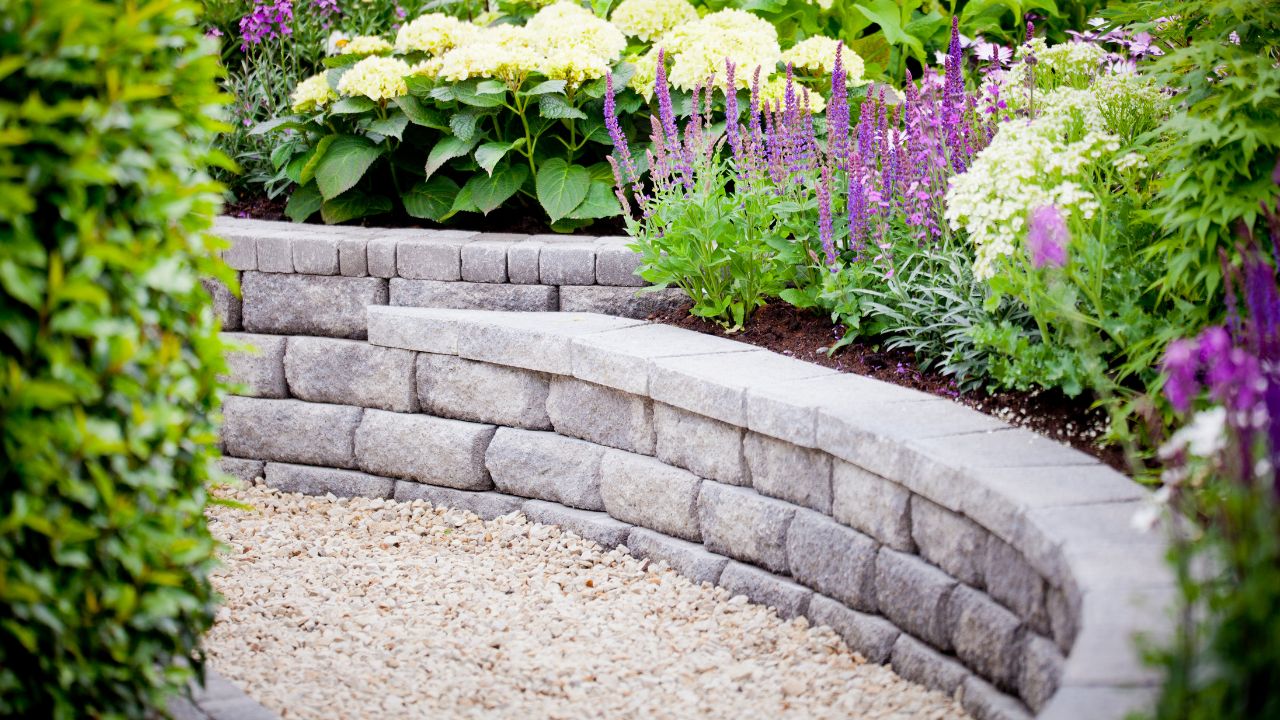
The simple answer is that hardscape is built and softscape grows. A path made with stone is hardscape. The plants along it are softscape. Landscape design brings the two together so the yard looks good and works well. For anyone researching the hardscaping vs landscaping difference orange county, this is the key point: the terms describe parts of a project, not two types of yard that must stay apart.
The word landscaping can also mean the whole job. In fact, California's C-27 landscape contractor rules cover work on landscape systems and the preparation of land, not just planting flowers. So when comparing softscape vs hardscape orange county options, ask what work the quote covers rather than relying on the label alone.
| Feature | Hardscaping | Softscaping |
| Main job | Builds paths, surfaces, and outdoor features | Adds living plants, shade, and ground cover |
| Examples | Patios, retaining walls, drives, steps | Trees, shrubs, flowers, grass |
| Materials | Pavers, concrete, brick, natural stone | Plants, soil, mulch, sod |
| Water needs | Changes how rain and runoff move | Needs water while plants grow and settle in |
| Care | Cleaning, joint care, repairs | Watering, pruning, mowing, mulch |
| Most useful when | You need safe access or a place to gather | You need greenery, privacy, or shade |
Hardscaping gives a yard its shape. It helps you walk from the gate to the house, park a car, sit outside, or cook with friends. Common materials include brick, concrete, pavers, and stone. Good hardscape construction also needs sound ground prep. A nice finish cannot make up for a weak base or poor slope.
A patio can create room for a table and chairs. Paved walkways make it easier to reach a garden or side yard. A Paver installation may work for drives, paths, and sitting areas. Other choices include retaining walls on sloped ground, fire pits, and outdoor kitchens for family gatherings. A Stamped Concrete Driveway is another built-surface option. Each feature should suit how people will use the space, the ground below it, and any local rules.
Materials change the look and feel of a project. Natural stone may suit a garden path or patio, while interlocking pavers can form neat edges and clear patterns. Modern Hardscaping Designs often pair simple lines with planting beds, but style comes after the site needs. A path that drains well and feels safe underfoot is more useful than one chosen only for its color.
A solid surface sends rainwater somewhere. If the slope aims toward a house or a low corner, water may collect where you do not want it. That makes drainage systems part of the plan, even if the main goal is a new patio. Some jobs may also call for drainage design and repair before new paving goes down.
Not all paved areas block water in the same way. The U.S. Environmental Protection Agency explains that permeable paving can let rain move into a base of stone and soil below. But permeable paving is not right for every site. Soil, slope, load, and the path water takes after a storm still matter. These points are worth asking about when looking at hardscape services Orange County projects.
Softscaping is the living part of a yard. It gives color, texture, privacy, and shade. It can also make a large patio feel less bare. A full landscaping project, though, may include soil work, paths, lighting, and water control as well as plants. That is why a quote for residential landscaping services Orange County may cover more than trees and flowers.
Common softscape work includes tree installation, shrubs, flowers, and ground cover. Decorative plants can line a walk or frame a sitting area. In a traditional front yard, a small lawn, planting beds, and trees may fit the home. A modern backyard might use fewer plant types and larger groups of ground cover for a clean, calm look. Good garden design also leaves room for roots and for mature plants to grow.
Grass offers a place to play, but it brings watering and lawn care needs. Sod installation gives a new lawn a more complete look at the start, while artificial turf removes the need to mow or water live grass. Still, artificial grass can get hot in direct sun and needs cleaning, so it is not a perfect match for every yard. Think about pets, children, shade, surface heat, and drainage before choosing synthetic turf.
Plants cannot thrive on looks alone. Sun, soil, roots, wind, and the amount of water each plant needs all count. A tree that likes more water may not fit well next to plants that prefer dry soil. Grouping plants by water needs can make irrigation systems easier to manage. It can also help avoid wet spots beside paving.
For Southern California yards, choosing suitable native plants or other drought-resistant plants may lower water demand once plants are established. The University of California notes that a well-planned mix of trees, shrubs, ground cover, and other plants can need about 50% less water than cool-season lawn when the new area has efficient, well-managed irrigation. That is a comparison under set conditions, not a promise of savings for every home.
There is no fair single price for all hardscape or softscape work. A small garden bed and a new drive are very different jobs. Even two patios of the same size can cost different amounts if one needs old concrete removed or has poor access. A written plan gives a clearer way to compare bids than a broad price per square foot.
Built features often need digging, hauling, and base work before the finish goes in. Price depends on the area, access for equipment, soil, slope, drainage, and chosen materials. Walls, steps, curves, and fire features add work. So can gas or electrical lines for a kitchen or fire pit. Ask whether the bid covers removal of old surfaces, site prep, materials, permits, and cleanup.
For example, a plain patio with room for chairs has a much smaller scope than a patio with an Outdoor BBQ and Bars area, built-in seats, and lights. A contractor should explain each part so you can see where the money goes. It helps to mark the must-have work first and price optional features on a separate line.
Living landscape costs depend on soil work, the number and size of plants, turf area, mulch, and irrigation installation. Larger trees can cost more to move and plant than small shrubs. Work also varies if the site has old roots, poor soil, or broken sprinklers. A quote for plants should state species, size, and how the plants will be watered.
Think about future care, too. An inexpensive lawn at install may call for more water and mowing in the years ahead. A planted bed may need more work while it settles in, then less later. Compare both the cost to build and the cost to care for the yard.
Neither one is free from care. Hardscape may need less routine work than a lawn, but it can still stain, crack, shift, or collect leaves. Plants need regular checks as seasons change. How much work you face depends on materials, plant choices, weather, and how you use the yard.
Paved areas need sweeping and cleaning. Weeds can grow in joints, and some pavers may need fresh joint sand. Concrete may crack; steps or pavers may settle. Drains need clearing so rain has a path out. Some surfaces also call for sealing based on the material and maker's advice. Check high-use paths and steps for uneven spots before they become a trip risk.
Live lawns may need mowing, feeding, and watering. Beds need mulch and weed checks. Shrubs need pruning so they do not block paths or windows. Trees need tree care as they grow, and tree trimming may call for a trained professional. Not every plant wants the same schedule, so choose plants with the amount of care you can manage.
If your aim is a lower-work yard, start with that goal during planning. It may mean a smaller grass area, easy-to-reach beds, fewer high-water plants, and simpler paving details. A yard can look full without making every weekend a yard clean up day.
Water is a major part of Orange County Landscaping plans. More paving may cut the amount of live grass, but it can also move rainwater toward nearby walls and buildings. More plants can add shade and help cover soil, but they need the right watering plan. Good water management considers both the living and built parts of a site.
The EPA reports that as much as 50% of outdoor water use can be lost to wind, evaporation, and runoff from poor irrigation methods and systems. This is a national estimate, not a measure of every Orange County home. The lesson is simple: fix leaks and poorly aimed sprinklers before paying to replace all the plants. EPA WaterSense data backs this approach.
A yard with water-saving landscapes might use smaller turf areas, plants with similar water needs, mulch, and a controller that adjusts watering to local conditions. Smart irrigation systems help, but they still need checks. For drought landscaping, pay close attention to new plants in the first months. Even plants that use little water once established need care while roots grow.
Begin with what is not working. Do you need more room to eat outside? Is the path unsafe? Do you want shade, privacy, or a softer view from a window? The answer can tell you where to put the first part of your budget. Many people searching softscape vs hardscape Orange County choices find that a mix makes more sense than picking one side.
Choose a hardscape-led plan when you need a solid surface or built feature. A narrow side yard may need a stable walkway. A cracked drive may need replacement. A sloped area may need a retaining wall after proper site review. A family that loves to host may want a patio, an outdoor kitchen, or a fire pit. Planting can still help soften the edges, but the built feature does the main job.
Choose a softscape-led plan when the layout works but the yard feels bare or needs more shade. You may want privacy hedges, a new lawn, flowers, or ground cover. You might also want to replace plants that need more water than you can give. In these cases, residential landscaping services in Orange County can focus on soil, plants, irrigation, and a clear care plan without a large build.
Many Outdoor living spaces need both. Picture a Newport Beach yard with a patio for meals, trees for shade, shrubs for privacy, and outdoor lighting along the walk. The patio gives people a place to sit. Plants make the space feel cooler and more private. Lighting helps people find the route after dark. A shared outdoor space design orange county plan helps these parts fit rather than clash.
The same idea works for a front-yard update in Yorba Linda or a backyard in Mission Viejo. The home style and size of the lot may be different, but the key questions stay the same: where will people walk, where will water go, what needs shade, and what can you care for over time?
Standing water, soil washing away, shifting pavers, and plants that die in the same spot can point to a deeper site issue. A fresh layer of soil or new patio may hide the problem for a short time without fixing it. Before buying materials, look at the ground slope, downspouts, irrigation leaks, and where runoff leaves the property.
Some areas need Drainage design and repair before any new planting or paving. A contractor may need to study the path of runoff and decide if grading or drains should change. Do not assume a new surface or more watering will solve a problem until its cause is clear.
The work often starts with goals, measurements, and a check of the site. Think about how the yard will be used now and in a few years. For example, a tree may start small but need much more root space later. An outdoor kitchen needs room for safe movement, while a walkway needs a clear route that stays easy to use.
A basic work order is to review the site, plan grades and water flow, remove old features, install buried lines, build hard surfaces, prepare soil, and plant. The order may change with the project. The main idea is to avoid digging through newly planted beds to run a drain or cable. Landscape construction and planting work should follow one plan rather than separate guesses.
For lighting design, think about steps, entry points, and areas where people gather. Low-voltage lighting can help mark a route, while softer landscape lighting can show a tree or planting bed. A lighting system also needs cables and power planned before paving and plants make access harder. Avoid too much light near windows or neighbors.
A sketch or 3D view can help you compare layouts before you build. Ask where the materials meet, how the yard drains, and what the plants may look like when grown. For a modern coastal landscape design, pay attention to salt air, wind, and sun rather than copying a photo from another climate. A plan should fit the actual site.
A clear quote and a sound plan matter more than a long list of claims. Before you hire anyone, ask what work is included, how the site will be prepared, and who is responsible for permits. Compare bids using the same list of features. If one quote includes drainage and another leaves it out, the totals do not tell the whole story.
California's Contractors State License Board says a license is required if work needs a building permit, uses additional workers, or totals $1,000 or more in labor and materials. You can check a license through the CSLB. Permit rules also vary by city and project. Ask the local building office about walls, major grading, pools, or work involving gas and power. Do not rely on a single rule for all of Southern Orange County.
The estimate should show the work area, material type, plant sizes, prep work, irrigation, drainage, and finish details. It should also explain removal of old features, cleanup, permits, and any work that is not part of the price. Ask when payments are due and how added work is approved. Written details make it easier to compare hardscape services Orange County proposals without missing an important cost.
Ask for a plan you can understand. It may include measurements, plant locations, path widths, and the placement of built features. Material samples and drawings help check scale and color. A Design consultation is a chance to ask how the finished yard will drain, where people will move, and what care each part needs. If your home has an HOA, check its approval process before work starts.
The right choice is based on what your yard must do. Hardscaping creates places to walk, park, sit, and cook. Softscaping adds living shade, privacy, and color. Many yards need both. In Orange County, water use, sun, slope, and soil can matter as much as style. Start with the site's needs, then choose materials and plants. A clear scope and plan will help you make better choices for the budget and the years ahead.
If you are planning a new patio, interlocking pavers, retaining walls, planting, or a full yard update, Signature Landscape can help you look at both the built and living parts of the space. Our hardscaping and landscaping services cover a range of outdoor space design Orange County needs, from walkways and fire pits to trees, sprinklers, and outdoor gathering areas. Share photos, your goals, and any problem spots through our request a free quote form or call (949) 859-9969 to discuss your project.
Schedule A Consultation