Call our Professional Contractors!
(949) 859-9969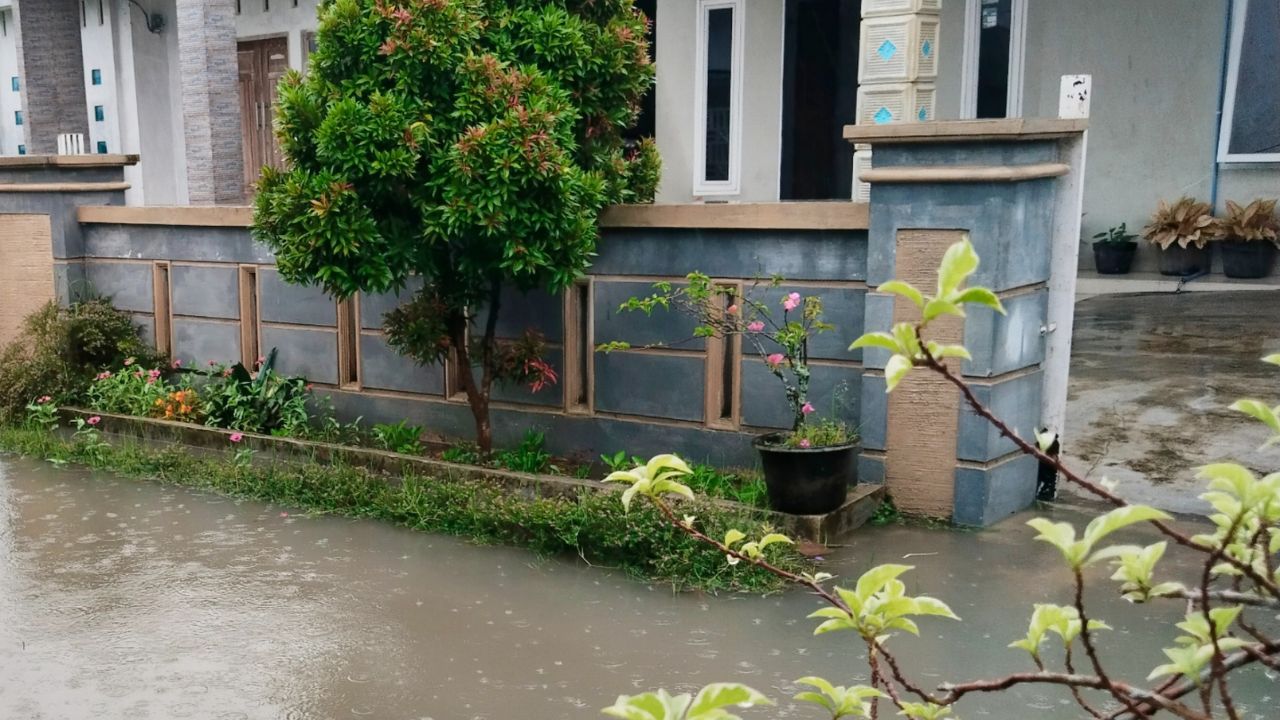
Key Takeaways:
Flooding walkways create safety hazards, structural damage, and costly repairs. Water accumulation erodes base materials beneath surfaces, cracks pavement through freeze-thaw cycles, and undermines foundations supporting your pathways. What starts as minor pooling escalates into trip hazards, crumbling edges, and complete walkway failure.
The financial impact extends beyond replacement costs. Foundation damage from water infiltration runs $10,000 to $30,000 or more to repair. Liability concerns arise when guests slip on flooded or icy walkways. Property value declines when curb appeal suffers from deteriorating pathways.
Understanding causes and implementing targeted drainage and hardscape solutions protects your investment and maintains safe, functional pathways year-round. This guide provides essential information to identify problems, evaluate solutions, and make informed decisions about walkway protection.
Walkway flooding results from multiple factors working together—excessive rainfall, inadequate drainage infrastructure, and improper slope. These issues compound during winter when freeze-thaw cycles accelerate damage. Identifying these causes helps you address problems at their source rather than repeatedly treating symptoms. Each factor contributes differently depending on your property's topography, soil type, and existing infrastructure.
Heavy rainfall overwhelms drainage capacity when systems can't handle the volume. A typical 1,500 square foot roof sheds over 900 gallons of water during a 1-inch rainstorm. When this water lacks proper drainage paths, it flows across and accumulates on walkway surfaces instead of draining away. Impermeable hardscaping materials like concrete and solid pavers prevent natural infiltration, concentrating runoff onto adjacent areas.
Winter conditions worsen this. Frozen ground blocks absorption, forcing precipitation and snowmelt to remain on surfaces. Temperature fluctuations create ice layers that block drainage paths—daytime thaws produce liquid water that refreezes overnight. When drainage systems are absent or overwhelmed, water saturates soil beneath walkways, destabilizing base materials and creating puddles that freeze into hazardous ice patches. This cycle repeats throughout winter, progressively worsening damage.
Insufficient drainage systems fail to redirect excess water from hardscaped areas. Missing French drains, inadequate surface drains, or short downspout extensions leave water with nowhere to go. A property without subsurface drainage relies entirely on surface slope—when that slope is inadequate or obstructed, flooding occurs.
Clogged gutters compound the problem. Debris like leaves, twigs, and ice dams block flow, causing overflow that cascades onto walkways below. A clogged 5-inch gutter during heavy rain can overflow hundreds of gallons directly onto surfaces beneath. Downspouts dumping water within feet of walkways create immediate flooding—that concentrated discharge overwhelms local drainage capacity. These infrastructure failures turn manageable rainfall into standing water that damages surfaces and creates safety hazards. Regular maintenance prevents most clogs, but system design determines whether water can be handled even when maintenance is perfect.
Incorrect slope traps water on walkway surfaces instead of directing it away. The EPA recommends a minimum slope of 0.25 inches per foot for walks and paved surfaces. Concrete walkways need 1/4 to 1/2 inch per foot grading within 10 feet to prevent pooling. Proper walkway slope ranges from 3% to 10%—enough to move water without creating unsafe inclines. When grading is inadequate or surfaces settle over time, water collects in low spots. This standing water accelerates deterioration through freeze-thaw damage and erosion of supporting base materials.
Thorough damage assessment identifies problems requiring immediate attention and helps prioritize repairs. Some damage is obvious—large cracks, sunken sections, or standing water. Other issues develop gradually and need systematic inspection to detect. Understanding what to look for prevents small problems from escalating into complete walkway failure. Professional assessment provides detailed analysis, but homeowners can identify many issues through careful observation.
Water damage manifests in four primary ways. Settling and sinking occur when erosion removes base material beneath surfaces—you'll notice sections lower than surrounding areas or gaps appearing between walkway edges and adjacent landscaping. This settling creates trip hazards and indicates ongoing base erosion that will worsen without intervention.
Cracking results from expansion and contraction during freeze-thaw cycles. Water enters small cracks, freezes, expands, and widens openings. What starts as hairline cracks becomes structural damage within seasons. Monitor crack width—anything beyond 1/4 inch requires repair to prevent water infiltration that accelerates deterioration. Heaving happens when trapped water freezes and expands, pushing sections upward. These raised areas create dangerous trip hazards and indicate water is trapped beneath surfaces with no escape route.
Staining appears where standing water and organic debris accumulate, indicating poor drainage. Dark patches, algae growth, or mineral deposits show where water pools repeatedly. Watch for water pooling after rain, slow drainage, and altered runoff patterns. These signs reveal where water moves incorrectly across your property. Document problem areas during rain events—photos show exactly where intervention is needed and help contractors design effective solutions.
Check for erosion around walkway edges where water flow moves soil. Visible settling or sinking indicates base material has washed away, compromising structural integrity. Gullies and exposed areas show water concentrating in paths it shouldn't follow. Walk your entire pathway system looking for cracks—note width, length, and whether they're expanding. Pay special attention to joints between sections and areas near downspouts.
Compacted soil and low spots accumulate water because natural flow is blocked. Press into soil adjacent to walkways—if it's perpetually soggy or you sink into mud, drainage is failing. These areas need professional drainage repair to prevent progressive damage.
Evaluating existing systems reveals whether they're adequate or need upgrades. Inspect current infrastructure for clogs, damage, and improper installation. Flow mapping during rain shows how water moves across your property and whether it's directed appropriately.
Conduct percolation tests to measure soil drainage capacity near walkways. Dig a hole 12 inches deep and wide, fill with water, let it drain, then refill and time how long one inch takes to drop. Less than 2 inches per hour indicates poor drainage requiring engineered solutions. This test quantifies whether your soil can absorb water or needs drainage systems to carry it away.
Effective drainage systems capture water before it reaches walkways and redirect it to appropriate discharge points. No single solution works for every situation—you need the right combination for your property's unique challenges. Surface drainage handles water flowing across ground level. Subsurface systems intercept groundwater before it emerges. Active systems like sump pumps remove water when passive drainage can't keep up. Multiple solutions work together for comprehensive protection that handles various water sources and flow conditions.
French drains intercept subsurface water before it surfaces near walkways. The system uses perforated pipes surrounded by gravel in trenches sloped at minimum 1%—1/8 inch per foot. Water enters pipe perforations, travels downslope, and discharges away from hardscaped areas. Filter fabric wraps pipes and lines trenches, preventing soil migration that clogs systems over time.
French drains cost $20 to $30 per linear foot. Professional installation of a 100-foot system runs $2,000 to $3,000, including excavation, materials, and proper slope calculation. Install these along walkway edges where water accumulates or where runoff flows toward paved surfaces. Maintenance is minimal—inspect outlets periodically to confirm debris isn't blocking discharge. These systems effectively prevent pooling and protect hardscape foundations from water damage.
Sump pumps actively remove water from low-lying areas where gravity drainage fails. Install them in basements or crawl spaces with high groundwater tables affecting walkways above. The pump sits in a sump pit at the lowest point. As water accumulates, a float switch triggers the pump, discharging water through pipes to locations away from structures and walkways.
This active system handles situations where passive drainage can't—properties with poor soil permeability, high water tables, or limited slope for gravity flow. Test pumps periodically by pouring water into pits and verifying smooth operation. Check discharge locations to ensure water isn't recirculating back to problem areas.
Gutters and downspouts control roof runoff—thousands of gallons during heavy rain. When improperly managed, this water overwhelms walkways. Downspouts should extend 6 to 10 feet from walkways to discharge water safely away. Shorter extensions dump water directly onto or near paved surfaces, creating the exact flooding you're trying to prevent.
Clean gutters and downspouts twice yearly. Professional cleaning costs $150 to $300. Consider gutter guards at $5 to $30 per linear foot installed—they reduce maintenance frequency and prevent overflow. Size gutters and downspouts appropriately for your roof area. Undersized systems overflow even when clean, defeating their purpose and flooding walkways below.
Strategic hardscape upgrades address flooding while improving aesthetics and functionality. Material selection determines whether surfaces shed water or allow infiltration. Installation quality affects long-term performance—proper base preparation, adequate slope, and quality materials make the difference between systems that last decades and those that fail within years. Integration with overall drainage strategy ensures hardscape improvements complement rather than conflict with water management goals.
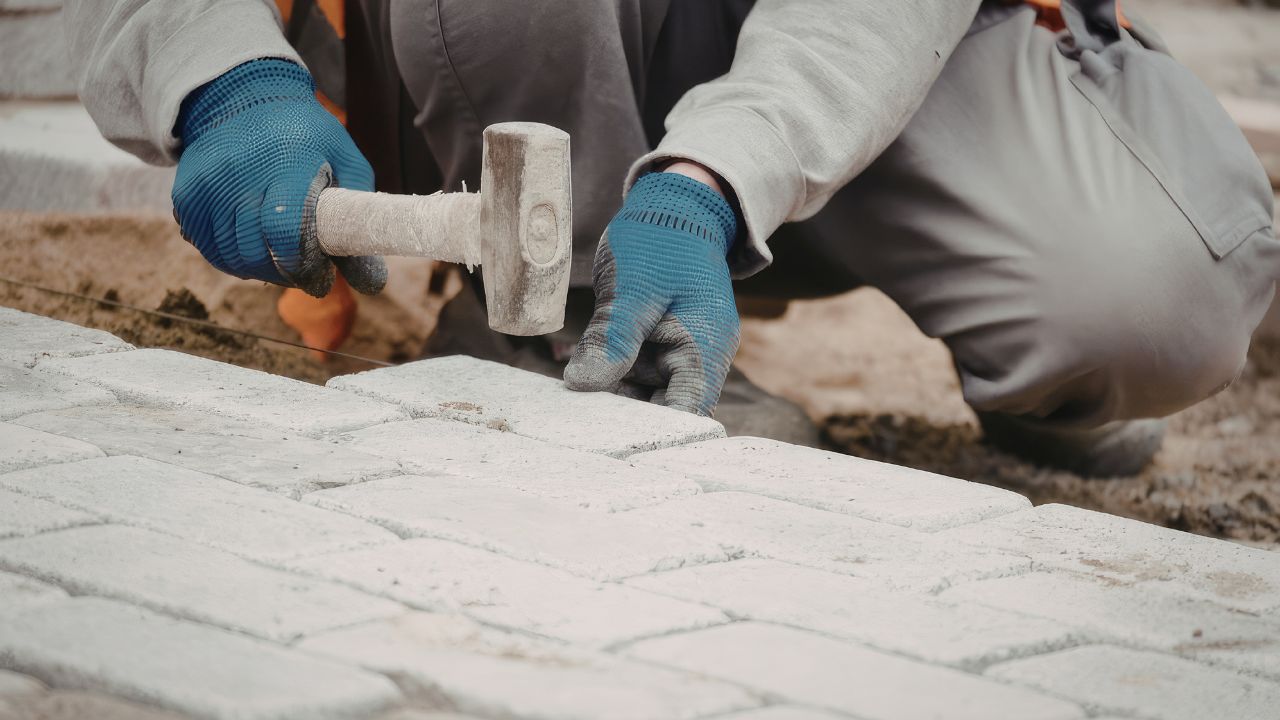
Permeable pavers allow water to pass through surfaces into the ground, eliminating standing water. Interlocking pavers with spacing allow infiltration while providing stable walking surfaces. Install them on gravel beds—typically 6-12 inches deep—that provide structural support and drainage capacity. Water filters through joints between pavers, into the gravel base, and then into native soil. This distributed infiltration prevents the concentrated runoff that erodes soil and overwhelms drainage systems.
The gravel base serves multiple functions. It supports the pavers under foot traffic and vehicle loads. It stores water temporarily during heavy rain, releasing it gradually to soil below. It prevents fine soil particles from migrating upward and clogging paver joints. Proper installation includes landscape fabric between native soil and gravel to maintain separation while allowing water passage.
Permeable pavers cost $10 to $30 per square foot installed. While initial investment exceeds traditional concrete, they eliminate standing water problems and can reduce need for separate drainage systems. These pavers handle regular foot traffic while managing stormwater effectively. They're particularly valuable in areas with poor soil drainage where water has nowhere to go—the gravel base creates underground storage that slowly releases water, preventing surface flooding even when soil absorption is limited.
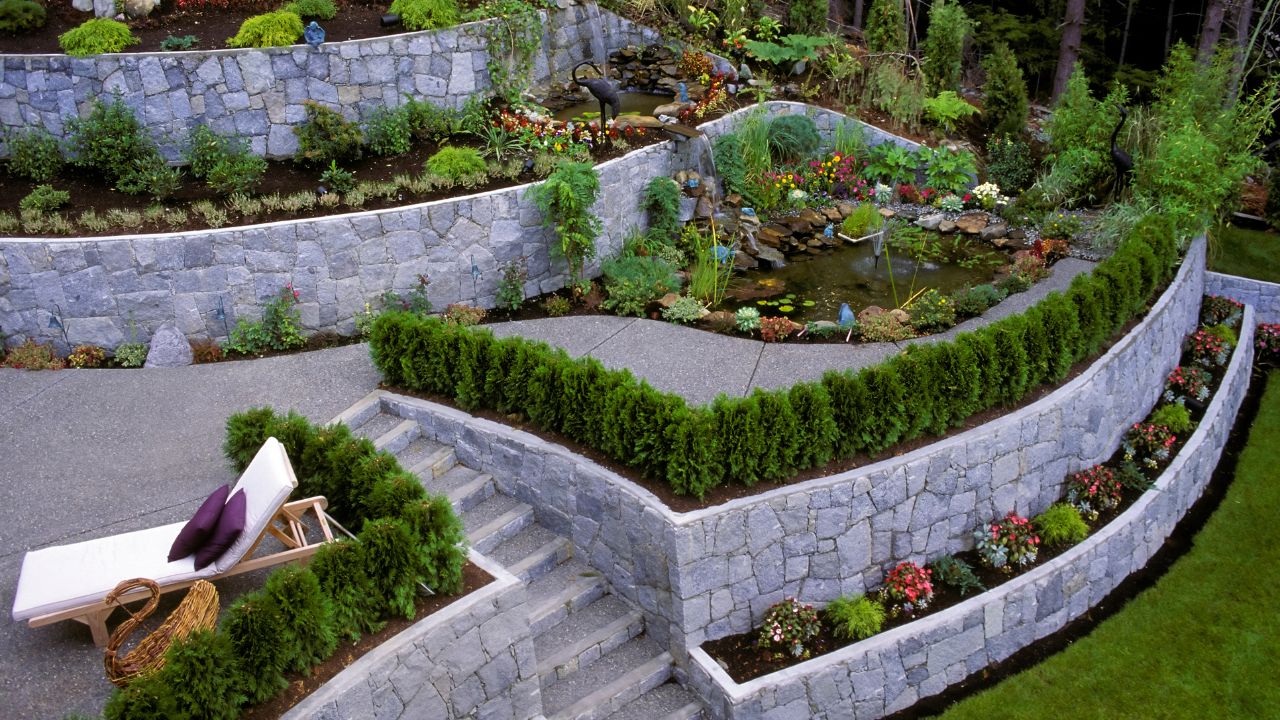
Retaining walls manage elevation changes and control water flow near walkways. Properties with slopes need walls to create level walking surfaces and prevent erosion that undermines pathways. Properly designed walls include drainage systems behind them—without this, water pressure builds up and causes failure. Hydrostatic pressure from saturated soil can topple even well-built walls if drainage is inadequate.
Install perforated drain pipes at wall bases, wrapped in filter fabric and surrounded by gravel. This collects water trying to move through soil and directs it to controlled discharge points. The gravel backfill behind walls allows water to drain downward to the pipe rather than building pressure against the wall face. Weep holes at regular intervals provide additional drainage paths for water to escape.
Retaining walls integrated with overall drainage strategy prevent erosion that undermines walkways. They create level areas for walkway installation on sloped properties and direct water around rather than across paved surfaces. Zone-specific solutions address unique site characteristics—steep slopes need different wall heights and drainage capacities than gradual grades. Professional installation ensures structural integrity and effective water management. Improperly built walls fail within years, creating hazards and requiring expensive replacement.
Gravel paths naturally drain water through their porous structure. Unlike solid surfaces that create runoff, gravel allows infiltration throughout the entire pathway. Water moves through gaps between stones into the base layer and soil below. This distributed infiltration prevents concentration of flow that causes erosion.
Quality paver stone installations often incorporate gravel in base construction. This gravel layer—typically 4-6 inches of compacted crushed stone—provides drainage beneath solid surfaces. The combination prevents water from being trapped under pavers where freeze-thaw cycles cause heaving. Gravel base systems maintain stability while managing water that infiltrates through joints or flows beneath walkways.
Regular maintenance preserves drainage effectiveness and extends hardscape life. Even the best-designed systems degrade without care. Debris accumulates in drains, reducing capacity. Soil shifts and settles, altering slopes. Plant roots intrude into drainage pipes. Scheduled inspections and cleaning prevent small issues from becoming expensive failures. A few hours of maintenance annually protects thousands of dollars in drainage and hardscape investments.
Regular inspection catches problems early when repairs are simple and inexpensive. Check drainage systems for clogs, damage, and deterioration twice yearly—spring and fall are ideal. Look for slow drainage, standing water, or unusual flow patterns indicating developing problems. Inspect walkway surfaces for new cracks, settling, or separation at joints.
Remove debris from catch basins, French drain outlets, and surface drains. A single season of leaves can reduce capacity by 50% or more. Test systems during rain to verify proper function—water should flow freely without backing up or overflowing. Early detection prevents minor clogs from becoming complete system failures requiring excavation and replacement.
Clean gutters and downspouts twice per year minimum. Spring cleaning removes winter debris and prepares systems for heavy spring rains. Fall cleaning prevents leaves from clogging gutters before winter precipitation. Properties with overhanging trees need quarterly cleaning—use this opportunity to also check areas shaded by fast-growing trees for drainage issues.
Professional cleaning costs $150 to $300 depending on property size. DIY cleaning requires ladder safety awareness and proper technique. Gutter guards at $5 to $30 per linear foot reduce maintenance frequency and prevent the overflow that damages walkways. Include drain cleaning in your maintenance schedule—surface drains, catch basins, and French drain outlets all need periodic debris removal to maintain capacity.
Common problems include water pooling where it previously drained, standing water near walkways, and water backing up from drains. These indicate blockages or inadequate capacity. A system that handled water fine for years may fail when debris accumulates or when vegetation growth alters flow patterns. Visible settling or sinking reveals base erosion from poor drainage—water washing away supporting materials compromises structural integrity. Pavers that were once level now tilt or separate.
Clay soil with poor permeability worsens drainage problems. Percolation rates significantly below 1 inch per hour mean water can't absorb naturally—it has nowhere to go except across surfaces or into drainage systems. In these conditions, even properly designed systems can be overwhelmed during exceptional rain events. Compacted soil from foot traffic reduces pore space, blocking infiltration and increasing runoff. High-traffic areas develop impermeable surfaces over time as soil compresses.
Prevent these problems through proper initial design that accounts for soil type and expected water volumes. Quality installation using appropriate materials and correct techniques establishes systems that can handle their intended loads. Consistent maintenance keeps systems functioning at design capacity. Address warning signs immediately—a small crack or minor settling indicates developing problems. Waiting allows minor issues to cause major damage requiring complete walkway replacement rather than simple repairs.
Professional expertise ensures systems are designed correctly and installed to last. The right contractor saves money long-term through proper solutions that actually work.
Verify experience through completed project portfolios showing similar work. Ask for photos of drainage installations and hardscape projects, not just general landscaping. Request references from clients with comparable drainage challenges. A contractor experienced in basic paver installation may lack expertise in complex drainage integration.
Complex projects—extensive excavation, integrated drainage systems, significant grading—require professional expertise with heavy equipment, precise calculations, and local soil knowledge. Simple fixes like downspout extensions are DIY-appropriate. French drains, extensive grading, and landscape integration demand professional design and installation to avoid costly mistakes from improper slopes, inadequate materials, or poor component placement.
Licensed professionals ensure compliance with local building codes and stormwater regulations. Drainage and hardscape work often requires permits, especially when connecting to municipal systems or significantly altering grading. Licensed contractors handle permit applications and inspections. Unlicensed contractors leave you liable for code violations.
Insurance protects you from liability for workplace injuries and property damage during installation. Worker injuries are covered by employer insurance. Property damage insurance covers accidents like broken utility lines during excavation. Professional contractors understand stormwater ordinances, HOA rules, and neighbor restrictions. You cannot legally divert water onto neighboring properties causing harm—licensed contractors ensure compliance with all regulations.
Ask about experience with similar properties, licensing and insurance verification, and detailed cost estimates with material specifications. Get timelines and understand warranty policies. Request references you can contact. Questions should cover years in business, annual drainage project volume, and percentage of work involving drainage versus general landscaping.
Understand cost ranges before getting quotes. Minor drainage issues run $500 to $2,000, moderate issues cost $2,000 to $8,000, and extensive problems reach $8,000 to $20,000 or more. Catch basins cost $300 to $800 per unit. Channel drains run $15 to $40 per linear foot. These ranges help identify unrealistically low bids signaling corner-cutting.
Effective drainage prevents foundation damage costing $10,000 to $30,000 or more to repair. A $5,000 drainage system preventing $20,000 in repairs is excellent value. Get multiple quotes and compare proposed solutions, not just prices. The cheapest bid often uses inferior materials or shortcuts that fail quickly.
Walkway flooding creates safety hazards, accelerates deterioration, and leads to expensive repairs. Proper drainage solutions—French drains, improved slopes, and upgraded gutters—prevent water accumulation. Strategic hardscape choices like permeable pavers manage water while maintaining functionality.
Don't wait for foundation damage or complete walkway failure to force action. Signature Landscape specializes in integrated drainage and hardscape solutions that protect Orange County properties. Our licensed professionals assess your property's unique challenges and design systems that actually work. You can request a free quote to understand what quality drainage and hardscape solutions cost for your specific property.
Schedule A Consultation