Call our Professional Contractors!
(949) 859-9969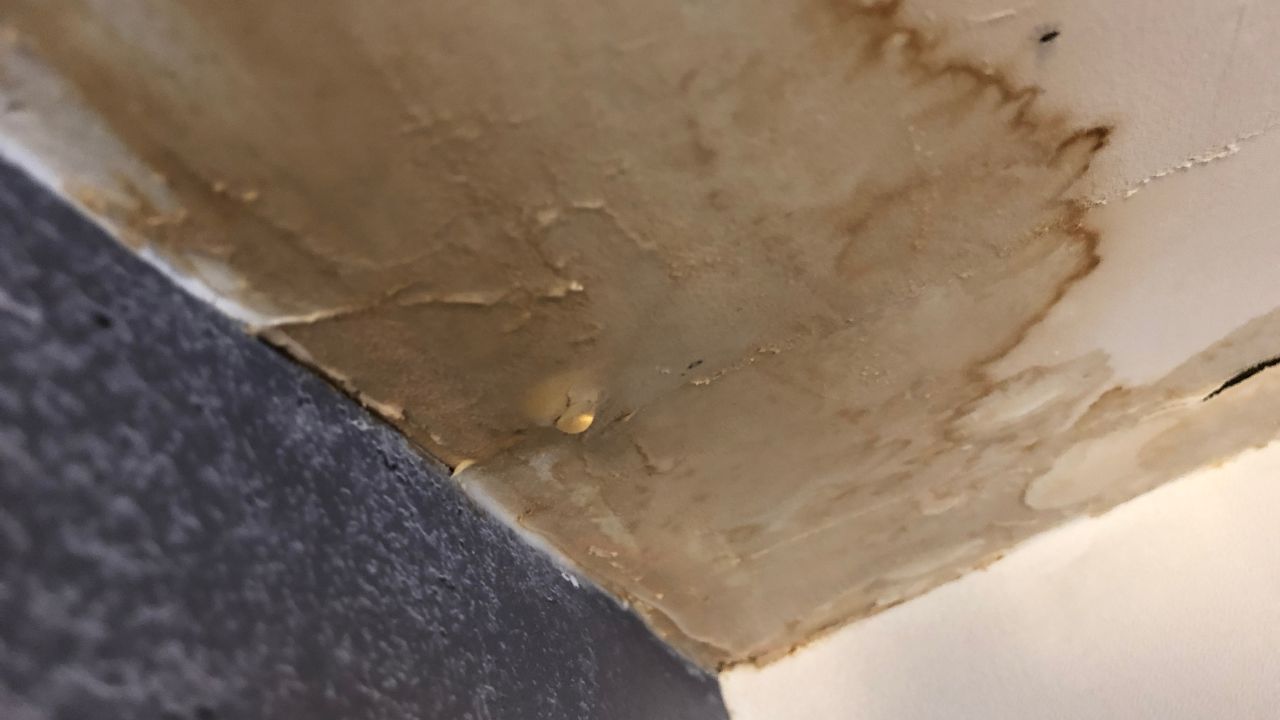
Key Takeaways
Water pooling in your yard after rain isn't just unsightly, it's a warning sign of drainage failure that threatens your foundation, invites mold growth, and escalates into thousands of dollars in structural repairs if ignored. Most homeowners don't realize that standing water persisting beyond 48 hours, foundation staining, or soggy soil signals a ticking clock on exponentially increasing damage.
This guide reveals the early and advanced warning signs your yard needs better drainage, provides step-by-step assessment methods, explains proven solutions from simple downspout extensions to French drains, and demonstrates why acting in the first three months saves an average of $16,500 compared to waiting three years. Whether you're seeing your first puddle or already dealing with basement dampness, understanding these warning signs and their solutions protects your largest investment from progressive water damage.
Rain leaks in yard stem from four primary factors: improper grading, faulty gutters, poor soil conditions, and natural topography. Building codes require a minimum 5% grade (6 inches of drop over 10 feet) sloping away from your foundation. When this standard isn't met, especially with flat or negative grading that slopes toward the house, water pools against foundation walls instead of draining away.
Gutters and downspouts manage the massive water volume your roof collects, but they fail when clogged, damaged, or positioned too close to the foundation. Downspouts must discharge water at least 4-6 feet from the structure. Soil type matters too: heavy clay drains slowly and promotes saturation, while sandy soil drains quickly but erodes easily. Compacted soil or high water tables prevent effective drainage regardless of grading. Exposed tree roots signal ongoing erosion where water flow is washing away topsoil and destabilizing your landscape.
Drainage problems reveal themselves through escalating symptoms. Early detection saves thousands in repairs by catching issues before structural damage occurs.
Standing water after rain that persists more than 24-48 hours indicates drainage failure (severity: 7/10). The longer water sits, the more likely your soil has poor permeability. Soggy, spongy lawns that stay muddy long after storms point to high water tables or compacted clay soil that can't drain effectively (severity: 6/10). Landscape erosion, mulch washing away, small channels (rills) forming in soil, exposed tree roots, shows water moving too fast or concentrating in specific areas (severity: 6-7/10). These poor yard drainage signs demand action within weeks.
Foundation staining shows water consistently pooling against your walls; the stain height marks the high-water level (severity: 8/10). Musty odors signal mold growth from chronic moisture, a health hazard requiring immediate attention (severity: 9/10). Basement or crawlspace dampness means hydrostatic pressure is forcing water through foundation pores and cracks (severity: 8/10). Foundation cracks, especially horizontal, stair-step patterns, or wider than 1/4 inch, indicate soil expansion and contraction from moisture cycling (severity: 9/10). Hardscapes that shift, crack, or settle show water eroding their base materials (severity: 7/10). These symptoms require action within days.
Common Signs of Poor Drainage
| Warning Sign | Description | Severity (1-10) | Time to Act |
| Standing water | Puddles remaining >24-48 hours | 7 | Within weeks |
| Lawn discoloration | Soggy, spongy soil killing grass | 6 | Within weeks |
| Erosion near foundations | Soil movement, rills, exposed roots | 6-7 | Within weeks |
| Mold/mildew growth | Musty odors, visible growth | 9 | Immediately |
| Foundation staining | Water marks on foundation walls | 8 | Within days |
| Basement dampness | Moisture on walls/floors below grade | 8 | Within days |
Start with a systematic yard inspection after heavy rain. Check for standing water lasting beyond 48 hours, examine foundation walls for staining, and feel the soil in multiple locations for persistent wetness. Look for landscape erosion signs: mulch displacement, soil channels, and exposed tree roots. These visual and tactile assessments provide your baseline. If you're uncertain about the severity of storm damage, a professional assessment ensures you don't miss critical warning signs.
Use simple tools for precise measurements. A level verifies your yard slopes at the required 5% minimum (1 inch per foot for 10 feet) away from the foundation. Moisture meters measure water content in soil and building materials. Thermal imaging cameras reveal hidden moisture behind walls, wet areas appear cooler than dry surroundings.
For gutters and downspouts: clear debris from gutters and openings, verify proper slope toward downspouts, confirm discharge points sit 4-6 feet from the foundation, and observe water flow during rain to catch overflow or clogs. Buried downspouts often hide blockages that cause backup near the foundation, test these by running water through them.
Checklist: Gutter and Downspout Inspection Steps
Drainage solutions range from simple downspout extensions to comprehensive French drain systems. Your choice depends on problem severity, soil conditions, and budget. Early intervention with basic fixes prevents the need for expensive structural repairs.
Downspout extensions ($50-$300) redirect roof runoff 4-6 feet from your foundation, often the simplest fix for water pooling near walls. Regrading problem areas ($500-$3,000) establishes the required 5% slope away from the foundation. Swales, shallow landscape channels, redirect water flow naturally and integrate into your yard design at minimal cost.
French drains ($2,200-$7,000) use perforated pipes in gravel-filled trenches to intercept and redirect subsurface water away from foundations. They're the professional standard for moderate to severe yard drainage problems. Dry wells collect and absorb excess water in properties with poor soil permeability or high water tables. Sump pumps remove water that accumulates in basements or crawlspaces, typically installed as part of interior waterproofing systems when exterior solutions aren't sufficient. For comprehensive landscape drainage repair, professionals assess your entire property to design integrated solutions.
Drainage repair costs escalate exponentially with time. A $1,500 fix ignored for three years becomes an $18,000 catastrophe. Early intervention is always the cost-effective choice.
| Timeline | Typical Cost | Cost Range | Common Repairs |
| Early Detection (0-3 months) | $1,500 | $500-$3,000 | Grading, downspout extensions, minor crack sealing |
| Moderate Delay (3-12 months) | $4,500 | $2,200-$7,000 | French drain installation, foundation waterproofing, mold remediation |
| Significant Delay (1-3 years) | $8,500 | $5,000-$15,000 | Major foundation repair, structural reinforcement, extensive mold removal |
| Severe Neglect (3+ years) | $18,000 | $12,000-$35,000 | Foundation replacement, structural damage, full basement restoration |
Several factors affect final costs: yard size, drainage solution type, regional labor rates, and project complexity. Excavation and structural work significantly increase expenses. Budget-friendly DIY options under $1,500 include simple trenching for drainage channels, small-area regrading, downspout extensions, and localized surface drains. However, hire professionals immediately for foundation cracks wider than 1/4 inch, bowing walls, active basement water intrusion, complex excavation needs, or when DIY efforts have failed.
Effective drainage protects your largest investment from progressive, costly damage while safeguarding your family's health. Water infiltration triggers a cascade of problems that compound over time.
Saturated soil expands and contracts with moisture cycles, exerting tremendous hydrostatic pressure against foundation walls. This pressure causes cracks, bowing, and eventual structural failure. As Oklahoma State University Extension notes: "The primary mechanism linking exterior drainage failure to interior moisture is the concentration of rainwater near the foundation, which leads to soil saturation and hydrostatic pressure against basement and crawlspace walls." Proper drainage eliminates this pressure before damage occurs.
Mold begins growing on damp surfaces within 24-48 hours, releasing spores that cause respiratory issues and allergic reactions. Maintaining humidity below 50% through effective drainage prevents this health hazard. Beyond your home, proper drainage prevents soil erosion that damages landscapes and carries sediment to waterways, reduces stormwater runoff that overwhelms municipal systems, and protects local ecosystems. Financially, good drainage maintains lawn health, prevents unsightly erosion, protects hardscaping from displacement, and preserves the structural integrity that underpins your property value.
Prevention costs pennies compared to repairs. Regular maintenance catches small problems before they become expensive disasters. The same clogged gutter that costs under $100 to clean can lead to $12,000+ in foundation repairs if ignored.
Clean gutters twice yearly, spring and fall, to prevent overflow that dumps thousands of gallons near your foundation. After every major storm, check for water pooling that persists beyond 24-48 hours. Inspect buried downspout discharge points annually; clogs here back water up directly against your foundation. Walk your property's perimeter quarterly, looking for new foundation staining or cracks. Maintain the minimum 5% grade away from your home, settling soil requires periodic regrading. Following a seasonal maintenance calendar ensures you don't miss critical inspection periods.
Plant selection matters. Drought-resistant plants reduce excess moisture in soil while requiring less irrigation. Rain gardens, designed depressions planted with water-tolerant species, absorb runoff in controlled locations away from your foundation. Build berms or shallow drainage swales to direct water toward drainage systems or away from problem areas. Avoid planting trees near foundations; their roots interfere with drainage systems and can crack foundation walls as they grow.
The evidence is conclusive: drainage problems don't improve with time, they compound exponentially. One homeowner spent $1,500 extending downspouts and regrading, preventing the $12,000+ foundation repair their neighbors faced. Another ignored a clogged gutter (under $100 to fix) until excavation, foundation sealing, and drainage system installation cost over $12,000. The data shows early intervention averaging $1,500 versus severe neglect averaging $18,000, a 12x cost difference. Your action timeline determines your expense: standing water and soggy soil require attention within weeks; foundation staining and basement dampness demand action within days; mold growth, cracks wider than 1/4 inch, or active water intrusion need immediate professional assessment.
The most critical warning signs are standing water persisting beyond 48 hours (severity 7/10), foundation staining or cracks especially exceeding 1/4 inch (severity 8-9/10), basement dampness or musty odors (severity 8-9/10), and landscape erosion with exposed roots (severity 6-7/10). Every month of delay adds thousands to your eventual repair bill. Inspect your property after every heavy rain. Act at the first sign of trouble. Your foundation and your wallet depend on it.
Ready to protect your property from water damage? Request a free drainage assessment and get expert solutions tailored to your yard.
Schedule A Consultation