Call our Professional Contractors!
(949) 859-9969
Key Takeaways:
Orange County driveways face intense heat, shifting soil, and constant vehicle stress. These conditions accelerate deterioration beyond what homeowners in moderate climates experience. Failed driveways create safety hazards, reduce property value, and interfere with daily home use. Recognising replacement signs early prevents emergency repairs, allows strategic planning, and maintains curb appeal. Understanding the difference between repairable damage and structural failure saves thousands in unnecessary maintenance costs.
Driveway replacement means complete removal of existing concrete or asphalt down to the sub-base, followed by proper grading, base reconstruction, and new surface installation. This differs significantly from surface repairs that address symptoms without fixing underlying structural problems.
Repair involves patching cracks, filling potholes, or sealing surfaces. Resurfacing adds a new layer over existing material. Replacement removes everything—surface, base, and damaged soil—then rebuilds from the ground up. Repairs work for minor cosmetic issues. Replacement addresses structural failure where the foundation itself has compromised integrity.
Concrete driveways typically last 20-30 years in Orange County. Asphalt driveways endure 15-20 years before requiring replacement. Even well-maintained driveways have limited lifespans. Age alone doesn't determine replacement timing—condition matters more than years.
Southern California heat accelerates surface breakdown and causes expansion stress. Shifting soil beneath driveways creates uneven settlement and cracking. Daily vehicle weight compresses base materials over time. Poor drainage accelerates deterioration by allowing water infiltration. Installation quality determines whether driveways reach their expected lifespan or fail early.
Surface changes often signal deeper problems. Early recognition allows strategic planning before emergency replacement becomes necessary. Cosmetic issues progress to structural failure when ignored.
Small, shallow cracks initially appear cosmetic but indicate stress in the concrete matrix. Deep, wide, or interconnected "alligator" cracks signal structural failure beneath the surface. These cracks allow water penetration into base layers, accelerating deterioration through freeze-thaw cycles and soil erosion. Surface pitting and scaling show material breakdown from heat exposure and chemical reactions. When cracks connect or exceed quarter-inch width, the driveway has moved beyond simple repair.
Discoloration indicates chemical breakdown or water absorption that weakens concrete. Oil stains penetrate porous surfaces, degrading binder materials. Surface wear exposes aggregate and reduces protective layers. These changes increase vulnerability to moisture damage and accelerate structural deterioration. Consistent discoloration patterns reveal drainage issues or chemical exposure requiring attention.
Standing water or pooling after rain indicates improper slope or sunken areas. Poor drainage leads to foundation water damage as moisture migrates toward structures. Shallow puddles reveal base settlement or soil consolidation beneath the surface. These drainage problems worsen over time as water infiltration continues eroding sub-base materials. Early settlement becomes pronounced heaving or sinking within months.
Structural damage indicates base failure that repair cannot address. These conditions create safety hazards and require complete reconstruction to resolve properly.
Alligator cracking—interconnected cracks forming polygon patterns—confirms base layer failure. Water has penetrated beneath the surface, eroding support and creating voids. The surface material no longer has a stable foundation. Patching these cracks provides only a temporary cosmetic improvement while underlying deterioration continues. When alligator patterns appear, the entire driveway structure has compromised integrity.
Orange County soil expands and contracts with temperature changes, causing sections to sink or heave unevenly. Uneven surfaces create tripping hazards for pedestrians and liability exposure for property owners. Vehicle suspension suffers repeated stress from driving over height transitions. Poor drainage develops as surfaces lose proper slope, creating standing water that accelerates further damage. Uneven sections also create slip hazards during wet weather.
Potholes and crumbling edges signal advanced deterioration where the structure is no longer sound. Exposed rebar indicates concrete has eroded past reinforcement depth. These conditions result from freeze-thaw cycles or complete surface material breakdown. When edges crumble or large sections fail, the driveway cannot support vehicle loads safely. Emergency replacement becomes necessary to prevent vehicle damage or injury.
Local environmental factors accelerate driveway deterioration compared to moderate climates. Understanding these influences helps homeowners recognize why Orange County driveways fail faster than national averages suggest. The combination of intense heat, minimal freeze-thaw cycles yet occasional cold snaps, expansive soils, and concentrated winter rainfall creates unique stress patterns. Coastal properties face additional challenges from salt air exposure and higher humidity levels.
Summer temperatures in Orange County regularly exceed 90°F, causing surface expansion. Overnight cooling creates contraction. This daily cycle stresses material bonds and creates micro-cracks that grow over time. Asphalt softens in extreme heat, becoming susceptible to rutting and deformation. UV exposure degrades asphalt binders, causing surface brittleness and cracking. Concrete expands unevenly, stressing joints and creating separation.
Orange County contains clay-rich expansive soils that swell when wet and shrink when dry. This volume change creates upward pressure during wet periods and settlement during drought. Driveways built on these soils experience continuous movement stress. Hillside properties face additional challenges from gradual soil creep and lateral movement. Inadequate base preparation or poor drainage compounds these soil-related stresses.
Winter storms deliver concentrated rainfall that tests drainage systems. Water infiltrating through cracks erodes base materials and creates voids beneath slabs. This erosion causes sudden settlement and cracking. Saturated soil loses bearing capacity, allowing slabs to shift under vehicle weight. Repeated wet-dry cycles accelerate the deterioration process. Properties with inadequate drainage experience faster failure rates during heavy rain years.
Repair makes economic sense for isolated damage on otherwise sound driveways. Replacement becomes necessary when structural problems affect large areas or when repair costs approach replacement pricing.
Patching works for isolated cracks under a quarter-inch width on driveways less than 15 years old. Resurfacing extends the life of driveways with surface wear but solid structural integrity. These approaches succeed when base layers remain stable and drainage functions properly. Minor cosmetic issues respond well to sealing and surface treatments. Repair makes sense when damage affects less than 30% of the total surface area.
Multiple repair cycles over two to three years indicate progressive failure. Patching the same areas repeatedly shows that underlying problems persist. When annual repair costs exceed 25% of replacement cost, replacement delivers better value. Driveways requiring repairs every season have exceeded their functional lifespan. Calculate lifetime repair expenses versus one-time replacement investment.
Widespread settlement, multiple areas of alligator cracking, or persistent drainage problems indicate base failure. When repairs fail within months, the foundation cannot support surface treatments. Soft spots where the surface flexes under foot traffic reveal voids beneath. Base failure requires complete removal and reconstruction—surface repairs cannot restore stability.
Safety concerns and functionality problems justify immediate replacement. Delaying creates liability exposure and interferes with daily home use.
Height differences exceeding half an inch create tripping risks for pedestrians, delivery personnel, and visitors. Property owners face liability for injuries occurring on their driveways. Uneven surfaces are especially hazardous for elderly visitors or those with mobility limitations. Courts consistently hold property owners responsible for maintaining safe walking surfaces. Document hazards and address them promptly to reduce liability exposure.
Persistent standing water reveals base settlement or improper grading. Water pooling near garage entries risks flooding and foundation damage. Drainage problems indicate that the driveway no longer maintains the design slope. Ice formation in pooled water creates additional slip hazards during cold snaps. Poor drainage also kills adjacent landscaping and promotes mosquito breeding.
Severe cracking or settlement at garage thresholds prevents doors from operating smoothly. Uneven surfaces scrape low-clearance vehicles. Potholes damage tyres and alignment with repeated impacts. Failed driveways make properties difficult to sell and reduce buyer confidence. Contractors may refuse deliveries to properties with severely damaged access routes.
Material selection balances durability, cost, aesthetics, and maintenance requirements. Orange County's climate favours certain materials over others for long-term performance. Heat resistance, coastal exposure tolerance, and thermal expansion characteristics determine which materials succeed locally. Initial cost differences between materials often equalize over the lifespan when maintenance and replacement timing are factored into total ownership expense.
Concrete offers a 20-30 year lifespan at $6-15 per square foot. It provides durable, versatile surfaces with customizable finishes and colours. Asphalt delivers a 15-20 year lifespan at $3-7 per square foot. It's flexible, cost-effective for long driveways, but requires regular sealing every 3-5 years. Pavers last 30-40+ years at $10-20 per square foot. They create beautiful, durable surfaces with easy repair—individual units replace without affecting surrounding areas. Permeable pavers span 25-30+ years at $4-30 per square foot, offering eco-friendly drainage through gaps between units. These permeable options reduce stormwater runoff by allowing water infiltration into the ground, reducing strain on storm drain systems and minimizing flood risk. They recharge groundwater by replenishing local aquifers, crucial in drought-prone Southern California. The aggregate layers beneath permeable surfaces naturally filter pollutants from stormwater before reaching groundwater supplies.
Concrete handles heat cycles well and resists coastal salt exposure. Light colours reflect heat, reducing surface temperatures. Pavers excel in coastal environments—their flexible installation tolerates movement better than monolithic slabs. Individual units expand and contract independently without cracking. Asphalt softens in extreme heat and requires more frequent maintenance near the coast. Sealed concrete and quality pavers deliver the best long-term performance in Orange County conditions.
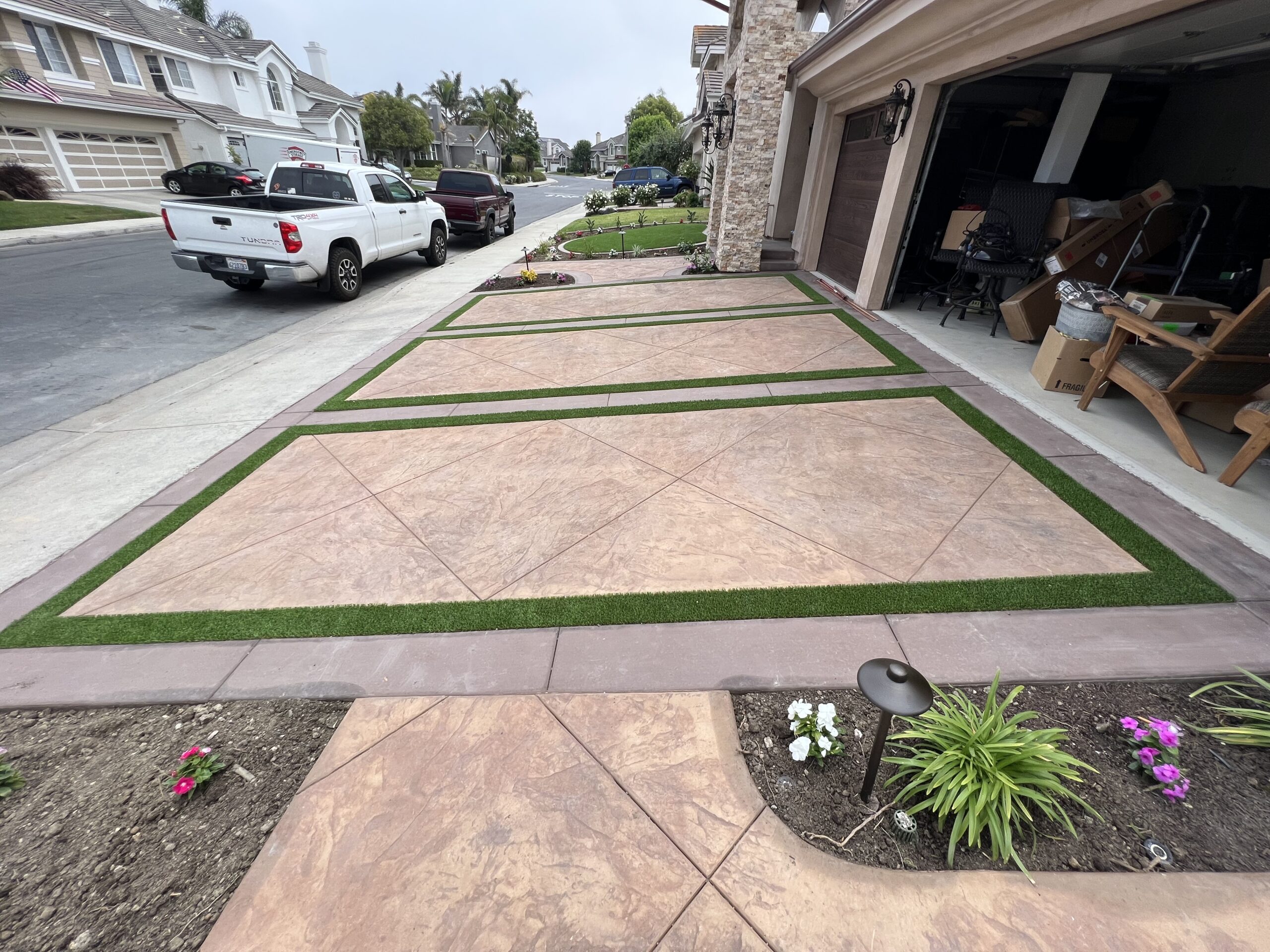
Stamped concrete mimics stone, brick, or tile patterns at a lower cost than actual materials. Colored concrete creates custom appearances matching home exteriors. Exposed aggregate finishes offer texture and visual interest while providing slip resistance. Paver borders frame concrete or asphalt centres, adding dimension and elegance. Decorative options increase initial cost by 20-50% but significantly boost property value and buyer appeal.
Strategic planning reduces costs and ensures quality results. Understanding price factors and optimal timing helps homeowners make informed decisions.
Demolition and disposal typically represent 15-20% of project cost. Base work—excavation, grading, compaction—determines long-term stability and affects 25-30% of the budget. Material costs vary widely by selection. Access challenges increase labour costs when equipment cannot reach work areas easily. Soil conditions requiring extra base depth or stabilization add significant expense. Obtain detailed estimates specifying each cost component rather than lump-sum pricing.
Winter and spring offer moderate temperatures ideal for concrete curing. Contractors experience lower demand, providing better availability and potentially better pricing. Cooler weather allows longer working hours without heat stress. Spring installation allows full curing before summer heat arrives. Avoid summer installations when extreme temperatures stress fresh concrete and accelerate moisture loss during curing.
Phase projects by completing demolition and base work first, then scheduling surface installation later. This spreads expenses across budget periods. Combine driveway replacement with related projects—new walkways, patio extensions, or landscape renovations. Contractors offer better pricing for larger combined projects. Coordinate with neighbours for volume discounts when multiple properties need work simultaneously.
Understanding the replacement process helps homeowners recognise quality work and identify potential shortcuts contractors might take. Each phase serves specific purposes critical to long-term performance. Skipping steps or rushing processes causes premature failure regardless of surface material quality. Proper execution takes time—rushed installations create problems that appear months or years later. Educating yourself about the process enables informed conversations with contractors and helps evaluate whether their approach meets professional standards.
Professional contractors assess drainage patterns, soil type, slope, and access before starting work. They identify underground utilities—gas lines, water mains, electrical conduits, irrigation systems—and obtain location markings from utility companies. Site evaluation determines base depth requirements based on soil bearing capacity and expected loads. Contractors examine adjacent structures for potential impact from excavation or vibration. They identify tree roots, irrigation lines, and underground obstacles that affect installation. They measure accurately to provide precise material quantities and waste estimates. Quality contractors photograph existing conditions from multiple angles and document pre-existing damage to nearby structures, protecting both parties from false claims. They discuss drainage solutions, material options, and installation methods specific to site conditions.
Removal breaks up existing concrete or asphalt and hauls debris away. Proper disposal follows local regulations. Excavation extends below the damaged base to stable soil. Contractors grade for proper drainage slope—minimum 2% away from structures. Sub-base installation uses crushed aggregate in 4-6 inch lifts, compacting each layer to 95% density. Proper compaction prevents future settlement. Edge forms establish final dimensions and contain concrete during placement.
Rebar or wire mesh reinforcement distributes loads and controls cracking. Contractors position reinforcement at the proper height within the concrete thickness—typically the upper third of the slab. Control joints create intentional weak points where cracking occurs in straight lines rather than randomly. Joint spacing follows engineering standards based on slab thickness. Forms establish proper elevation and edge profiles. Quality contractors use adequate stakes and bracing to prevent form movement during concrete placement.
Concrete placement requires proper mixing, timely placement, and thorough consolidation. Contractors finish surfaces to the specified texture and slope. Curing compounds or wet curing maintain moisture for strength development. Concrete requires seven days minimum cure time before vehicle traffic. Asphalt installation demands proper temperature during placement and immediate compaction. The base must be dry and properly prepared. Pavers require edge restraint, proper base preparation, and joint sand installation. Each material follows specific installation protocols critical for long-term performance.
Contractor selection determines project success. Verify credentials and experience before signing contracts.
Confirm the California contractor license number and verify active status through the CSLB website. Require proof of general liability insurance with a minimum $1 million coverage. Request workers' compensation insurance documentation. Ask for references from Orange County projects completed within the past year. Verify contractor understands local building codes and permitting requirements. Check online reviews across multiple platforms for consistent quality feedback.
Request itemized estimates breaking down demolition, base work, materials, labour, and disposal separately. Compare base depth specifications—inadequate base causes premature failure. Verifythat material quality specifications match between bids. The lowest price often indicates shortcuts in base preparation or material quality. Ensure estimates include required permits and inspection fees. Ask contractors to explain the differences between their approach and competitors' proposals.
Quality contractors offer a minimum one-year workmanship warranty. Material manufacturers provide separate warranties—concrete typically none, pavers often 25+ years. Written warranties should specify coverage scope and claim procedures. Understand warranty exclusions—most don't cover damage from settling, tree roots, or improper drainage. Verify warranty transfers to new owners if selling property. Get warranty terms in writing before signing contracts.
Combining multiple indicators confirms replacement necessity. Timely action prevents further damage and protects property value.
Alligator cracking affecting more than 30% of the surface area requires replacement. Settlement or heaving creating height differences exceeding one inch demands reconstruction. Widespread edge deterioration or multiple large potholes indicate structural failure. Persistent drainage problems despite repair attempts reveal base issues. Driveways approaching 20-25 years of age with multiple moderate problems should be replaced rather than repaired. When repair estimates exceed 50% of replacement cost, choose replacement.
Well-designed driveways increase home value by 15-20% through improved curb appeal and functionality. Replacement eliminates liability concerns from tripping hazards and unsafe conditions. New driveways improve drainage, protecting foundations from water damage. Modern materials offer better performance and lower maintenance than old installations. Replacement before listing the property for sale delivers a better return than after-purchase buyer credits. Quality driveways create positive first impressions that influence buyer decisions significantly.
Schedule evaluations when noticing multiple warning signs—cracking, settlement, drainage problems. Plan consultations in fall or winter for spring installation timing. Early evaluation allows budget planning and contractor selection before urgent replacement becomes necessary. Obtain multiple professional opinions when uncertain whether repair or replacement makes sense. Address problems before emergency situations require rushed decisions and premium pricing.
Driveway replacement represents a significant investment in your property's value, safety, and curb appeal. From recognising early warning signs to selecting materials that withstand Orange County's unique climate challenges, professional guidance ensures successful outcomes. The right contractor delivers quality installation that lasts decades while avoiding common pitfalls that cause premature failure.
Signature Landscape specializes in complete driveway replacement throughout Orange County. Our team evaluates site conditions thoroughly, prepares bases to engineering standards, and installs quality materials designed for local climate demands. We handle permitting, manage timelines efficiently, and stand behind our work with comprehensive warranties. Contact Signature Landscape today for a professional driveway evaluation and discover how expert replacement protects your investment and enhances your home's value.
 Signature Landscape
Schedule A Consultation