Call our Professional Contractors!
(949) 859-9969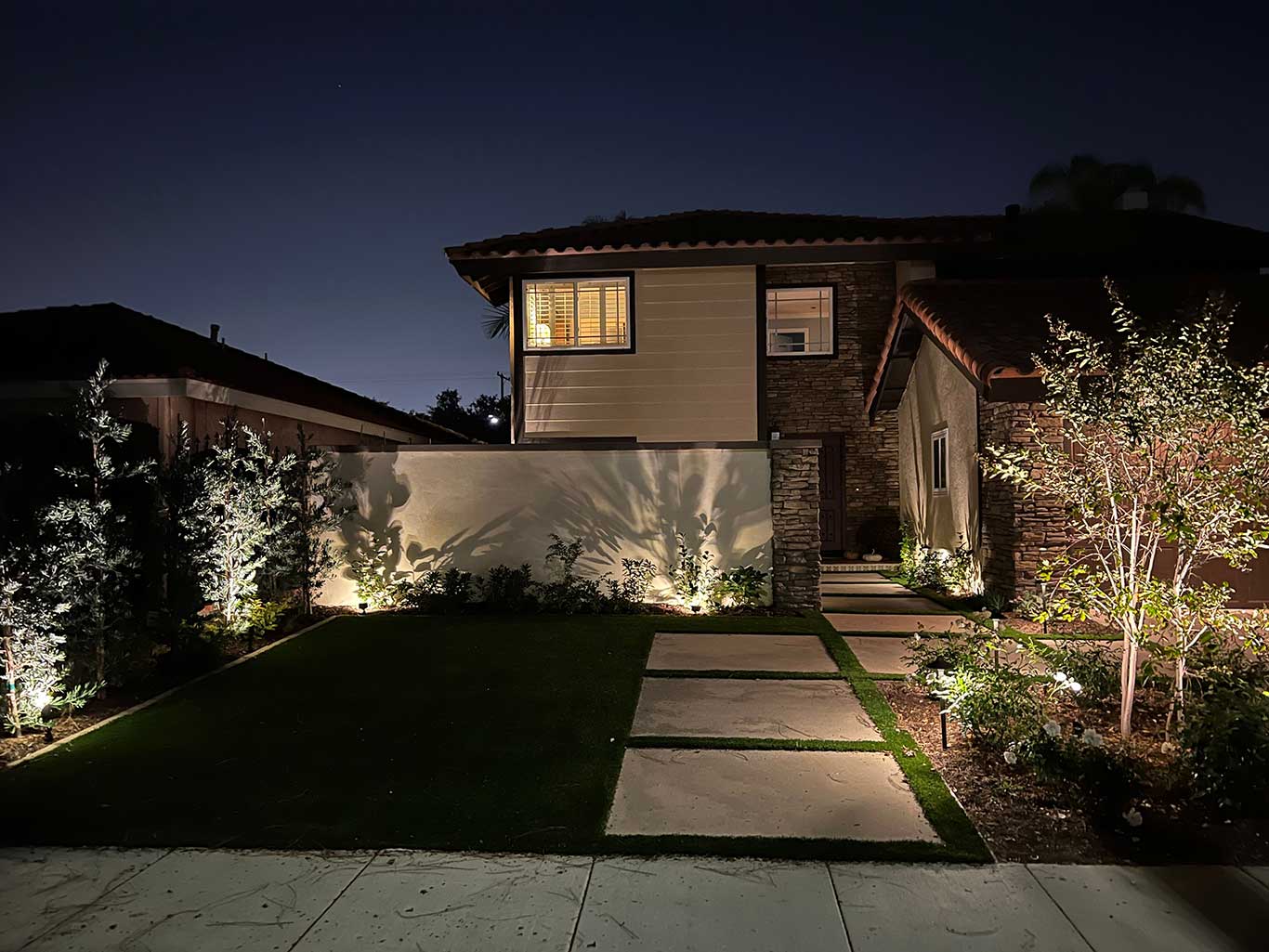
Key Takeaways:
First impressions matter when hosting guests. A well-maintained landscape sets the stage for successful entertaining, creating inviting spaces that encourage outdoor gathering. Pre-event cleanup transforms yards from basic maintenance status to guest-ready condition.
Yard cleanup plays a significant role in preparing outdoor spaces for hosting guests. Strategic cleanup addresses both aesthetics and functionality, ensuring properties look attractive while providing safe, comfortable environments. Proper preparation eliminates last-minute stress and allows hosts to focus on their events rather than yard emergencies.
Entertainment-focused cleanup goes beyond routine maintenance. Understanding the scope and purpose helps homeowners plan effectively and allocate resources appropriately.
Event preparation targets visible areas guests will see and use. Regular maintenance maintains plant health and property function. Pre-event cleanup emphasizes presentation, safety, and creating polished environments that impress visitors.
Priorities shift toward high-impact visual improvements. Areas guests frequent receive extra attention. The timeline compresses—everything must be complete before the first arrival. Results need to last through the entire entertaining period, not just the next mowing cycle.
Overgrown plants blocking pathways create immediate negative impressions. Weeds, dead foliage, and debris signal neglect. Dirty hardscape, cluttered spaces, and unsafe conditions reduce guest comfort and host confidence.
Functionality issues include inadequate seating areas, obstructed access, and poor lighting. Guests need clear pathways, stable surfaces, and clean gathering zones. Visual appeal draws people outdoors; functional spaces keep them comfortable and safe.
Layout determines traffic patterns and focal points. Properties with defined entertainment zones concentrate cleanup efforts on specific areas. Open-plan yards require broader attention across larger spaces.
Central gathering areas need the highest-priority attention. Transition zones between spaces require a clear definition. Underutilized areas that guests might wander into need basic tidying, even if not primary venues. Layout assessment reveals which zones demand deep cleaning versus light touch-ups.
Pre-event landscape preparation delivers multiple benefits beyond aesthetics. Understanding these advantages helps justify time and budget investments.
Guests form opinions within seconds of arrival. Clean, well-maintained yards create inviting atmospheres that enhance overall guest experiences. Curb appeal sets positive tones before guests enter homes.
Fresh edging, trimmed plants, and debris-free surfaces demonstrate care and attention. These details signal that hosts value their properties and their guests. Strong first impressions carry through entire events, influencing how guests perceive everything that follows.
Clean spaces reduce hosting friction. Guests move freely without navigating obstacles. Clear pathways prevent confusion about where to go. Organized outdoor areas make setup and service easier for hosts.
Comfort increases when spaces feel intentional and cared for. Guests relax in clean environments. Well-maintained areas encourage longer outdoor stays. The overall flow improves when landscape elements support rather than hinder entertaining activities.
Proactive yard cleanup alleviates last-minute stress and prevents rushed preparations. Starting early allows methodical work without panic. Problems discovered during cleanup can be addressed properly rather than hastily covered.
Early work spreads effort across manageable time blocks. Weather delays don't become crises when buffer time exists. Hosts can focus on food, décor, and logistics, knowing the outdoor foundation is solid. Confidence increases when landscape preparation is complete well before guest arrivals.
Strategic prioritization ensures efficient resource allocation. Not all areas require equal attention—focus delivers better results than scattered efforts.
Front yards create crucial first impressions. Mow, edge, and clear all visible lawn areas. Remove weeds from beds and hardscape. Trim entry plantings to frame doorways without crowding.
Sweep walkways, porches, and entry zones thoroughly. Clean or replace welcome mats. Address any obvious issues like broken pavers or dead plants near the entrance. The path from street to door should feel welcoming and well-maintained.
These spaces receive the most guest use and scrutiny. Deep clean all hardscapes—pressure washing works for most surfaces. Remove stains, dirt, and organic buildup. Verify levelness and stability.
Clear furniture staging areas completely before cleaning. Reset furniture in optimal arrangements after cleaning. Check that pathways between gathering zones flow logically. Main entertainment areas should appear freshly prepared and intentionally arranged.
Side yards often become impromptu pathways or overflow areas. Basic cleanup prevents embarrassment if guests wander. Remove clutter, debris, and equipment. Trim back overgrowth encroaching on paths.
Utility areas visible from main spaces need tidying even if not destination zones. Gate access points to discourage wandering if appropriate. Ensure paths guests might use are clear, safe, and reasonably presentable. These secondary areas don't need perfection, but shouldn't appear neglected.
Safety considerations protect guests and hosts from liability and disruption. Comfort elements encourage guests to use and enjoy outdoor spaces.
Clearing walkways, trimming overgrown plants, and removing debris minimizes tripping hazards and creates safer pathways for guests. Inspect all walking surfaces for cracks, heaves, or loose pavers. Flag or repair immediately.
Remove hoses, tools, and equipment from entertainment zones. Secure loose edging or borders. Verify steps are stable with visible edges. Consider temporary marking for subtle grade changes guests might miss. Safety investments prevent injuries and the resulting complications.
Start with obvious debris—leaves, branches, trash, and organic litter. Remove everything that doesn't belong. Store or relocate items that serve purposes but clutter visual spaces.
Cut back overgrown plants encroaching on pathways or gathering areas. Thinning rather than removing often suffices. Clear sightlines between key areas. The goal is an intentional, organized appearance rather than a wild or chaotic presentation.
Low-hanging branches force ducking or create head-strike hazards. Trim to a 7-foot minimum clearance on pathways. Remove dead branches that might fall. Address wasp nests, ant hills, or other pest issues near entertainment zones.
Spider webs across pathways annoy guests, even if harmless. Clear these just before events. Consider pest control treatments days before gatherings if problems exist. Obstructed paths create confusion and potential accidents—guests shouldn't wonder where they can safely walk.
Plant maintenance directly impacts property appearance. Well-groomed vegetation signals care and creates attractive backdrops for entertaining.
Trimming shrubs, pruning trees, and edging flower beds give yards a polished, manicured look. Focus on shape and proportion—plants should appear intentionally maintained rather than wild or overgrown.
Remove damaged or diseased growth. Shape hedges uniformly. Prune flowering plants according to their specific requirements and timing. Edge beds cleanly to define boundaries. The goal is a crisp, deliberate appearance that frames rather than overwhelms outdoor spaces.
Mow lawns 2-3 days before events—fresh-cut appearance without loose clippings. Ensure consistent height across visible areas. Address bare or dead patches with seed or sod if time permits; otherwise, minimize visibility.
Artificial turf needs brushing to restore blade orientation and remove debris. Clean any stains or soiled areas. Check infill levels and redistribute if needed. Both natural and synthetic turf should appear uniform and well-maintained.
Removing dead leaves, branches, and weeds prevents clutter and allows landscapes to look their best. Deadhead spent flowers for a cleaner appearance. Pull or hide obviously dead or dying plants—remove entirely or camouflage with strategic placement.
Seasonal color additions provide instant impact. Fresh annuals in key locations brighten spaces. Consider temporary potted plants for high-visibility areas if permanent plantings look tired. Quick refreshes create "just planted" appeal without full landscape renovation.
Clean hardscapes provide a foundation for successful outdoor entertaining. These surfaces see heavy use and show dirt easily.
Pressure washing removes embedded dirt, stains, and organic growth. Use appropriate pressure settings—1,500-2,000 PSI for most pavers, lower for softer materials. Work systematically to avoid streaking.
For stubborn stains, pre-treat with appropriate cleaners. Allow surfaces to dry completely before events. Consider sealing after cleaning for enhanced appearance and easier future maintenance. Clean hardscapes dramatically improve overall property presentation.
Arrange seating in conversation groups rather than linear rows. Position chairs and sofas to encourage interaction. Ensure adequate circulation space—minimum 3 feet between furniture groupings.
Place tables within easy reach of seating. Orient furniture to take advantage of views, shade, or focal features. Test arrangements before events—sit in various positions to verify comfort and sightlines. Intentional furniture placement improves guest experience significantly.
Deep clean all cooking surfaces, grills, and equipment. Remove grease, food residue, and carbon buildup. Test ignition and fuel systems. Verify all accessories and tools are present and functional.
Clean countertops, sinks, and storage areas thoroughly. Stock necessary supplies—propane, charcoal, utensils. Organize for efficient access during cooking. Clean appearance and reliable function prevent mid-event problems and embarrassment.
Lighting and features enhance ambiance and functionality. Proper preparation ensures these elements perform when needed.
Test all lighting systems well before events. Replace burned-out bulbs. Clean fixtures and lenses for maximum brightness. Adjust timers and photocells to activate at appropriate times.
Verify pathway lighting creates safe navigation. Accent lighting should highlight attractive features. Ambient lighting provides overall illumination without harsh glare. Consider supplemental temporary lighting for special events if permanent systems lack adequate coverage.
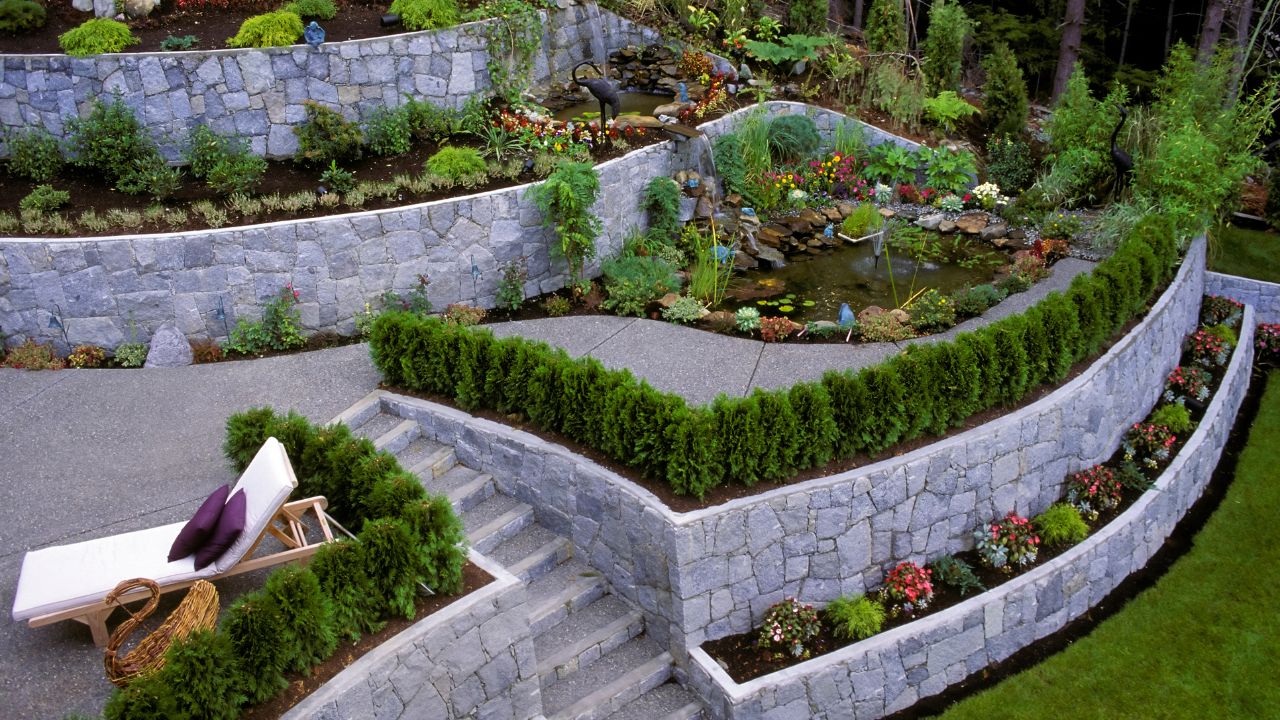
Run water features to verify proper operation. Clean filters, pumps, and basins. Remove debris and algae. Check water levels and clarity. Silent or poorly functioning features detract rather than enhance.
Test fire pits and fireplaces before events. Remove ash and debris. Verify gas connections and ignition systems. Stock firewood if wood-burning. Clean decorative elements—statuary, planters, architectural features. These details complete the polished presentation.
Strategic décor creates memorable atmospheres. Add outdoor pillows, throws, or cushions in coordinating colors. Place fresh flowers or plants in key locations. Candles or lanterns provide warm lighting and visual interest.
Seasonal decorations reflect current occasions without overdoing it. Clean, simple additions feel intentional. Avoid clutter—each piece should enhance rather than complicate. Décor bridges the gap between clean maintenance and special event presentation.
Systematic planning ensures comprehensive preparation without overlooking critical tasks. An organization prevents inefficient work and missed details.
Walk the entire property from the guest's perspective. Note everything requiring attention. Photograph problem areas for reference. Create written lists organized by location and task type.
Prioritize based on guest visibility and safety impact. Identify tasks requiring professional help versus DIY capability. Estimate time requirements for each task. This assessment forms the foundation for effective planning.
Quick wins include mowing, basic debris removal, and surface cleaning—tasks completable in hours. Weekend projects involve extensive trimming, bed maintenance, or furniture rearranging—multi-hour efforts requiring more planning.
Pro-level items include tree work, irrigation repairs, major hardscape cleaning, or complex installations. These require expertise, equipment, or safety considerations beyond typical homeowner capabilities. Proper categorization ensures realistic scheduling.
Work backward from the event date. Schedule professional work first—contractors need lead time. Complete structural or messy tasks early. Save detailed work and final touches for days immediately before events.
Build in buffer time for weather delays or unexpected issues. Create week-by-week milestone targets. The timeline should feel achievable rather than overwhelming. Adjust the scope if deadlines become unrealistic.
Professional yard cleanup services ensure thorough preparation and allow homeowners to focus on other aspects of event planning. Bring in professionals when tasks exceed time, ability, or equipment availability. Complex projects benefit from expert execution.
Schedule professionals 2-4 weeks before events for major work. Last-minute bookings may face availability issues. Professionals complete in hours what might take homeowners days. The investment often justifies itself through superior results and freed-up personal time.
Timing affects both results and stress levels. Proper scheduling ensures readiness without rushed work or premature completion that requires redoing.
Start major cleanup 3-4 weeks before events. This timeframe allows methodical work without pressure. Professional services can be scheduled. Plants recover from pruning before guests arrive.
Final detail work happens the week before events. Last-minute touch-ups occur 1-2 days prior. This staged approach maintains momentum while preventing burnout. Early starts accommodate unexpected complications without derailing event timelines.
Orange County's generally favorable weather simplifies scheduling, but occasional rain requires flexibility. Avoid scheduling outdoor work during forecasted rain. Allow drying time after unexpected wet weather before completing tasks.
Seasonal considerations matter for plant work—major pruning respects plant biology. Cool-season cleanup differs from warm-season preparation. Time fertilization, planting, and pruning to align with natural cycles while still meeting event deadlines.
Properties hosting multiple events throughout the season benefit from mid-season refreshes. Schedule maintenance between major events to restore pristine conditions. Focus on high-impact, quick tasks rather than comprehensive overhauls.
Touch-ups maintain momentum and prevent complete re-dos. Weekly or bi-weekly maintenance during active entertaining seasons keeps properties perpetually guest-ready. This approach costs less and stresses less than repeated full cleanups.
Realistic budgeting prevents surprises and incomplete work. Understanding cost drivers helps optimize spending.
Larger properties require proportionally more time and resources. Complex landscapes with extensive planting, multiple entertainment zones, or elaborate features demand more attention than simple yards.
Water features, outdoor kitchens, and extensive hardscaping add maintenance requirements. Each feature type brings specific tasks. Assess total property scope honestly to estimate realistic budgets and timelines.
Focus on guest-visible areas first. Front yards and main gathering zones deliver maximum return. Secondary areas receive basic attention only if the budget allows.
Safety tasks never get cut—liability matters more than aesthetics. After safety, prioritize what guests will see most. Elaborate tasks in hidden areas offer poor value. Strategic prioritization stretches limited budgets effectively.
Regular maintenance throughout the year reduces the need for extensive pre-event cleanup and keeps outdoor spaces ready for spontaneous gatherings. Consistent upkeep prevents overwhelming catch-up work. Small, regular investments cost less than emergency overhauls.
Weekly or monthly maintenance maintains the baseline condition. Pre-event work becomes polish rather than rescue. Properties on regular maintenance schedules always sit close to guest-ready status, reducing stress and cost when entertaining.
Knowing personal limits prevents poor results and safety issues. Some tasks suit a homeowner's abilities while others demand professional expertise.
Most homeowners can mow, edge, and perform basic weeding. Light pruning of shrubs and perennials suits DIY capability. Surface cleaning with garden hoses or rented pressure washers works for basic applications.
Debris removal, furniture rearranging, and basic bed maintenance require minimal skill. These tasks consume time but don't demand expertise. Homeowners save money handling routine cleanup personally while reserving budgets for complex work.
Tree work over 10 feet high requires professional equipment and safety training. Irrigation system maintenance is crucial for preparing outdoor spaces for the entertaining season. Proper irrigation ensures lawns and gardens remain healthy and vibrant. Well-maintained irrigation systems prevent dry patches, overgrowth, or waterlogged areas that affect presentation.
Complex hardscape restoration, major grading work, or pest control often needs professionals. Specialized equipment like commercial pressure washers delivers superior results. Licensed contractors handle regulated work, meeting code requirements. Safety and quality justify professional investment for complex tasks.
Seasonal contracts provide regular professional attention. Properties receive consistent care, maintaining baseline conditions. Professionals catch and address issues before they become visible problems.
Regular service intervals adapt to seasonal needs. Spring preparation, summer maintenance, fall cleanup, and winter care keep properties perpetually presentable. This ongoing investment eliminates pre-event panic and ensures properties always sit close to guest-ready status.
Contractor selection impacts results, costs, and stress levels. The right partner delivers quality work on schedule.
Look for contractors specializing in maintenance and cleanup rather than just installation. Review portfolios showing before-and-after cleanup projects. Verify they offer comprehensive services—plant care, hardscape cleaning, irrigation, and detail work.
Licensed and insured contractors protect homeowners. Verify active licenses and adequate insurance coverage. Experience with properties similar to yours indicates relevant expertise. Cleanup specialists understand the difference between maintenance and event preparation.
Ask about typical project timelines and scheduling flexibility. Discuss specific scope requirements and verify they handle all needed tasks. Inquire about emergency service availability for last-minute issues.
Explore maintenance program options for ongoing support. Understand pricing structures—per-visit, monthly, or project-based. Clarify what's included and what costs extra. Communication expectations matter—establish how updates and issues get handled.
Online reviews reveal customer satisfaction patterns. Look for comments about reliability, quality, and communication. Portfolio photos demonstrate capability and style alignment with your preferences.
Request references from past cleanup projects, specifically pre-event work. Contact references asking about timeliness, thoroughness, and professionalism. Past performance predicts future results better than promises. Choose contractors with proven track records in event preparation.
Landscape cleanup transforms properties from everyday conditions to impressive entertaining venues. Strategic preparation addresses safety, aesthetics, and functionality, creating spaces where guests feel welcome and comfortable. Early planning and professional support eliminate stress while ensuring outstanding results.
Signature Landscape specializes in comprehensive cleanup and maintenance services, preparing Orange County properties for the entertaining season. Our team handles everything from basic maintenance to complete pre-event transformations. Contact Signature Landscape today to ensure your property is perfectly prepared for your next gathering.
Schedule A Consultation