Call our Professional Contractors!
(949) 859-9969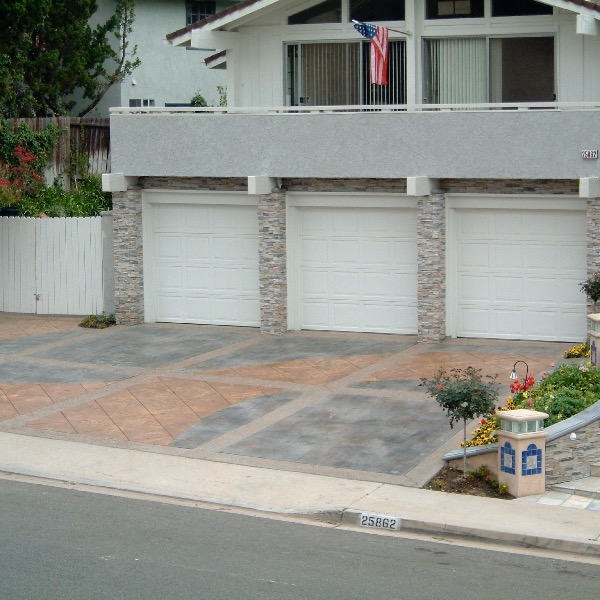
Key Takeaways:
Orange County driveways face unique challenges from climate, traffic, and age. Knowing when repair becomes inadequate and replacement is necessary protects property value and safety. Visible damage, structural failures, and material degradation signal when full replacement proves more cost-effective than continued patching.
This guide identifies replacement indicators, material options, and decision-making criteria specific to Orange County conditions, ensuring informed driveway investment decisions.
Driveway replacement involves complete removal and reconstruction versus surface repairs. Understanding replacement benefits, material lifespans, and local requirements guides appropriate timing and investment decisions.
Curb appeal enhancements can increase home value by up to 7%. Driveways provide essential vehicle access, parking, and pedestrian pathways. Damaged surfaces create trip hazards, vehicle damage risks, and liability concerns. First impressions matter—deteriorating driveways diminish property appearance and marketability. Functional driveways support daily routines without safety compromises. Well-maintained installations signal overall property care attracting buyers and maintaining neighborhood standards.
Asphalt driveways in Orange County typically last 15-20 years. Concrete driveways last 25-30 years. Concrete pavers last 25-50 years. Porcelain pavers last 25-50 years. Orange County's climate can reduce an unsealed concrete driveway's lifespan by as much as 33%. High UV exposure, heat cycles, and coastal salt air accelerate material breakdown. Proper sealing and maintenance extend lifespans but cannot overcome fundamental material limitations. Age alone doesn't dictate replacement—condition matters more—but driveways approaching expected lifespans warrant careful evaluation.
HOA architectural guidelines often restrict materials, colors, and designs, maintaining community aesthetics. Some associations require approval before starting work. Local grading regulations ensure proper drainage away from foundations and neighboring properties. Permit requirements vary by jurisdiction—check with Orange County building departments. Neighborhood character influences material selection—matching surrounding homes maintains property values. Verify restrictions early preventing project delays or costly modifications. Professional contractors familiar with local requirements navigate approval processes efficiently.
Surface deterioration provides earliest replacement indicators. Distinguishing between cosmetic issues and structural problems determines appropriate response.
Cracks wider than 1/8 inch are the primary indicator of structural failure suggesting compromised sub-base. When more than 25% of a driveway's surface is spalled, pitted, or crumbling, replacement is typically more cost-effective than extensive repairs. Small surface cracks remain cosmetic—larger cracks indicate sub-base movement or failure. Potholes form when water infiltrates cracks, freezes, expands, and dislodges material. Surface flaking (spalling) results from freeze-thaw cycles or poor concrete quality. Multiple widespread problems signal systemic failure requiring full replacement. Isolated damage may justify targeted repairs if caught early.
Uneven surfaces with a height difference of more than 2 inches are a safety hazard and clear sign of sub-base failure. Sinking occurs when soil beneath the driveway compacts or washes away. Lifting happens from tree roots, soil expansion, or frost heave. Uneven surfaces create trip hazards for pedestrians and scrape low-clearance vehicles. Water pools in depressions accelerating deterioration. Height differences exceeding one inch warrant attention—two inches demands immediate action. Sub-base problems causing settlement cannot be fixed without complete reconstruction addressing foundational issues.
Frequent repairs indicate progressive deterioration beyond single-point failures. Patching addresses symptoms without solving underlying causes. Mismatched repairs create unsightly patchwork appearance reducing curb appeal. Repair costs accumulate—multiple patches often exceed replacement costs. Each repair disturbs surrounding material potentially accelerating adjacent failures. When repair frequency increases or patches fail quickly, fundamental problems exist. Full replacement provides fresh start with proper base preparation, drainage, and modern materials eliminating chronic maintenance cycles.
Hidden structural failures prove more serious than surface damage. Subsurface deterioration requires complete reconstruction.
The sub-base provides a load-bearing foundation for surface material. Inadequate base thickness or poor compaction causes settling and cracking. Improper drainage allows water infiltration undermining base integrity. Soil movement from expansion, contraction, or erosion shifts driveway sections. Clay soils expand when wet, contract when dry, creating repeated stress. Base failures cannot be corrected without removal and proper reconstruction. Band-aid surface repairs fail quickly when the foundation remains compromised. Professional evaluation determines whether base problems exist requiring full replacement.
Soft or spongy areas indicate void spaces beneath the surface where the base material has washed away or deteriorated. Walking or driving over soft spots may reveal a depression or a bouncy feeling. Crumbling edges show material degradation from water infiltration and lack of support. Edge deterioration often leads to drainage problems, allowing water to work underneath. These symptoms indicate advanced deterioration where surface material has separated from the base or the base has failed. Attempting surface repairs over voids or compromised base proves futile—weight and water continue causing failures. Complete removal and base reconstruction become necessary.
Water pooling on the driveway or draining towards the home's foundation is a serious issue leading to soil erosion, foundation damage, and further driveway deterioration. Pooling indicates improper slope or settlement creating low spots. Standing water accelerates freeze-thaw damage and material breakdown. Staining from standing water suggests prolonged drainage problems. Erosion along edges or beneath the surface undermines structural support. Water flowing toward the foundation threatens the home's structural integrity—a critical issue requiring correction. Regrading during replacement corrects the slope ensuring proper drainage. Existing driveways with major drainage problems cannot be salvaged—topography must be corrected requiring full reconstruction.
Orange County's Mediterranean climate creates specific deterioration patterns. Understanding regional factors guides material selection and maintenance.
Intense UV radiation degrades asphalt binders causing surface oxidation and brittleness. Heat cycles expand materials during the day, contract at night, creating stress. Temperature differentials between surface and base cause internal tension and cracking. Coastal salt air penetrates concrete and asphalt accelerating reinforcement corrosion and surface scaling. Unsealed concrete absorbs moisture and salts particularly vulnerable in coastal areas. Heat softens asphalt making it susceptible to tire tracking and deformation. UV and heat prove especially damaging to unsealed or poorly sealed surfaces. Regular sealing provides protection but cannot prevent eventual degradation.
Expansive clay soils common in Orange County swell with moisture, shrink when dry. Repeated expansion-contraction cycles create heaving and settlement. Slope pressure on driveways built on hillsides causes downhill creep and cracking. Tree roots seeking water infiltrate beneath driveways lifting and cracking surfaces. Root growth exerts tremendous pressure breaking through concrete and asphalt. Removing trees doesn't solve the problem—roots remain and continue affecting stability. Proper base design includes measures managing soil movement and root barriers. Existing driveways experiencing these problems require replacement with enhanced base preparation addressing specific soil and slope challenges.
Coastal properties face salt air corrosion and higher humidity accelerating material breakdown. Marine layer moisture promotes algae and mildew growth on surfaces. Inland areas experience greater temperature extremes causing more expansion-contraction stress. Hillside locations deal with slope pressure, erosion, and drainage challenges. Canyon areas see greater temperature swings and wind exposure. Each microclimate demands specific material selections and maintenance approaches. Coastal homeowners benefit from sealed concrete or pavers resisting salt penetration. Inland properties may prefer materials handling temperature extremes. Hillside installations require superior drainage and base engineering. Understanding your microclimate guides appropriate material and design choices.
Distinguishing between surface and structural problems prevents over-spending on unnecessary replacement or under-investing in critical repairs.
Surface cracks less than 1/8 inch wide and shallow depth remain cosmetic. Structural cracks exceed 1/8 inch, run deep, or show vertical displacement. Hairline cracks in concrete often result from shrinkage during curing—not structural concerns. Pattern cracking (alligator or map cracking) indicates sub-base failure requiring replacement. Single long cracks may result from thermal expansion—potentially repairable. Multiple interconnected cracks signal systemic problems. Insert putty knife or screwdriver into crack—if it penetrates more than 1 inch, structural concerns exist. Water tests reveal problems—pool water on the surface and watch drainage. Water disappearing through cracks indicates base infiltration requiring attention.
Resurfacing applies a new layer over existing surfaces, addressing cosmetic issues without fixing base problems. Works well for surfaces with minor wear but solid foundations. Fails quickly when underlying cracks, settling, or drainage issues exist. Asphalt overlay adds 1-2 inches providing fresh surface for 5-10 years if base remains sound. Concrete resurfacing applies thin bonded topping improving appearance temporarily. Both approaches prove cost-effective for surfaces with minimal damage and good foundations. When significant cracking, settlement, or drainage problems exist, resurfacing wastes money—problems return quickly. Professional assessment determines whether base condition supports resurfacing or demands full replacement.
Experienced contractors assess surface and subsurface conditions using visual inspection and diagnostic techniques. Core sampling reveals base thickness and condition. Probing identifies soft spots and voids beneath the surface. Drainage evaluation determines water flow patterns and problem areas. Professionals recognize damage patterns indicating specific failure modes. Written assessment documents findings with repair versus replacement recommendations. Multiple opinions provide perspective—consultations typically cost $100-300 but prevent costly mistakes. Professional evaluation is particularly valuable when damage severity remains unclear or when contemplating major investment. Expert guidance ensures appropriate solutions matching actual conditions rather than guessing based on visible symptoms alone.
Systematic evaluation weighs costs, longevity, and practical considerations determining optimal approach.
Photograph all visible damage from multiple angles with close-ups of specific problems. Measure crack widths, lengths, and depths recording dimensions. Note locations of settling, lifting, or drainage issues on property sketches. Document repair history including dates, costs, and what was done. List functional problems like water pooling or trip hazards. Compile documentation providing contractors with a complete picture for accurate estimates. Detailed records enable fair comparison between repair and replacement proposals. Documentation is also useful for insurance claims or property sales. Update records annually tracking deterioration progression helping predict when replacement becomes necessary versus continuing repairs.
Driveways exceed typical lifespans (asphalt 15-20 years, concrete 25-30 years) often at the end of functional life. Calculate age from installation date—original construction records or county permits provide information. Consider maintenance history—well-maintained driveways last longer. Evaluate current condition against age—premature failure suggests installation problems or unusual stress. Estimate remaining useful life based on deterioration rate. If the driveway shows significant damage at or near expected lifespan, replacement makes sense. If damage appears early in lifespan, quality issues or external factors may require investigation before replacement. When more than half lifespan is consumed and moderate damage exists, replacement timing becomes a strategic decision balancing immediate costs against anticipated future repairs.
While upfront replacement cost is high, it can be more cost-effective long-term than a series of expensive repairs, eliminating ongoing maintenance costs of deteriorating driveway. Budget constraints may favor a phased approach—repair now, replace later—if condition permits delay. Timing considerations include weather, contractor availability, and personal schedules. Summer and fall offer the best installation conditions in Orange County. Usage requirements matter—heavy vehicles accelerate deterioration requiring more durable materials. Temporary repairs suffice if selling homes soon—buyers may prefer choosing their own materials. Long-term residents benefit from replacement investment. Balance immediate financial impact against long-term value and peace of mind. Replacement provides a fresh start with warranty protection and decades of reliable service.
Material selection balances durability, aesthetics, maintenance, and budget. Orange County's climate favors specific options.
Stamped concrete and pavers are premier choices for Orange County, offering superior durability, aesthetic versatility, and climate suitability. Material climate suitability rankings: Stamped concrete (Excellent), Plain concrete (Good), Asphalt (Fair), Concrete pavers (Excellent), Porcelain pavers (Excellent), Gravel (Fair). Concrete provides a solid, long-lasting surface with various finish options. Asphalt offers a traditional appearance and easier repairs but requires more maintenance and performs poorly in heat. Pavers allow unlimited design possibilities with individual unit replacement capability. Each material suits different aesthetic preferences and functional requirements. Climate compatibility proves crucial—materials rated "excellent" for Orange County withstand local conditions best.
Stamped concrete costs $7-$12 per square foot with 25-40 year lifespan and excellent OC climate suitability. Plain concrete costs $5-$7 per square foot with 25-40 year lifespan and good OC climate suitability. Asphalt costs $6-$9 per square foot with 15-20 year lifespan and fair OC climate suitability. Concrete pavers cost $15-$18 per square foot with 25-50 year lifespan and excellent OC climate suitability. Porcelain pavers cost $20-$35 per square foot with 25-50 year lifespan and excellent OC climate suitability. Gravel costs $0.40-$2 per square foot with 100+ year lifespan and fair OC climate suitability. A new paver driveway can yield ROI of up to 150%, adding significant property value. Initial cost represents only one factor—calculate cost per year of service for true comparison. Pavers and porcelain cost most upfront but deliver exceptional longevity and aesthetics. Concrete offers good value balancing cost and durability. Asphalt proves least expensive initially but shortest lifespan and highest maintenance.
Popularity of stamped concrete driveways has increased by over 50% since 2020. Stamped patterns mimic natural stone, brick, or tile at a fraction of actual material costs. Color treatments customize appearance matching or complementing home exterior. Exposed aggregate finishes provide texture and visual interest. Decorative borders and edging define spaces and add sophistication. Staining creates variegated colors impossible with standard concrete. Pavers offer unlimited pattern possibilities from simple to intricate designs. Contrasting colors highlight entryways or borders. Premium finishes increase initial costs but deliver substantial curb appeal returns. Decorative options transform utilitarian driveway into landscape feature enhancing overall property appearance and value.
Proper preparation minimizes disruptions and ensures smooth project execution.
Arrange alternative parking for household vehicles during construction—street parking, neighbor cooperation, or nearby lots. Clear garage ensuring vehicles can exit before work blocks access. Plan delivery timing avoiding construction period or coordinating with contractors. Establish household routines accommodating limited access—groceries, deliveries, trash collection. Notify regular service providers about temporary access restrictions. Protect landscaping along driveway edges with barriers or fencing. Move vehicles, equipment, or decorations from the work area. Consider elderly or disabled household members requiring special access accommodations. Short-term inconvenience proves minor compared to long-term benefits but planning reduces stress and complications.
Replacement provides an opportunity to correct original design flaws. Ensure proper slope directing water away from foundation and structures—minimum 1/8 inch per foot fall. Address drainage problems with improved grading, drain systems, or catch basins. Specify adequate base thickness for soil conditions and expected loads—typically 4-8 inches compacted aggregate. Consider permeable pavers or pervious concrete managing runoff where appropriate. Plan irrigation adjustments accommodating new drainage patterns. Correct erosion issues before installation preventing future problems. Professional site evaluation identifies necessary corrections. Investment in proper drainage and base engineering prevents premature failure and protects foundation. These improvements add costs but prove essential for long-term performance.
Construction generates noise, dust, and traffic affecting neighbors. Advanced notice demonstrates courtesy and prevents complaints. Explain project scope, expected duration, and daily work hours. Warn about heavy equipment, truck traffic, and temporary access impacts. Apologize proactively for inconveniences offering contact information for concerns. Consider small gestures—baked goods or coffee gift cards—building goodwill. Address legitimate concerns about noise during early/late hours or excessive dust. Keep neighbors informed about delays or changes. Good neighbor relations prevent conflicts and may generate referrals for your contractor. Most people prove understanding when kept informed versus surprised by unexpected disruptions.
Contractor selection determines project quality, cost, and satisfaction. Thorough vetting prevents problems.
Verify current California contractor license—check with the Contractors State License Board. Confirm general liability and workers' compensation insurance requesting certificates. Ask who handles permit applications and fees—should be included in the contract. Determine whether the contractor pulls permits or expects homeowner involvement. Verify compliance with local building codes and HOA requirements. Question warranty coverage—what's included and duration. Understand payment schedule—avoid large upfront deposits. Review the contract thoroughly before signing ensuring all verbal promises appear in writing. Licensed, insured contractors cost more but provide protection and accountability. Unlicensed operators offer lower prices but leave homeowners liable for accidents and defects.
Professional contractors conduct a thorough site evaluation before estimating. A detailed written scope describes work including demolition, base preparation, material specifications, and finishing. Itemized estimates break costs into labor, materials, equipment, and permits revealing where money goes. Vague estimates lacking detail suggest inexperience or dishonesty. Ask questions about anything unclear—good contractors explain readily. Compare multiple estimates ensuring apples-to-apples comparisons—the cheapest may cut corners. Reasonable estimates cluster together—outliers require scrutiny. Written proposals demonstrate professionalism and provide a basis for contract. Verbal estimates mean nothing—get everything documented. Detailed documentation protects both parties preventing misunderstandings and providing recourse if disputes arise.
Request portfolio showing similar projects—verify quality and style matching your preferences. Check online reviews on multiple platforms—Google, Yelp, Better Business Bureau. Look for response patterns—isolated complaints differ from systematic problems. Contact references asking about quality, timeliness, communication, and cleanup. Drive by completed projects if possible assessing workmanship. Verify longevity—established contractors have track records unlike fly-by-night operators. Consider specialization—driveway specialists typically outperform general contractors. Local reputation matters—contractors working in the same area long-term maintain quality protecting reputation. Trust instincts—contractor communication and professionalism during bidding predicts working relationships. Choose contractors demonstrating expertise, reliability, and customer satisfaction even if not the cheapest option.
Proper maintenance maximizes investment longevity and appearance.
Seal concrete driveways every 2-3 years protecting from moisture, stains, and UV damage. Seal asphalt every 2-3 years preventing oxidation and extending lifespan. Clean surfaces annually removing dirt, oil, and organic matter—pressure washing works well. Seal pavers every 3-5 years enhancing color and preventing weed growth—some choose not sealing for natural appearance. Address stains promptly preventing permanent discoloration. Apply sealers during dry weather allowing proper curing. Use appropriate sealers for material type—concrete sealers differ from asphalt products. Regular sealing proves most cost-effective maintenance preventing expensive repairs. Neglected surfaces deteriorate faster requiring premature replacement.
UV exposure and heat stress all materials—shade trees provide protection but introduce root problems. Heavy vehicles accelerate wear—avoid parking commercial trucks or boats on residential driveways. Sharp turns and fast stops concentrate forces causing damage. Chemical exposure from automotive fluids, fertilizers, or de-icers degrades surfaces. Keep landscaping from encroaching on edges—grass, plants, and mulch retain moisture promoting deterioration. Maintain proper drainage preventing water accumulation. Avoid snow plows or metal shovels on sealed surfaces. Consider vehicle weight when selecting materials—pavers and thick concrete handle heavy loads better than thin asphalt. Smart landscaping and usage habits significantly extend driveway life.
Address small problems immediately preventing major failures. Call the contractor when cracks exceed 1/8 inch width or show rapid growth. Contact professionals when water pools consistently, indicating drainage problems. Seek help when surface wear progresses beyond normal aging showing spalling or pitting. Schedule inspection when edges crumble or sink noticeably. Consult contractors about unusual staining, discoloration, or material changes. Early intervention costs less than delayed repairs allowing failures to progress. Many contractors offer free inspections or consultations. Warranty work requires prompt notification—delays may void coverage. Proactive maintenance and quick response to problems maximize driveway lifespan protecting your investment for decades.
Recognizing replacement indicators prevents safety hazards and protects property values. Understanding Orange County's unique climate challenges guides appropriate material selection. Professional evaluation distinguishes between repair and replacement needs ensuring cost-effective decisions. Quality installation with proper base preparation and drainage provides decades of reliable service.
Signature Landscape specializes in driveway replacement and installation throughout Orange County. Our team provides comprehensive site evaluation, material recommendations, and professional installation ensuring superior results. Contact Signature Landscape today to discuss your driveway replacement needs and receive detailed assessment of your property's specific requirements.
Schedule A Consultation