Call our Professional Contractors!
(949) 859-9969
Key Takeaways:
Orange County hardscaping projects require permits varying by jurisdiction, project type, and scale. Understanding requirements prevents costly delays, fines, and demolition orders. This guide clarifies permitting essentials for patios, retaining walls, driveways, and outdoor structures.
Proper permitting protects property values, ensures code compliance, and avoids legal complications during resale.
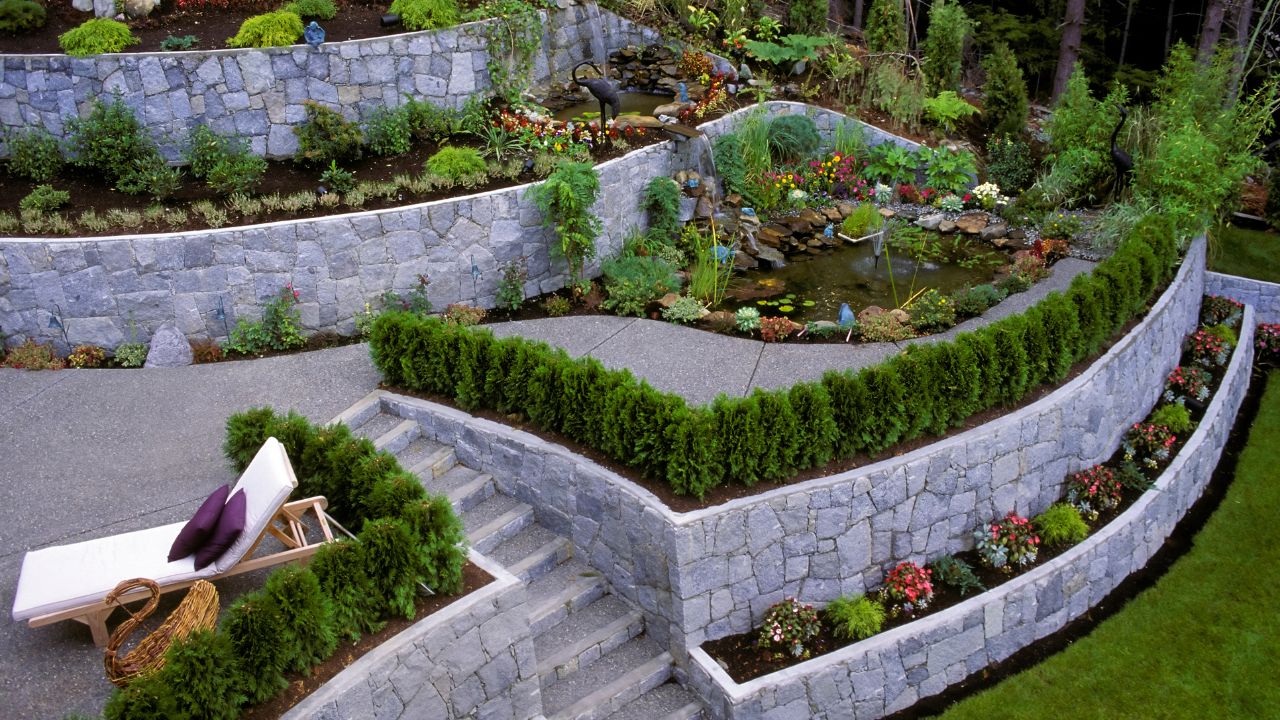
Hardscaping encompasses non-living landscape elements—patios, walkways, retaining walls, driveways, and outdoor structures. Building departments classify projects, determining which permits apply and which departments review applications.
Hardscaping typically involves ground-level installations without enclosed spaces or roofs. Structural construction creates habitable spaces or tall load-bearing systems. Covered patios, tall retaining walls, and outdoor kitchens blur lines requiring multiple permits. Building departments evaluate material permanence, load-bearing capacity, and structural complexity when classifying projects.
New driveway or flatwork over 100 sq ft requires a permit. Permits are required for retaining walls over 4 feet in height. Permits are required if over 6 feet in height or with gas lines for fire features. Most paver patios need permits regardless of size. Built-in seating, planters, and outdoor kitchens always require permits. Gas, electrical, and plumbing connections trigger separate requirements.
Poured concrete creates permanent installations requiring engineering review. Pavers allow easier modifications reducing structural concerns. Material weight influences footing requirements. Concrete needs thickness specifications and curing inspections. Permeable materials affect drainage and stormwater compliance.
Permits ensure safety, property protection, and environmental compliance. Building departments verify drainage, structural integrity, and code adherence. Unpermitted work creates liability, exposing homeowners to fines, mandatory removal, and resale complications.
Minimum 1% slope for grading per Orange County Lot Grading Policy prevents pooling. Sediment traps suitable for drainage areas under 5 acres; sediment basins for areas between 5 and 75 acres. Improper grading directs water onto neighboring properties, causing damage. Retaining walls without engineering fail catastrophically. Permits require drainage plans to prevent soil erosion and foundation undermining.
Orange County Zoning Code updated July 2024. Fire pits require a 7 ft setback from the property line, 10 ft from buildings. Built-in barbecues require a 2 ft setback from the property line, maximum 4 ft above grade for heating elements. Zoning dictates placement and heights. Coastal zones face environmental review. Engineering standards ensure installations withstand expected loads.
Unpermitted work discovered during resale halts transactions requiring retroactive permitting or removal. Stop-work orders, daily fines, and insurance claim denials follow violations. Municipalities can require demolition at the owner's expense. Retroactive permitting costs more, requiring as-built plans, engineering letters, and multiple inspections.
Projects involving structural elements, utilities, or significant grading require permits. Retaining walls, covered patios, outdoor kitchens, and major grading demand engineering review and inspections.
Required if supporting a surcharge or located in front setback. Retaining Walls/Walls are designated as a separate permit category effective February 2, 2023. Requirements document revised May 2025. Walls over 4 feet need a licensed engineer's calculations. Tiered walls with a combined height exceeding 4 feet need engineering. Footings supporting structures require professional design.
Site Development Permit required for operations involving more than 10,000 cubic yards. A permit is required for more than 500 cubic yards on a slope greater than 30%. Minimum 7 sets of grading plans required. Minimum 3 sets of erosion, sediment, and chemical control plans required. T&M deposits range $7,000-$10,000 for mass grading. Slope modifications affecting drainage need approval.
Gas lines to fire pits and kitchens require plumbing permits. Electrical work needs separate permits. Each trade requires a licensed contractor and a permit. Outdoor kitchens need building, plumbing, and electrical permits simultaneously. Utilities embedded in concrete must be inspected before pouring.
Small-scale projects with minimal impact may be exempt from permitting. Thresholds vary by jurisdiction. Even exempt projects must comply with setbacks and drainage requirements.
Slabs under 100 sq ft may be exempt if not support structures. Most Orange County cities require patio permits regardless of size. Small decorative pathways using loose materials typically don't require permits. Assumptions about exemptions create problems—always confirm with the building department.
Replacing damaged pavers in-kind without base modification qualifies as maintenance. Resurfacing with a thin overlay may not need permits. Expanding areas, changing drainage, or altering elevations require permits. Define scope carefully—maintenance fixes existing conditions, improvements create new ones.
Sellers must disclose unpermitted work. Written confirmation from the building department provides protection. Even legitimately exempt work benefits from documentation, preventing future questions. Protect your investment with written confirmation.
Orange County contains unincorporated areas and 34 cities, each with its own requirements. Permit thresholds, fees, processing times, and submittals vary significantly.
Permits are mandated for new landscapes exceeding 500 square feet in the City of Orange. Irvine maintains strict design review. Anaheim emphasizes drainage compliance in hillside zones. Huntington Beach adds coastal considerations. Fee structures differ dramatically. Always verify with the specific jurisdiction handling your property.
Coastal zones require California Coastal Commission review. Hillside areas demand geological assessments. Flood-prone districts need elevation certificates. Each overlay district adds requirements. Check all applicable zoning overlays early—discovering restrictions after design forces costly revisions.
Typical architectural review response timeframe of 45 days. Governed by the Davis-Stirling Common Interest Development Act. Civil Code §4735 restricts HOAs from prohibiting artificial turf or drought-tolerant landscaping. HOAs cannot override codes but add aesthetic requirements. Obtain HOA approval before submitting city permits.
Multiple information sources exist, but the building department provides final authority. Gather project details before contacting officials, ensuring specific answers.
Measure the project area to calculate square footage. Note heights, depths, and setbacks. Sketch site showing existing structures and proposed work. Photograph conditions. List materials, utilities, and features planned. Know the address, parcel number, and zoning. Specific information enables accurate answers.
MyOCeServices online portal for permit applications enables 24/7 submission. Zoning maps identify regulations. Fee calculators estimate costs. Online resources reduce trips. Complex projects still benefit from in-person consultation.
Ask which code sections apply. Request written confirmation of exemptions. Clarify whether separate trade permits are required. Verify submittal format. Confirm required plan details. Ask about processing timeframes. Take notes documenting staff guidance.
Professional plans expedite approval, demonstrating code knowledge. Required detail varies by complexity. Complete submittal packages prevent corrections and delays.
Site plans show boundaries, structures, setbacks, and proposed work with dimensions. Elevations illustrate vertical relationships and heights. Drainage diagrams indicate water flow. Plans must be to scale with the north arrow. Professional plans demonstrate competence. Investment in quality plans pays through faster approval.
Retaining walls over 4 feet require engineer calculations with a stamp. Questionable soil conditions trigger a geotechnical evaluation. Covered patios need structural calculations. Calculations specify reinforcement and concrete strength. Budget engineering fees early—they're mandatory, not optional.
Setbacks establish minimum distances from property lines and structures. Easements prohibit permanent structures. Setback violations create immediate denials. Verify setbacks before designing. Survey property lines if uncertain.
Digital systems accelerated submittal, but review times remain significant. Complete applications process faster than incomplete submittals.
Application form with signatures. Site plans showing existing and proposed work. Structural calculations stamped by the engineer. Drainage plan. Product specifications. HOA approval letter if applicable. Contractor license and insurance certificates. Fee payment. Incomplete applications receive rejection.
Typically takes 15 business days for the initial plan check. Corrections require 10 business days. Approximately 4 business days for paver permits. Established specific timelines effective January 1, 2023, under Assembly Bill 2234. Complex projects take longer. Expect 4-6 weeks for complex projects, 2-3 weeks for simple ones.
Reviewers issue a correction letter listing changes. Address every item specifically. Submit revised plans highlighting changes. Multiple correction cycles are possible. Approval issues permit ready for issuance. Approved plans must remain on-site during construction.
Inspections verify compliance at critical stages. Schedule inspections in advance, providing notice. Failed inspections halt work until corrections are completed.
Footing inspection before concrete pour. Drainage inspection before covering. Reinforcement inspection confirms rebar placement. Final inspection examines completed work. Never cover work requiring inspection. Permit lists required inspections.
Clean work area. Ensure inspector access. Have approved plans on-site. Stage work matching plans. Verify all elements are present and visible. Have the contractor present. Preparation demonstrates professionalism.
The inspector issues a correction notice. Stop work until corrections are completed. Schedule re-inspection after corrections. Most failures result from misunderstanding requirements. Communicate with the inspector before corrections.
Proper drainage protects properties from damage and erosion. Orange County enforces strict requirements. Design must address existing patterns and create compliant systems.
Any grading creating slopes or modifying contours needs review. Raising areas changing drainage requires approval. Significant earth movement requires a separate grading permit. Grading permits ensure work won't cause erosion or instability.
Direct water away from structures. Maintain minimum slopes preventing pooling. Install drainage systems that collect water properly. Water onto neighbors creates liability. Drainage plans must show pre- and post-construction flow. Professional drainage design prevents disputes.
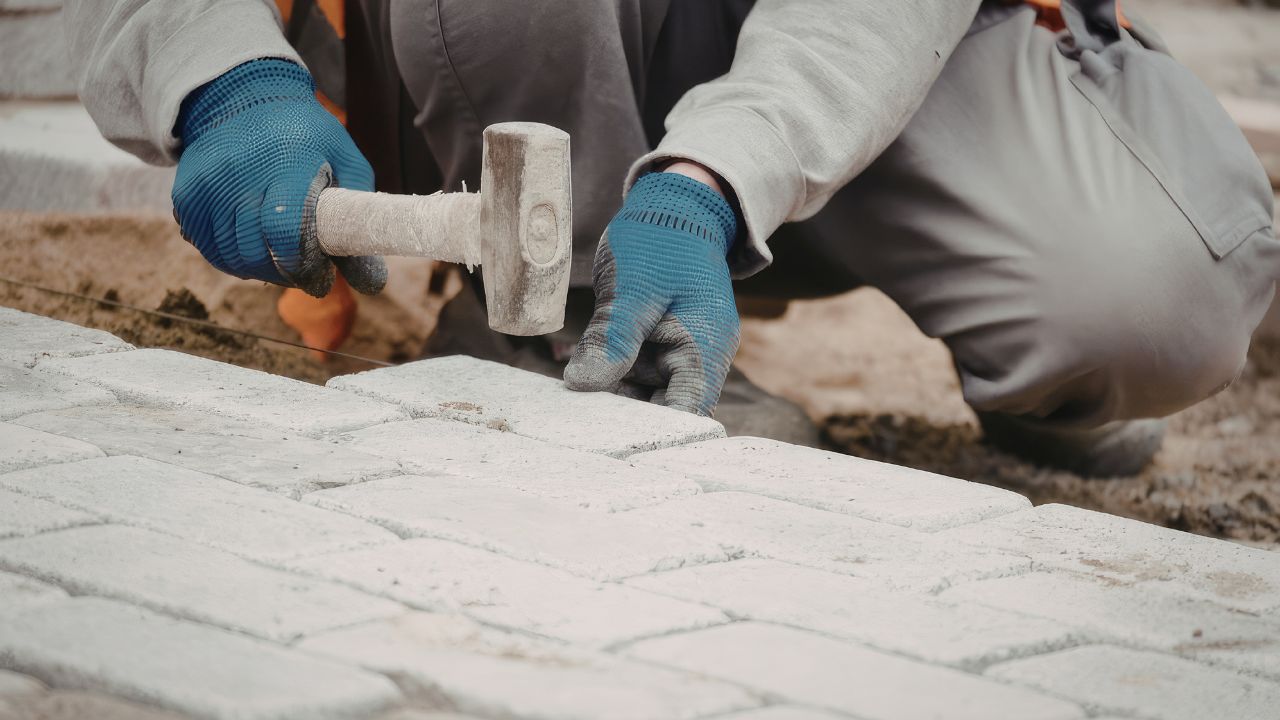
Permeable pavers reduce runoff, meeting stormwater requirements. A proper sub-base provides drainage and support. Some jurisdictions require permeable options. Inspectors verify proper base installation before paver placement.
Underground utilities require careful coordination. Damaging utilities creates dangerous, expensive situations. Permits ensure proper clearances.
All electrical work requires permits and a licensed electrician. Gas lines need plumbing permits and pressure testing. Irrigation with backflow preventers requires approval. Underground conduit needs inspection before backfilling. Never bury utilities without required inspections.
Gas appliances need clearances from combustible materials. Electrical outlets require ground-fault protection. Fire features need clearances from structures. Code requirements often exceed manufacturer minimums. Inspectors measure clearances strictly.
Call 811 two business days before digging. Utilities mark public lines. Hire a private locator for private laterals. Hand-dig near marked utilities. Hitting utilities causes service interruptions and expensive repairs.
Multiple regulations affect design. Accessibility ensures usability. Safety codes prevent injuries. Environmental rules protect resources.
Accessible routes require a maximum 1:12 slope. Step heights limited to 7 inches. Handrails are required for stairs. Residential projects have flexibility. Accessible design benefits aging homeowners.
Adequate lighting prevents trips and falls. Illuminate steps and elevation changes. Use shielded fixtures directing light downward. Low-voltage systems offer easier installation. Proper lighting enhances value.
The Construction General Permit (CGP) applies to sites disturbing 1 acre or more of soil. Stormwater Pollution Prevention Plan required for qualifying projects. Coastal properties need additional permits. Projects increasing impervious surface may trigger stormwater review.
Permits add costs and time but provide compliance value. Budget adequate funds. Realistic timelines account for review and inspections.
$38.00 basic fee + $38.00 development engineering review = $76 total for paver permits. $850 T&M deposit for driveways. $5,000 T&M deposit for landscapes. OC Development Services Fee Schedule updated July 21, 2024 (effective through July 21, 2027). T&M deposits range from $38 to $10,000. Add engineering costs $1,500-$5,000. Professional plans cost $500-$3,000. Budget 10-15% contingency.
Add 4-8 weeks for permit approval. Schedule inspections minimum of 24 hours' advance. Failed inspections delay work. Permit expiration deadlines require completing work within the timeframe. Realistic schedules account for permitting.
Valid Contractors State License Board license required (C-27 classification for landscaping). General Liability and Workers' Compensation insurance are mandatory. Minimum 3-5 recent references recommended. A deposit of 10% or less is standard practice. Verify license on the CSLB website. Review portfolio of permitted projects. Licensed contractors navigate permitting efficiently.
Assumptions and shortcuts create expensive problems. Many issues arise from poor planning. Simple precautions avoid most pitfalls.
Transactions halt, requiring resolution. Retroactive permits cost more. Appraisers may exclude unpermitted improvements from valuation. Buyers demand price reductions. Demolition is sometimes required. Small savings skipping permits creates large costs later.
Incomplete applications returned unreviewed. Plans lacking details need corrections. Missing engineer stamps require redesign. Incorrect dimensions create rejection. Professional preparation prevents documentation issues.
Contractors building without plans create non-compliant installations. Homeowner changes deviate from approved plans. Contractors unfamiliar with codes make mistakes. Written communication prevents disputes. Address concerns immediately.
Clear agreements prevent confusion. Documentation protects both parties. Regular communication ensures coordination.
Licensed contractors typically pull permits under their license. Contractors prepare submittals and respond to corrections. The contract specifies responsibilities explicitly. Clarify before the project starts. Document who does what.
Specify who pulls permits and pays fees. Require a valid license and insurance. Include permit timelines. Require permit numbers and inspection documentation. Include payment holdback until final approval. Written contracts prevent misunderstandings.
Maintain the permit file with documents. Record permit numbers and contacts. Track correction letters and dates. Photograph work stages. Keep inspection approvals. Access online portals to monitor status. Organized documentation is valuable for resale.
Proper preparation prevents problems. Sequential steps build toward a compliant installation. Investment in planning pays through smoother execution.
Walk the property, photographing conditions, slopes, and drainage. Measure distances from property lines. Note existing systems. Check for easements on the title. Review previous permits. Property assessment identifies constraints and opportunities.
Model Water Efficient Landscape Ordinance applies to new landscape projects over 500 sq ft. Rehabilitated projects over 2,500 sq ft must comply. Ordinance updated January 3, 2025. Landscape Documentation Package required before permits are issued. Collect inspiration photos. List must-have features. Establish budget range. Note timeline constraints. Organized ideas demonstrate seriousness.
Verify requirements before designing. Consult the HOA about restrictions. Hire a qualified licensed contractor. Engage the engineer early if needed. Submit complete, accurate applications. Respond promptly to corrections. Schedule inspections when stages are complete. Early preparation prevents delays.
Navigating Orange County hardscaping permits requires expertise and local knowledge. Understanding requirements prevents costly mistakes ensuring code-compliant installations. Professional guidance streamlines permitting saving time and frustration.
Signature Landscape specializes in fully permitted hardscaping projects throughout Orange County. Our licensed team manages design, permitting, construction, and inspections. Contact Signature Landscape today for consultation on your permitted hardscaping project.
Schedule A Consultation