Call our Professional Contractors!
(949) 859-9969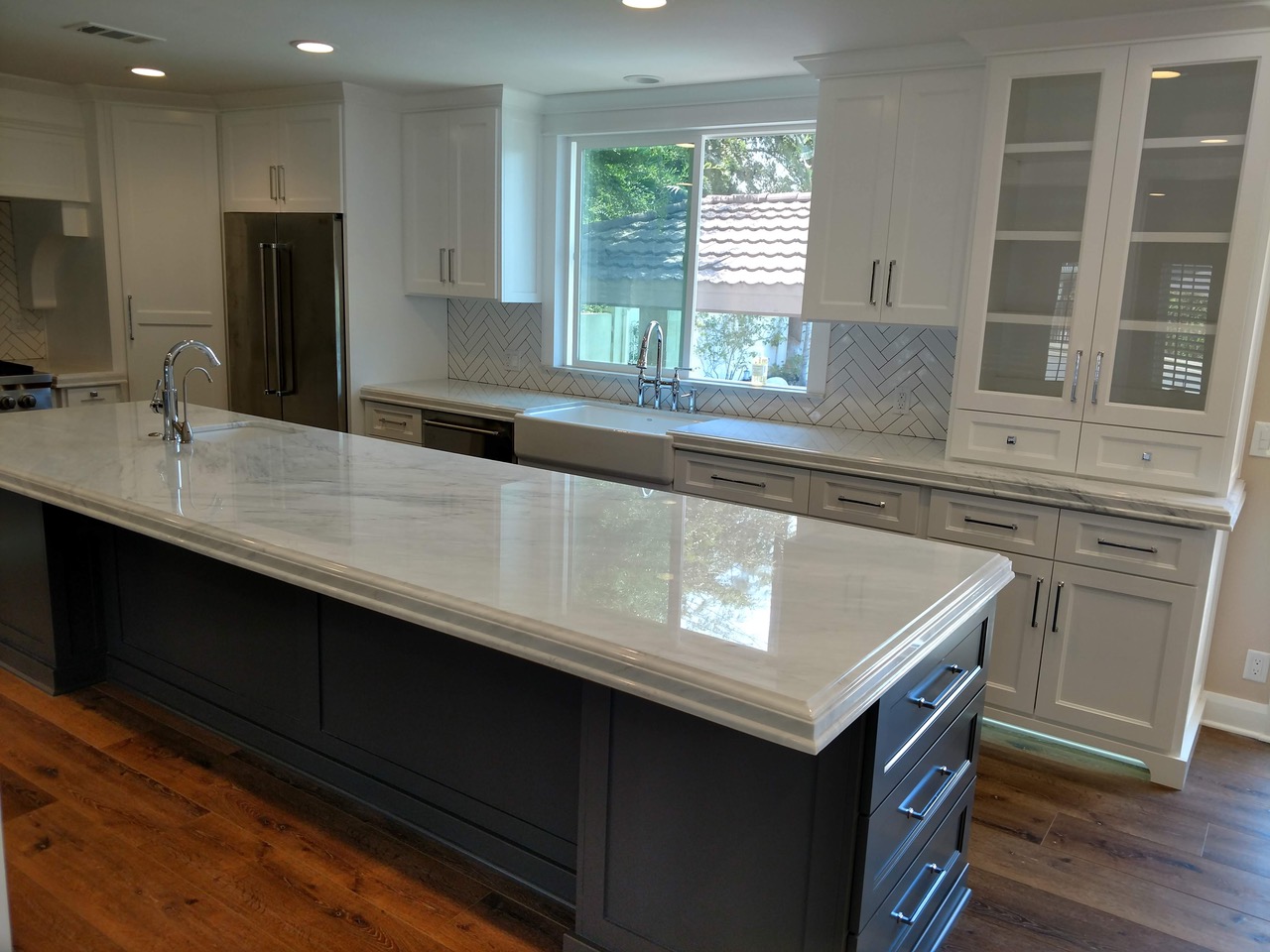
Key Takeaways:
House remodeling in Orange County increasingly includes strategic hardscaping that transforms outdoor spaces into functional living areas. Unlike simple landscaping focused on plants, hardscaping integrates permanent structures—patios, walls, walkways, and outdoor kitchens—that extend your home's usable square footage. When coordinated with interior renovations, these outdoor improvements create cohesive properties maximizing both lifestyle benefits and resale value.
This guide addresses key planning, design, and execution questions Orange County homeowners face when combining house remodeling with hardscaping projects. You'll learn which features deliver the most value, how to navigate local regulations, and when professional expertise becomes essential.
House remodeling with hardscaping creates unified indoor-outdoor living environments suited to Southern California's climate and lifestyle. Rather than treating exterior improvements as afterthoughts, integrated planning ensures architectural consistency and maximizes functional benefits.
Hardscaping is a cornerstone of outdoor renovations in Orange County, effectively extending living spaces and enhancing property value beyond interior upgrades alone. Successful projects emphasize seamless flow between indoor and outdoor areas, often using materials that complement the home's primary architectural style. When kitchen renovations open to new patios or bedroom additions lead to private courtyards, hardscaping completes the vision. The permanent structures provide year-round utility impossible with temporary furniture or basic landscaping.
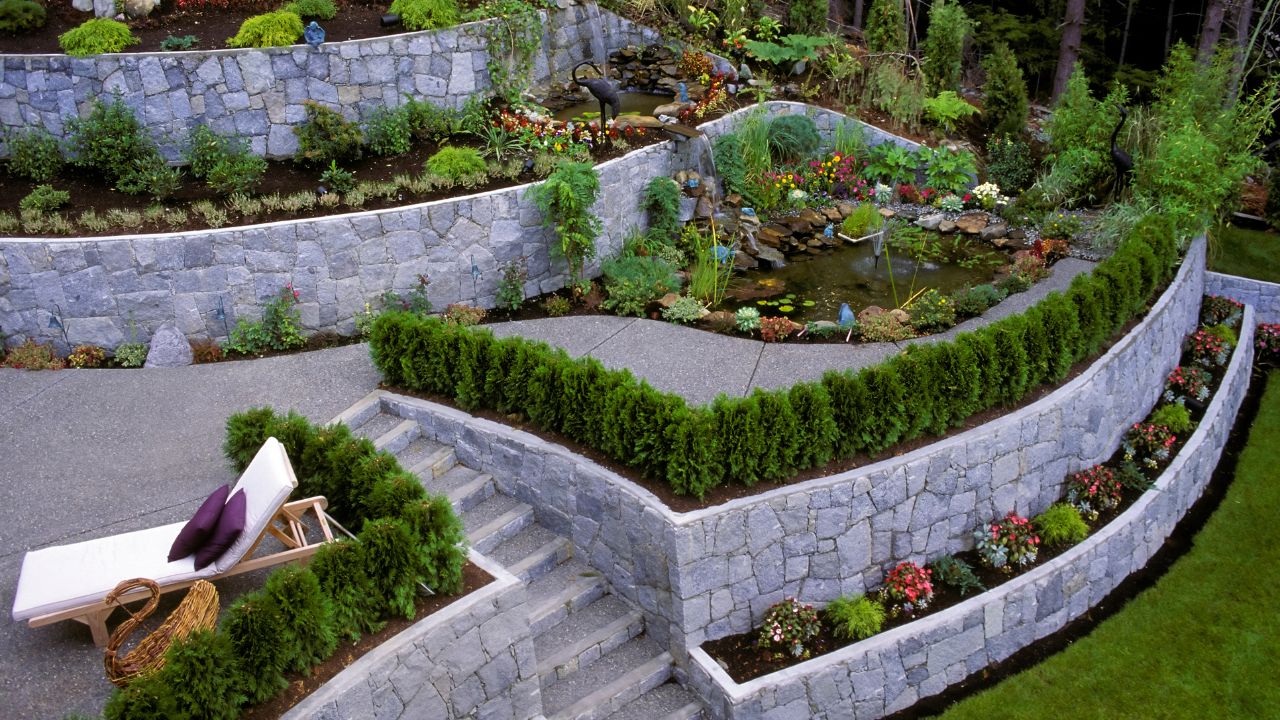
Front entries gain curb appeal through paver walkways, sitting walls, and decorative accents establishing memorable first impressions. Backyards transform into entertainment zones with patios, outdoor kitchens, and fire features supporting California's outdoor lifestyle. Side yards become functional with pathways, storage screening, and utility access. Pool areas need hardscape decking, equipment screening, and safety barriers. Sloped properties require retaining walls creating usable terraces. Each zone serves distinct purposes requiring customized hardscape solutions.
Function improves dramatically—undefined yards become organized spaces for specific activities. Layout gains structure through pathways directing traffic, walls defining boundaries, and patios anchoring furniture groupings. Curb appeal increases through professional finishes replacing basic concrete or bare dirt. Properties appear complete and well-maintained. Outdoor spaces become weather-resistant, reducing mud tracking and providing clean surfaces. The shift from raw landscape to finished outdoor rooms elevates the entire property's perceived quality and value.
Strategic hardscaping investments deliver measurable returns through increased usability, reduced maintenance, and enhanced property values. Understanding which features provide the best value helps homeowners prioritize limited budgets effectively.
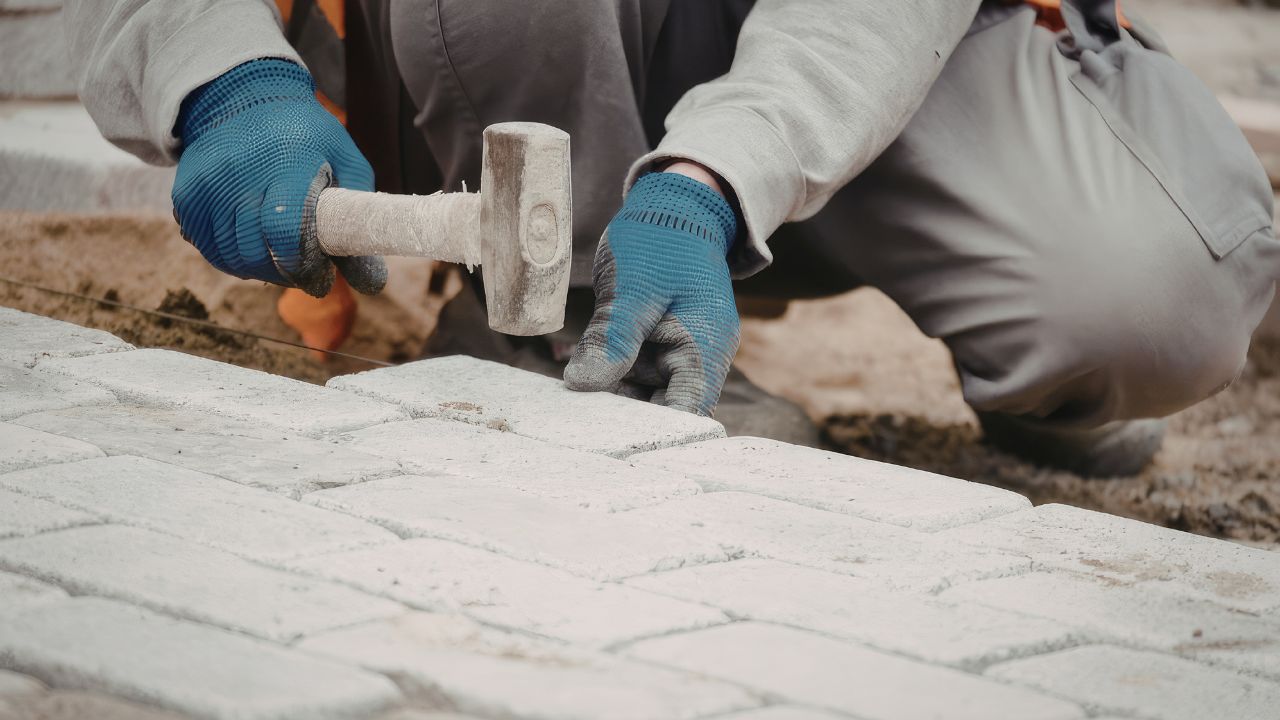
Paver installation costs $14.00 to $32.50 per square foot in Orange County, with professional installation running $20-35 per square foot depending on complexity and location. Paver stones last 25-100+ years with proper maintenance, making them sound long-term investments. These surfaces create clean, level areas for furniture, dining, and entertaining impossible on grass or dirt. Driveways gain visual appeal and durability. Patios define outdoor rooms encouraging regular use. The permanent, low-maintenance surfaces eliminate muddy conditions and provide accessible spaces year-round. Daily activities move seamlessly between indoors and outdoors.
Poured concrete walls cost approximately $51 per square foot, while cinder block walls average $22.50 per square foot. Brick installation costs $12.50 to $21.82 per square foot in Orange County. Sitting walls provide permanent seating without movable furniture, define space boundaries, and add vertical interest. Retaining walls manage slopes, create level terraces, and prevent erosion. Pathways direct foot traffic, protect planted areas, and provide accessible routes. Together, these elements organize properties, establish clear circulation patterns, and maximize usable space on challenging terrain.
Installing a mid-range outdoor fire pit adds an estimated $5,000 to $15,000 to home value in Orange County, demonstrating strong ROI for entertainment features. Integrating features like fire pits, water features, and multi-level patios creates functional and aesthetically pleasing outdoor rooms suited to year-round entertaining. Outdoor kitchens eliminate indoor-outdoor trips during gatherings. Fire features extend evening use and create gathering focal points. These amenities transform backyards into destination spaces encouraging frequent use and memorable events.
Permeable pavers show very high popularity as a key trend for managing water runoff and promoting sustainability while reducing irrigation needs. Artificial turf eliminates mowing, fertilizing, and watering. Built-in planters concentrate irrigation to specific zones. Hardscaped areas require no watering. Low-water native plants in designated zones thrive with minimal attention. The combination dramatically reduces weekly yard maintenance, water bills, and ongoing labor costs. Properties stay attractive with less effort, appealing to busy homeowners and drought-conscious buyers.
Material and design consistency between house and hardscape creates cohesive properties with higher perceived value. Mismatched styles appear disjointed and detract from both interior and exterior investments.
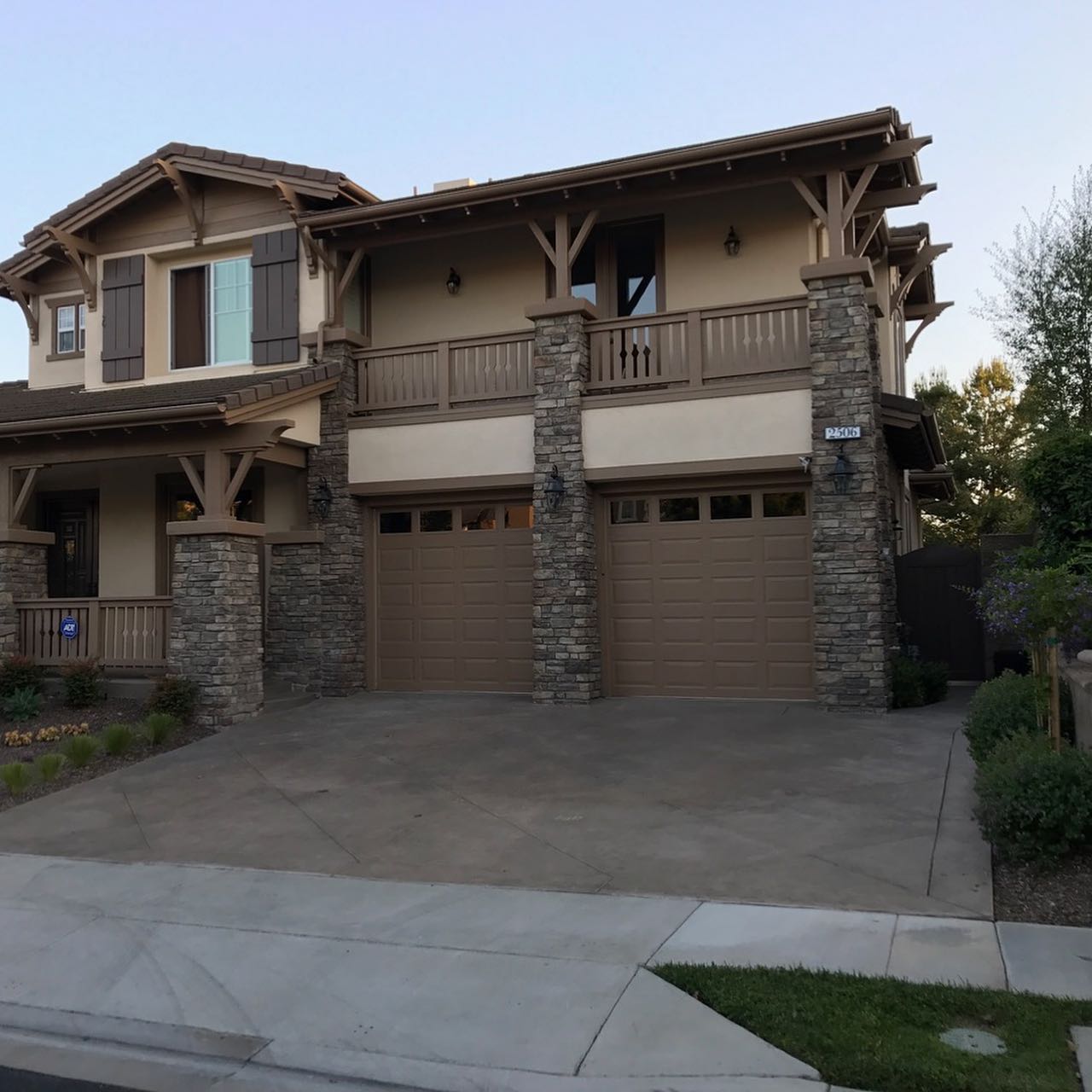
Earthy and neutral palettes show very high popularity for coordinating with various architectural styles across Orange County's diverse housing stock. Ranch homes suit flagstone, natural wood accents, and horizontal lines. Spanish Colonial properties demand terra cotta pavers, stucco walls, and arched elements. Coastal styles need weathered finishes, light colors, and organic textures. Modern homes require clean lines, smooth concrete, and minimal ornamentation. Material choices should echo the home's existing palette, textures, and proportions rather than introducing competing aesthetics.
Textured finishes show high popularity in hardscape design, adding depth without overwhelming architectural details. Mixed materials show medium-high popularity for creating layered, cohesive designs connecting various property elements. Repeating stone colors from house facades in patio pavers unifies spaces. Using similar joint widths in both brick walls and walkways maintains visual rhythm. Layout geometry—curves versus straight lines—should match architectural forms. Consistent cap stone profiles on different walls create continuity. These subtle connections make properties feel intentionally designed rather than randomly assembled.
Integrated lighting shows very high popularity as a key design trend extending outdoor space functionality after dark. Built-in LED strips along pathways prevent trip hazards. Step lighting illuminates elevation changes. Uplighting highlights architectural features and trees. Pathway fixtures guide movement safely. Proper lighting transforms outdoor areas from daytime-only spaces into evening destinations. Transitions between different surfaces—pavers to concrete, hardscape to turf—need beveled edges or reveals preventing stumbling. Handrails on stepped areas provide stability. These safety features encourage use while reducing liability.
Orange County's unique geography, climate, and regulatory environment shape hardscaping decisions differently than other regions. Local conditions demand specialized approaches ensuring long-term success.
Orange County Public Works has specific foundation requirements that must be met for hardscape installations, particularly on sloped properties requiring engineered solutions. Narrow lots need space-efficient designs maximizing usable area. Slopes require terracing, retaining walls, or creative grading. Premium views dictate entertainment area placement and seating orientation. Drainage patterns from slopes influence hardscape placement avoiding water collection zones. Irregular lot shapes benefit from curved pathways and asymmetrical layouts working with rather than against natural forms. Proper assessment prevents expensive mid-project redesigns.
Heat-resistant materials are preferred for summer months when surface temperatures exceed 140°F in inland Orange County. Coastal moisture requires robust waterproofing in areas near the ocean where salt air accelerates deterioration. Winter rains necessitate comprehensive drainage systems preventing water damage and erosion. Light-colored pavers stay cooler underfoot. Permeable surfaces allow groundwater recharge. Drought-tolerant designs minimize irrigation demands. Material selection must balance aesthetic goals with climate performance ensuring comfortable, sustainable outdoor spaces.
Highly visible front yards need design consistency with neighborhood aesthetics maintaining property values. HOA communities may restrict colors, heights, and materials. Entry sequences create first impressions—statement pavers, accent lighting, and layered plantings signal quality. Privacy concerns in dense neighborhoods influence wall heights and screening elements. Street-facing hardscape should complement rather than compete with neighboring properties while still providing individual character. Balancing distinction with cohesion ensures both personal satisfaction and community acceptance.
Coordinated planning prevents costly conflicts between interior and exterior work while ensuring cohesive results. Sequential thinking protects completed work and maximizes efficiency.
Interior floor plan changes—room additions, window relocations, door placements—dictate outdoor access points and view corridors. Kitchen renovations opening to patios need coordinated material selections and threshold details. New bedroom wings may require private courtyard access. Interior style choices establish palettes guiding exterior selections. Budget allocation between interior and exterior work affects phasing. Understanding interior priorities first prevents building hardscape features that later conflict with house changes or miss integration opportunities.
Multi-functional designs show high popularity, allowing outdoor spaces to serve multiple purposes without overcrowding. Map sun exposure at different times determining comfortable dining and lounging locations. Identify natural circulation paths from doors to yard areas. Separate active entertaining zones from quiet retreat spaces. Allocate areas for utilitarian needs—trash, equipment storage, pet access. Consider seasonal wind patterns and privacy from neighbors. Clear zoning prevents conflicts and ensures each area serves its purpose effectively.
Sample materials in actual site conditions—sunlight changes appearance dramatically. Match mortar colors to house grout or stucco. Select paver textures appropriate for planned uses—smooth for dining furniture, textured for pool decks. Ensure cap stones on walls coordinate with window sills or trim. Test material heat retention if barefoot areas exist. Budget impacts selections—concrete costs less than natural stone but both can work beautifully with proper design. Material choices should balance aesthetics, performance, and budget realities.
Complete demolition first, removing old hardscape and plantings from construction zones. Finish structural house work before hardscaping—foundation repairs, additions, major exterior changes. Install underground utilities—irrigation, lighting, drainage—before hardscape surfaces. Build hardscape structures next, protecting finished surfaces during remaining work. Complete landscaping and turf last, preventing damage from hardscape construction. Proper sequencing prevents rework and protects investments. Poor sequencing creates expensive repairs and delays.
Standard patio installations range from 3-7 days, with similar timelines for coordinated hardscape elements depending on complexity and weather. Multi-phase projects may span months with interior work first, followed by hardscaping, then landscaping. Allow buffer time between phases for inspections and unexpected issues. Winter rains delay outdoor work in Orange County. Permitting adds weeks or months depending on jurisdiction. Contractor scheduling affects timelines—popular firms book months ahead. Realistic expectations prevent frustration and allow proper budget management across extended timeframes.
Integrated budgeting ensures sufficient funds for complete project vision while allowing flexibility for priorities and phasing. Poor budget planning leaves projects partially finished, reducing both enjoyment and property value.
Well-designed hardscaping projects deliver 50-80% ROI upon resale in competitive markets like Orange County, justifying significant exterior investment. Interior improvements typically consume 60-70% of total remodel budgets, leaving 30-40% for exterior work. However, visible outdoor spaces—entries, entertaining areas—deserve proportionally higher investment than purely functional zones. Balance aspirations with reality—phasing allows excellent work across multiple years rather than compromised work immediately. Prioritize high-impact features like main patios before secondary elements like side yard pathways.
Significant cost variations exist due to project complexity, site conditions, and contractor experience levels requiring careful evaluation during planning. Premium materials—natural stone, specialty pavers—cost 50-100% more than standard concrete options. Complex patterns and curved layouts increase labor costs 25-40%. Difficult access requiring hand-carrying materials substantially raises prices. Sloped sites need additional engineering and base work. Coastal and hillside properties command premiums. Understanding cost drivers helps prioritize spending where impact matters most.
Complete design plans upfront even if building in phases ensures each stage works toward the unified vision. Phase 1 might include main patio and pathways, Phase 2 adds outdoor kitchen, Phase 3 completes side yard improvements. Install underground infrastructure—irrigation, lighting, drainage—during Phase 1 avoiding later disruption. Each phase should feel complete and functional independently. Staged approaches spread costs across multiple years, making ambitious projects financially manageable while maintaining design integrity.
Navigating Orange County's regulatory landscape prevents project delays, fines, and forced modifications. Each jurisdiction maintains unique requirements demanding early research and compliance.
Building permits are required for retaining walls and major hardscape installations across Orange County jurisdictions. All installations must comply with California Building Code ensuring structural safety and proper construction methods. Walls over certain heights—often 18-30 inches depending on city—trigger permit requirements. Driveway modifications may need permits, particularly if changing drainage patterns. Outdoor kitchens with gas lines, electrical, or permanent structures require permits. Each city maintains different thresholds. Submit detailed plans including elevations, materials, and drainage provisions. Unpermitted work discovered during resale can derail transactions.
HOAs commonly restrict colors to approved palettes, limit wall heights, and require architectural review for visible changes. Some communities mandate specific materials matching neighborhood character. Front yard modifications face strictest scrutiny. Review CC&Rs and architectural guidelines before designing. Submit proposals early allowing revision time. Pre-approval prevents expensive tearouts of non-compliant work. Even when city permits aren't required, HOA approval may be mandatory. Understanding both governmental and community restrictions prevents conflicts.
Complete documentation demonstrates professionalism, expediting review processes. Include site plans showing property lines, existing structures, and proposed hardscape locations. Provide elevation drawings illustrating heights and grades. Detail drainage solutions showing water flow paths. Specify materials, colors, and construction methods. Photographs of existing conditions provide context. Thorough documentation answers reviewer questions upfront, reducing revision cycles. Missing information causes delays and rejection. Professional plans from licensed designers carry more weight than homeowner sketches.
Beyond aesthetics and property value, quality hardscaping enhances daily living through improved functionality, convenience, and usability. These practical benefits justify project investments through regular use and enjoyment.
Defined entertaining zones with adequate paving for tables and seating eliminate furniture placement challenges. Built-in seating accommodates guests without storage needs. Outdoor kitchens keep hosts engaged with guests during meal preparation. Fire features create natural gathering points extending events into evening hours. Level surfaces allow children's activities safely. Clear pathways prevent guests wandering through planted areas. Pet-friendly zones separate animal activities from entertaining spaces. Well-planned hardscape makes hosting effortless and enjoyable rather than stressful.
Strategic shade structures over patios enable comfortable summer use during peak heat. Pergolas, shade sails, or planted coverage make outdoor dining feasible. Clear pathways prevent tracking dirt indoors, maintaining clean interiors. Multiple gathering areas accommodate different activities simultaneously—adults dining while children play. Covered zones protect furniture and allow year-round use. Properly planned hardscape ensures outdoor spaces serve practical purposes daily rather than sitting unused except for special occasions.
Built-in storage benches hide cushions, toys, and supplies. Screened enclosures conceal trash bins, pool equipment, and utility meters maintaining aesthetic appeal. Side yard improvements create functional paths for equipment access, trash management, and pet routes. These utilitarian elements dramatically improve property organization and convenience. Solving practical problems through hardscape integration makes daily life smoother while maintaining attractive outdoor environments.
Proper maintenance preserves appearance, prevents damage, and protects hardscape investments. Understanding climate-specific needs ensures Orange County homeowners care appropriately for their improvements.
Sealing recommendations vary from 2-3 years to 3-5 years depending on material type and exposure to coastal conditions and traffic levels. Power wash pavers annually removing dirt, organic staining, and biological growth. Clean outdoor kitchen surfaces after each use preventing grease buildup and staining. Seal concrete and natural stone surfaces protecting against moisture intrusion and staining. Coastal properties need more frequent attention—every 2 years—due to salt air exposure. Inland areas can extend intervals to 3-4 years. Regular cleaning prevents permanent damage requiring expensive repairs or replacement.
Fluctuating temperatures require thermal expansion joints in hardscape installations, which need periodic inspection for proper function. Inland heat causes faster sealer breakdown requiring more frequent reapplication. Coastal moisture accelerates efflorescence formation and biological growth needing regular cleaning. Salt air damages unsealed surfaces rapidly. Adjust maintenance frequency based on microclimate—shaded coastal areas face different challenges than sun-exposed inland properties. Monitoring conditions rather than following rigid schedules ensures appropriate care.
Address loose pavers immediately before surrounding units destabilize. Refill eroded joints preventing further sand loss and weed growth. Repair small cracks in walls before water infiltration causes major damage. Clean drainage systems preventing clogs leading to flooding and erosion. Replace damaged cap stones protecting wall structures beneath. Small interventions costing hundreds prevent repairs costing thousands. Regular inspection identifies minor issues before they escalate. Preventive maintenance extends hardscape lifespan and preserves appearance economically.
Professional expertise ensures proper installation, regulatory compliance, and long-term performance. While DIY appeals to handy homeowners, most hardscape projects benefit from contractor knowledge and capabilities.
Establishing proper drainage grades prevents water damage but requires laser levels and expertise most homeowners lack. Base preparation determines long-term stability—inadequate compaction causes expensive failures. Structural calculations for retaining walls exceed DIY capabilities. Complex patterns demand geometric precision maintaining alignment across large areas. Seismic design requirements need professional engineering. Permit applications benefit from contractor experience navigating approval processes. Professional installation typically costs 40-60% of total project budgets but ensures quality results and proper warranties.
Experienced contractors schedule work sequencing with interior trades, protecting finished surfaces and avoiding conflicts. They coordinate utility locations with plumbers and electricians. Timing outdoor work around interior milestones prevents weather exposure or access issues. Professional communication prevents misunderstandings causing delays or damage. Single general contractors managing both interior and exterior work provide seamless coordination. Separate contractors need clear scheduling and communication protocols ensuring smooth project flow.
Seismic design must follow IBC and ASCE 7 standards for structural integrity, requiring contractors knowledgeable in California requirements. Verify active California contractor's licenses—C-27 Landscaping or B General—through CSLB website. Confirm current liability insurance and workers' compensation coverage. Review portfolios showing recent projects similar in scope and style. Check references asking specifically about budget adherence, timeline accuracy, and problem-solving. Look for ICPI certification demonstrating specialized paver installation training. Local reputation matters—established Orange County contractors understand regional conditions, regulations, and quality expectations.
Strategic integration of indoor and outdoor improvements creates properties exceeding the sum of individual upgrades. Long-term thinking during planning phases ensures maximum value and enjoyment for years.
With proper installation and materials that last 25-100+ years, hardscaping provides lasting value and functionality exceeding most landscape investments. Hardscaping effectively extends living spaces and enhances overall property value through cohesive design that buyers recognize and reward. Seamless indoor-outdoor flow suits California lifestyle expectations. Properties with well-executed hardscaping sell faster and command premiums over comparable homes with basic landscaping. Integrated design demonstrates attention to detail and quality throughout the property. The lifestyle improvements—enhanced entertaining, reduced maintenance, improved aesthetics—deliver daily satisfaction justifying investment beyond financial returns.
Design infrastructure—drainage, irrigation, electrical—to accommodate future expansion. Leave access points for additional hardscape zones without disrupting completed work. Choose materials available long-term enabling future additions to match existing installations. Document materials, suppliers, and specifications simplifying later expansions. Plan phased builds with ultimate vision in mind even if budget currently limits scope. Thoughtful initial planning allows properties to evolve gracefully as needs and resources change, maintaining design cohesion across decades.
House remodeling combined with strategic hardscaping creates cohesive properties maximizing both interior comfort and outdoor functionality. From planning through maintenance, success requires understanding Orange County's unique conditions, regulatory requirements, and design opportunities. Signature Landscape specializes in coordinating hardscape projects with whole-house renovations, ensuring seamless results that enhance your lifestyle and property value.
Contact Signature Landscape today to discuss how integrated hardscaping can complement your house remodeling plans and transform your Orange County property into the indoor-outdoor haven you've envisioned.
Schedule A Consultation